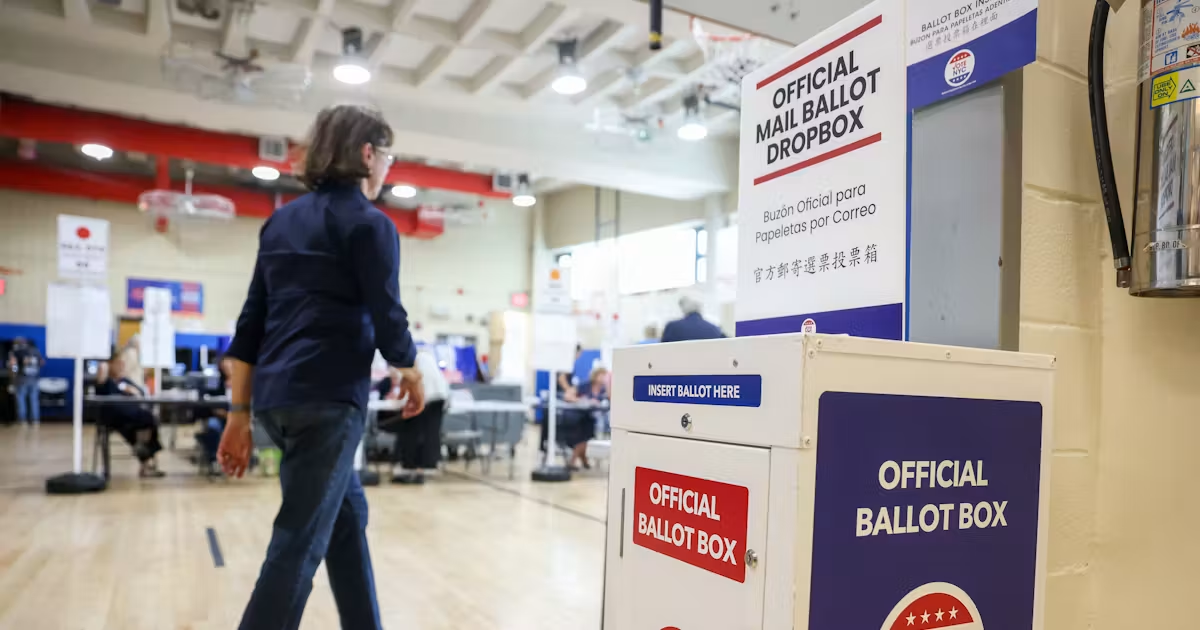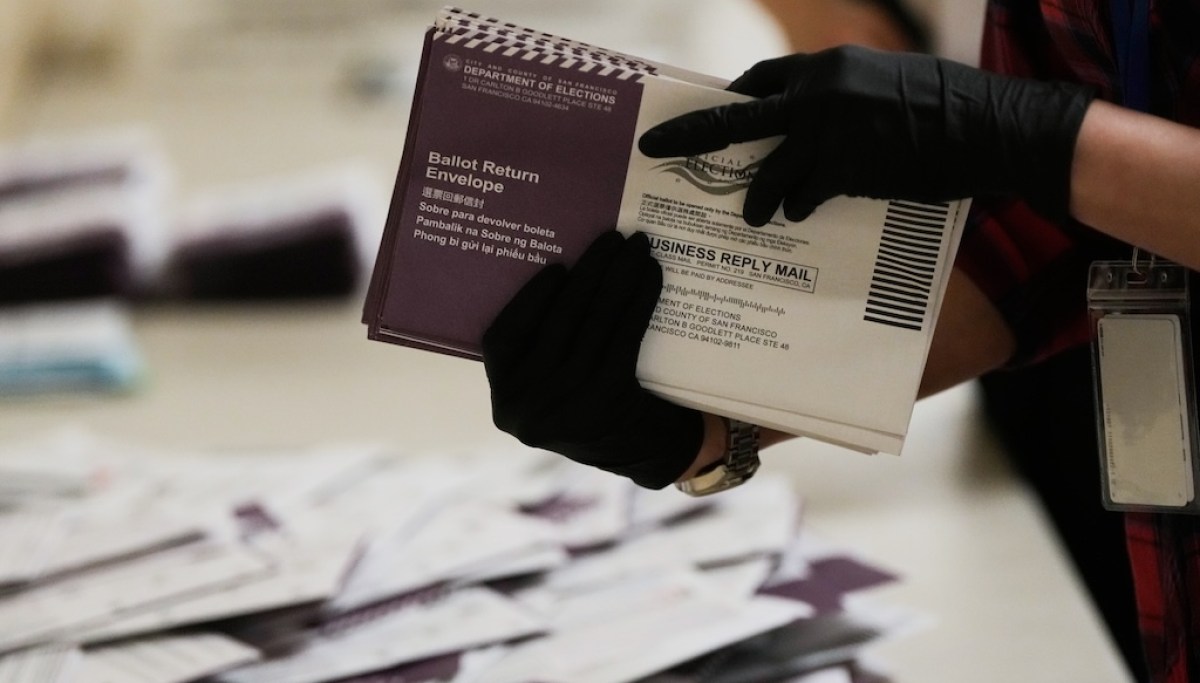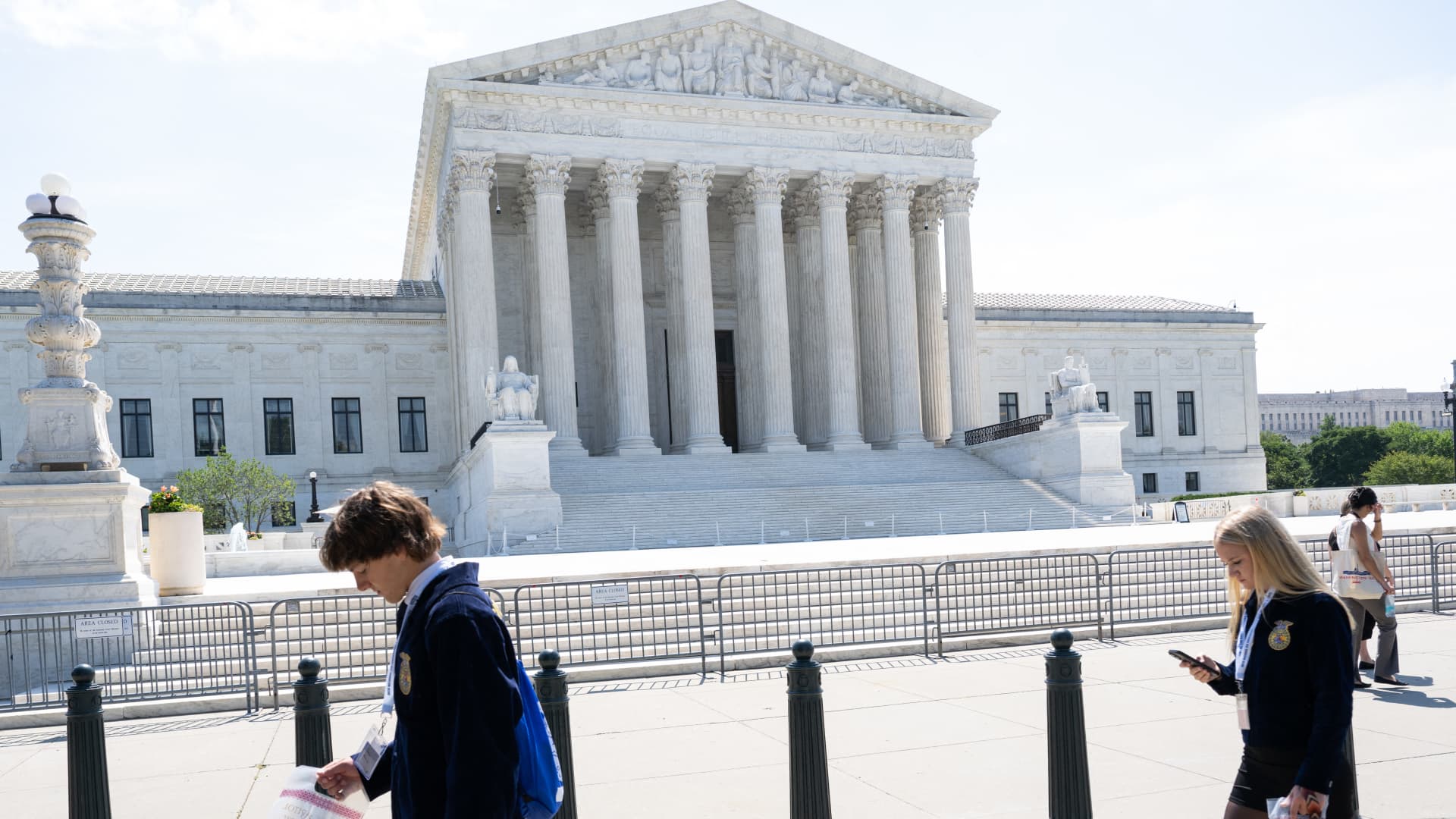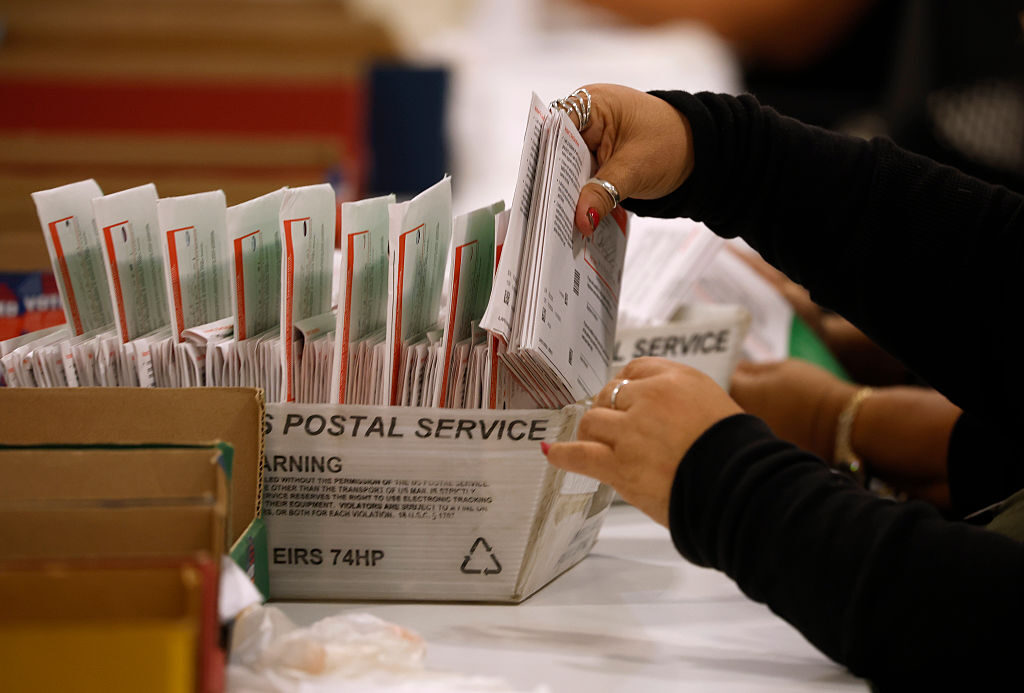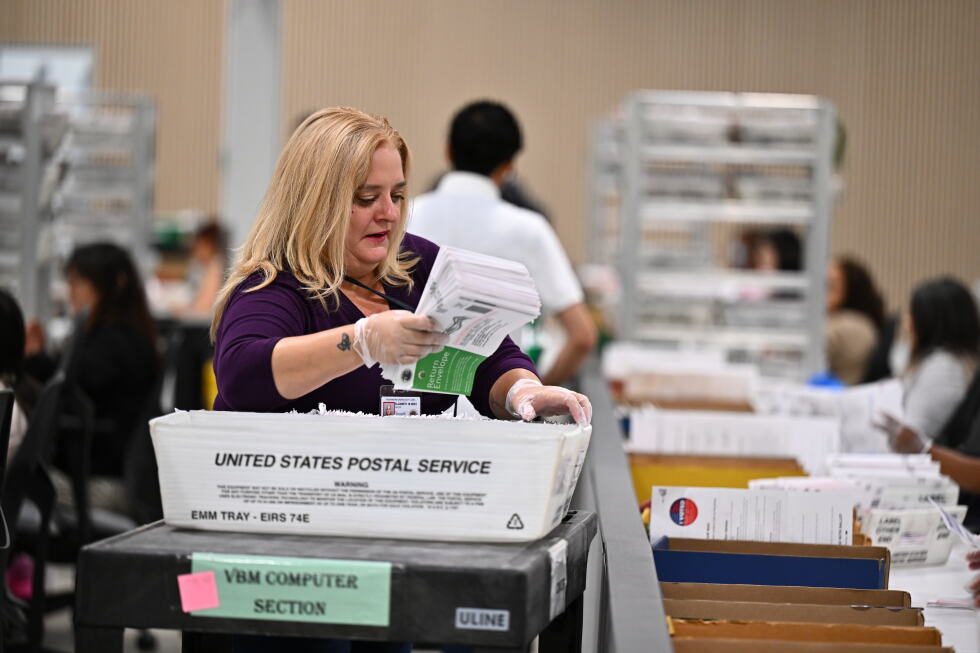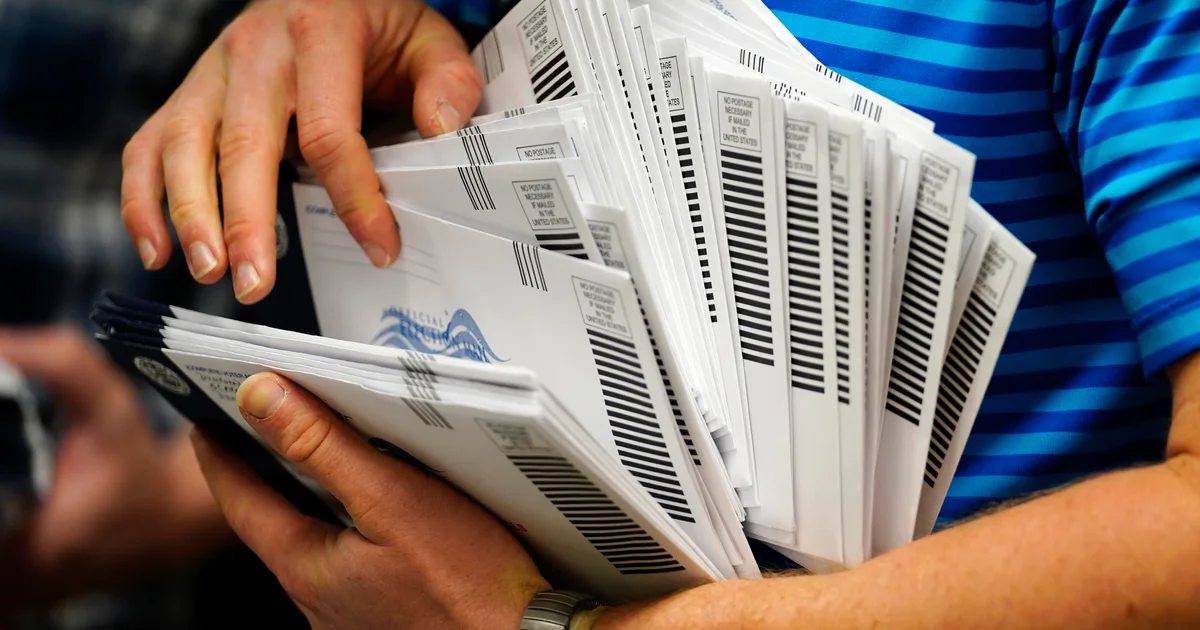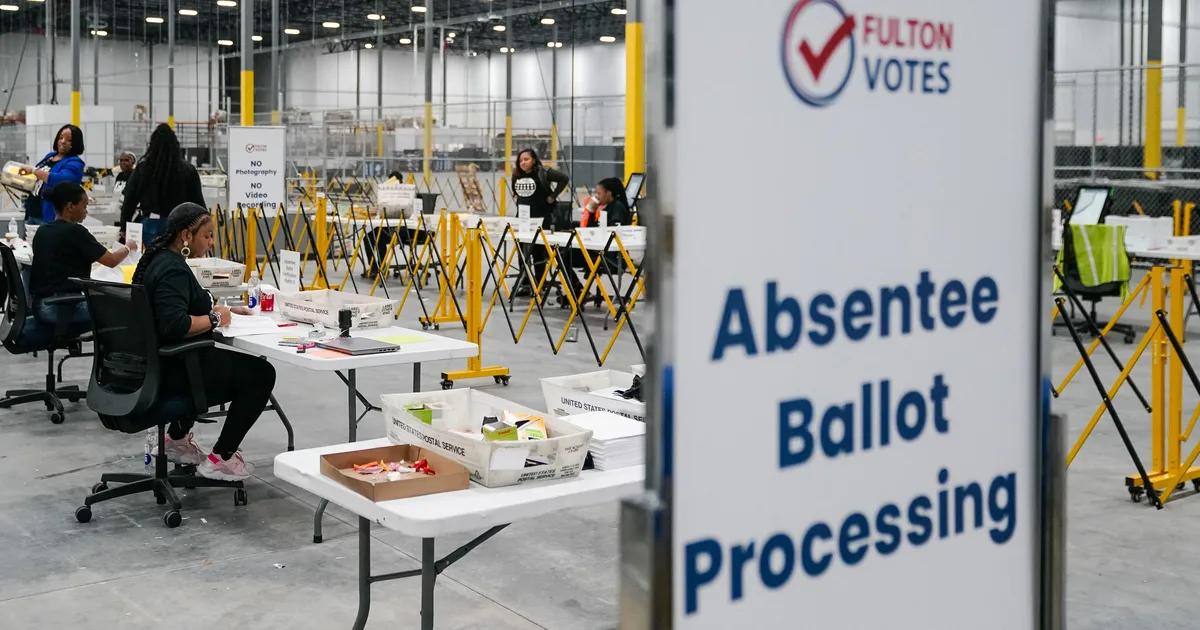
WASHINGTON ― In a decision with national implications, the U.S. Supreme Court ruled to uphold mail-in voting in Mississippi. Justice Amy Coney Barrett wrote for the 5-4 majority, finding that statutes setting federal election days do not preempt Mississippi’s laws permitting mail-in ballots to be counted as long as they are postmarked and received within five days of Election Day.“The federal election-day statutes do not preempt Mississippi’s law because the defining element of an ‘election’ has always been the electorate’s choice of candidate,” Barrett wrote, adding that existing law, including the Uniformed and Overseas Citizens Absentee Voting Act, “confirms” that while the federal government dictates how ballots must be cast, it is the state that determines how they are received. “The electorate’s choice is made when voting is complete, not when ballots are received. The most recent amendment to the Presidential election-day statute bears this out,” Barrett wrote. “While inserting the phrase ‘election day’ into the statute and marking that date as a specific Tuesday, Congress also provided that when States ‘modify the period of voting’ in response to certain force majeure events, the term ‘election day’ shall ‘include the modified period of voting.’” [Emphasis added by Justice Barrett.]Justices heard oral arguments in Watson v. Republican National Committee in March, with many of the high court’s conservative majority signaling they would agree to limit how and when mail-in voters’ ballots are counted.Mississippi passed a bipartisan law in 2020 that allowed voters to cast their ballots by mail with a postmark as late as Election Day. That law also permitted counting of mail-in ballots for up to five days afterward. The Republican National Committee and the Mississippi Republican and Libertarian parties sued the state, claiming that counting ballots after Election Day violated federal law.According to the RNC, Election Day is a single day and therefore, any vote counted after that day is unconstitutional and an unnecessary drain on party resources. The political parties also claimed mail-in voting opened the door to widespread voter fraud but failed to provide any evidence of the supposed fraud. At arguments, state officials maintained that a grace period for counting mail-in votes is not only legal and consistent with 28 other states that have mail-in voting options, but also logical: Tabulation cannot be finished in a single day. Plus, Mississippi officials argued it is the state that sets the terms of its elections, not the federal government.The Trump administration has been vehemently opposed to mail-in voting, and the president has falsely claimed that it is “cheating.” Trump regularly casts mail-in ballots, however, and when this hypocrisy was recently raised to the president, he told reporters: “You know what, because I’m president of the United States, and because of the fact that I’m president of the United States, I did a mail-in ballot for elections that took place in Florida.”A ruling overturning the law would have severely restricted the ability to count votes, including by voters who serve in the military, live overseas or are over 65. This is a developing story. Please check back for updates.
Supreme Court Slaps Down Republicans’ Attempt At Dismissing Late Mail-In Ballots
Mail-in voting has huge bipartisan support among voters because it is safe and secure, and has been part of the American experience since the Civil War.
510 words~2 min read