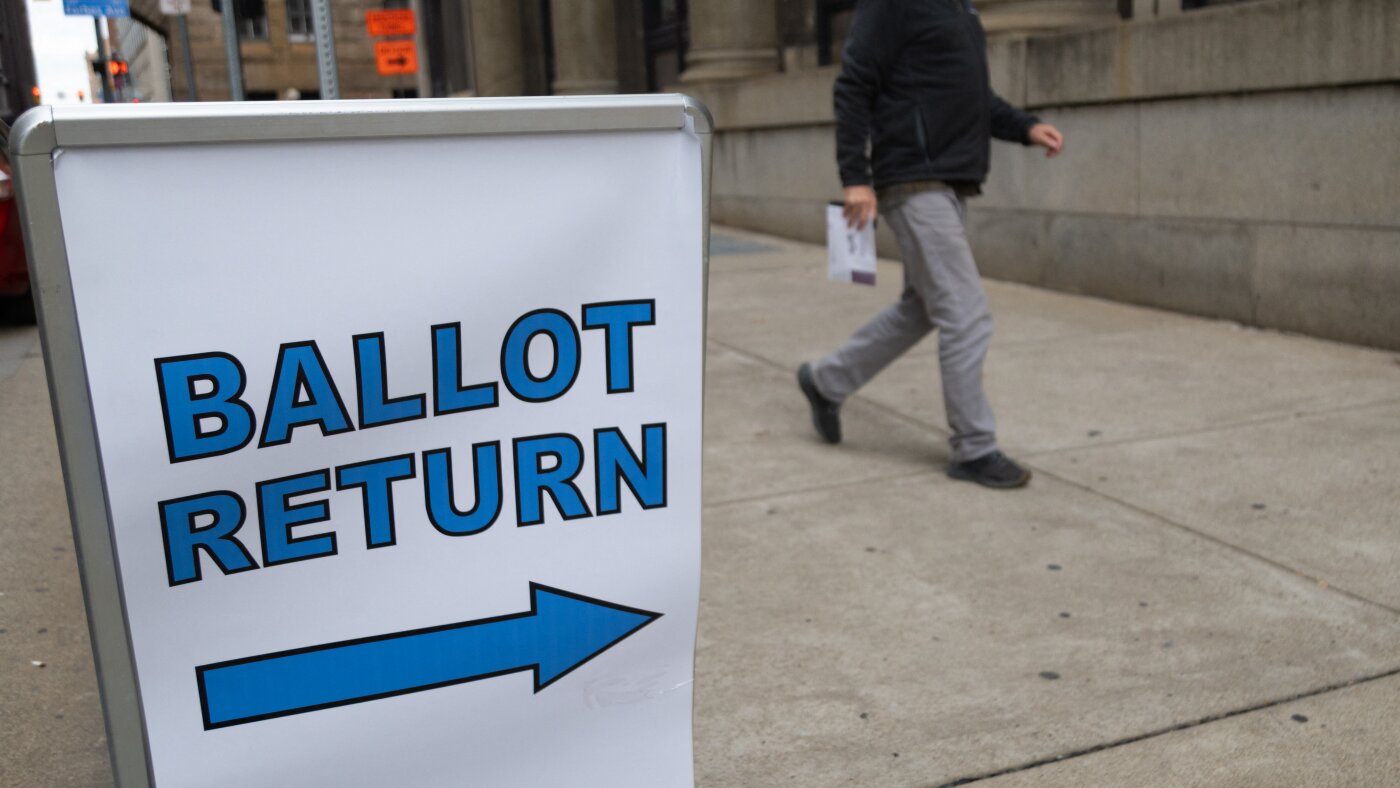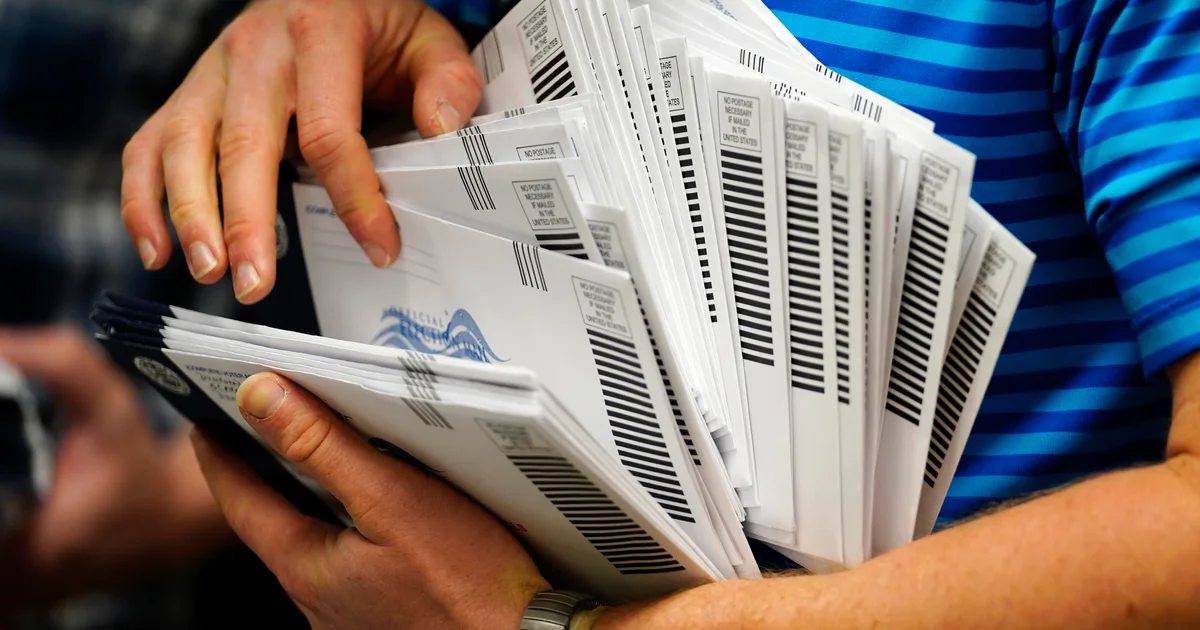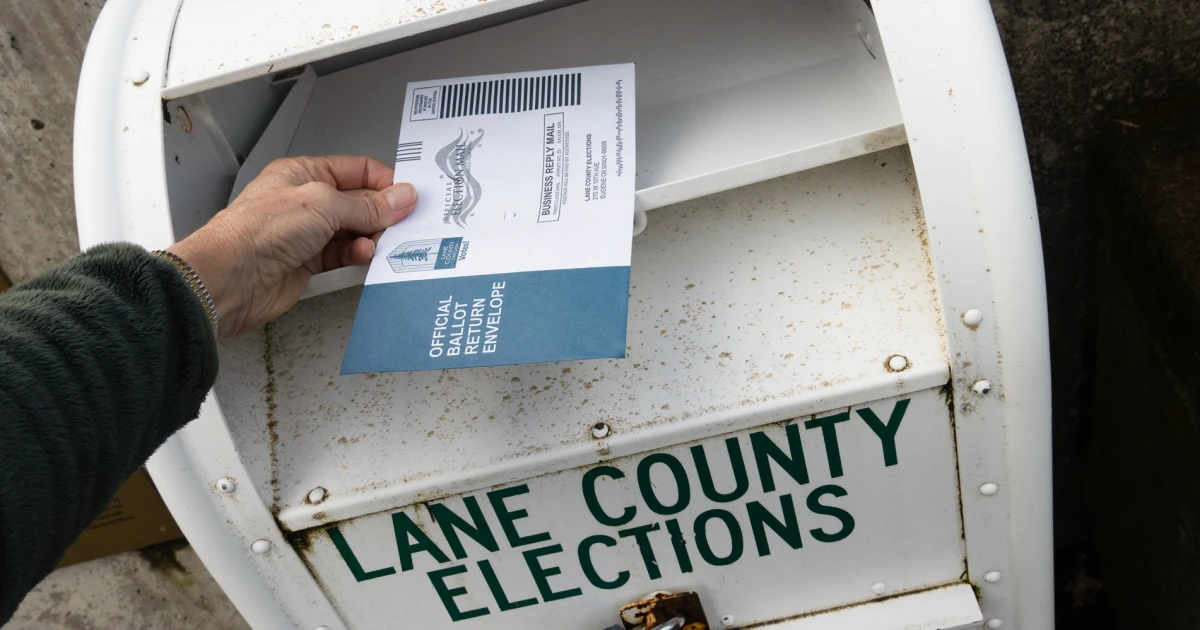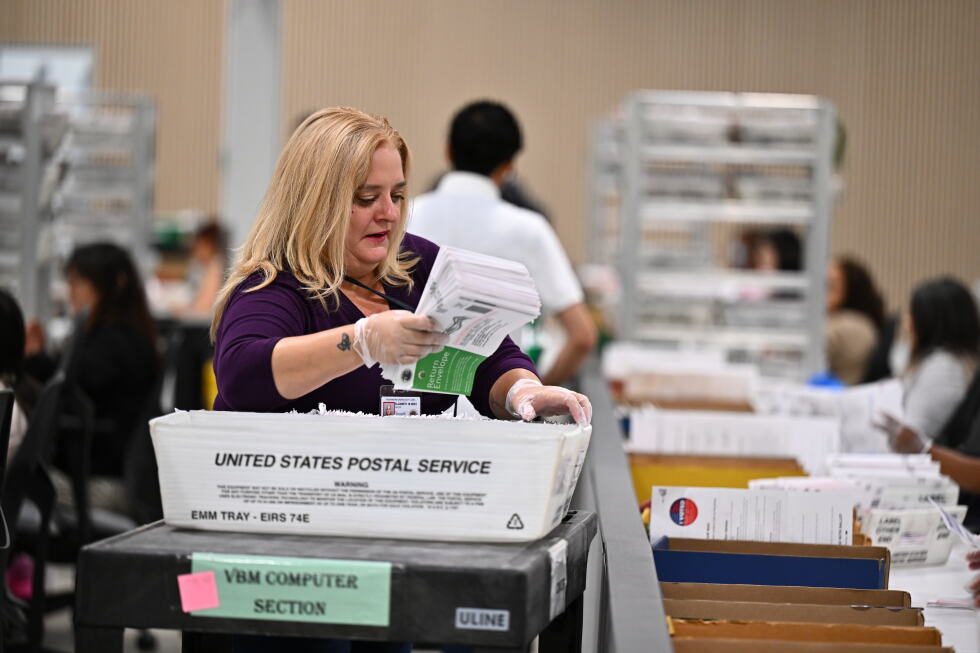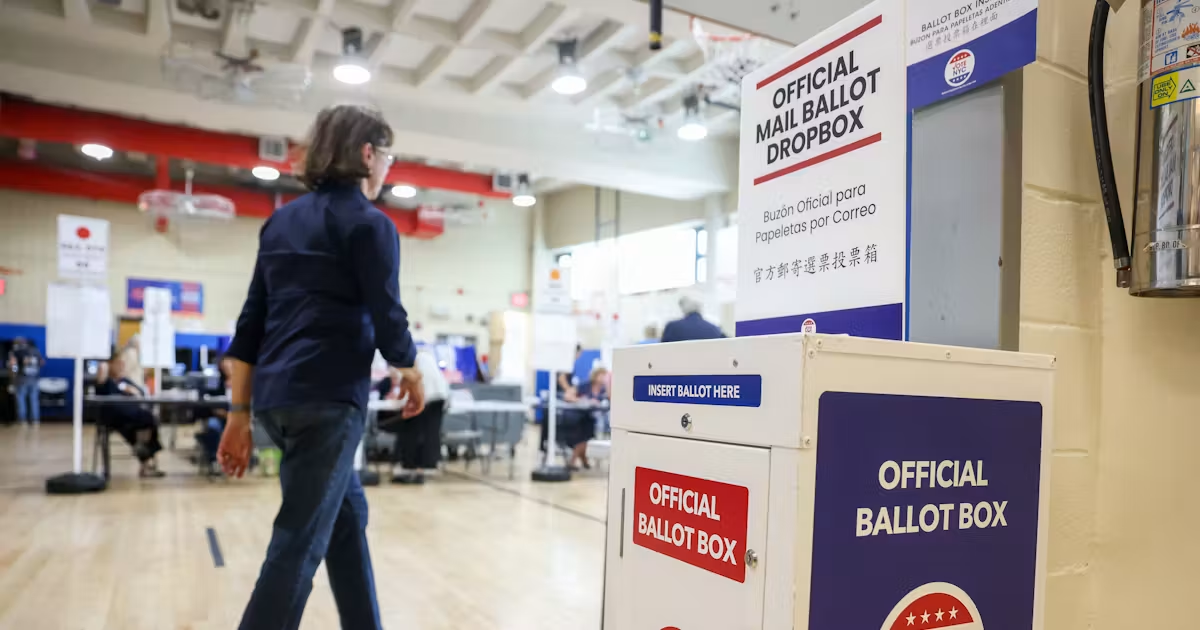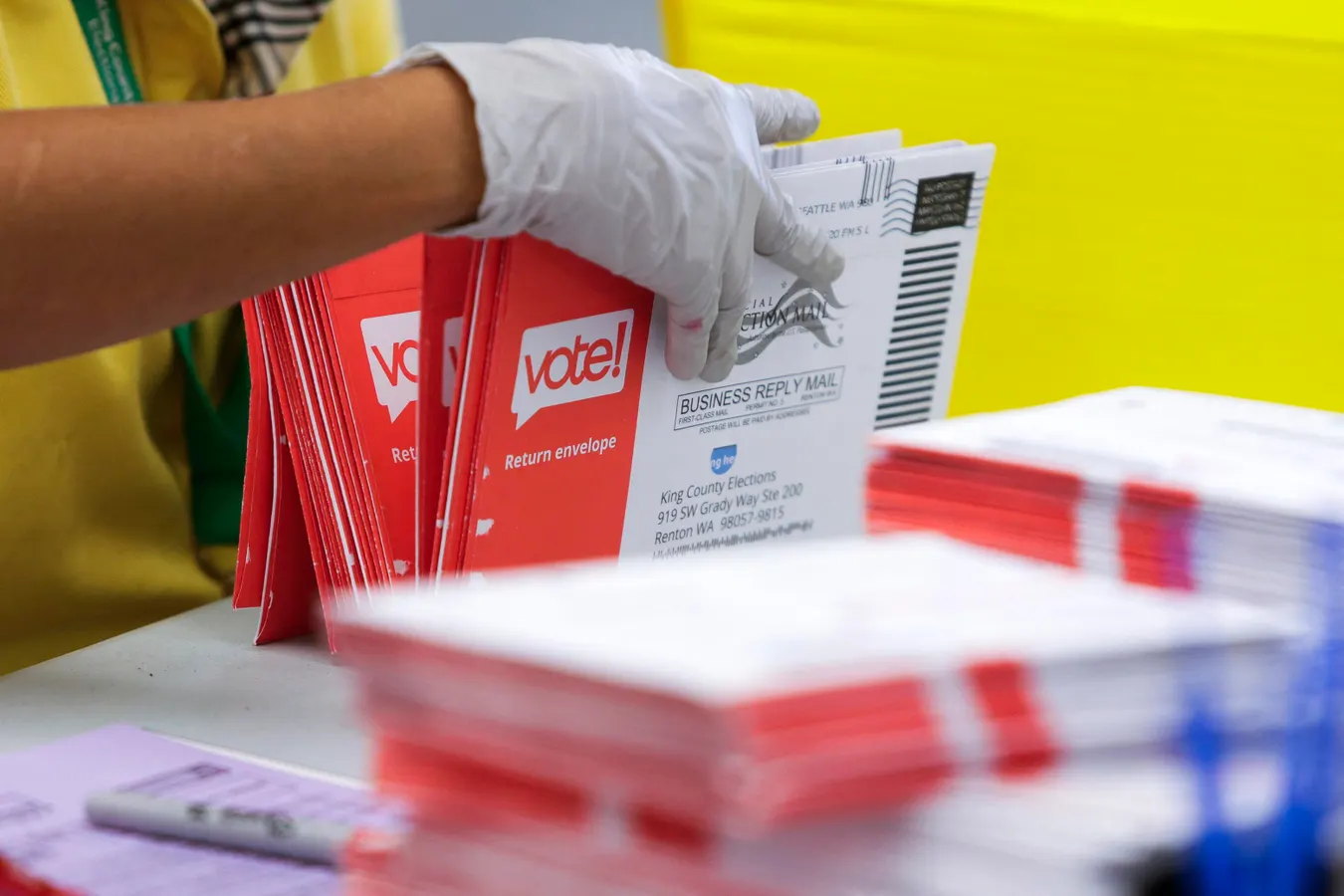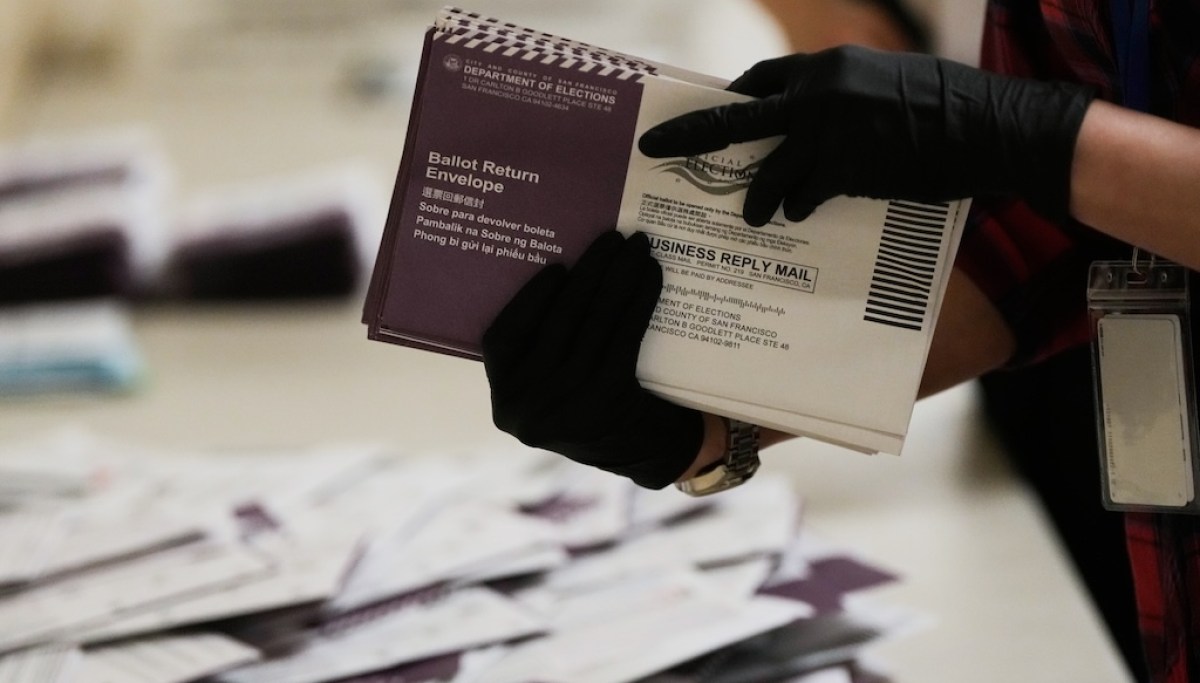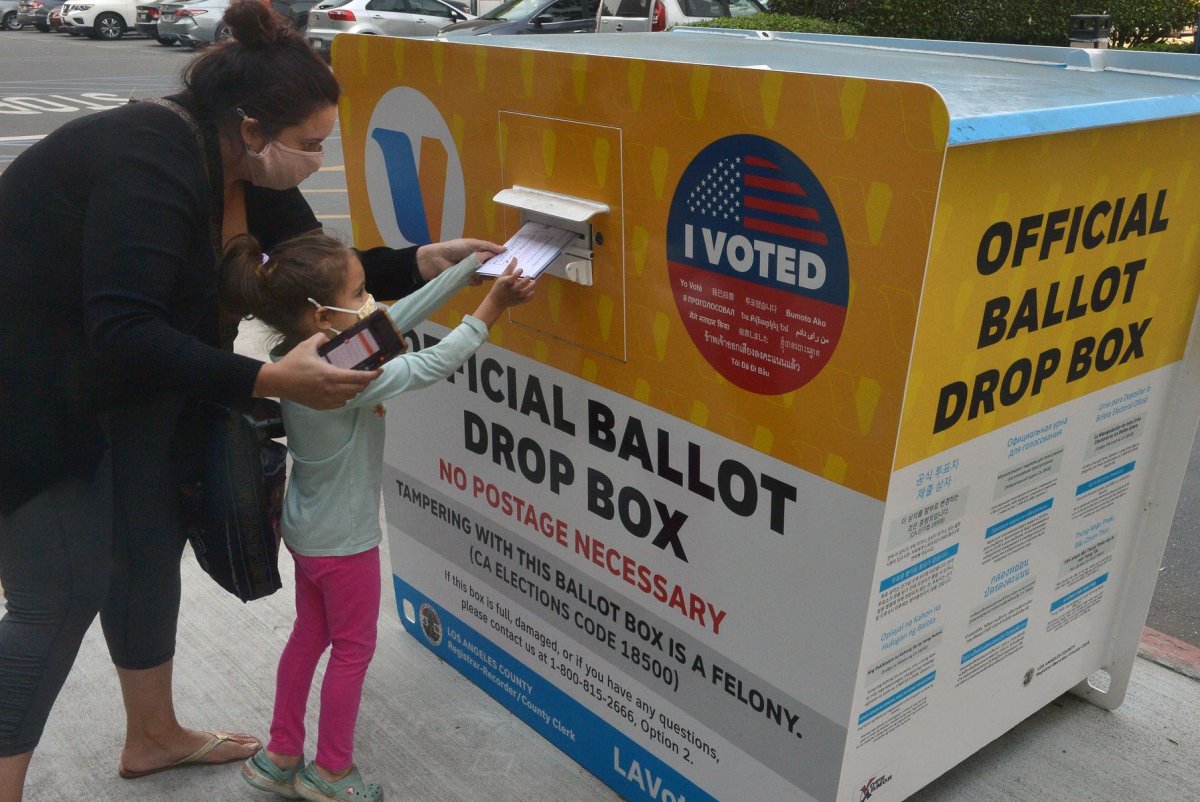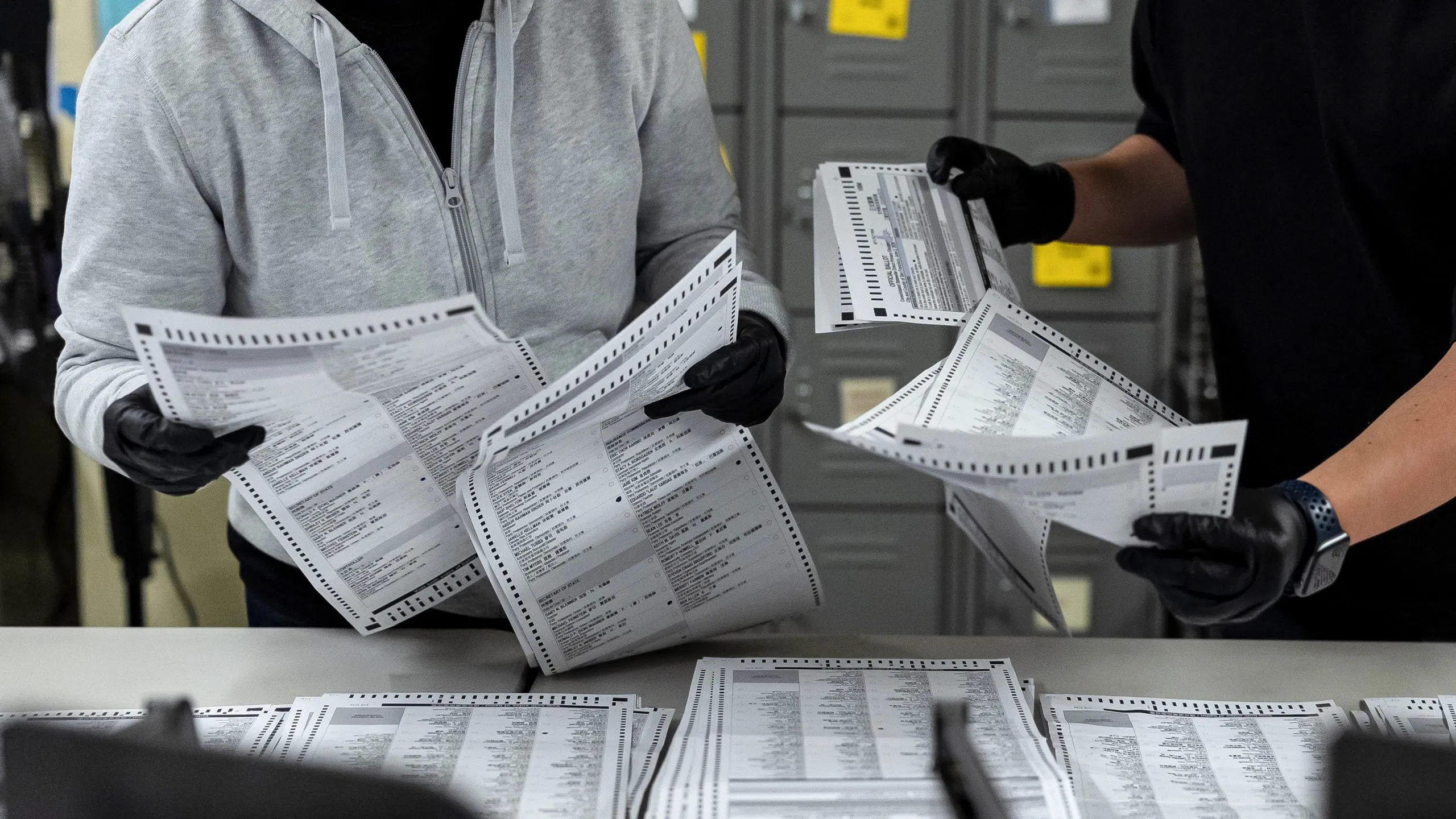
The US Supreme Court ruled that federal law permits mail-in ballots to arrive after Election Day in a decision that preserves grace periods in 30 states.
Rejecting Republican and Libertarian Party arguments on a 5-4 vote, the justices upheld a Mississippi law that allows mail-in ballots to be counted as long as they are postmarked by Election Day and arrive within five business days. The decision gives Democrats a rare victory at the conservative-controlled Supreme Court.Justice Amy Coney Barrett and Chief Justice John Roberts joined the court’s liberals in the majority. Barrett wrote in the majority opinion that as long as voters cast their ballots on election day, US law did not set a deadline for when those ballots must arrive.
The “choice is made when voting is complete, not when ballots are received,” Barrett wrote. “The election-day statutes say nothing about ballot receipt, and we cannot add to the words Congress chose.”A ruling against the law would have created a fresh source of uncertainty heading into the November election. States might have been forced to revamp their procedures and quickly educate voters about the changes. Advocates of strict deadlines said they foster confidence in election results.Justice Samuel Alito wrote in a dissenting opinion joined in large part by the court’s other conservatives that the majority’s decision “is inconsistent with the terms of the election-day statutes, contemporary election-law principles, two centuries of historical practice, and the case law on the question presented.” He warned that the ruling “creates a serious risk of further undermining public confidence in our elections and our system of self-government.”The District of Columbia and 14 states provide grace periods for all ballots and another 15 do so for military and overseas ballots only.Barrett wrote that the fact that Congress had passed another statute that empowers states to set receipt deadlines for absentee ballots from military service members and other Americans overseas “confirms that while federal law dictates when ballots must be cast, state law dictates when they must be received.”Mail ballots have been a recurring topic in recent elections, with Republicans generally arguing for strict limits and Democrats for more flexibility. Still, it isn’t clear what impact the ruling will have in November given the GOP increasingly depends on voters who use mail ballots. Mail voting accounted for 30% of the turnout in the 2024 election, according to the US Election Assistance Commission.President Donald Trump has crusaded against mail ballots, claiming they lead to widespread fraud despite studies and court decisions rejecting such claims. Trump is separately seeking to implement an executive order that would prohibit the US Postal Service from delivering ballots unless senders are on a government-created list of supposedly eligible voters. Trump himself voted by mail this year in a special election in Florida.In a social media post Monday, Trump said the ruling means it is “more important than ever” for Congress “to pass the SAVE AMERICA ACT,” which would require all voters show photo identification and proof of citizenship, as well as bar mail-in ballots with a few exceptions. “There is no excuse for a politician, or otherwise, to be against the above three requirements. There is only one reason to oppose — CHEATING!”A federal judge in Boston recently blocked Trump’s executive order this year seeking to impose new rules on mail voting in federal elections.Mississippi