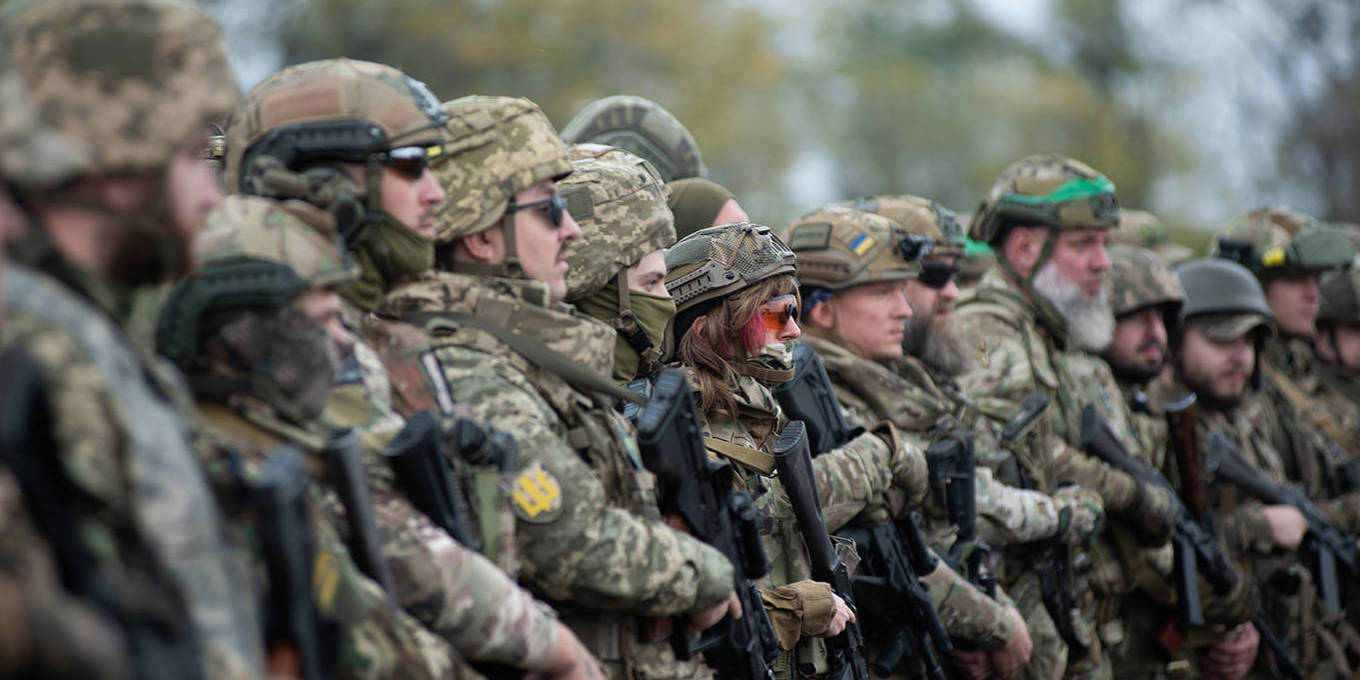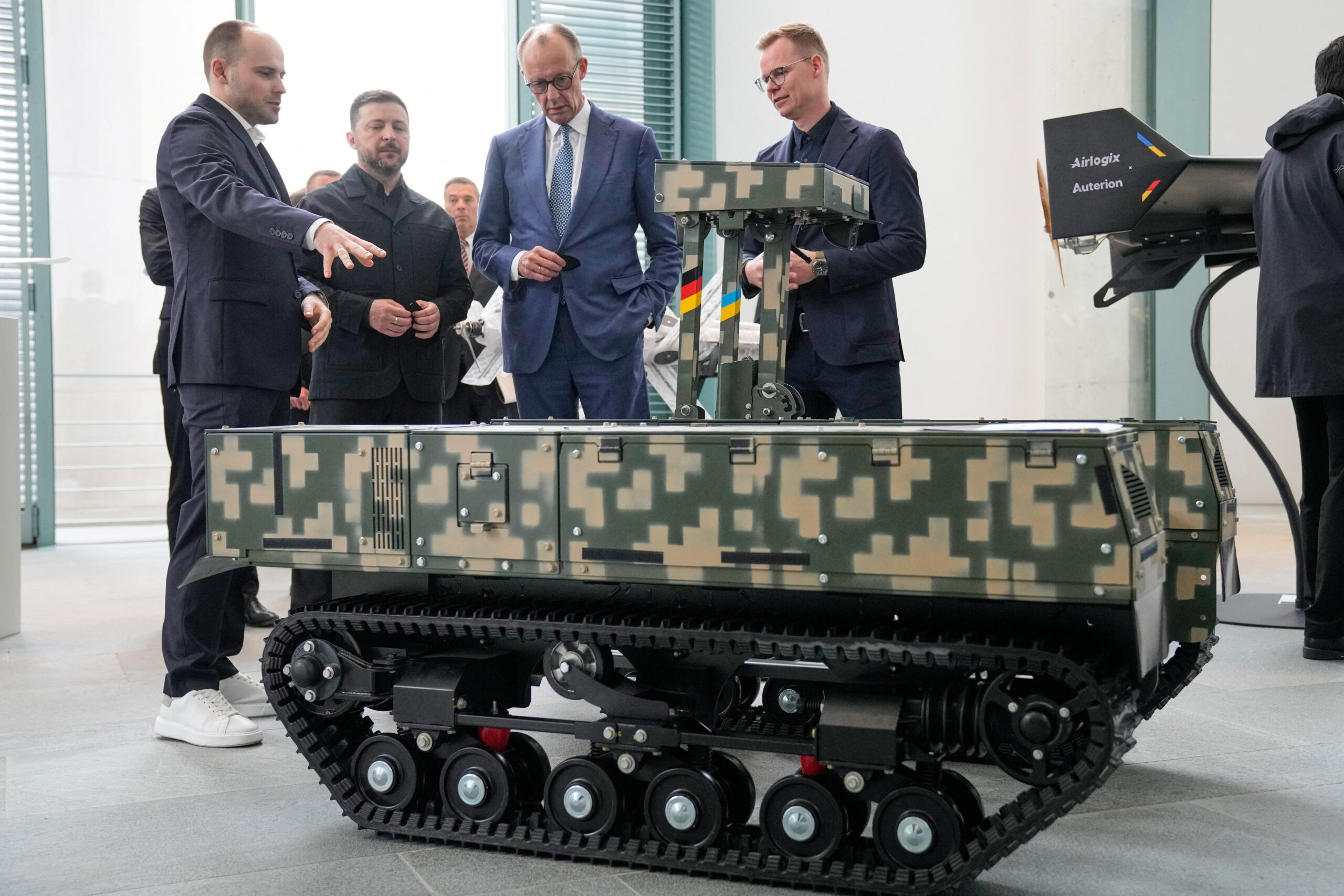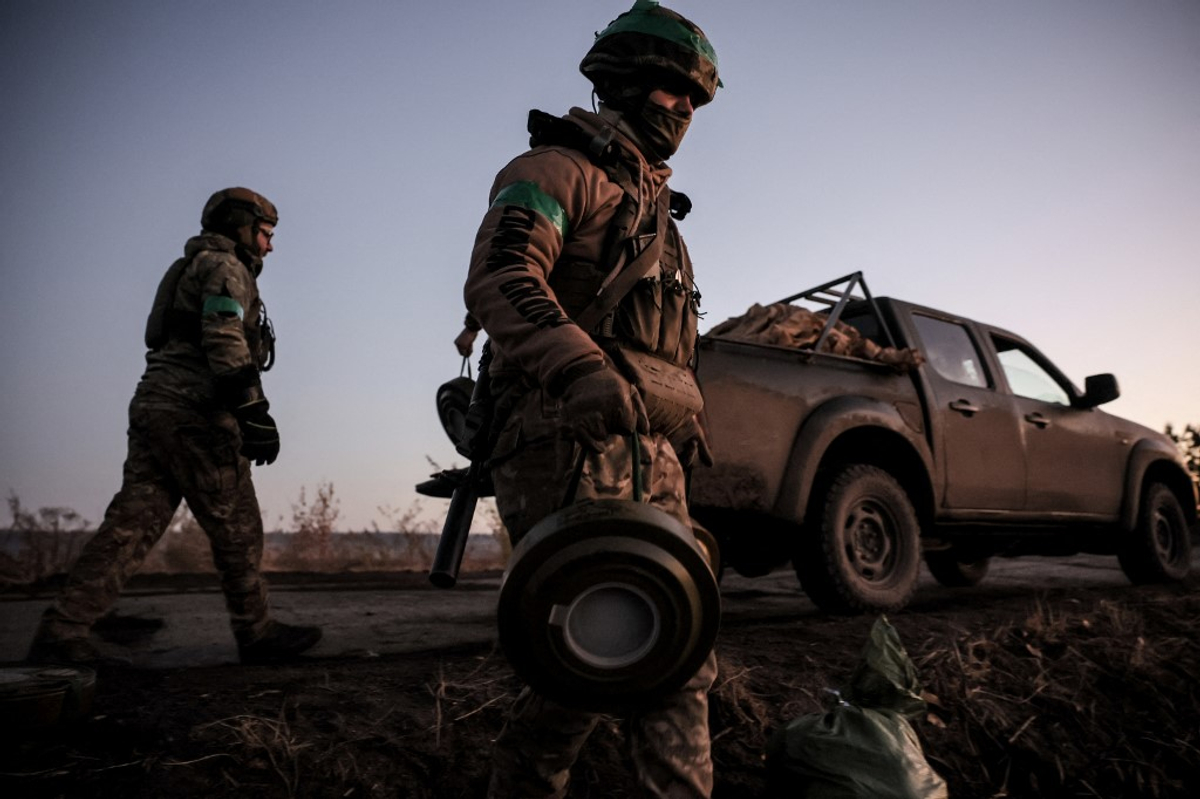
Europe is preparing for its future security with little or no help from the United States. And in many such scenarios that European planners are now gaming out, Ukraine emerges as the linchpin of the continent’s defense. The weaker Washington’s security guarantee becomes, the more Europe needs Kyiv. Soon, Europeans will have to confront an entirely new burden-sharing question: What must they offer Ukraine for its help shielding Europe from Russia?
Until recently, European leaders could barely disguise their dread at the prospect of another acrimonious NATO summit, set to take place in Ankara in early July. The wounds are still raw from recent trans-Atlantic fights—including over U.S. President Donald Trump’s tariffs, his attempts to coerce Denmark to hand over Greenland, and recent U.S. troops withdrawals from Europe. Trump’s war against Iran and his accusations that European allies were insufficiently supportive of their principal security guarantor added to these wounds. This month, U.S. Secretary of State Marco Rubio ominously warned: “I think the next meeting of NATO … is probably the most important meeting in NATO’s history because there are some things here that need to be cleared up and fixed.”