Can a European-led coalition really provide credible security guarantees? Past examples are not encouraging
A
fter an unusual August of geopolitical summitry, the reality is sinking in that Europe is on its own in defending Ukraine’s sovereignty and hence its own security against Russian aggression and cannot count on much support from the United States.
The sense of strategic loneliness in an increasingly brutal global power contest follows a summer of submission in which the EU accepted a manifestly unbalanced trade deal imposed by Donald Trump and pledged improbably large investments in the US while European Nato members promised to boost their defence spending to an aspirational 5% of gross domestic product – all to appease Trump in hopes of keeping the US engaged in European security.
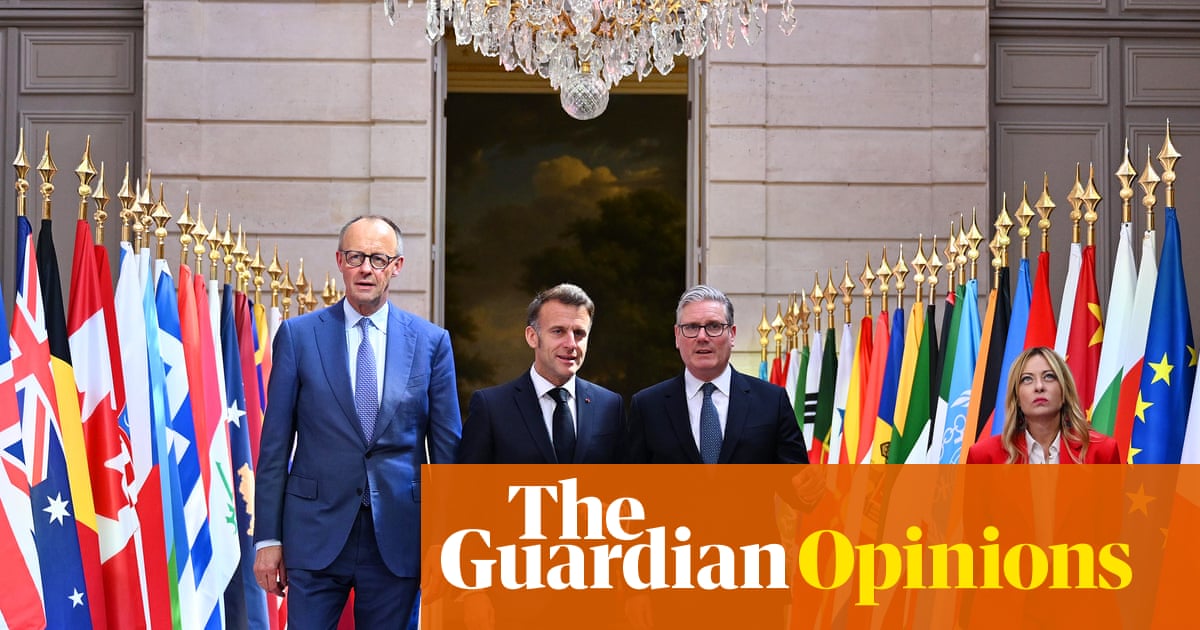
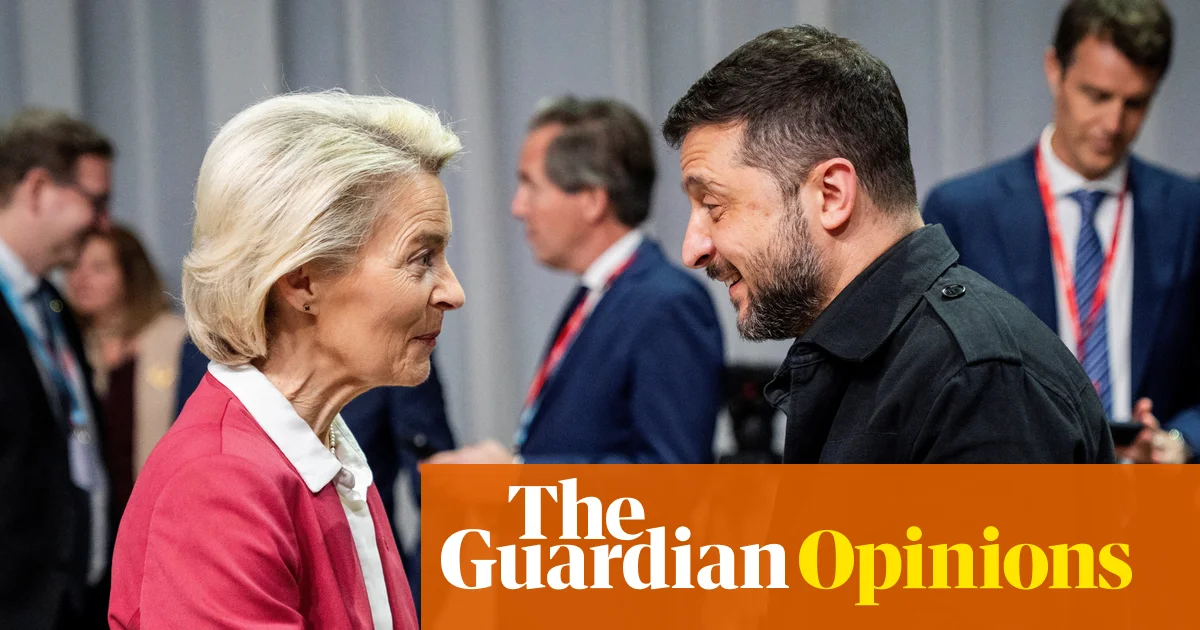
To be sure, it could have been worse. By accompanying the Ukrainian president, Volodymyr Zelenskyy, to the White House last week, the leaders of Britain, France, Germany, Italy, Finland and the European Commission displayed their unity in rejecting Vladimir Putin’s demands for territorial concessions to end the war, which Trump had come close to echoing. They managed to mitigate some of the political damage caused by Trump’s red-carpet welcome for the Russian president in Alaska and secured a vague pledge from Trump that the US would provide some support to a European-led security force for Ukraine in case of a ceasefire agreement.