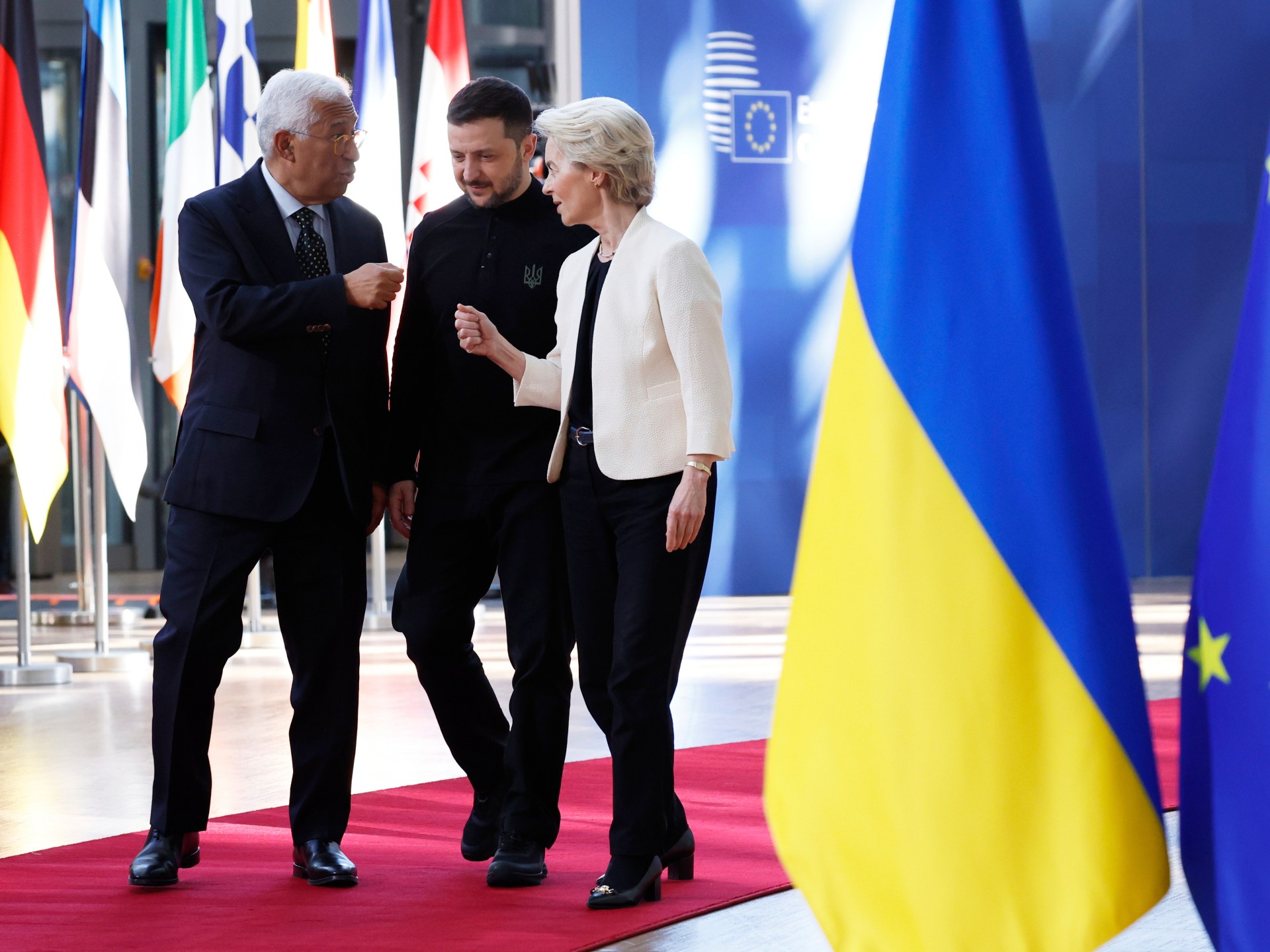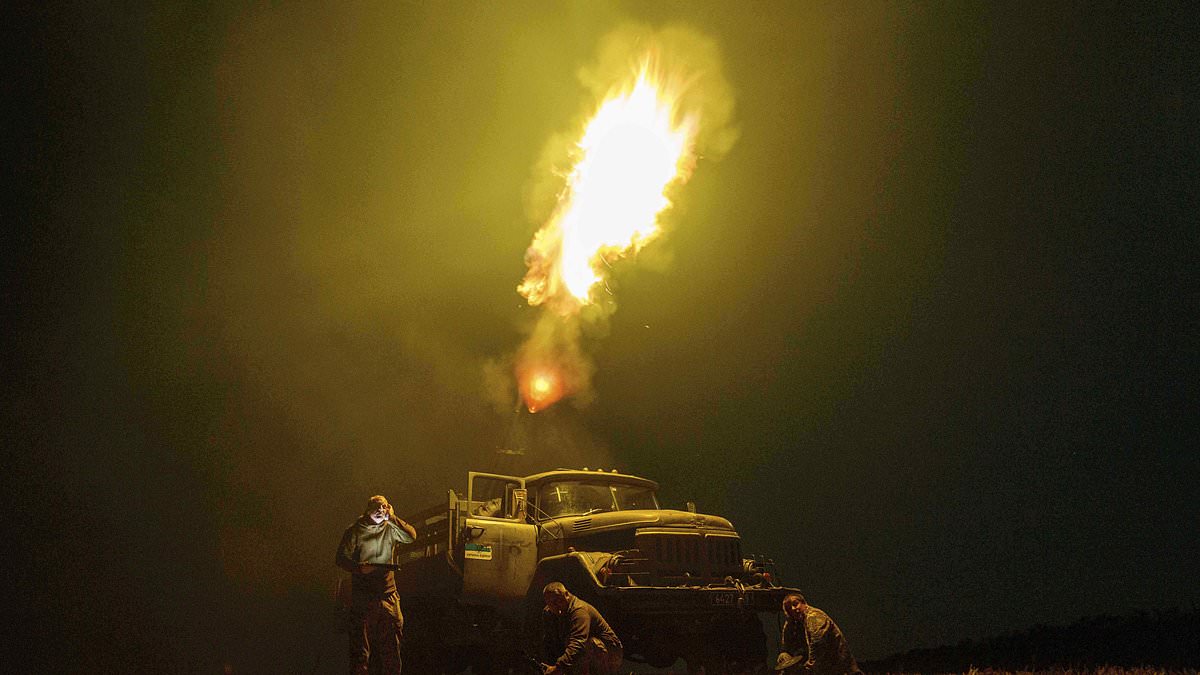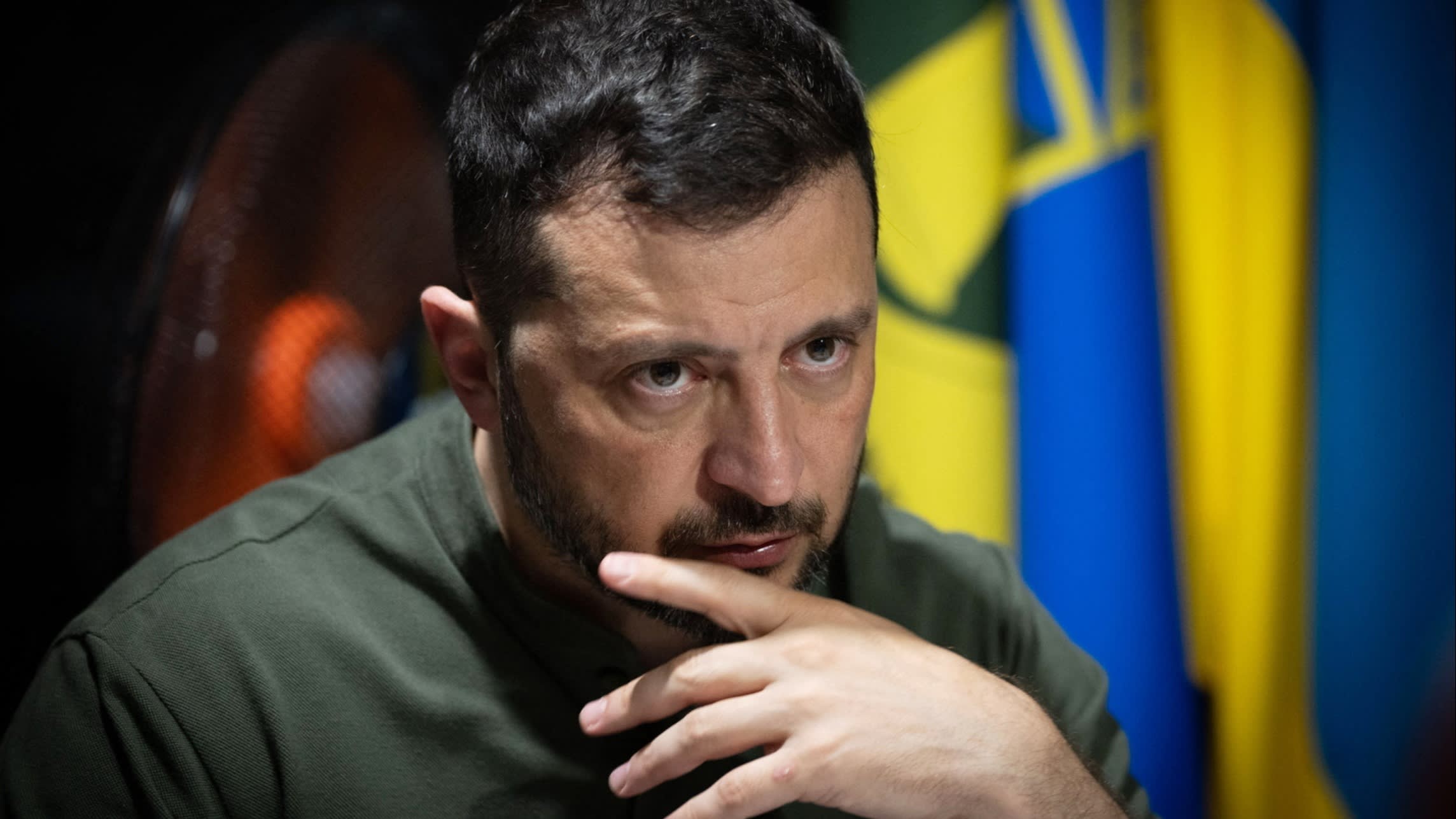
Any deal made in Ukraine’s absence will carry no legitimacy. On a matter also fundamental to its own security, Europe must assert itself
I
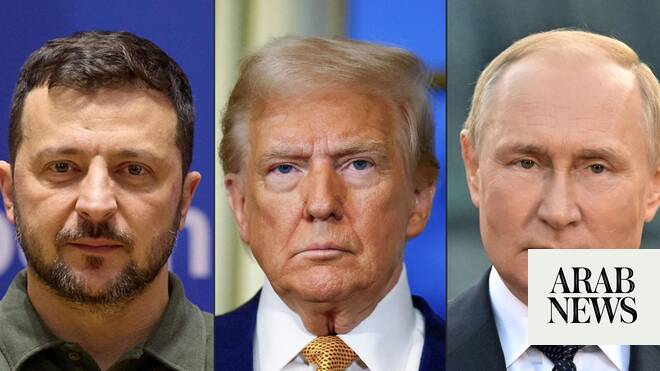
n recent weeks, as Russia continued its assault on Ukraine in frank disregard of White House deadlines and demands, there was hope in Kyiv and European capitals that the scales might finally be falling from Donald Trump’s eyes. Last month, Mr Trump noted that although his conversations with Vladimir Putin repeatedly led him to believe that a ceasefire deal was in reach, the Russian president then routinely went on to “knock down a building in Kyiv”. More bluntly, he has accused Mr Putin of stringing him along with “bullshit”.
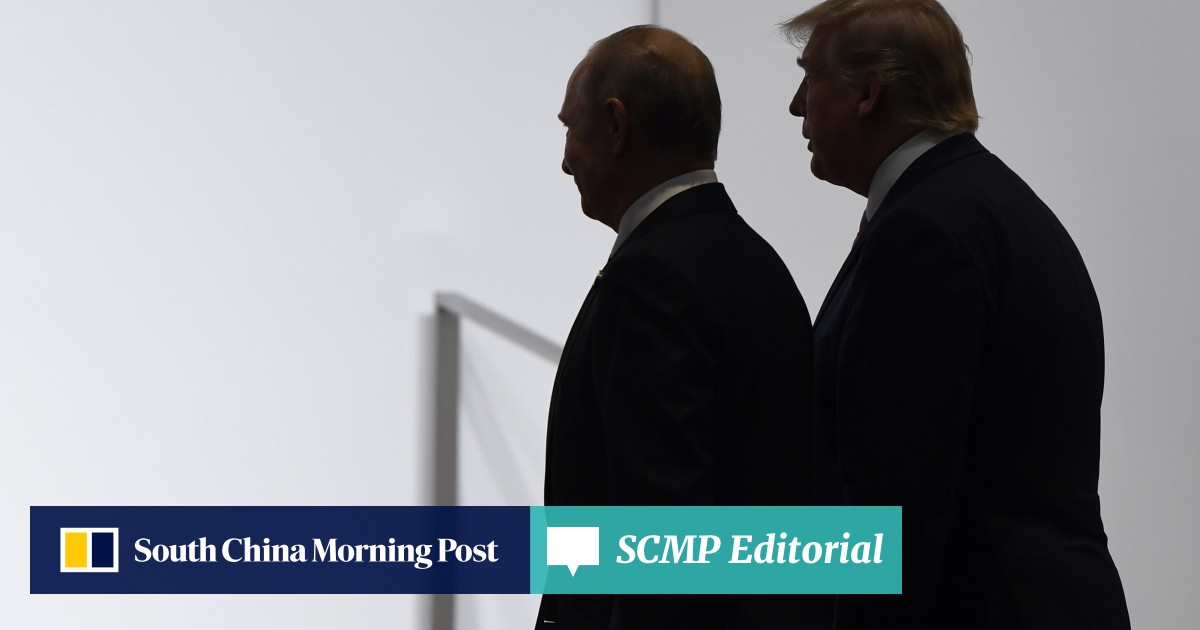
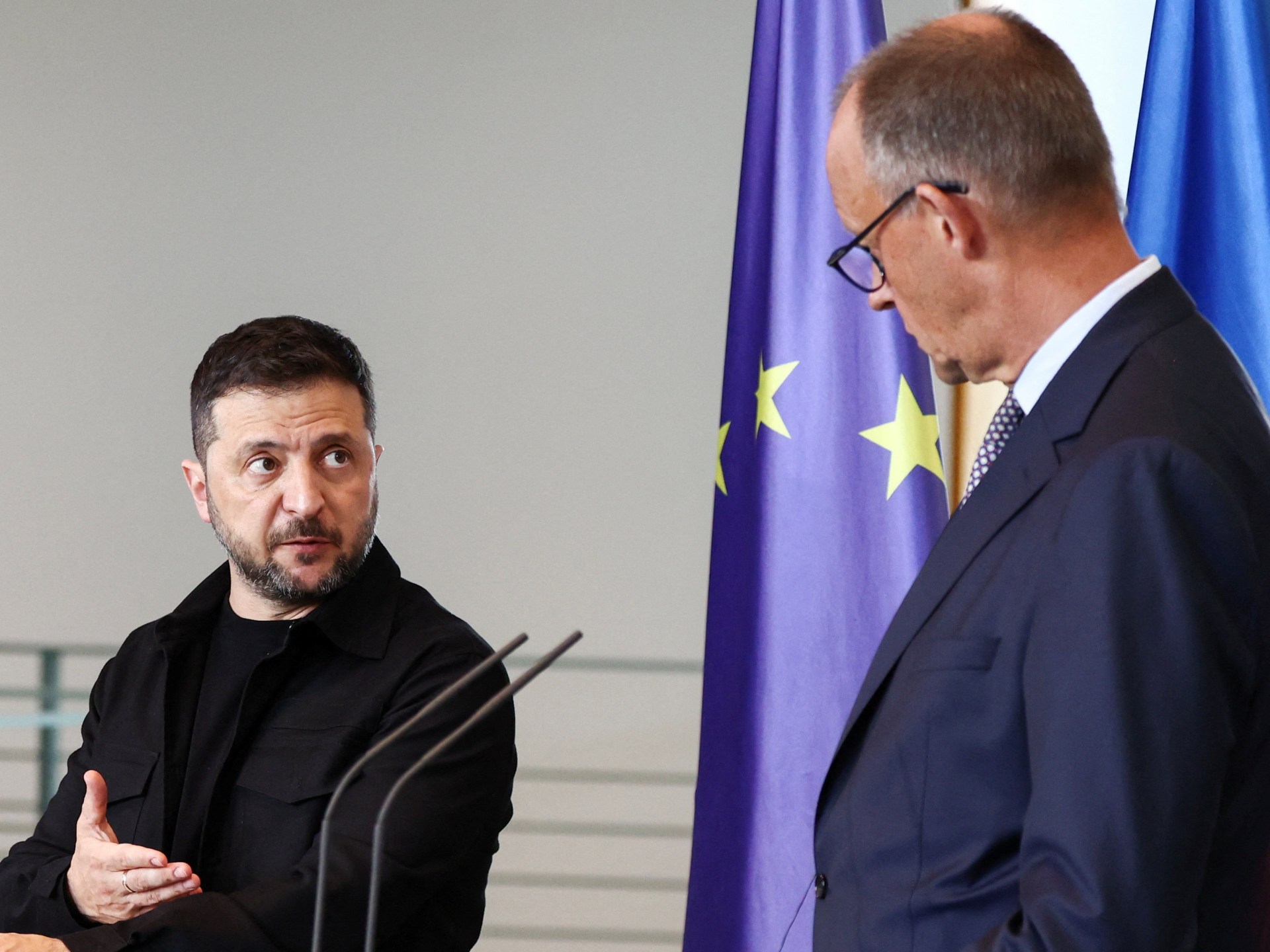
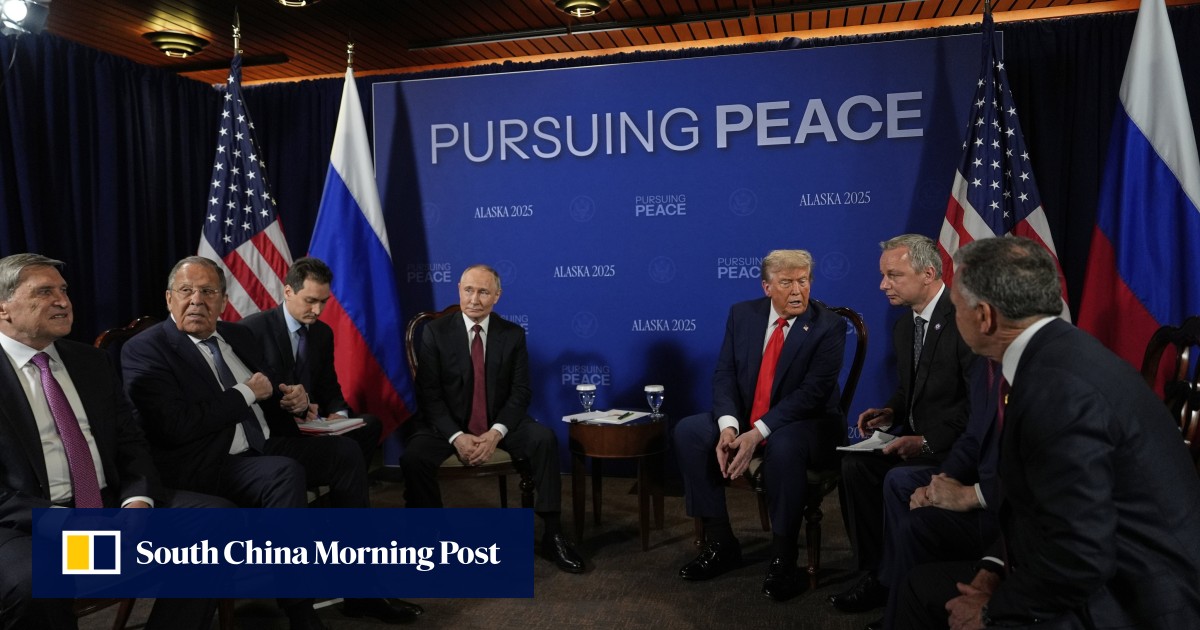
It was ostensibly on those grounds that the US president set an 8 August deadline for Mr Putin to agree to a peace deal with Ukraine, on pain of “significant” sanctions. Yet instead of being punished for ignoring this injunction too, Mr Putin has been rewarded with a summit with Mr Trump in the United States, and apparently allowed to veto any suggestion that Volodymyr Zelenskyy should also attend.
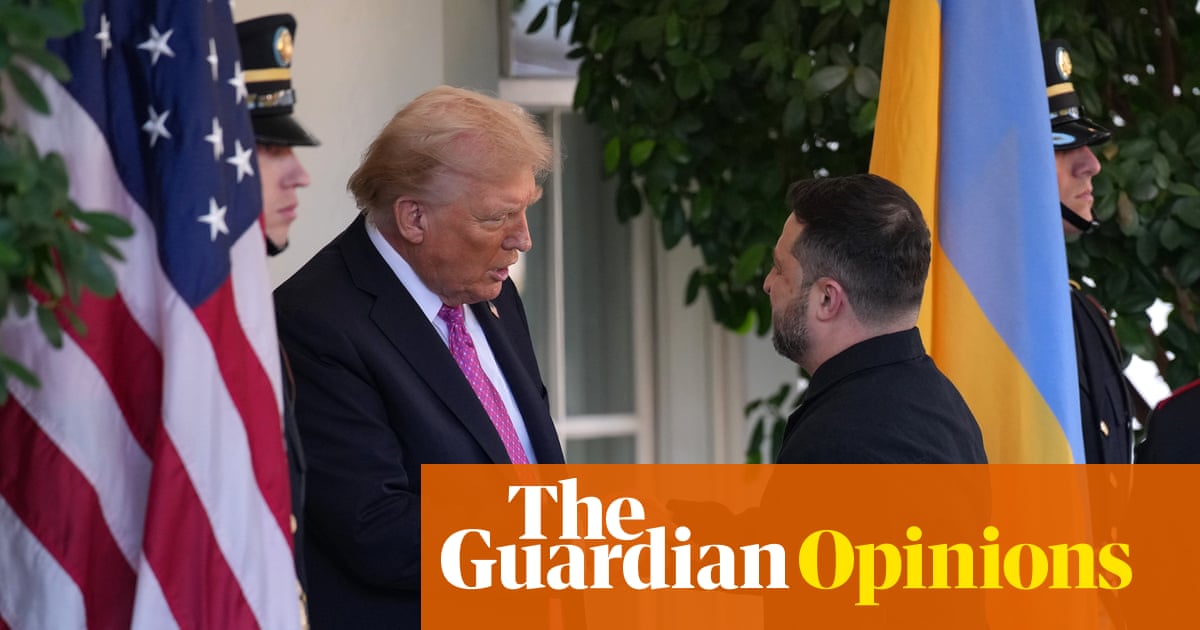
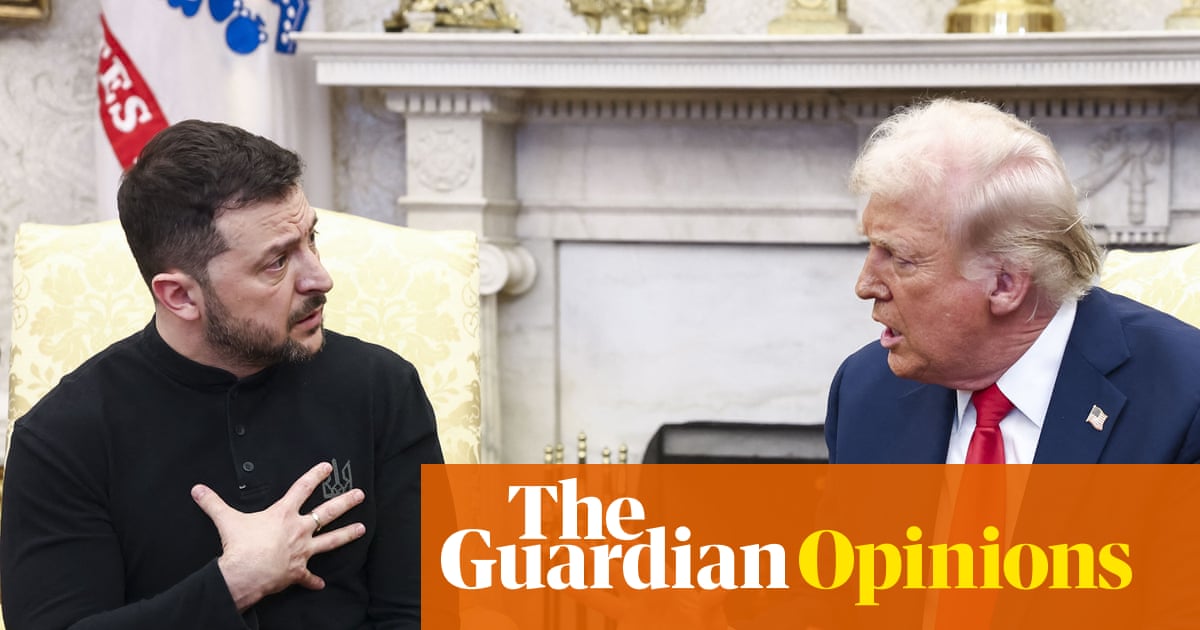
Suddenly, and alarmingly, it feels a little like February again, when Mr Trump and his vice-president, JD Vance, treated Mr Zelenskyy with outrageous disrespect in the White House, and appeared disposed to pursuing a peace agreement on Mr Putin’s terms. There are conflicting accounts of discussions between Mr Putin and the US presidential envoy, Steve Witkoff, last week. But there is no evidence that Mr Putin has any intention of compromising on his maximalist goals in Ukraine, including the annexation of eastern regions, demilitarisation and the abandoning of Ukraine’s aspiration to Nato membership.