In Washington, European leaders helped steer the US president away from his embrace of Vladimir Putin’s talking points. But for how long?
T
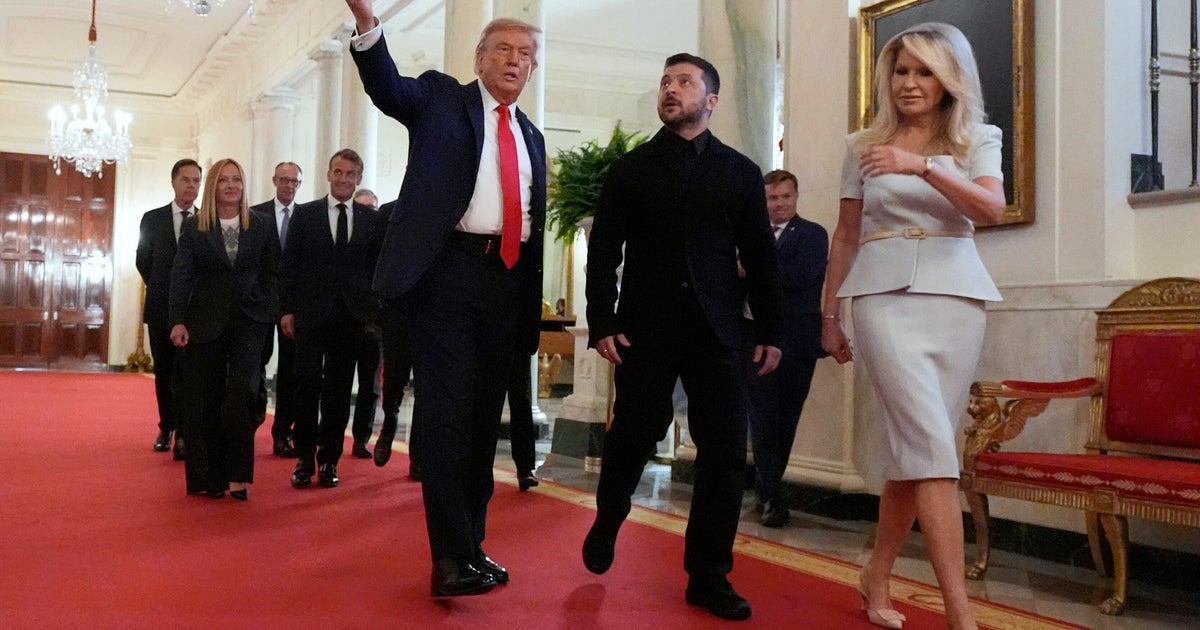
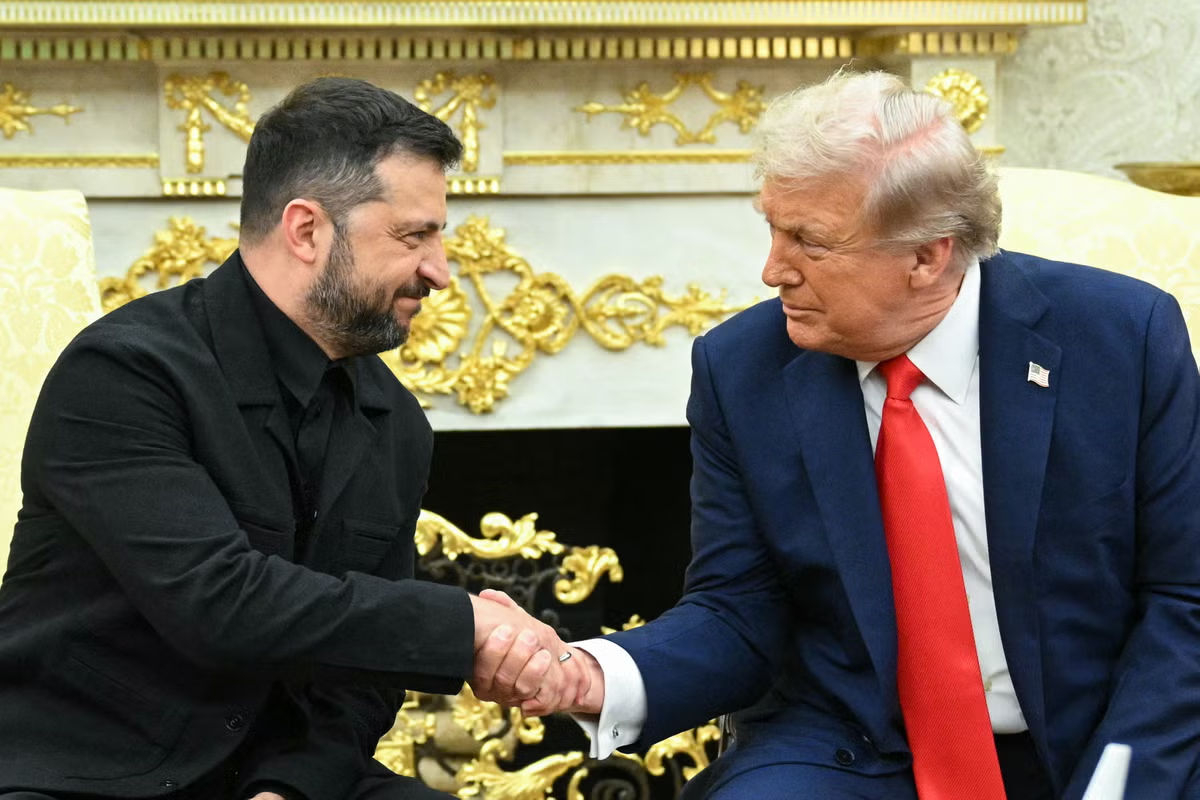
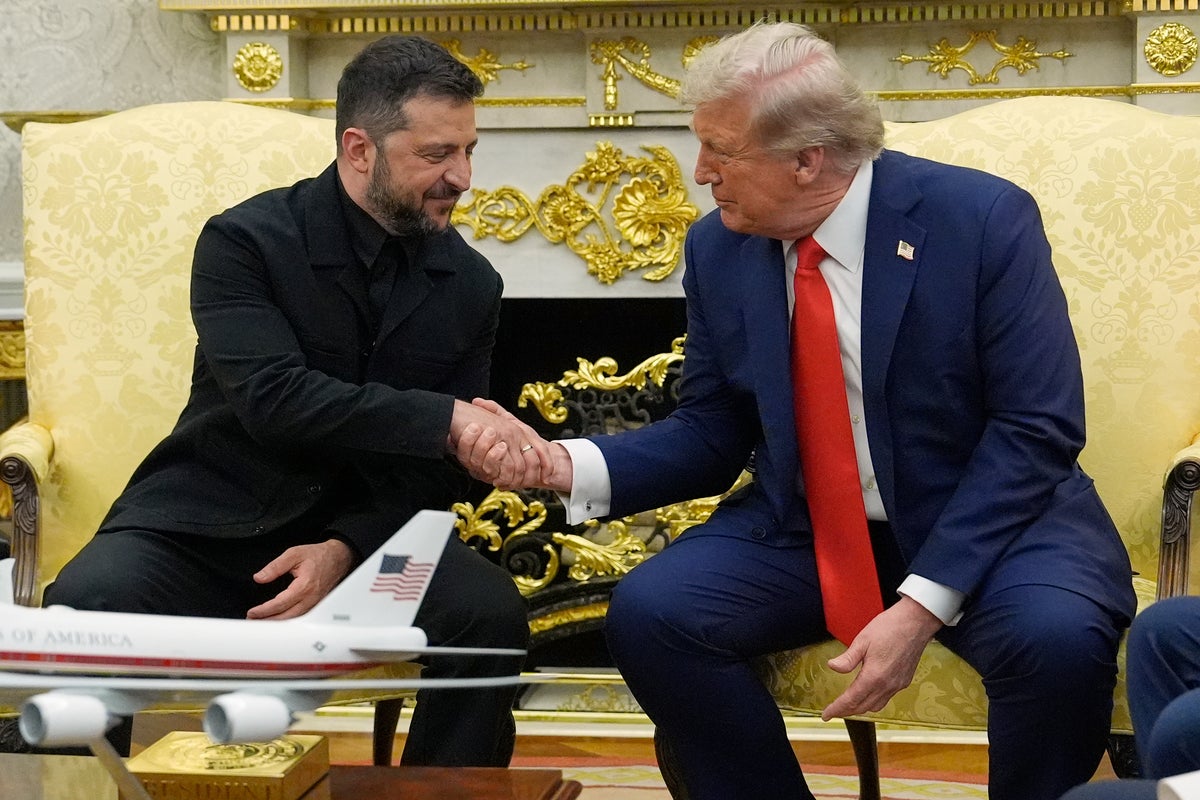
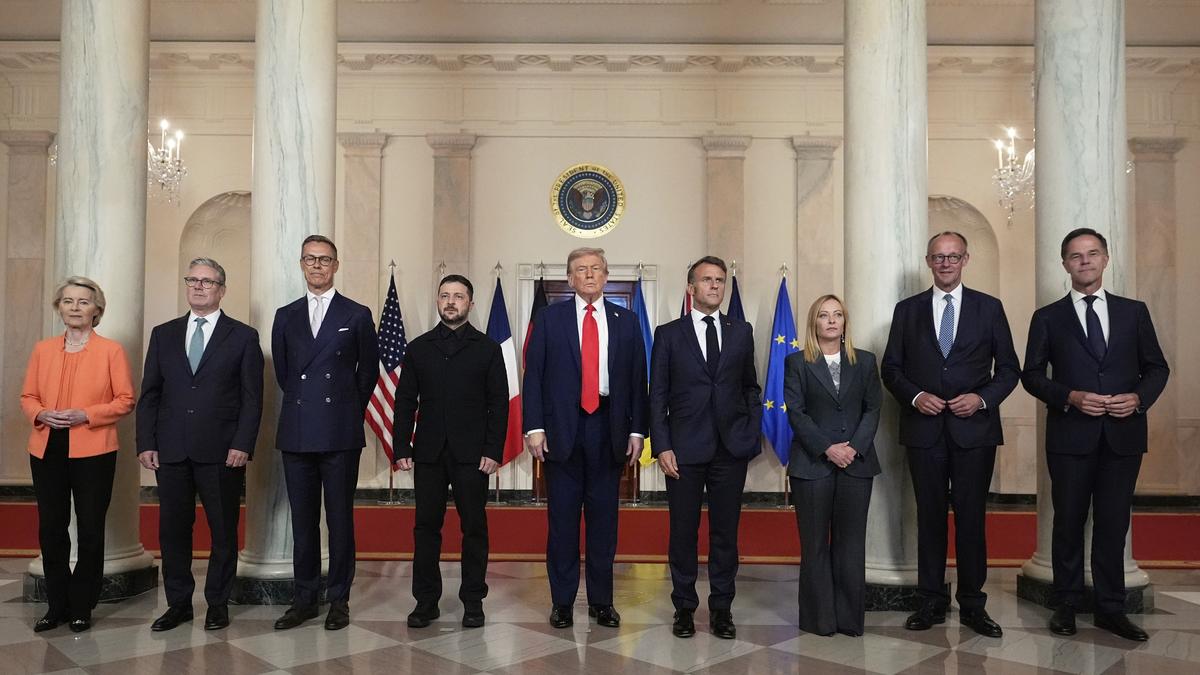
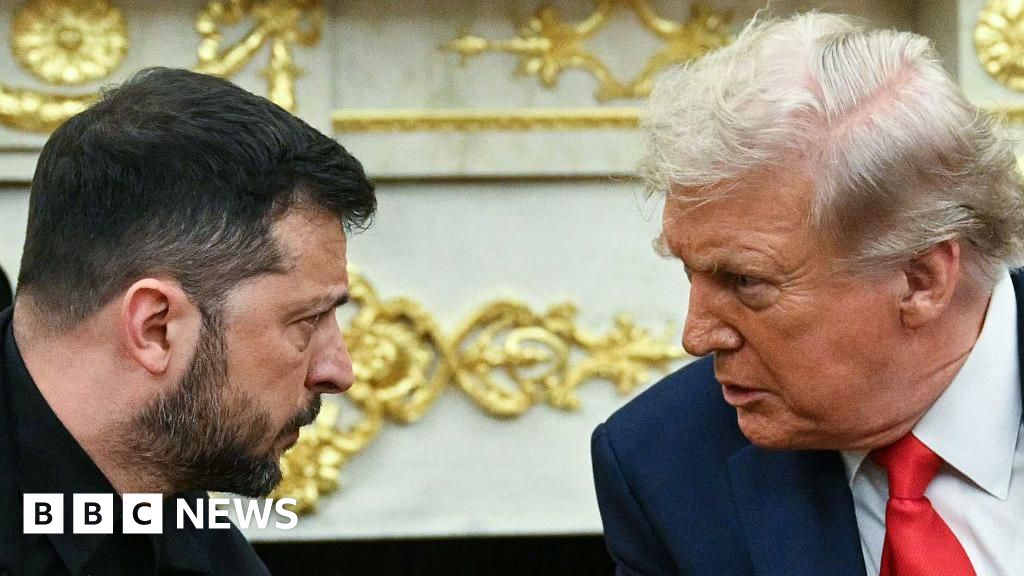
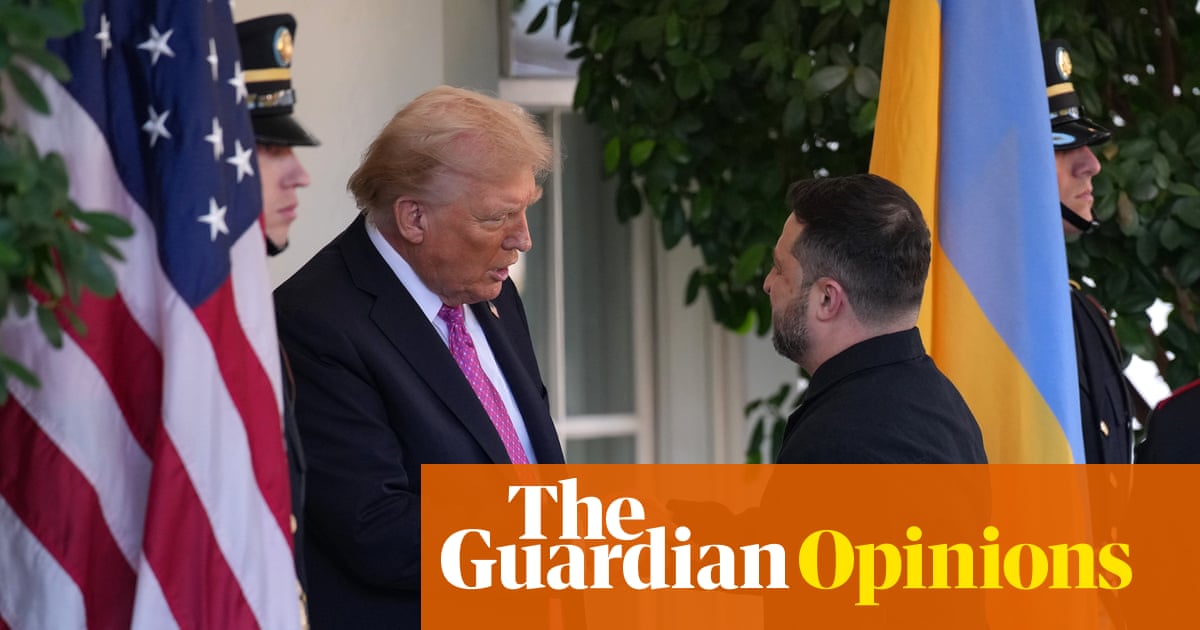
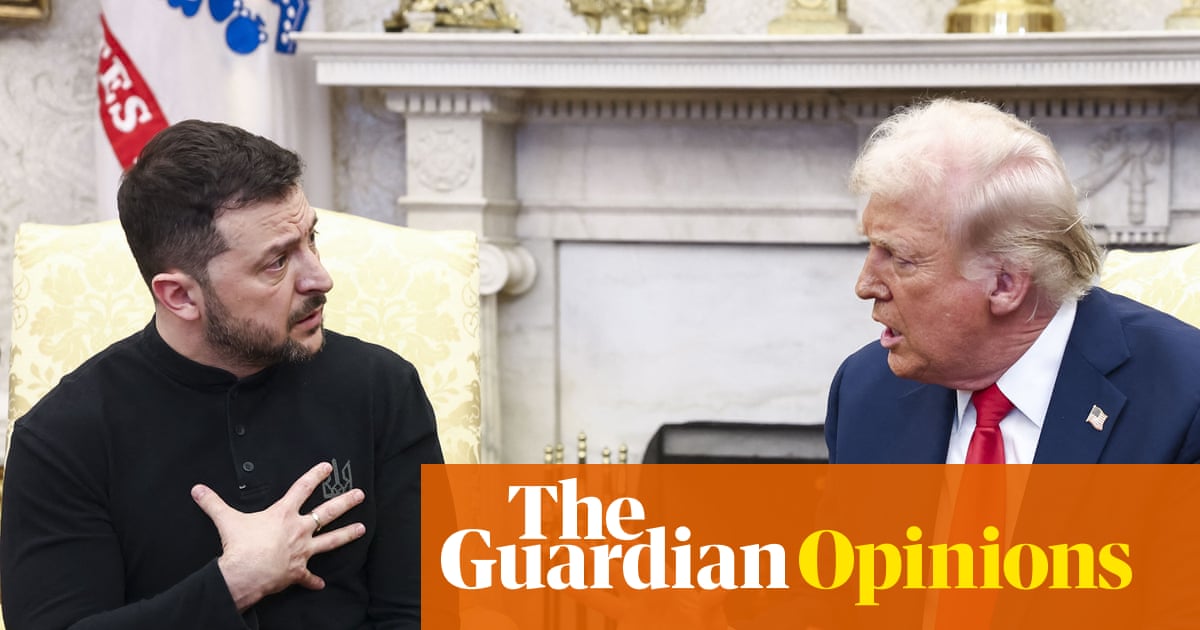
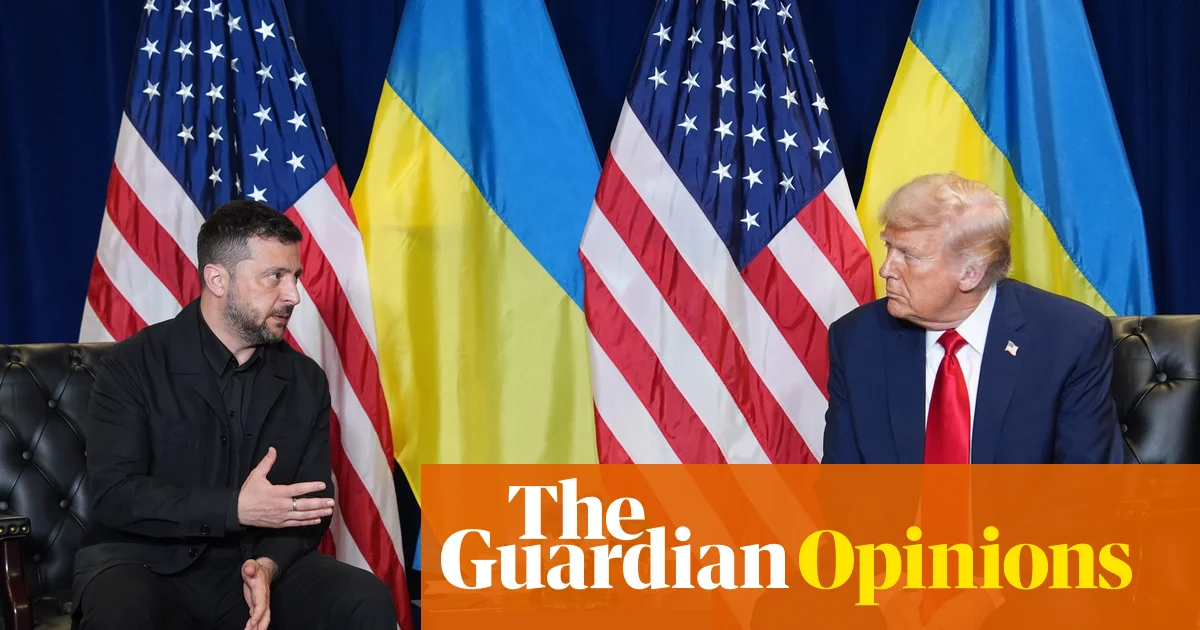
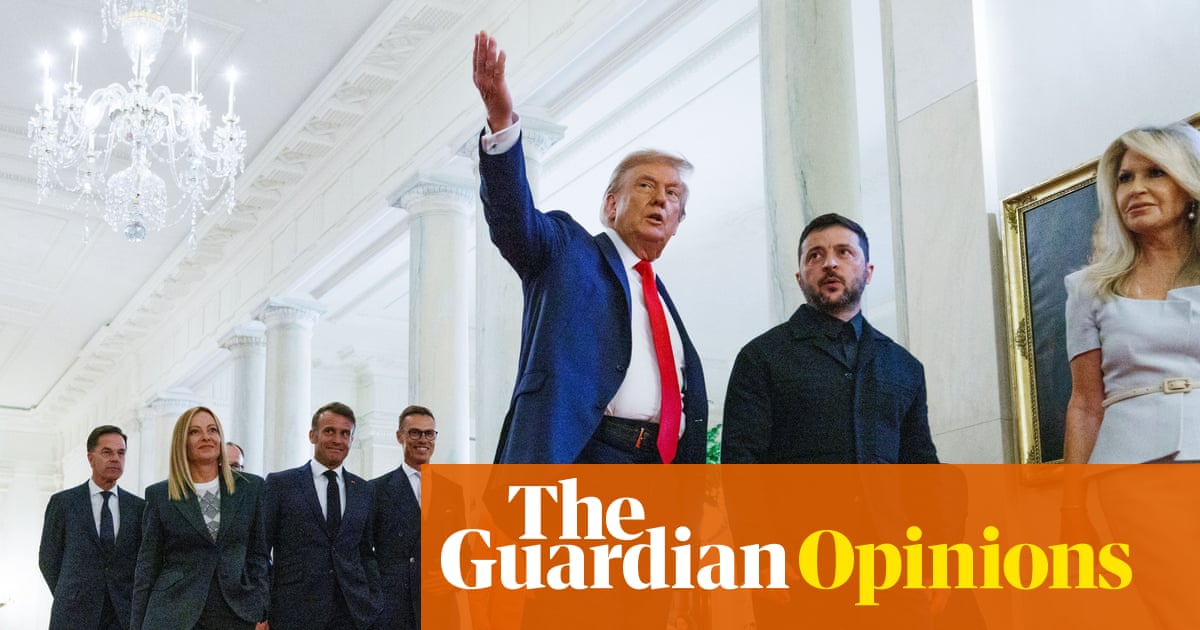
he verdict on Donald Trump’s meeting with Volodymyr Zelenskyy and other European leaders on Monday depends entirely upon the metric used. The great fear was that this might prove a disaster along the lines of the US president’s dressing down of the Ukrainian leader in February – a scenario so plausible that Sir Keir Starmer, Emmanuel Macron, Friedrich Merz and other key European leaders dropped everything to dash to the White House themselves in support.
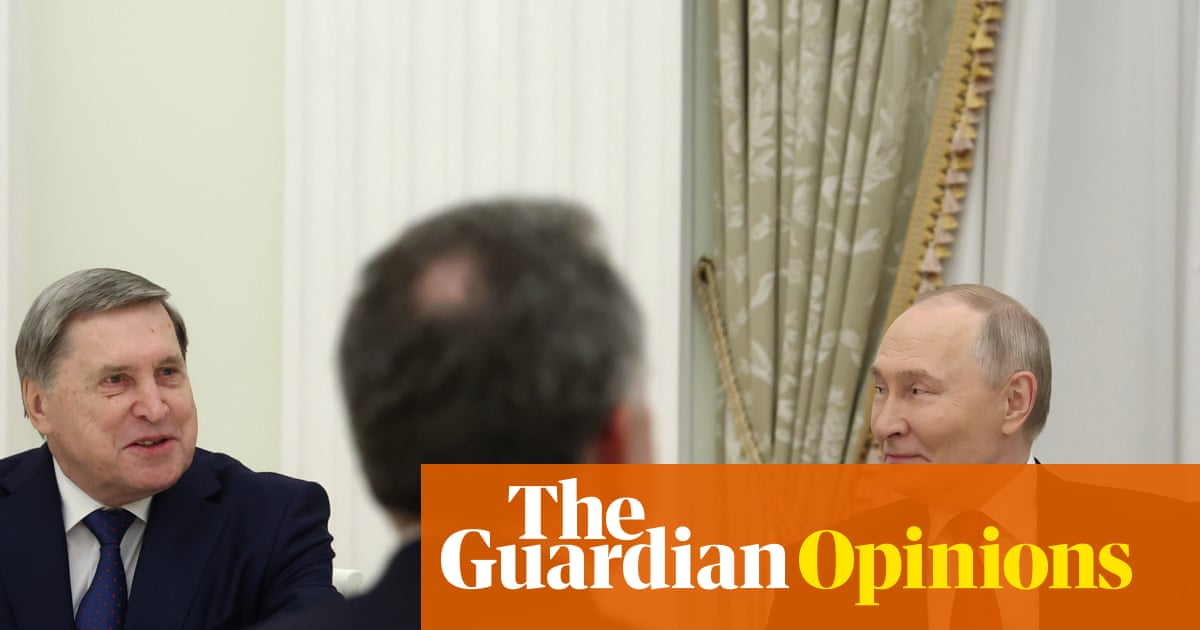
Following his red carpet welcome for Vladimir Putin in Alaska on Friday, Mr Trump reportedly backed the idea that Ukraine should hand over the Donbas to achieve a peace deal. Even if one were naive enough to think that the Kremlin would see that as an end to conflict, rather than a staging post for a later offensive, it would not be a “land swap” but a land grab that Ukraine – for good reason – could not stomach. Kyiv would be handing over territory that Moscow has spent years attempting but failing to seize.
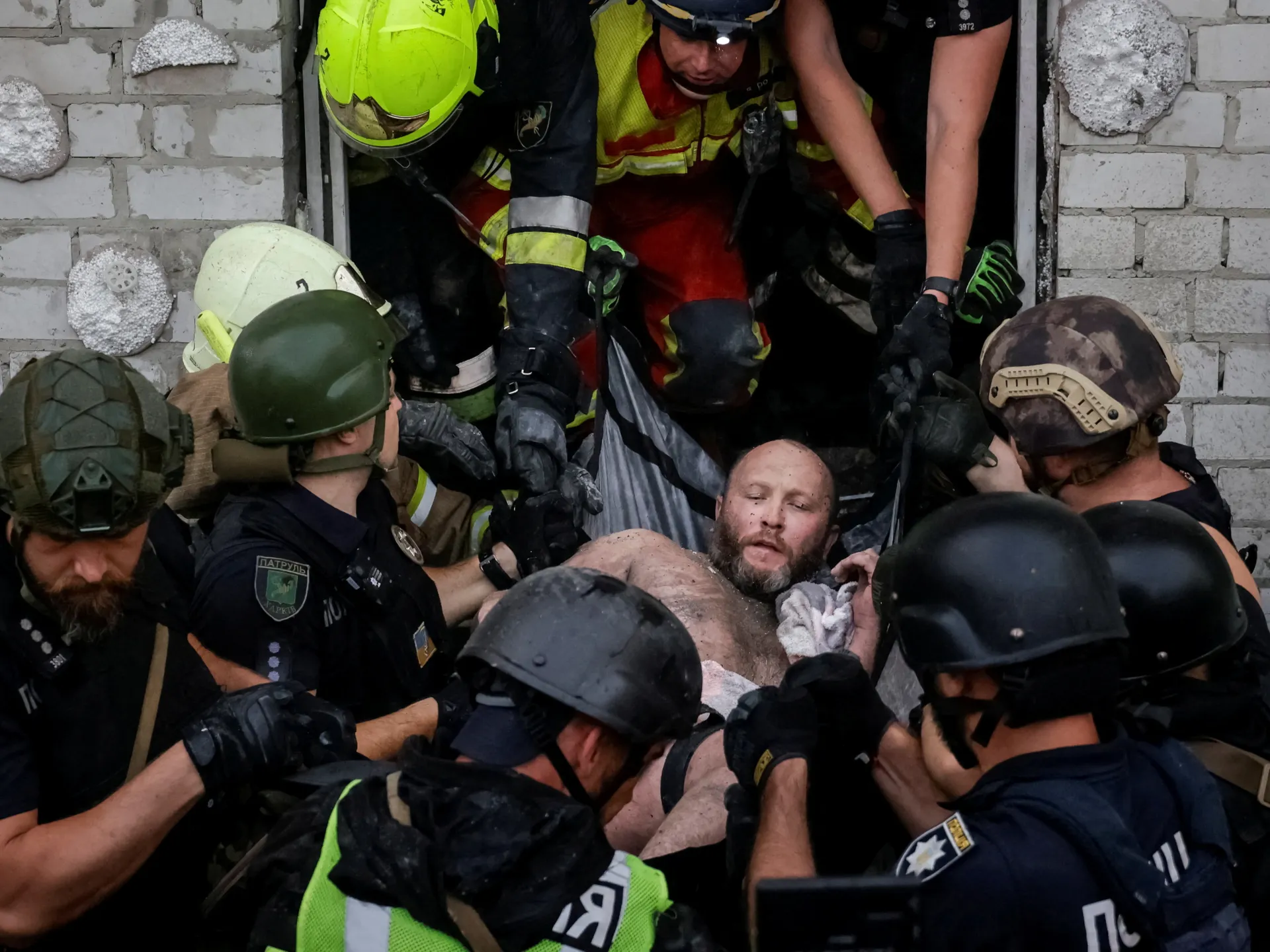
On the basis of those meetings’ precedents, there was cause for some relief after the Washington talks: it could have been much worse. Yet judged by the standards of conventional diplomacy, let alone Ukraine’s needs, it was alarming. Last month, Mr Trump threatened tough sanctions against Russia. En route to Alaska, he warned that there would be “very severe consequences” if there wasn’t a ceasefire that day. Yet on Monday, with Ukrainian civilians under intense Russian attack, he said there was no need to stop the fighting while a deal is agreed.