Washington’s betrayal of its allies has been averted for now, but preparations must be made for a world where its support cannot be relied on
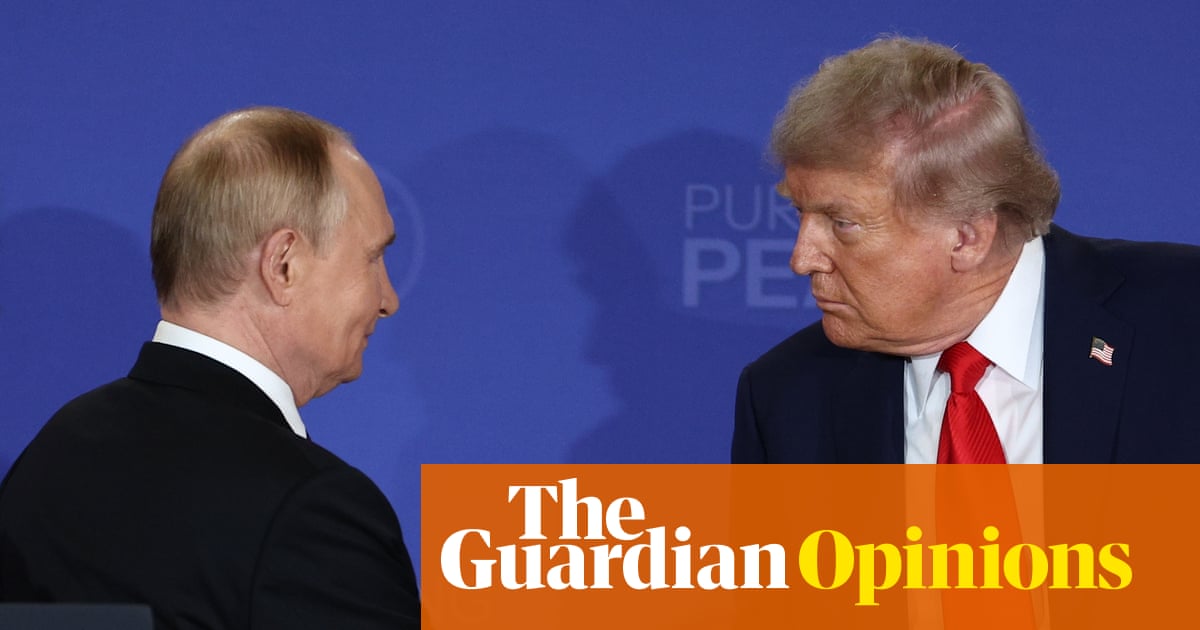
onald Trump’s desire to end the war in Ukraine might be sincere, but his motives are selfish. He wants the glory of having brokered a deal and does not care whether it is fair or not. As for Vladimir Putin, he only wants peace on terms that achieve things which the Russian army has failed to manage with force. The Kremlin demands territory not yet won on the battlefield and limitations to Ukraine’s capacity to act as a fully sovereign state.
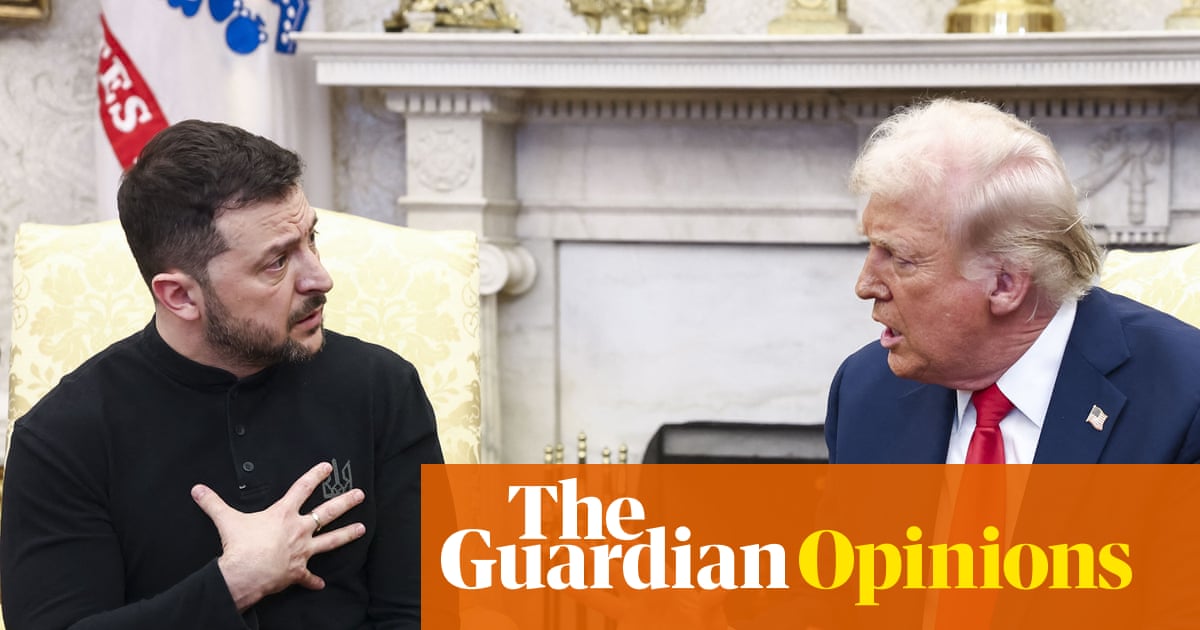
Mr Trump has never shown much natural aversion to giving Mr Putin what he wants. He has not applied serious pressure on the Kremlin to end its aggression, nor rebuked the Russian president for starting the war. He sees nothing wrong with a process that discusses the fate of a country, including de facto partition of its territory, without representatives of that country at the table.
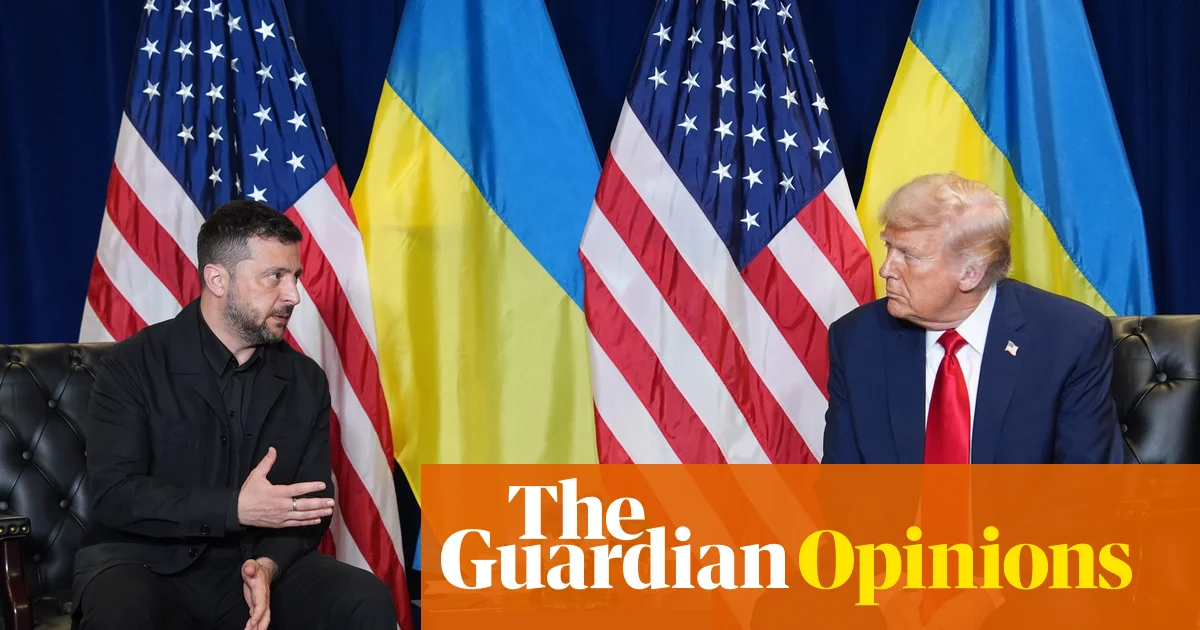
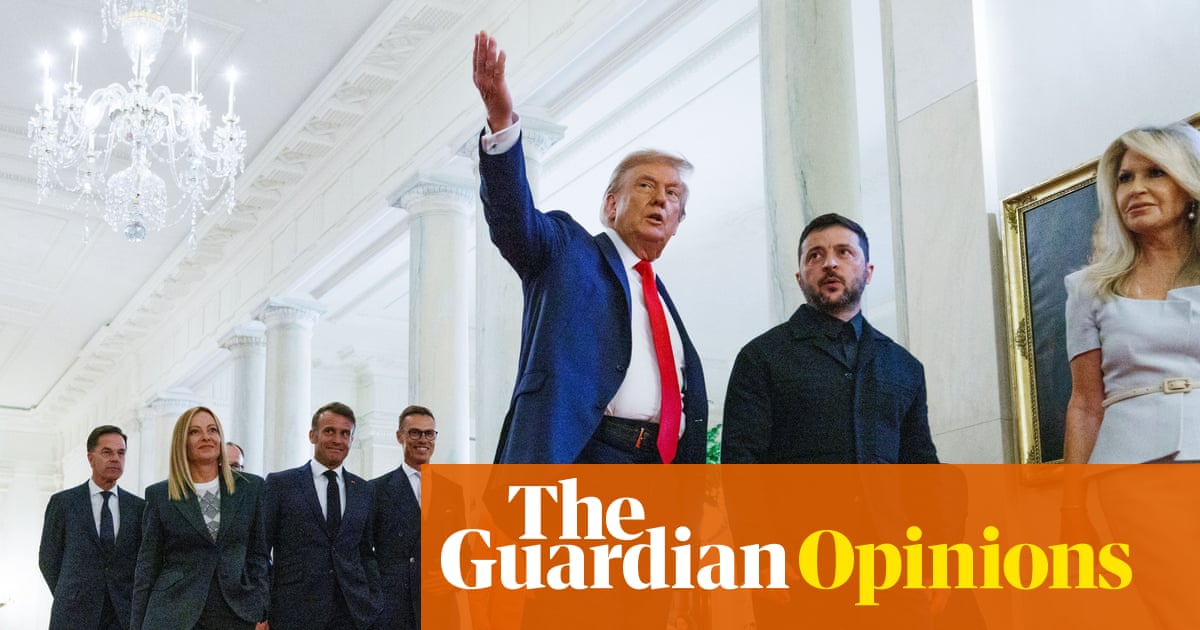
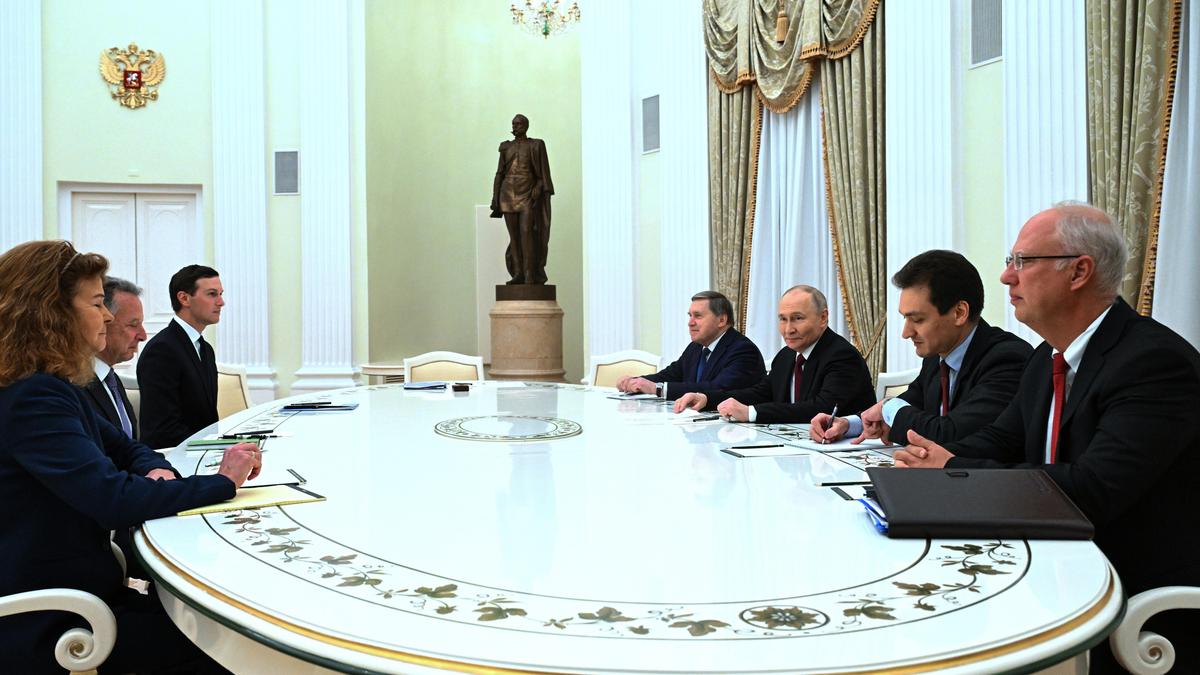
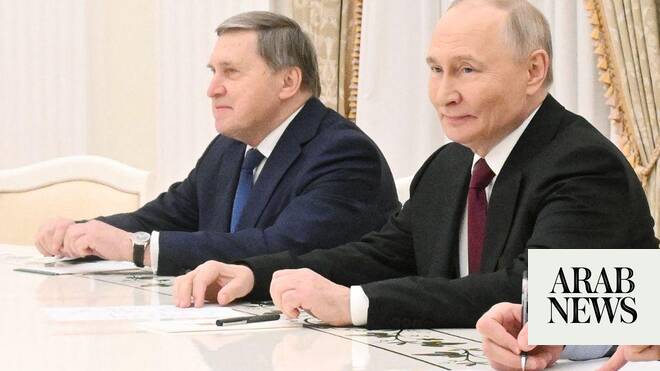
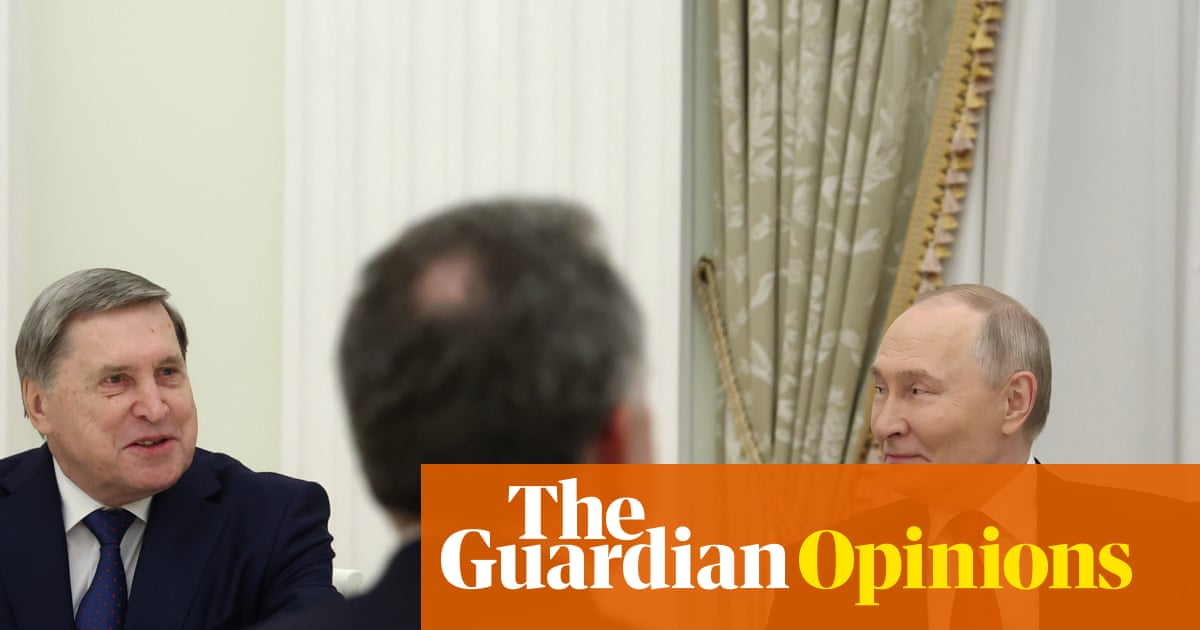
If Ukraine’s interests are factored into White House thinking at all, it is down to assiduous diplomacy by its president, Volodymyr Zelenskyy, and his European allies. Their interventions have so far prevented Mr Trump selling Kyiv out completely, much to the Kremlin’s frustration. This week’s trip to Moscow by the White House envoy, Steve Witkoff – usually a credulous audience for Russian negotiators – produced no breakthrough. Mr Putin attributes the impasse to “sabotage” of the process by Nato’s European members. He treats any recognition of Ukrainian interests as an attack on Russian national dignity.