The threat of Russian aggression makes a compelling case for urgent continental cooperation
F
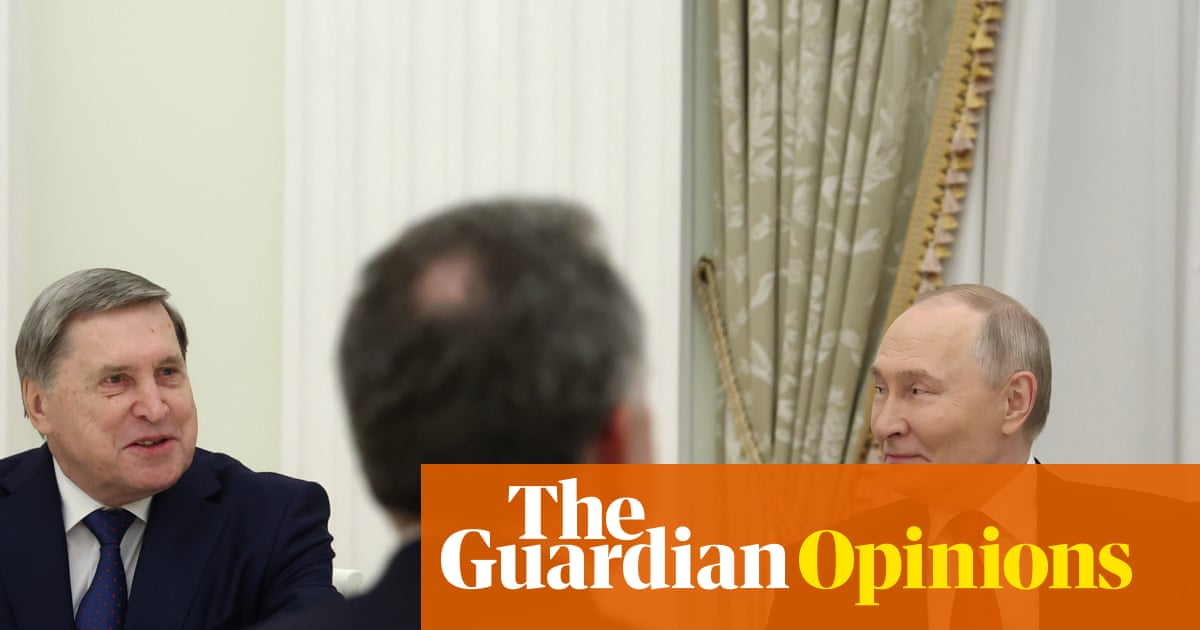
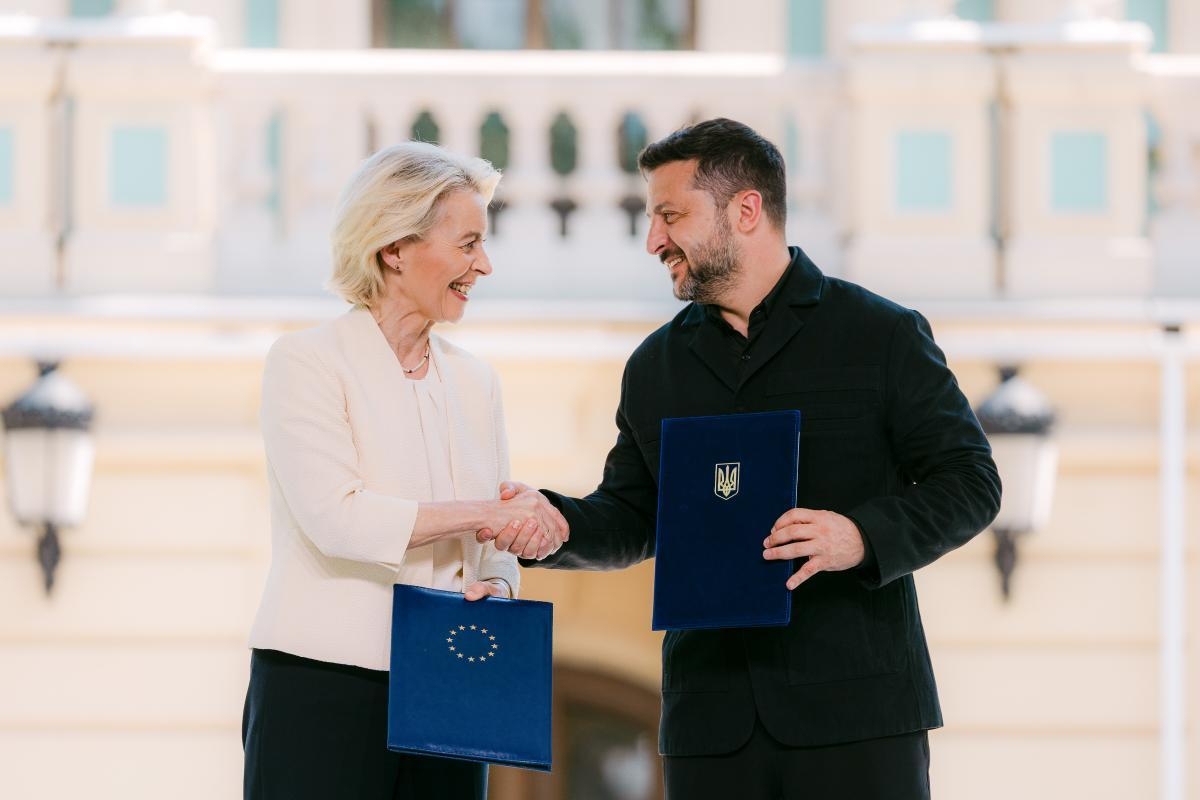
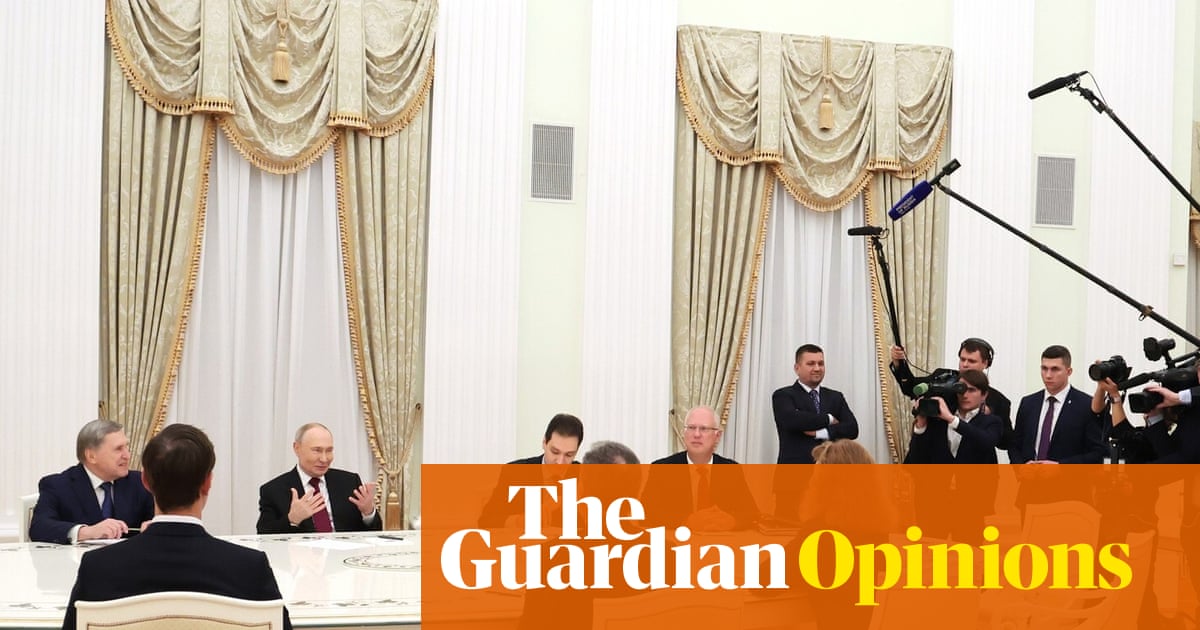
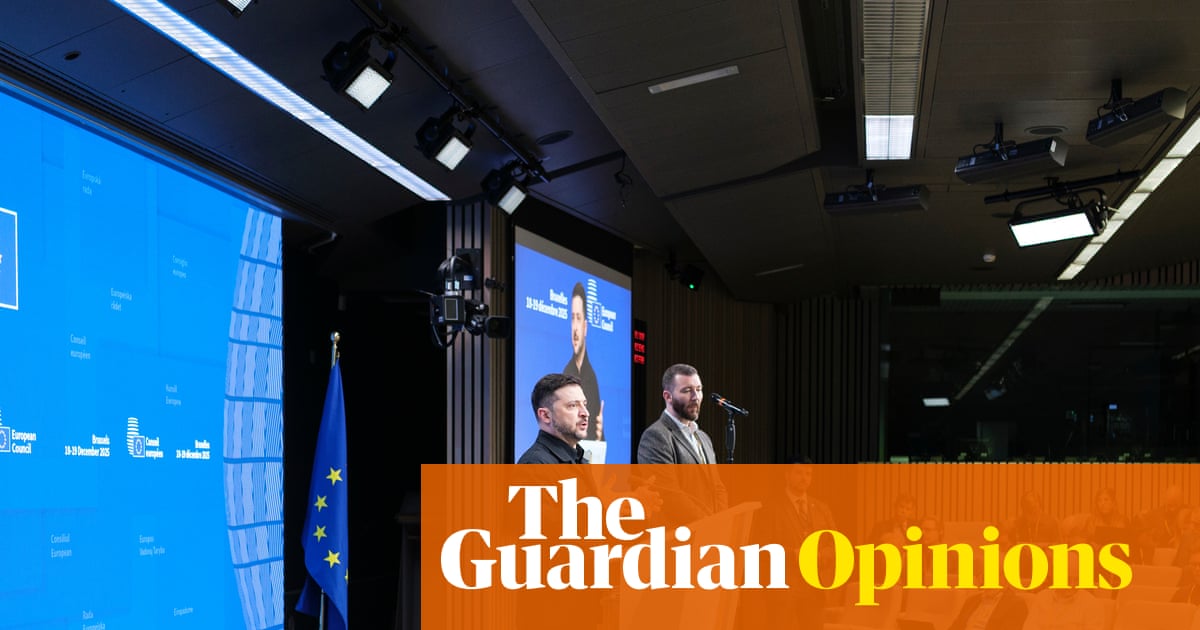
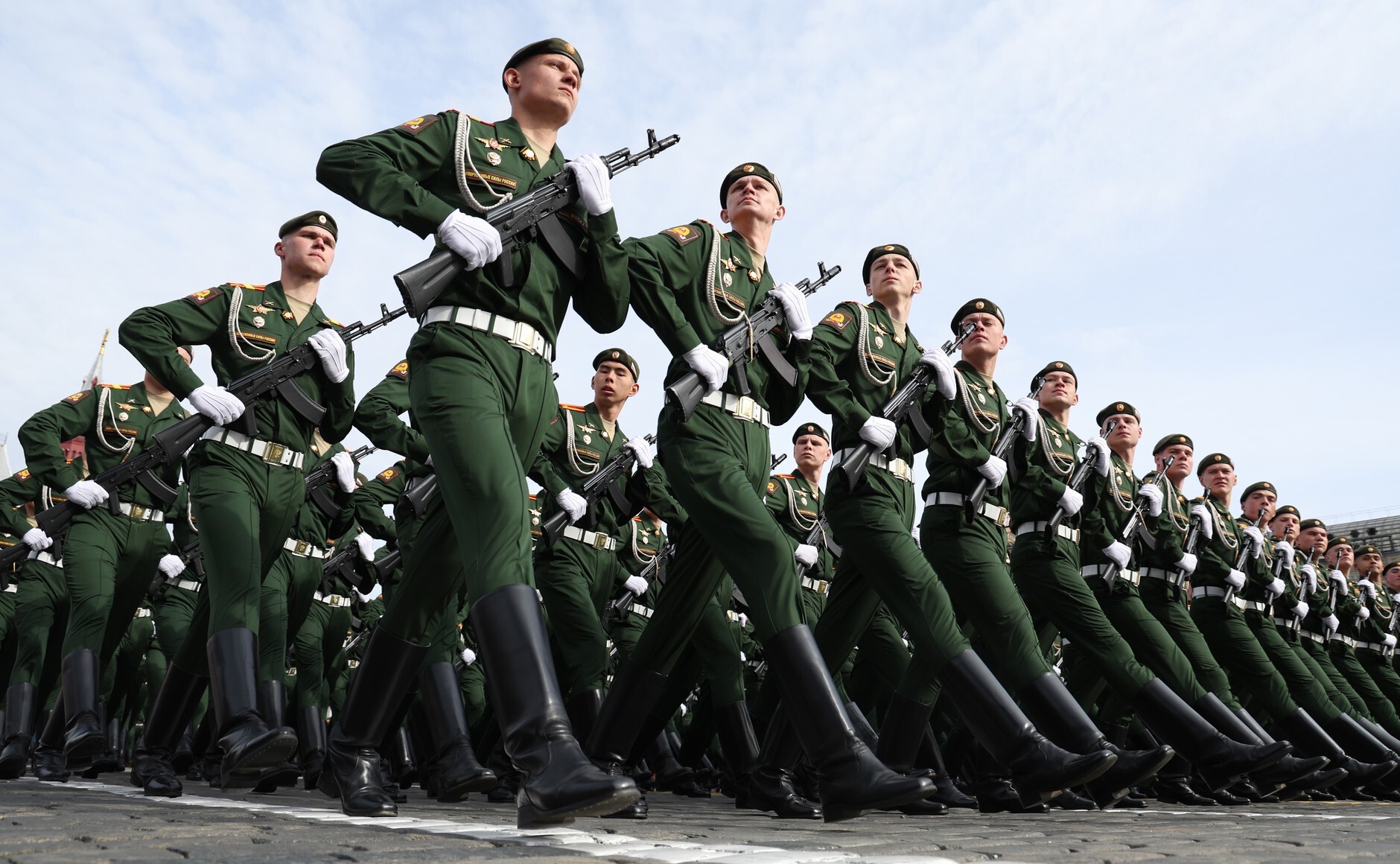
or Vladimir Putin, peace talks with Ukraine are war pursued by other means. That is why progress has been so slow in negotiations, which resumed in Geneva this week. The Russian president demands the surrender of territory that his army has failed so far to win in combat. Since Mr Putin cannot be trusted to honour any agreement, Volodymyr Zelenskyy rightly insists on robust security guarantees. The Kremlin remains committed to restoring national pride through territorial expansion. Mr Putin might accept a lull in the Ukraine conflict, but only to regroup. He must be deterred from resuming a campaign aimed at extinguishing Ukraine’s sovereignty.
His country’s economy and propaganda apparatus are increasingly oriented towards sustaining a long war. He has shown little sign of abandoning efforts to weaken Nato and punish European democracies for backing Kyiv. The intent is signalled by a campaign of constant provocations: sabotage, maritime and air incursions, cyber-attacks and online disinformation.
Sir Keir Starmer addressed the dangers in a speech last week at the Munich security conference, urging fellow European nations to accelerate defence and security cooperation. The prime minister rejected the Brexit ethos of detachment from Britain’s continental allies. “There is no British security without Europe, and no European security without Britain,” he said.