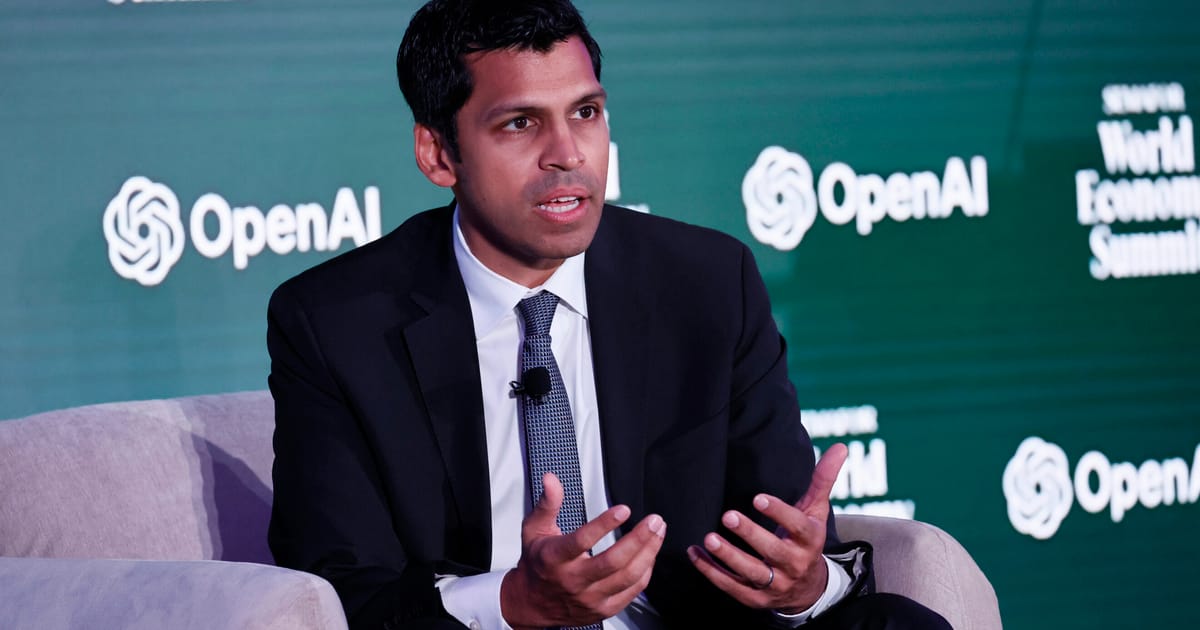
OpenAI wants Europe to stop thinking about AI’s labor impact as a single continental problem. Aaron “Ronnie” Chatterji, the company’s chief economist, told policymakers on Monday that EU member states need individualized game plans for managing how artificial intelligence reshapes their workforces.
The message, delivered at POLITICO’s AI and the Future of Work event, came alongside a new OpenAI report that puts hard numbers behind a claim most people already suspected: Europe and America have very different economies, and cookie-cutter AI policy won’t work for either of them.
What the numbers actually say
OpenAI’s “AI Jobs Transition Framework for the EU” breaks down the bloc’s labor market using ESCO taxonomy and Eurostat data. The headline finding: only 14% of jobs in the EU are classified as having high automation potential. That’s notably smaller than the equivalent figure in the United States.
But “not easily automated” doesn’t mean “untouched.” The report flags that 27% of EU jobs will require significant reorganization. These aren’t roles that disappear overnight. They’re roles where the daily work changes enough that workers need retraining, new tools, or fundamentally different skill sets.