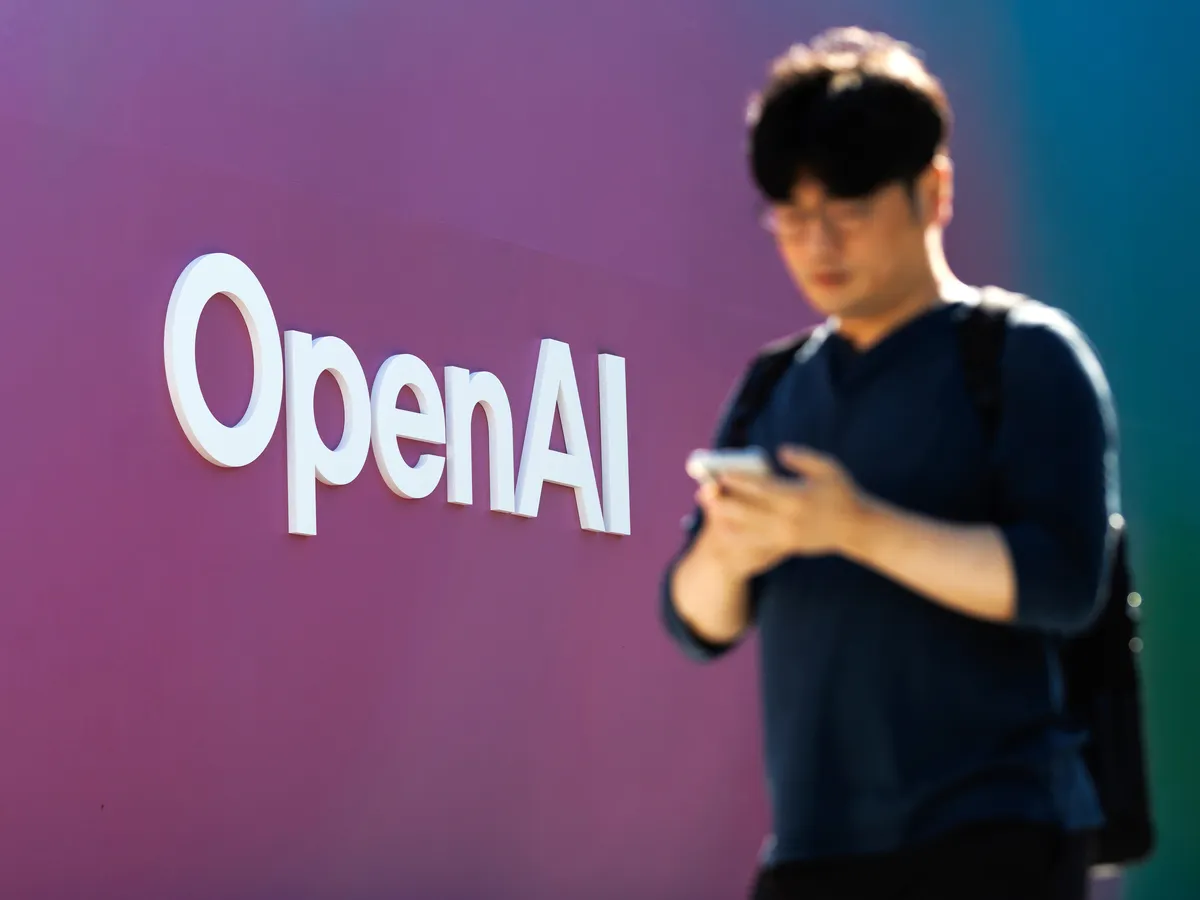
Skip to Content News Archives Economy Energy Oil & Gas Renewables Electric Vehicles Mining Commodities Agriculture Real Estate Mortgages Mortgage Rates Finance Banking Insurance Fintech Cryptocurrency Work Wealth Smart Money Wealth Management Investor Personal Finance Family Finance Retirement Taxes High Net Worth FP Comment Executive Women Puzzmo Newsletters Financial Times Business Essentials More Innovation Information Technology FP500 Podcasts Small Business Lives Told Tails Told Shopping Financial Post Store Obituaries Place a Notice Advertising Advertising With Us Advertising Solutions Postmedia Ad Manager Sponsorship Requests Classifieds Place a Classifieds ad Working Profile Settings My Subscriptions Saved Articles My Offers Newsletters Customer Service FAQ News Economy Energy Mining Real Estate Finance Work Wealth Investor FP Comment Executive Women Puzzmo Newsletters Financial Times Business Essentials HomeInformation TechnologyWorkAI won’t be substitute for human workers, OpenAI economist saysEarly worries about job elimination due to AI have failed to materialize, stressed OpenAI's Ronnie ChatterjiAuthor of the article:Last updated 1 hour ago You can save this article by registering for free here. Or sign-in if you have an account.AI’s impact on the economy has turned into a central question for central banks as a widespread displacement of workers could have significant effects on growth and inflation. Photo by SeongJoon Cho/BloombergThe rise of artificial intelligence won’t make human workers superfluous, according to OpenAI chief economist Ronnie Chatterji.Subscribe now to read the latest news in your city and across Canada.Exclusive articles from Barbara Shecter, Joe O'Connor, Gabriel Friedman, and others.Daily content from Financial Times, the world's leading global business publication.Unlimited online access to read articles from Financial Post, National Post and 15 news sites across Canada with one account.National Post ePaper, an electronic replica of the print edition to view on any device, share and comment on.Daily puzzles, including the New York Times Crossword.Subscribe now to read the latest news in your city and across Canada.Exclusive articles from Barbara Shecter, Joe O'Connor, Gabriel Friedman and others.Daily content from Financial Times, the world's leading global business publication.Unlimited online access to read articles from Financial Post, National Post and 15 news sites across Canada with one account.National Post ePaper, an electronic replica of the print edition to view on any device, share and comment on.Daily puzzles, including the New York Times Crossword.Create an account or sign in to continue with your reading experience.Access articles from across Canada with one account.Share your thoughts and join the conversation in the comments.Enjoy additional articles per month.Get email updates from your favourite authors.Create an account or sign in to continue with your reading experience.Access articles from across Canada with one accountShare your thoughts and join the conversation in the commentsEnjoy additional articles per monthGet email updates from your favourite authorsSign In or Create an Accountor“Just because a task is exposed to AI doesn’t mean it’s gonna substitute for that,” Chatterji said at the European Central Bank’s annual retreat in Sintra, Portugal. “We need to think a lot harder about what jobs are, how they will evolve, and that will help us give advice to people about labour-market trends rather than being optimistic or pessimistic.”Speaking to ECB Chief Economist Philip Lane before an audience of global central bankers, Chatterji highlighted his own family history with new technology.FP Work touches on HR strategy, labour economics, office culture, technology and more.By signing up you consent to receive the above newsletter from Postmedia Network Inc.A welcome email is on its way. If you don't see it, please check your junk folder.The next issue of Work will soon be in your inbox.We encountered an issue signing you up. Please try again“My dad was an economist also in 1985 — his job was very exposed to the personal computer when he first put one in his office,” he said. “But instead of using a punch card in a big room in a mainframe computer to run regressions, now he could run them on his computer. And it was a compliment to his work over time that made him more productive.”AI’s impact on the economy has turned into a central question for the ECB and other central banks as a widespread displacement of workers could have significant effects on growth and inflation. While researchers at the institution said this year there was no sign of job cuts yet, President Christine Lagarde says she’s extremely attentive to the issue.Policymakers are also wondering how much the euro zone can benefit from the technology without ownership of the most advanced models. Lagarde argues that embracing it quickly can still offer many advantages to Europeans.Earlier in the day, Lane told Bloomberg Television’s Francine Lacqua that AI take-up can be seen “more and more” in Europe’s economy.“Our firm surveys, our consumer surveys do see quite rapid adoption compared to previous general purpose technologies,” he said. “Now of course that is global, but Europe is many ways well placed to adopt AI. So I’m optimistic we do think it’s a positive factor for productivity, for investment, but it’s still early days.”Chatterji stressed that early worries about job elimination due to AI have failed to materialize, citing software development as an example.“Those jobs shrinking as AI capabilities increased — that really hasn’t happened to the same extent people were predicting,” he said.—With assistance from Maya Thompson, Shona Ghosh and Nick Heubeck. Join the Conversation This website uses cookies to personalize your content (including ads), and allows us to analyze our traffic. Read more about cookies here. By continuing to use our site, you agree to our Terms of Use and Privacy Policy.
AI won’t be substitute for human workers, OpenAI economist says
The rise of artificial intelligence won’t make human workers superfluous, according to OpenAI Chief Economist Ronnie Chatterji. Read here
912 words~4 min read