Fair use allows limited use of copyrighted material without permission, but it is not unconditional.
The Constitutional Court has upheld the heart of the Copyright Amendment Bill, preserving its fair use framework while sending the education provisions back to Parliament.
The Copyright Amendment Bill was first published for public comment in July 2015. On Thursday, almost a decade later, the Constitutional Court handed down the judgment that will determine whether it becomes law.
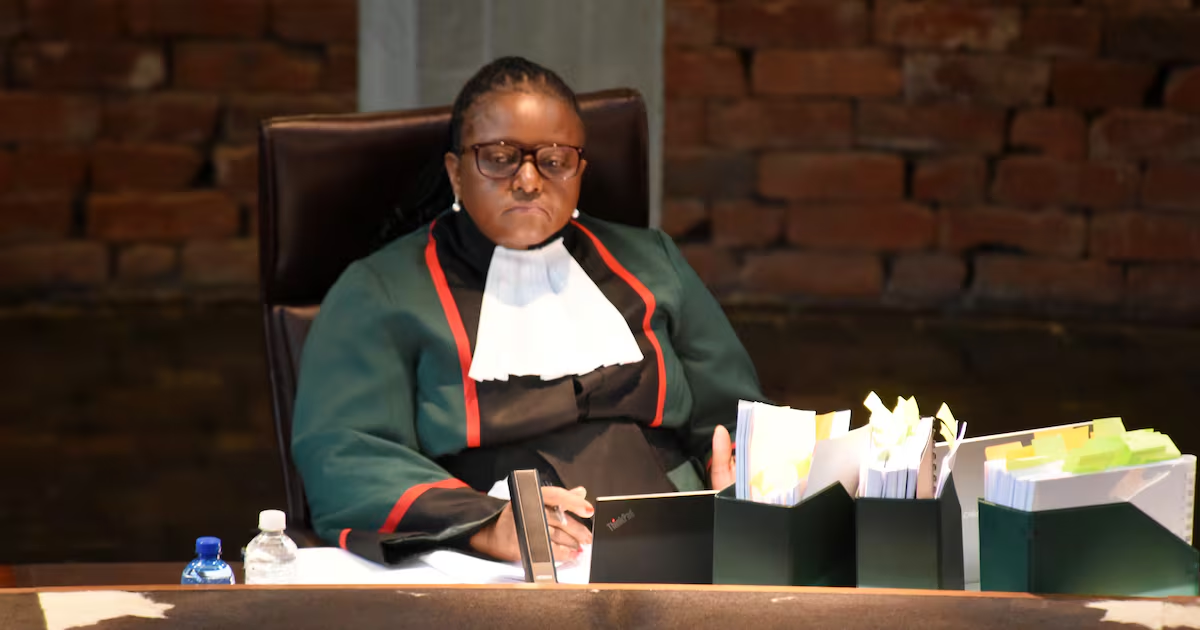
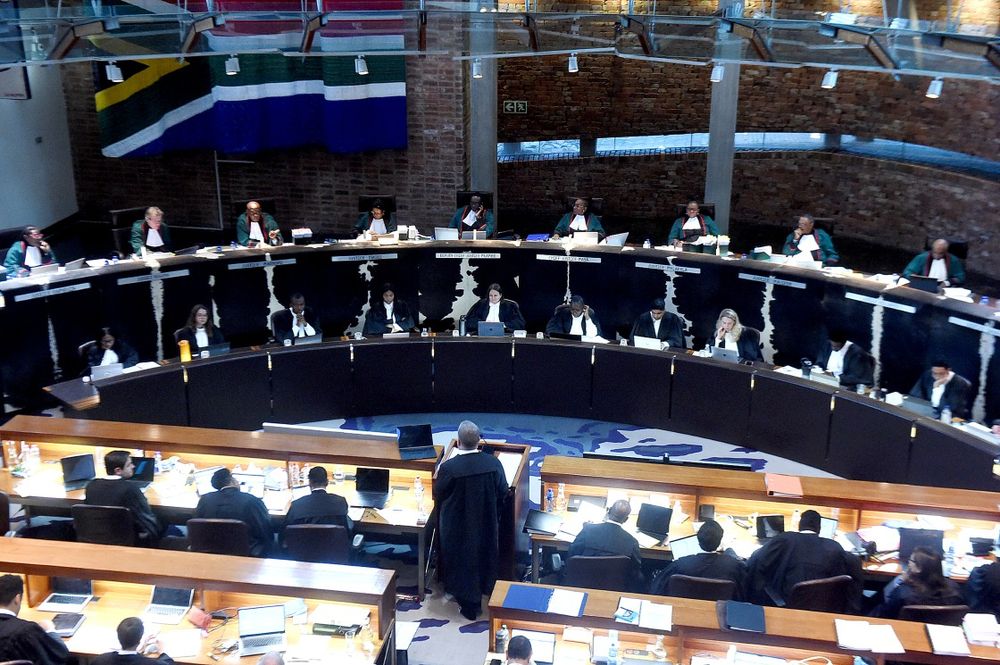
The majority judgment, written by Justice Mhlantla and concurred in by Acting Deputy Chief Justice Madlanga and six other justices, upheld the Bill's fair use framework and most of its public-interest exceptions. The education copying provisions were found unconstitutional. Justice Majiedt dissented on that point alone, in a judgment running to more than 100 paragraphs.
The Bill was introduced in the National Assembly in 2017 and passed by Parliament in 2019. It was then referred back by President Cyril Ramaphosa, who had reservations about its constitutionality. Parliament amended certain provisions and resubmitted the Bill in February 2024.