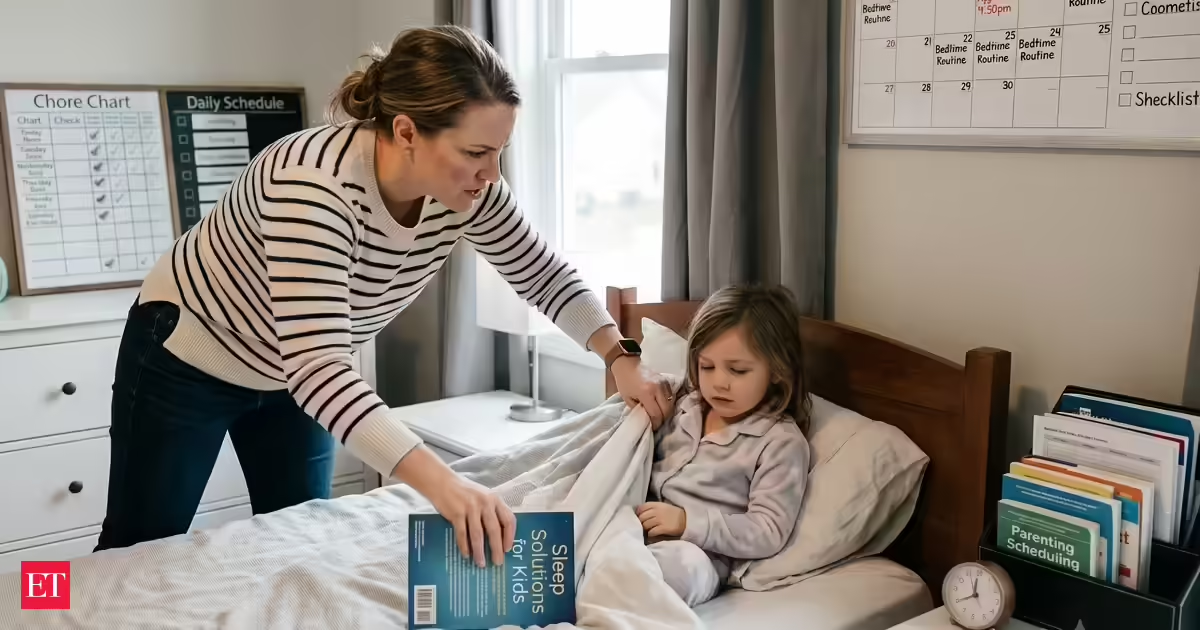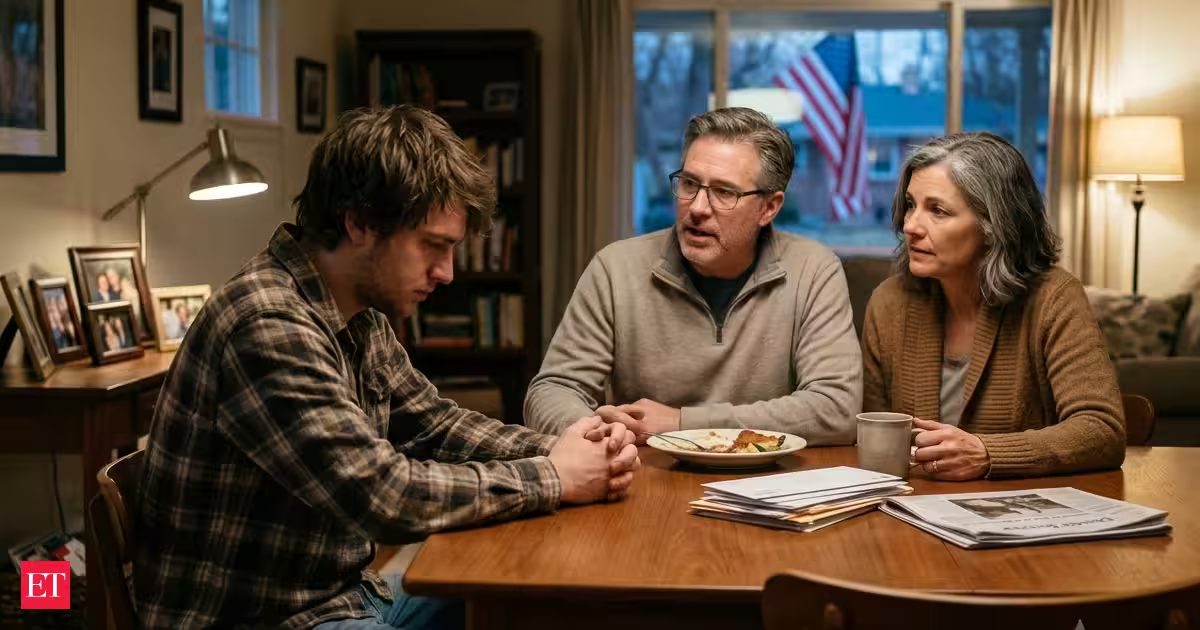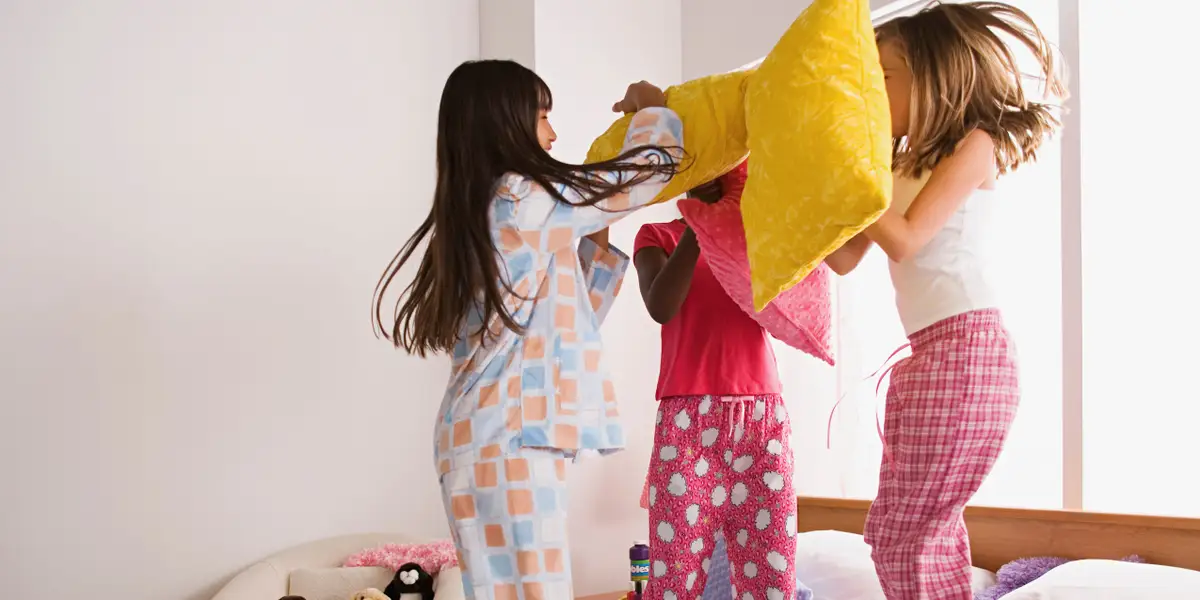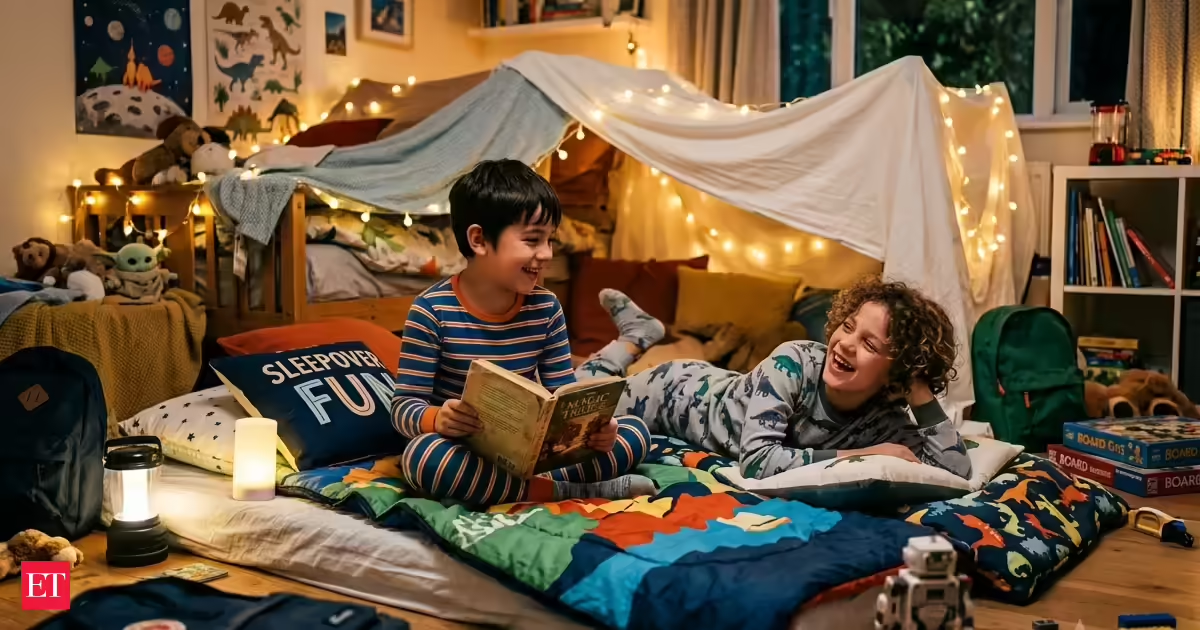
Psychology says people who never send their children for a sleep over aren't necessarily preventing their children from growing. Many parents avoid sleepovers because they worry about safety, supervision, emotional comfort, and unexpected situations. Some parents have personal experiences that influence their decisions. Others believe their children are not ready to spend the night away from home. Psychology explains that parenting decisions are often shaped by emotions, beliefs, family experiences, and risk assessment. Looking at this behavior through psychology helps explain why different parents make different choices even when they want the best for their children.Why some parents avoid sleepovers?Many children enjoy spending the night at a friend's home. Sleepovers can help children build friendships, become more independent, and learn social skills.However, many parents choose not to allow sleepovers. Their decision does not always come from fear alone. It may come from careful thinking about their child's safety and well-being.Parents often consider questions such as:Who will supervise the children?Will there be adults present throughout the night?Does the family have rules similar to theirs?Will their child feel comfortable?Can the child contact home if needed?You Might Also Like:For many families, these questions influence the final decision.Psychology says people who never send their children for a sleep over aren't simply being controllingPsychology suggests that this behavior is often linked to a parent's protective instincts rather than a desire to control every part of a child's life. Parents naturally try to reduce risks that may affect their children.Some common reasons include:Concerns about child safetyLack of trust in unfamiliar adultsFear of bullyingAnxiety about emergenciesPrevious negative experiencesFamily beliefs and traditionsThese reasons may differ from one family to another.You Might Also Like:What psychology says?Psychology explains that parents often make decisions using both logic and emotions. When parents believe that an activity carries uncertainty, they may avoid it even if the actual risk is low. This is known as risk perception.Research has shown that parents usually place greater importance on avoiding possible harm than on the possible benefits of an activity. This approach becomes stronger when children are young.As children grow older, many parents gradually allow more independence.What does this mean?Choosing not to allow sleepovers does not automatically mean parents are overprotective. It may simply mean they have different boundaries. Every family has its own comfort level.You Might Also Like:Some parents believe children can develop independence in many other ways. For example, children may participate in school trips, sports, family visits, or daytime playdates. These activities also help children learn responsibility and confidence.Why is it done?Parents refuse sleepovers for different reasons.Some of the most common include:Protecting children from situations they cannot superviseAvoiding exposure to inappropriate contentPreventing unsafe situationsRespecting cultural or family traditionsReducing anxiety for both parent and childBuilding trust gradually instead of immediatelySome parents also wait until they know another family very well before allowing a sleepover.Which psychology theory explains this behavior?One theory that helps explain this behavior is Attachment Theory. It suggests that strong emotional bonds between parents and children influence how parents respond to situations involving separation. Parents who feel responsible for protecting their children may experience anxiety when their children spend the night away from home.Another useful concept is Protection Motivation Theory. This theory explains that people are more likely to avoid situations they believe may involve harm. If parents think sleepovers carry possible risks, they may choose not to participate.This psychology study saysPsychological research has consistently found that parents make decisions based on perceived risk rather than actual statistical risk. Studies on parenting behavior also show that media reports, personal experiences, and conversations with other parents influence how families evaluate safety.Research further suggests that parents who communicate openly with their children while setting clear boundaries often build trust over time. This allows children to understand why certain family rules exist.Experts say parents should choose what feels right for their familyCarolyn Ievers-Landis, PhD, a licensed clinical psychologist who specializes in behavioral sleep medicine for children and adolescents at University Hospitals Rainbow Babies & Children’s Hospital told in a hospital blog, the decision about sleepovers is not simple. She says many parents face a difficult choice because they do not want to disappoint their children, but they also want to protect them from possible risks.Dr. Ievers-Landis believes parents should not feel guilty regardless of the decision they make. Instead, they should carefully consider all the factors, think about what is best for their child's safety and emotional well-being, and make a choice that matches their family's values. She says parents should trust that making thoughtful decisions is part of raising children who are both safe and psychologically healthy.The principle behind itThe main psychological principle is that people try to protect what they value most. Parents generally believe they are responsible for reducing avoidable risks.Their decisions are shaped by:ExperienceEmotionsTrustFamily cultureSocial influencesPersonal beliefsEach family weighs these factors differently. Because of this, two families may reach different decisions while both believing they are acting in their child's best interest.What can parents learn from this?Psychology does not say that every family should either allow or refuse sleepovers. Instead, it encourages thoughtful decision-making.Parents can:Talk openly with their children.Meet the host family beforehand.Discuss house rules.Ensure children know how to contact home.Respect their child's comfort level.Review decisions as children grow older.These steps help families make choices that match their own values.Life lessons from this behaviorThis parenting choice offers several lessons.Children learn that every family has different rules.Parents learn that communication is often more helpful than strict rules alone.Families also learn that trust develops over time.The goal is not simply to say yes or no to sleepovers.The goal is to make informed decisions that support children's safety, emotional well-being, and healthy development.Psychology reminds us that parenting is not about finding one correct answer. It is about balancing protection, independence, trust, and responsibility according to each family's circumstances.
Psychology says people who never send their children for a sleep over aren't always overprotective: What this parenting behavior means
Psychology says people who never send their children for a sleep over aren't always trying to control their children. In many cases, this parenting behavior comes from safety concerns, past experiences, trust issues, and a desire to protect children. Psychology explains that this decision is influenced by emotions, family values, and risk perception. Understanding the reasons behind this behavior can help parents make informed choices for their families.
963 words~4 min read