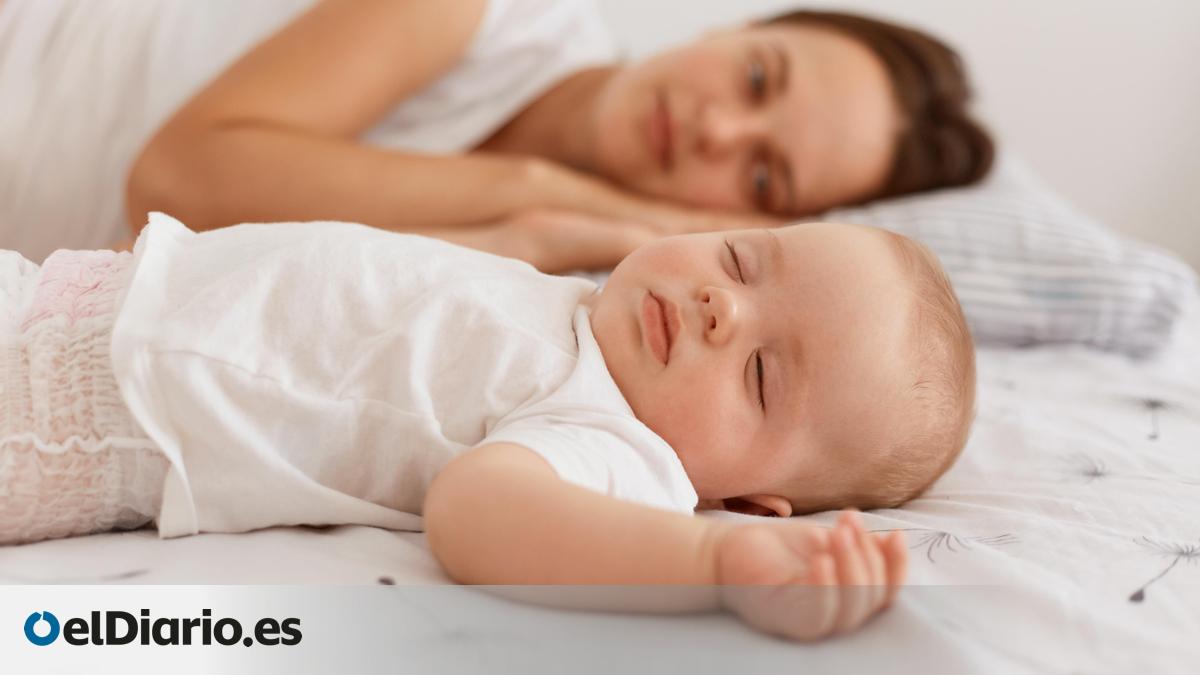
One of the biggest debates in modern parenting often begins with a simple question: Should babies sleep in a crib or beside their parents? Some parents carefully prepare a nursery months before birth, only to discover that their infant sleeps far better in their arms or next to them. Others intentionally choose co-sleeping from the beginning because it feels natural, practical, or emotionally comforting. Psychology suggests that parents who bring infants into their bed are not necessarily rejecting modern parenting advice. In many cases, they are responding to ancient instincts, emotional needs, and the intense bond that develops during early parenthood.The topic remains controversial because there is an important distinction between the psychology behind co-sleeping and its safety considerations. Health organizations have clear recommendations about safe infant sleep. However, understanding why many parents make this choice can reveal a great deal about human attachment and caregiving.Why Parents Feel An Instinctive Need To Stay CloseOne of the strongest explanations comes from Attachment Theory, developed by psychiatrist John Bowlby. Humans are biologically wired to protect vulnerable offspring. Newborns are entirely dependent on caregivers for survival, and parents are naturally programmed to respond to signals such as crying, movement, and changes in breathing patterns.Many parents report feeling uncomfortable sleeping in a separate room from their infant, even when a crib is available. Psychology suggests this reaction is normal. The parental brain undergoes significant changes after childbirth. Research shows that caregivers become highly sensitive to infant cues, making physical closeness feel emotionally reassuring.For some parents, sleeping nearby reduces anxiety because it allows them to monitor their baby's well-being throughout the night.You Might Also Like:Why Co-Sleeping Can Feel Emotionally RewardingPsychologists also point to oxytocin, often called the "bonding hormone." Physical closeness, skin-to-skin contact, and caregiving interactions stimulate oxytocin production in both parents and infants. Oxytocin is associated with trust, attachment, and emotional bonding. This may explain why some parents describe co-sleeping as peaceful, comforting, and deeply connecting. For exhausted new parents who spend all day caring for an infant, nighttime closeness can feel like a continuation of that nurturing bond rather than a separate activity.The Evolutionary ExplanationAnother perspective comes from Evolutionary Psychology. For thousands of years, infants slept close to caregivers because separation could increase vulnerability. Cribs, nurseries, and separate sleeping arrangements are relatively modern inventions. From an evolutionary standpoint, keeping babies nearby was often a survival strategy.This does not automatically mean every family should co-sleep today. Instead, it explains why many parents instinctively gravitate toward physical closeness. Their behavior may reflect ancient caregiving systems that evolved long before modern homes existed.Why Some Parents Feel Guilty About Using A CribModern parenting culture often creates pressure from multiple directions. Some parents are told that co-sleeping creates dependency. Others are told that using a crib weakens emotional attachment. Psychologists suggest this conflict can trigger parental guilt, a common emotional experience among caregivers.The rise of social media has amplified this pressure. Platforms filled with parenting advice often present one method as superior to another. Parents may begin questioning every decision they make. A mother who uses a crib may worry she is creating emotional distance. A father who co-sleeps may worry he is forming unhealthy habits.In reality, healthy attachment depends on consistent responsiveness rather than a single sleep arrangement.Why Exhaustion Often Influences The DecisionPsychology also recognizes a practical reality: sleep deprivation changes behavior. Researchers studying decision fatigue have found that exhausted individuals prioritize solutions that reduce stress and preserve energy. Many parents initially plan to use a crib but gradually transition to co-sleeping because nighttime feedings become overwhelming.Imagine parents waking every two hours to soothe a crying infant. Over time, keeping the baby closer may feel more manageable. In many households, co-sleeping emerges as an adaptive response to exhaustion rather than a long-term parenting philosophy.The Difference Between Healthy Bonding And AnxietyPsychologists also make an important distinction. Some parents choose co-sleeping because it feels nurturing and practical. Others may struggle with heightened anxiety. Research on postpartum anxiety suggests some parents experience excessive worry about their infant's safety.In these situations, constant proximity may temporarily reduce anxiety but not address the underlying stress. This is why experts encourage parents to examine their motivations.Is sleeping together creating healthy connection, or is it being driven by overwhelming fear? The answer can make a significant difference.What Modern Research Says About Infant Sleep SafetyUnderstanding the psychology behind co-sleeping is different from recommending specific sleep practices. Organizations such as the American Academy of Pediatrics recommend that infants sleep in the same room as parents but on a separate sleep surface, such as a crib or bassinet, especially during the first months of life.Experts warn that adult beds can increase risks under certain circumstances. The safest decision often depends on factors such as infant age, caregiver habits, sleep environment, and individual family situations.The Bigger Psychological TruthPsychology suggests this parenting debate is ultimately about connection. Parents who sleep with their infants are rarely trying to create dependency or reject expert advice. Most are responding to a powerful combination of biology, love, instinct, exhaustion, and emotional bonding.Perhaps the most important lesson is that healthy parenting is not determined by a crib alone. Strong parent-child relationships are built through responsiveness, affection, consistency, and emotional availability. Where a baby sleeps matters for safety, but how a child feels cared for matters for development.The goal is not to choose the perfect sleep arrangement. It is to create a safe environment where both parent and infant can thrive.FAQsIs co-sleeping psychologically normal?Yes. Psychology suggests many parents naturally seek physical closeness with infants because of attachment, bonding, and evolutionary instincts.Does sleeping in a crib weaken attachment?No. Research shows secure attachment develops through responsive caregiving rather than a specific sleeping arrangement.
Psychology says parents who sleep with their infants and avoid cribs are often seeking more than convenience: The hidden emotional reasons some families choose the family bed
Psychology suggests that this parenting debate is fundamentally rooted in the human need for connection. Parents who choose to sleep alongside their infants are rarely trying to encourage dependence or dismiss professional guidance. More often, their decision is influenced by a powerful blend of biology, instinct, affection, emotional bonding and the realities of exhaustion.
945 words~4 min read