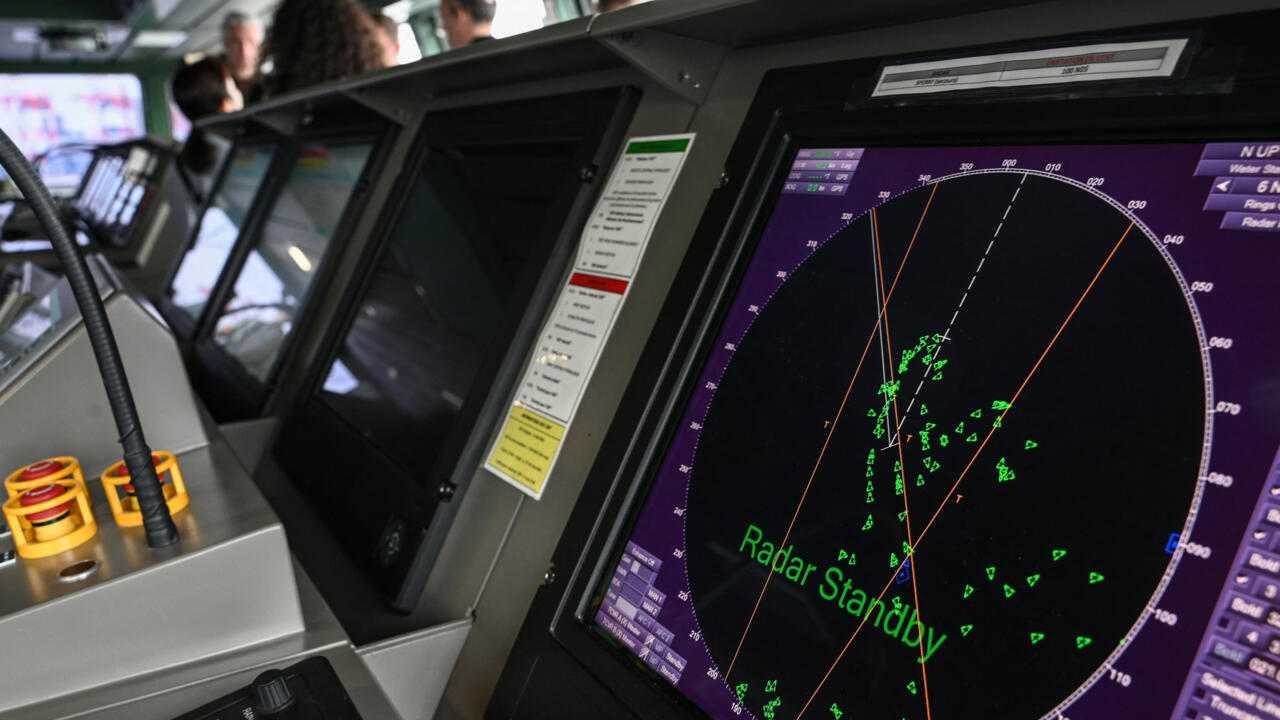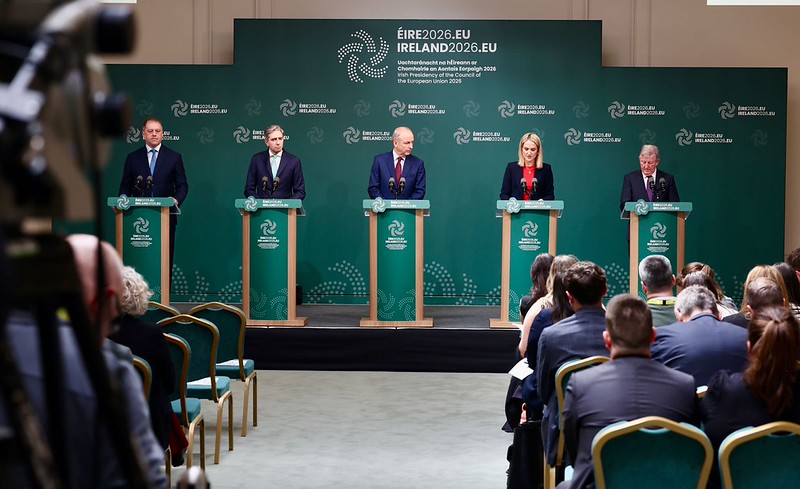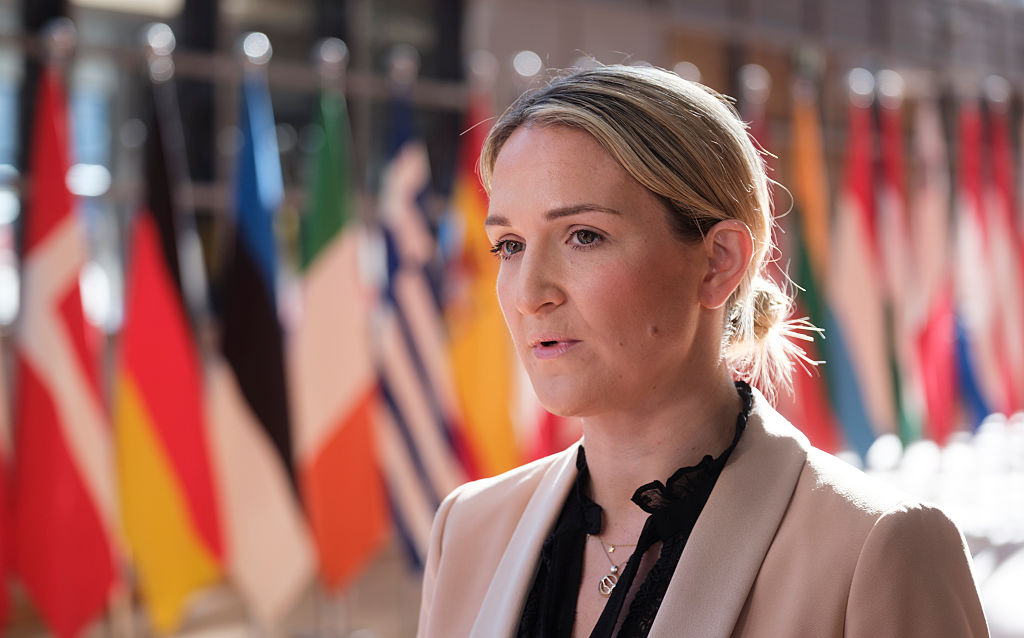
Ireland will be a safe and secure place during its six-month presidency of the Council of the European Union, Minister for Foreign Affairs and Defence Helen McEntee has said. Speaking in advance of Ireland assuming the rotating presidency for six months later this week, the Minister said Ireland and other states were not immune to threats but that a “huge amount of work” had been carried out in advance. “An Garda [Síochána] has been planning for this for a number of years now. So, the measures that need to be put in place are in place and I look forward to things kicking off on Wednesday,” she told reporters in Dublin. McEntee said it was “important from a policy perspective” that Ireland has a successful presidency, “but also from a security perspective”. She said “everything that needs to be done is being put in place” and the Defence Forces and Garda would be “working closely” for the duration.The Minister said the type of possible threats and risks such as cyber attacks, industrial espionage and drone attacks were not new. “We have been victim to them in the past. We know, for example, the attack that took place on the HSE. Similarly to other countries and other scenarios, we’ve had to respond and we’ve had to be agile.” She said there had been a “huge amount of investment” in An Garda Síochána and the Defence Forces, allied with investment in the relevant sectors. “There’s been a huge focus on how we can build up our resilience.”McEntee said it was important to have the right capabilities and the technologies not just to identify risks such as drone attacks, cyber attacks and attacks on underwater cables, but also to respond to them.“What people don’t hear is that there are many risks that are averted because of this, that there’s a huge amount of work that our gardaí do, working closely with industries and sectors to identify these risks before they emerge.”McEntee was speaking outside Government Buildings on Monday in advance of a trade forum featuring discussions on competitiveness and the issues of security and defence. She said industry had become more resilient in protecting their infrastructure, both under water and above ground. She cited the work being done in the area of maritime security by Sea-Scan, a project that uses undersea telecommunications cables for advanced maritime surveillance, and Ubotica, which works in the area of AI-powered satellite imaging. Asked if continuing volatility in the Middle East would affect the Government’s intention to taper excise duty cuts on fuel, McEntee said fuel prices had reduced significantly and the measures announced by the Government were “not introduced on a permanent basis”.She said it was important the Coalition got the balance right when making decisions on the future of the measures.
Measures ‘in place’ to ensure Irish safety during EU presidency, says Minister for Defence
Helen McEntee acknowledges no country is immune to threats but years of planning has taken place
465 words~2 min read