As Ireland prepares to assume the presidency of the Council of the EU on July 1, lawmakers and security experts question whether one of the EU’s weakest military powers is ready to protect the bloc’s summits and critical infrastructure from drones and cyberattacks.
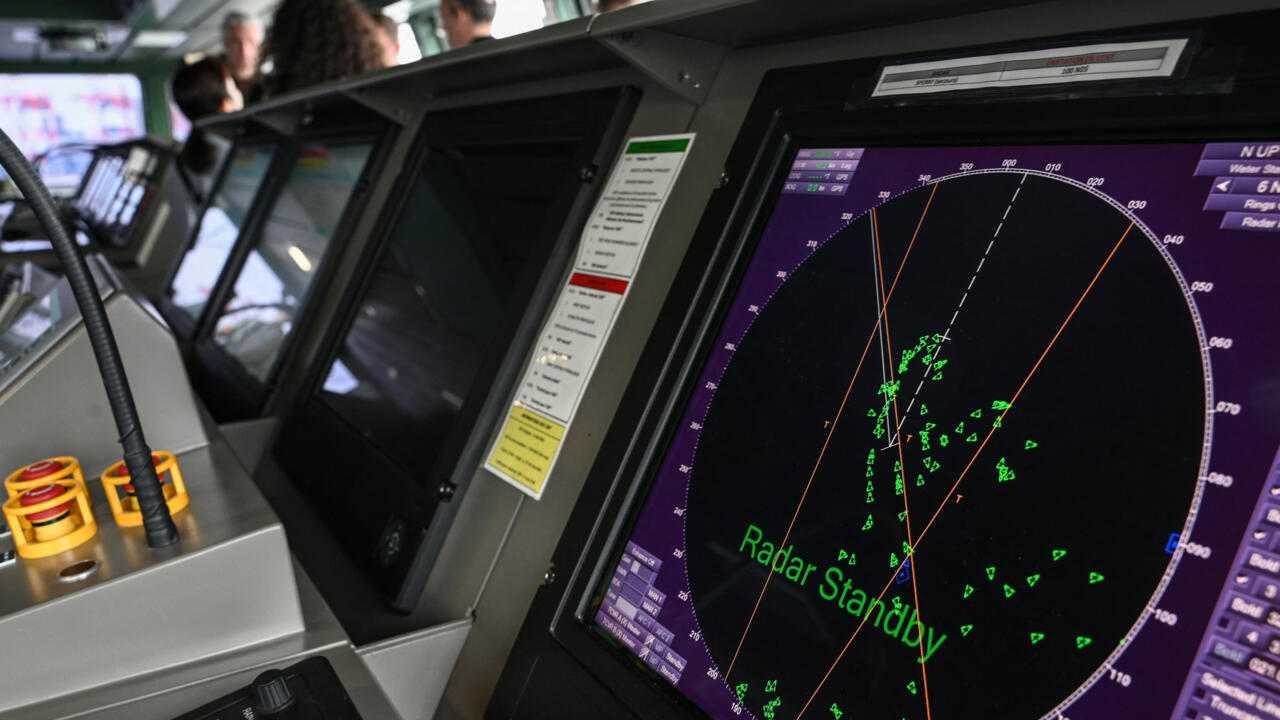
A visit by Ukrainian President Volodymyr Zelenskyy to Dublin last December offered a glimpse of the challenge. During the trip, five unidentified drones were detected near the flight path of Zelenskyy’s aircraft, despite the presence of an Irish naval vessel tasked with securing the area.
The episode “demonstrated that high-level political visits bring vulnerability,” said Barry Andrews, an Irish Renew Europe MEP who authored a major report on Irish defense. “With the presidency, it puts a target on your back.”
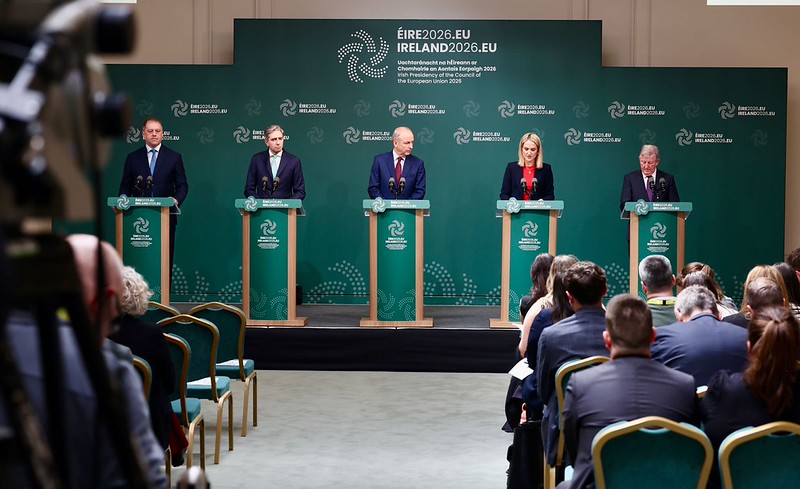
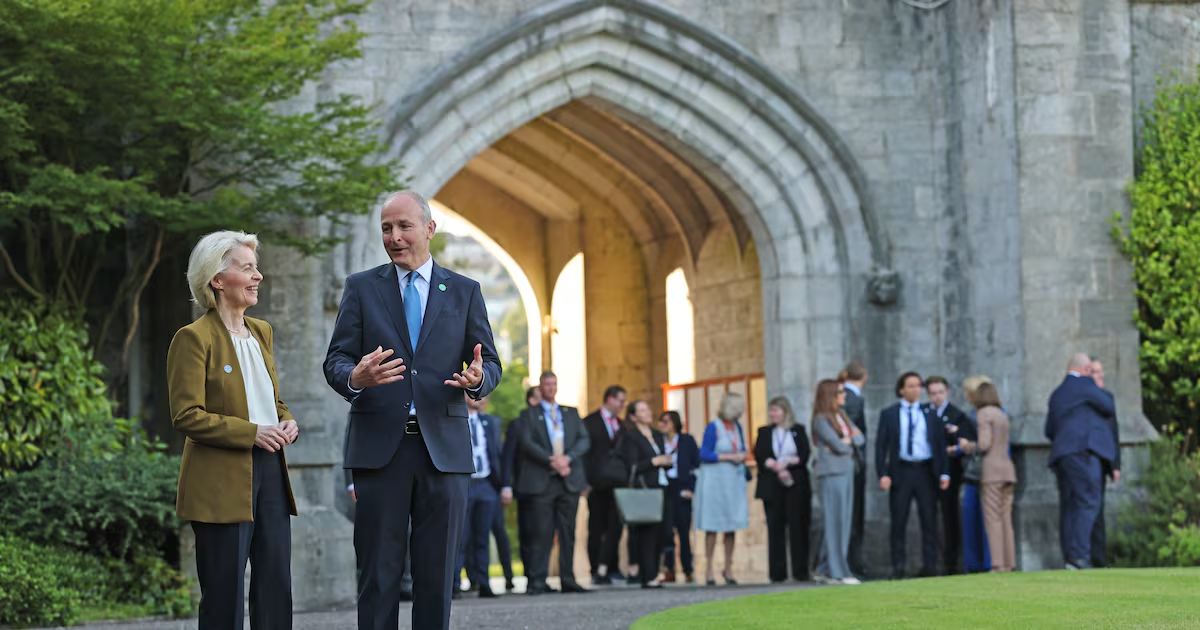
Ireland’s six-month term overseeing policy negotiations between EU countries will include major summits, including the European Political Community gathering, and 22 informal ministerial meetings. Dublin must provide security for visiting leaders, delegations and critical infrastructure.
That places heavy demands on a country that has for decades relied on geographical isolation and military neutrality as cornerstones of its security posture. Ireland’s defense spending is the lowest in the EU — just €1.35 billion, or 0.2 percent of gross domestic product in 2025, compared with the EU-wide level of 2.1 percent of GDP.