This is AI generated summarization, which may have errors. For context, always refer to the full article.
Guia Abogado/Rappler
To single out — or defend — video games in isolation and outside the social networks and incentive structures where they thrive misses the point
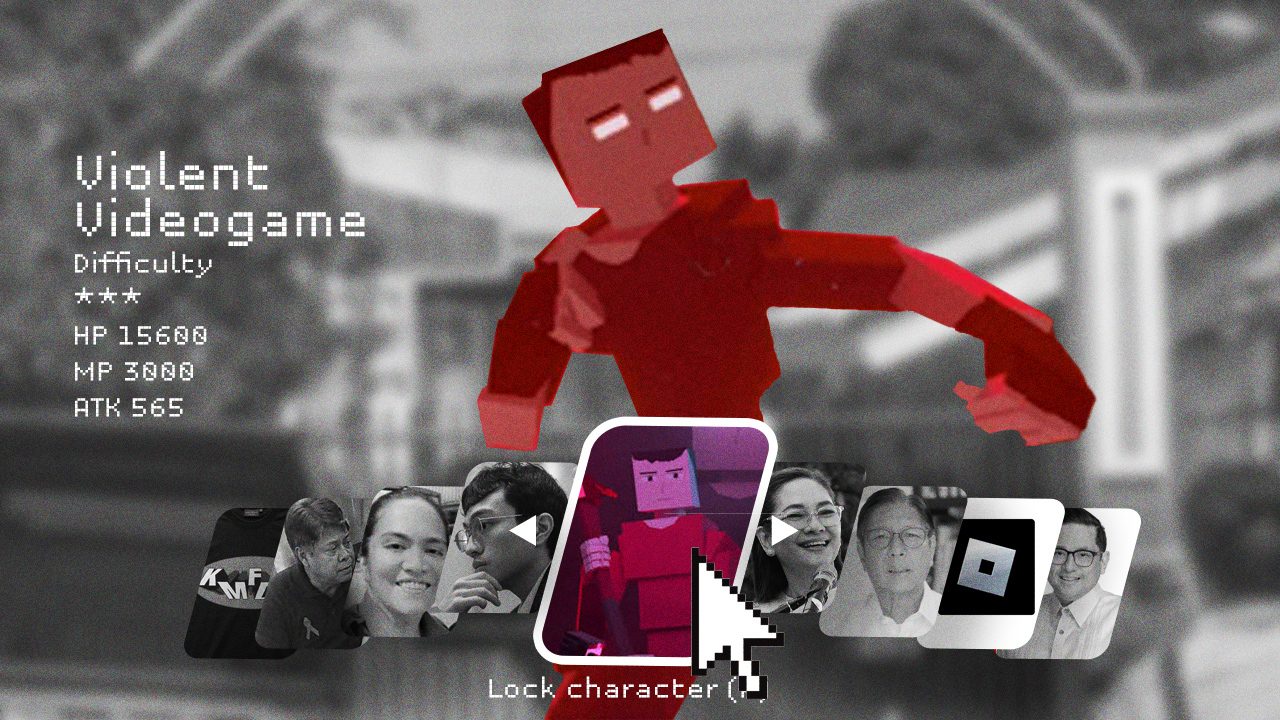
The gaming community of mostly young Filipinos has been up in arms the past days over what it considers as a rash, narrow, “boomer” targeting of video games in the aftermath of the Tacloban shooting that killed three students and wounded 20 others one week ago today. GoreBox is in the eye of the storm, having been temporarily banned by the government, following reports that one of the minors arrested in the killing had played the violent video game.
But hold your horses, young folks and dear parents. Let’s all step back and gain some perspective. To single out — or defend — video games in isolation and outside the social networks and incentive structures where they thrive misses the point of why they deserve more scrutiny and understanding. Some of these games are networks of socialization and monetization by themselves, and they’re really never “off” because users are constantly on the chat or message boards to connect and reconnect with each other.