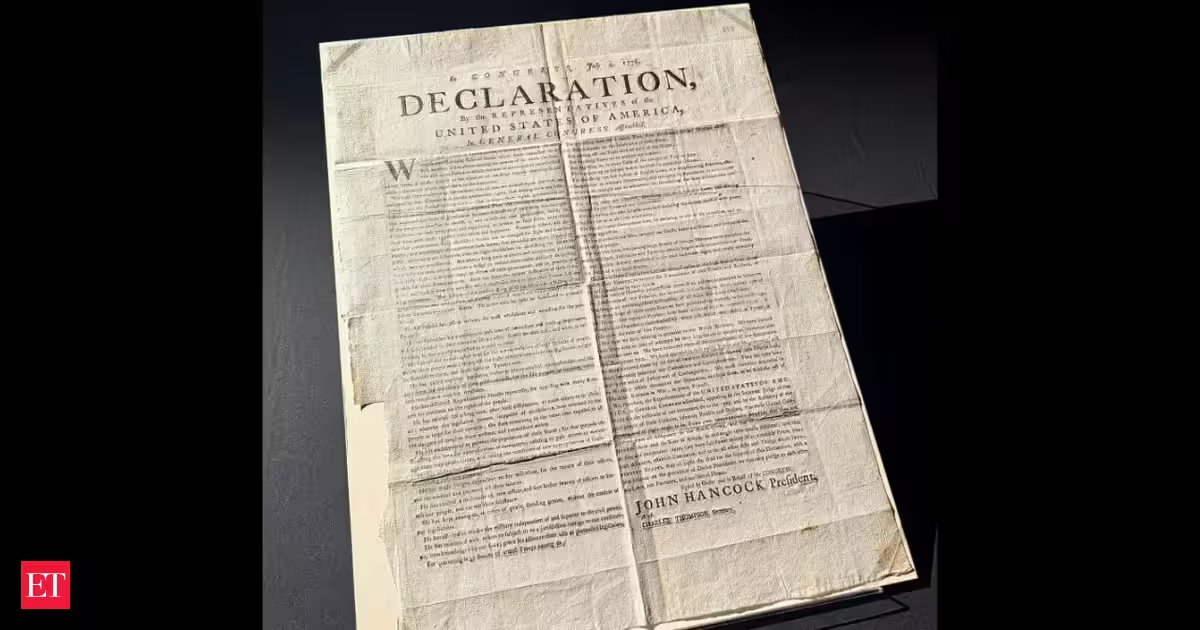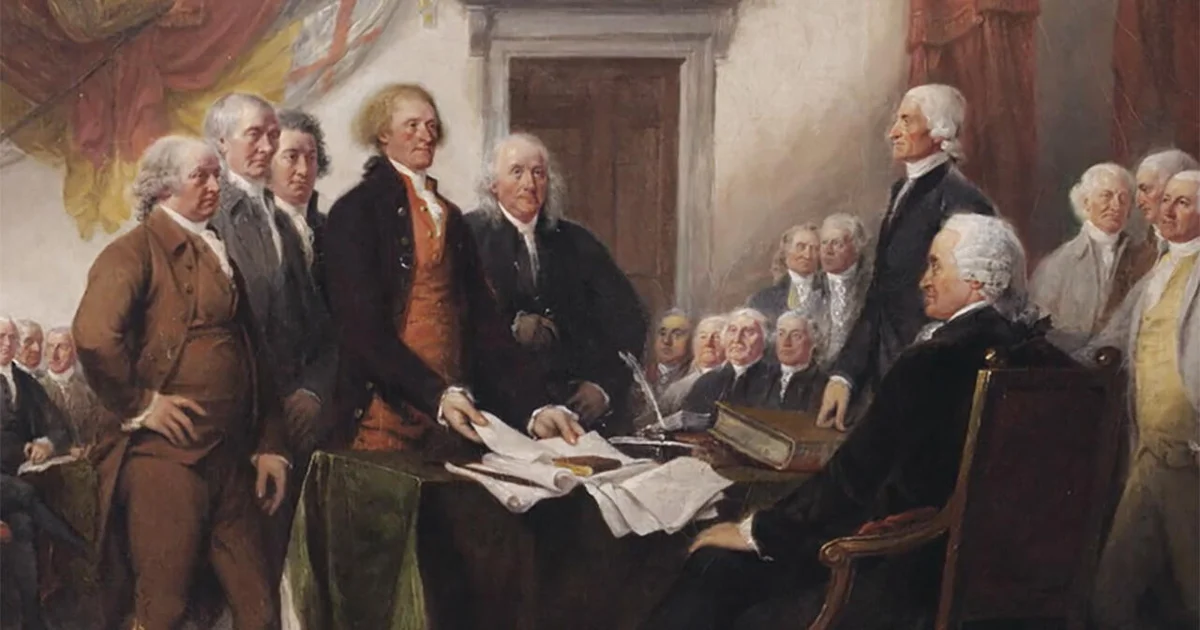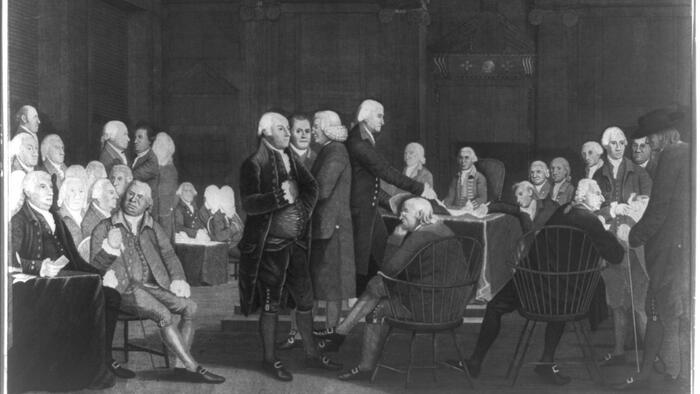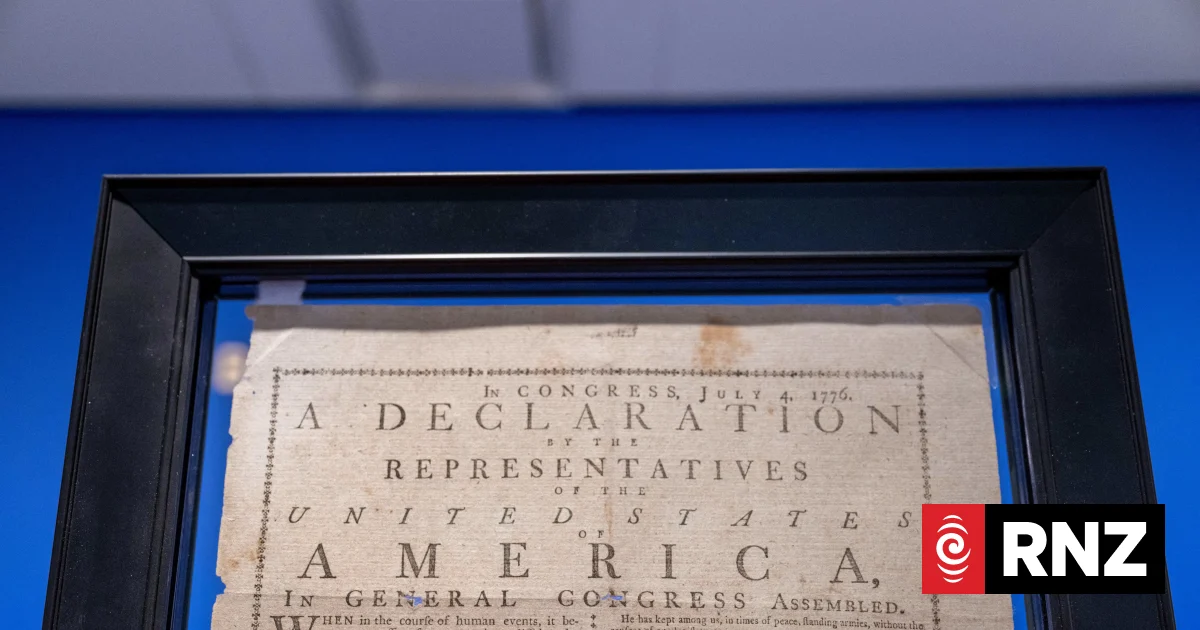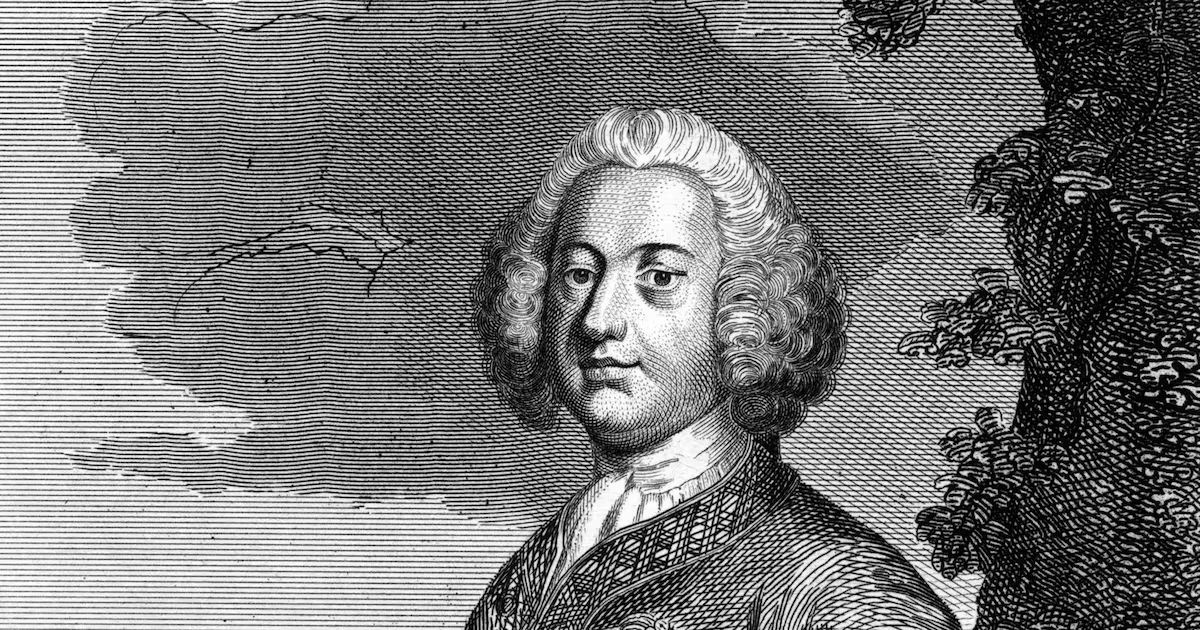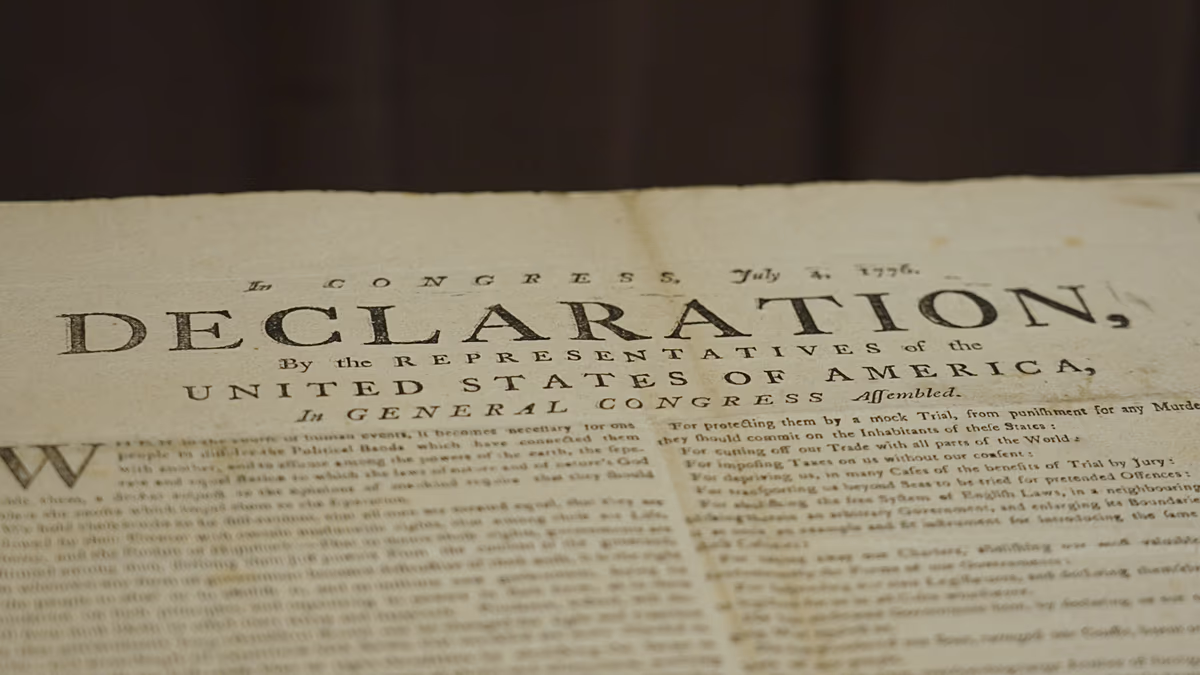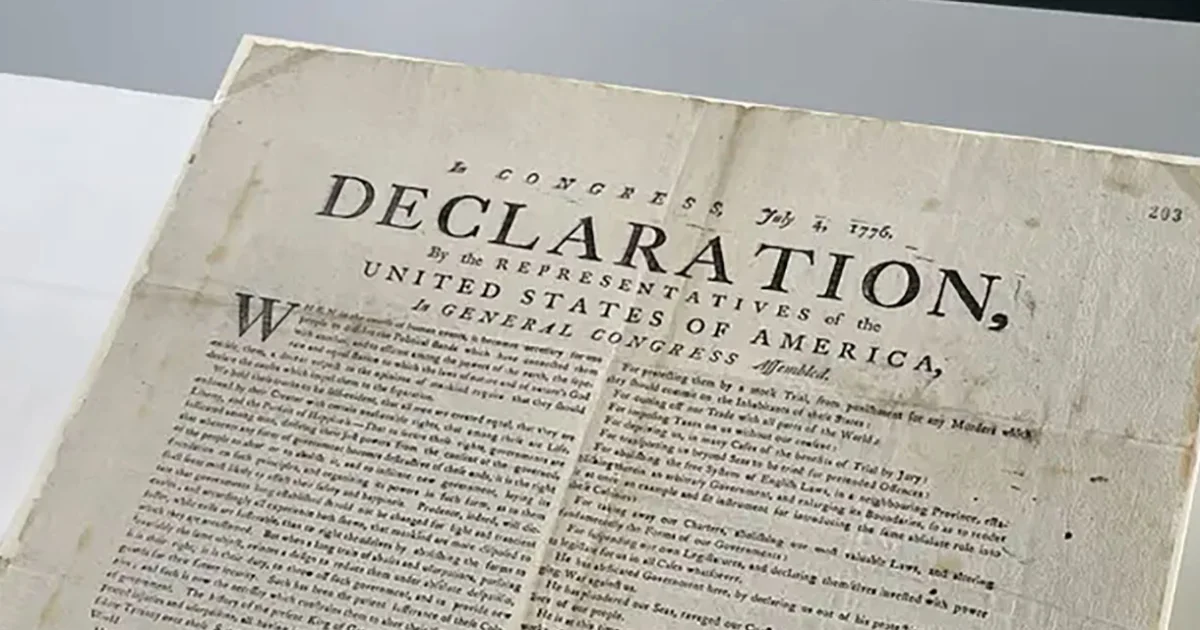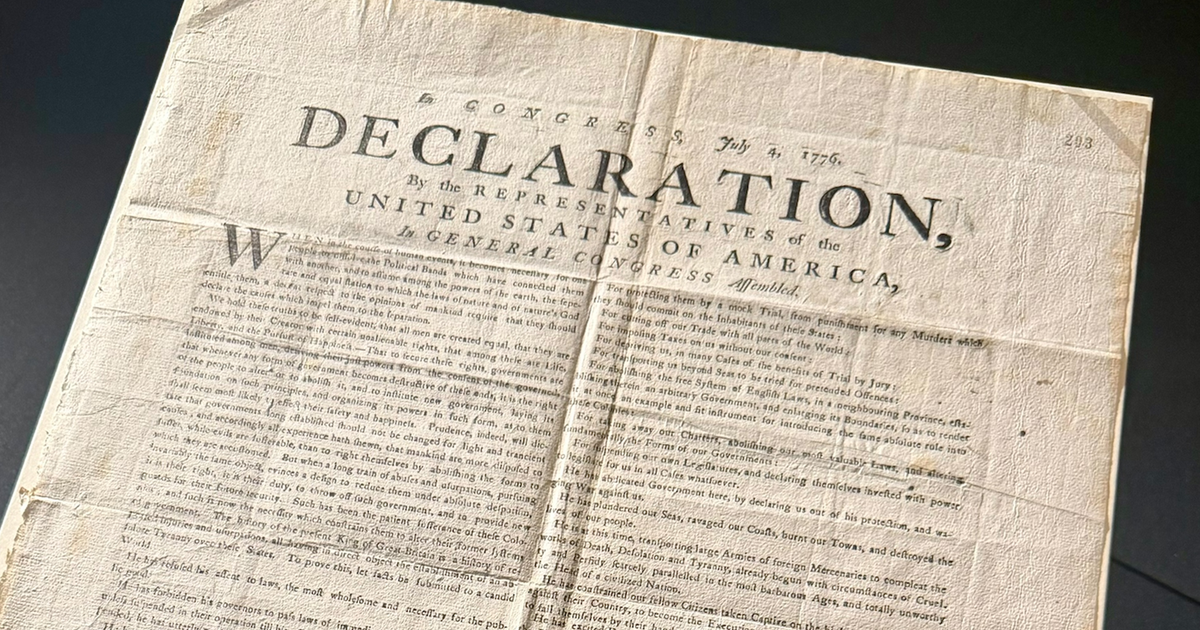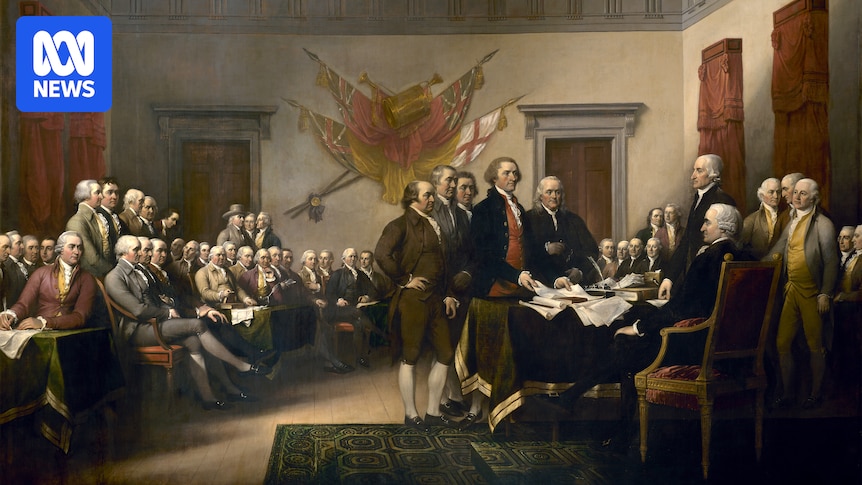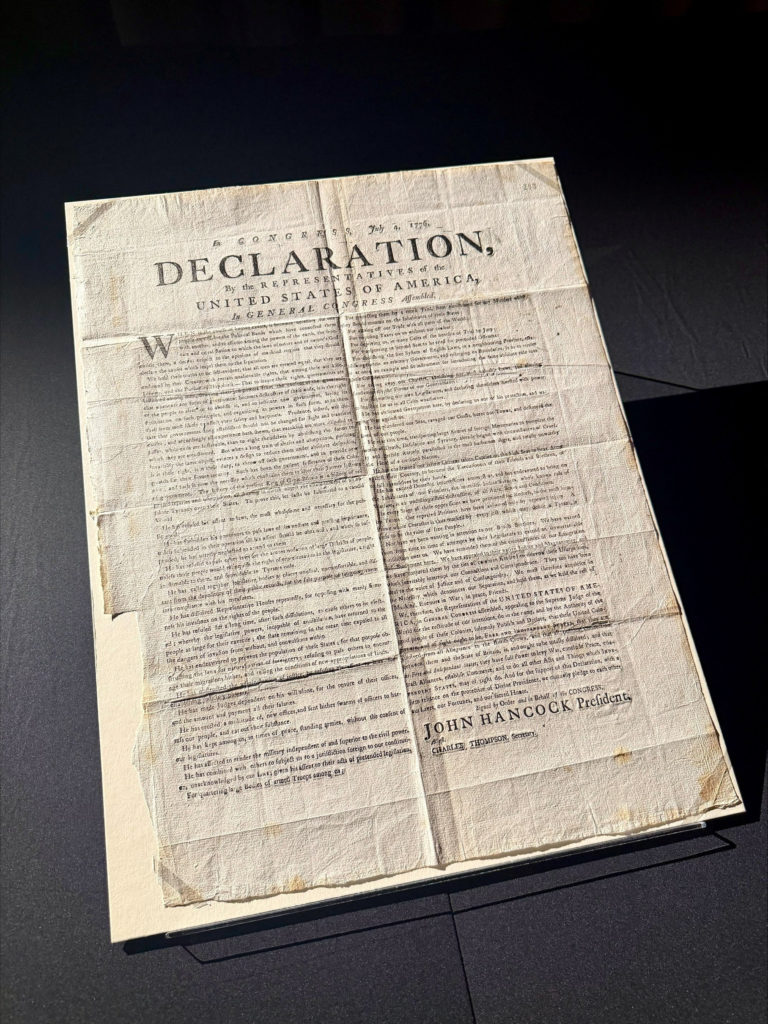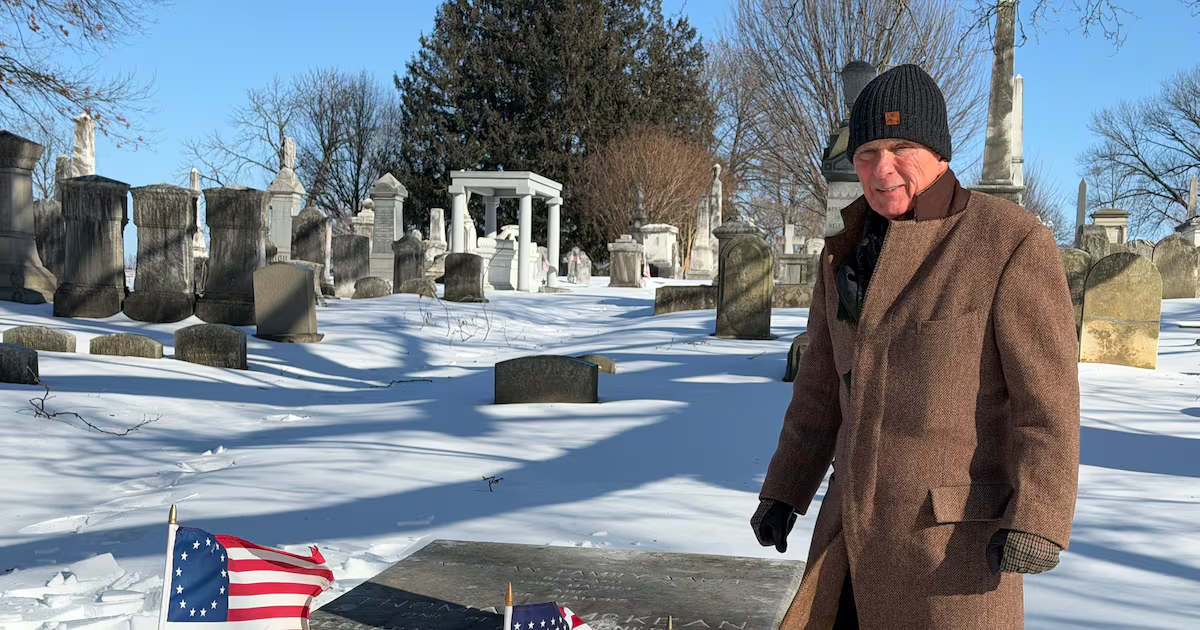
Of the 56 signatories of the United States Declaration of Independence, eight were born or had their roots in Ireland. Among them was Thomas McKean, from an Irish Presbyterian family, who was born in Pennsylvania in 1734, but signed the document on behalf of the colony – later, state – of Delaware. He is reputedly the last of the 56 signatories of the declaration. He was not present when the document was finalised as he left Philadelphia to return to the war against the British, and signed it later.His direct descendant, David McKean, has now made a documentary film about his ancestor for RTÉ in advance of the 250th anniversary of the Declaration of Independence in 1776. Thomas McKean is a former chief of staff to US senator and presidential candidate John Kerry and a former US ambassador to Luxembourg. He is also an author of many books about US history, including one about his illustrious ancestor – Suspected Independence: The Life of Thomas McKean – and also, most recently, The Flag Was Still There: A History of the American Experiment in Five Anniversaries. McKean knew much about Thomas’s involvement in the American Revolution, but not about his ancestor’s Irish heritage. Both of his parents were of Scots-Irish heritage from Co Antrim who settled in Pennsylvania. The Scots-Irish in the US were descendants of the lowland Scots who planted Ulster in the early 16th century, but they faced persecution themselves because of their nonconformist beliefs. Thomas McKean, reputedly the last of the 56 signatories of the US Declaration of Independence Tens of thousands of them fled to the US in the years leading up to the Revolution. They were welcomed in Pennsylvania, which had a tolerant religious culture. They brought with them a fierce antipathy towards the established Church of England and to the British monarch as its head. They believed in liberty of conscience and self government. One of them was Rev Francis Alison, from Leak in Co Donegal, who went to the colonies as a young man and preached these values. He is reputed to have educated five of the 56 signatories, including Thomas McKean. “I think he was very influential in terms of really creating for those students who studied with him the view that a government that did not allow its citizens to have a say in how they were governed was oppressive,” David McKean says. “People needed to participate in the affairs of state and to be counted, and to be understood and to have a role.” McKean noted that there was nothing inevitable about the American Revolution. As late as 1775, at the first Continental Congress in Philadelphia, the delegates petitioned king George III to lift the Coercive Acts which had been imposed on the colonies. When the king declined to intervene, the colonists turned on him. The Declaration of Independence, made public on July 4th, 1776, described him as a “tyrant unfit to be the ruler of a free people”. The first printing of the Declaration of Independence, printed by John Dunlap of Philadelphia on the night of July 4th, 1776, and delivered to congress the next morning. Photograph: Indiana University Thomas McKean had a pivotal role in ensuring an anonymous vote among the 13 colonies for independence. With the Delaware delegation split, he sent for Caesar Rodney, who rode through the night to get to Philadelphia to cast his vote. The Declaration of Independence, David McKean points out, was an aspirational document without the force of law. [ Maureen Dowd: Founding fathers have something to teach modern AmericansOpens in new window ]“Those who signed the Declaration of Independence are seen as this wise group that were all in agreement about everything. And that’s just not true. They were sort of making it up as they went along. They didn’t really know what would come next,” he says. The declaration’s most famous phrase, “all men are created equal”, was a lie as it did not include a half a million enslaved people in the colonies. “Thomas McKean did not own slaves. He gave an important speech at a certain time talking about how slavery was an abomination,” McKean stresses. “But he was a pragmatic individual as well. It was important to have a unanimous vote on the declaration to show that the colonies were all united about this. But they sidestepped an incredibly important issue, not just slavery, but also the indigenous people. Indians were there long before any Europeans arrived.“The question of who was actually an American is a really profound one, and it continues to be one that we struggle with today.” McKean’s book looks at celebrations of the Declaration of Independence at 50-year intervals: 1826, 1876, 1926, 1976 and 2026. [ The rise and fall of US hegemonyOpens in new window ]What would the founding fathers (they were all men) make of the present United States of America? “We’ve often taken one step forward and two steps back. And sometimes we’ve made terrible mistakes that have taken years or decades even to correct,” McKean says. “And I’m thinking specifically about reconstruction after the civil war, where black Americans were given protection under the law, and then it was, to all intents and purposes, completely revoked.“We’ve made a lot of progress in terms of life, liberty, and the pursuit of happiness, self governance and equal rights. All of those have been improved.[ The American Experiment on Netflix: Tom Hanks doc explores the US’s rocky road to ‘greatness’Opens in new window ]“But are we a perfect country? By no means – that’s why we call it an American experiment. This is a unique country in the sense that we always retain our institutions. We retain that ability to improve. And I think we have.” A victorious George Washington firmly rejected the idea of the US becoming a monarchy. Instead, he became the first president of the republic. Hence, the “no kings” protests of recent years, which are a timely reminder that president Donald Trump cannot expect to have untrammelled power. People take part in a 'No kings' protest on June 14th, the day of a military parade commemorating the US army’s 250th anniversary. Photograph: AP/Rod Lamkey jnr What would the signatories have made of Trump? “It’s a fair question,” McKean responds. “Thomas McKean believed deeply in the rule of law. That is being challenged on so many different fronts at the moment and the entire sort of structure of our democracy, the system of checks and balances, is being challenged. “And so I think that they would be, like many Americans, very worried and very concerned. I think they would hope that Americans would think about their beginnings, think about what it is it means to have self governance.” Freedom Founder: Thomas McKean and the American Revolution airs on Monday, June 29th, at 9.35pm on RTÉ One and RTÉ Player.
‘The United States is still an experiment,’ says descendant of signatory of Declaration of Independence
David McKean’s ancestor Thomas McKean was one of eight signatories of Irish descent to sign the document
1,148 words~5 min read