The latest multi-decade blueprint for Australia’s main electricity grid was released last week, and will be the subject of intense debate for months to come – at least until the draft of the 2028 version is released at the end of next year.
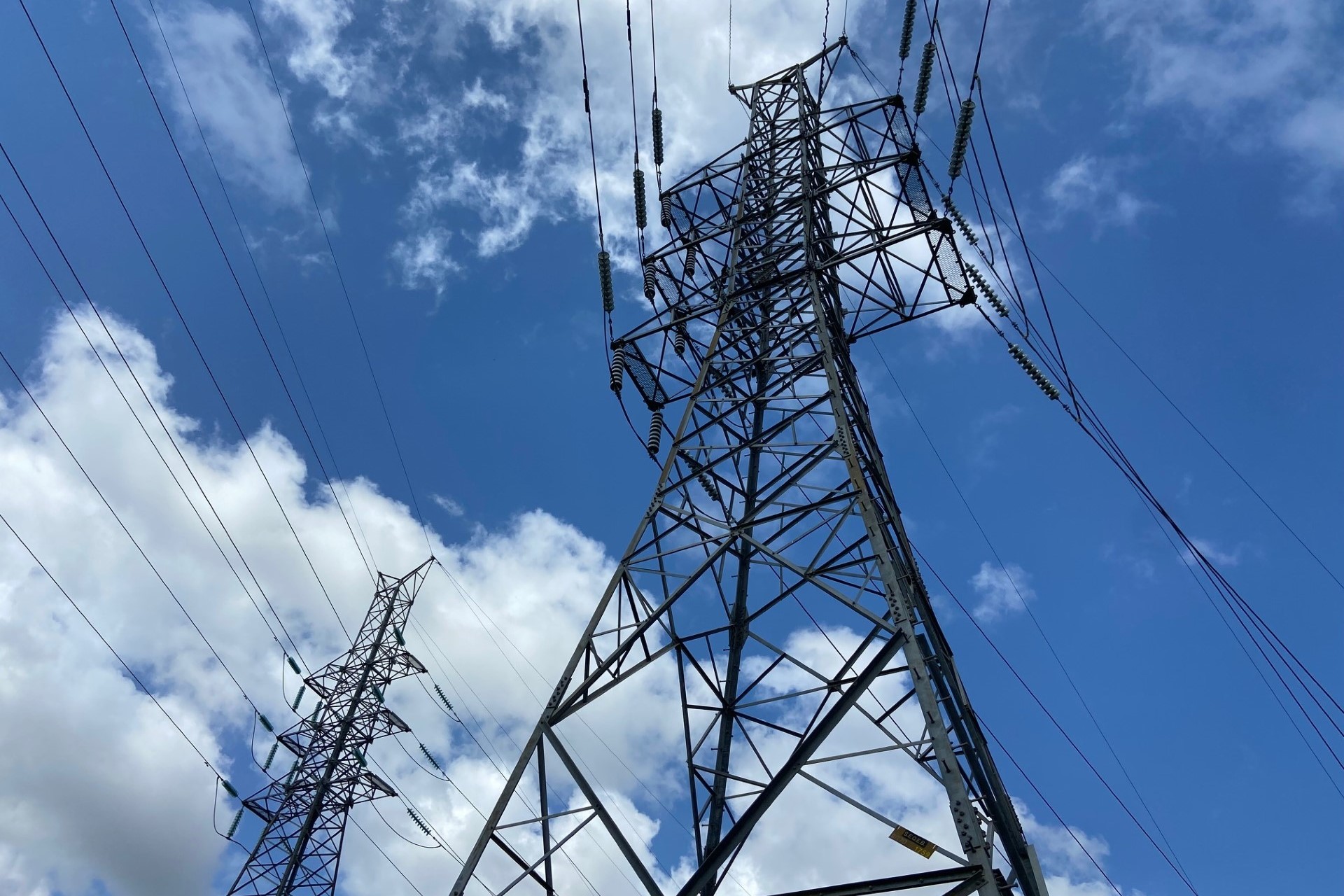
The 2026 Integrated System Plan prepared by the Australian Energy Market Operator is based on the least cost pathway to replace the country’s ageing coal fleet, with the current energy and climate policies of federal and state governments top of mind.
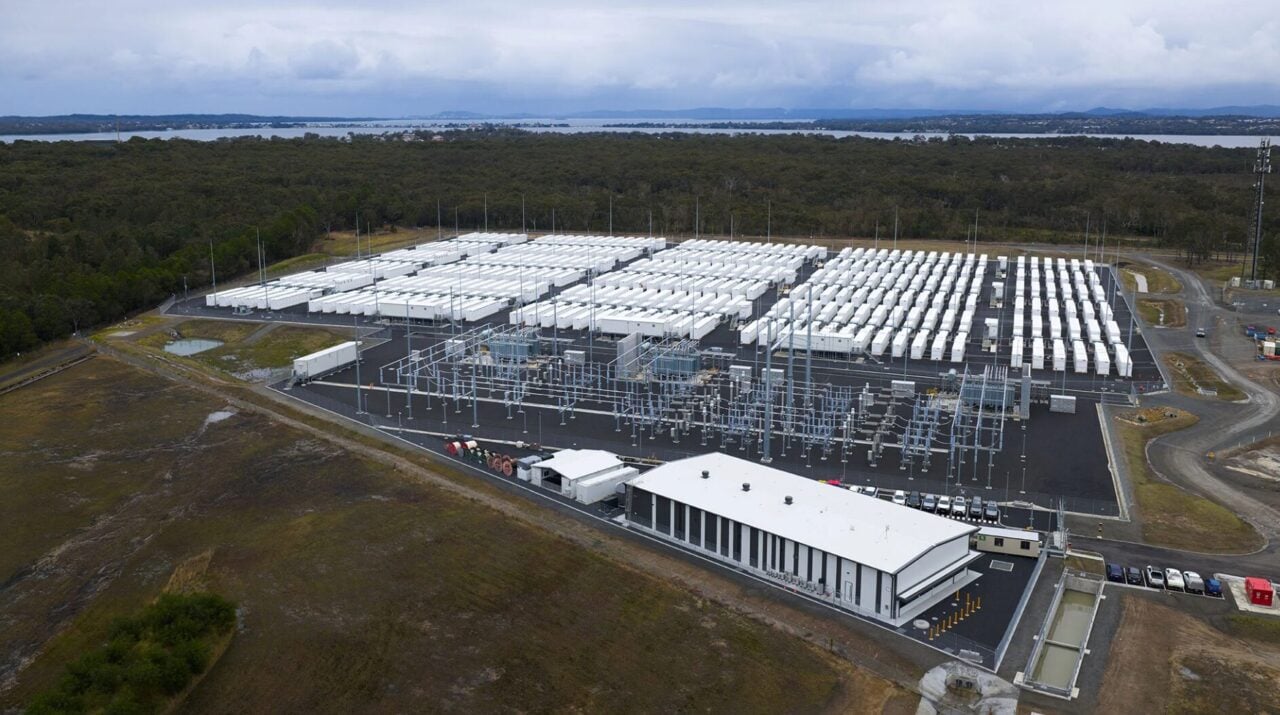
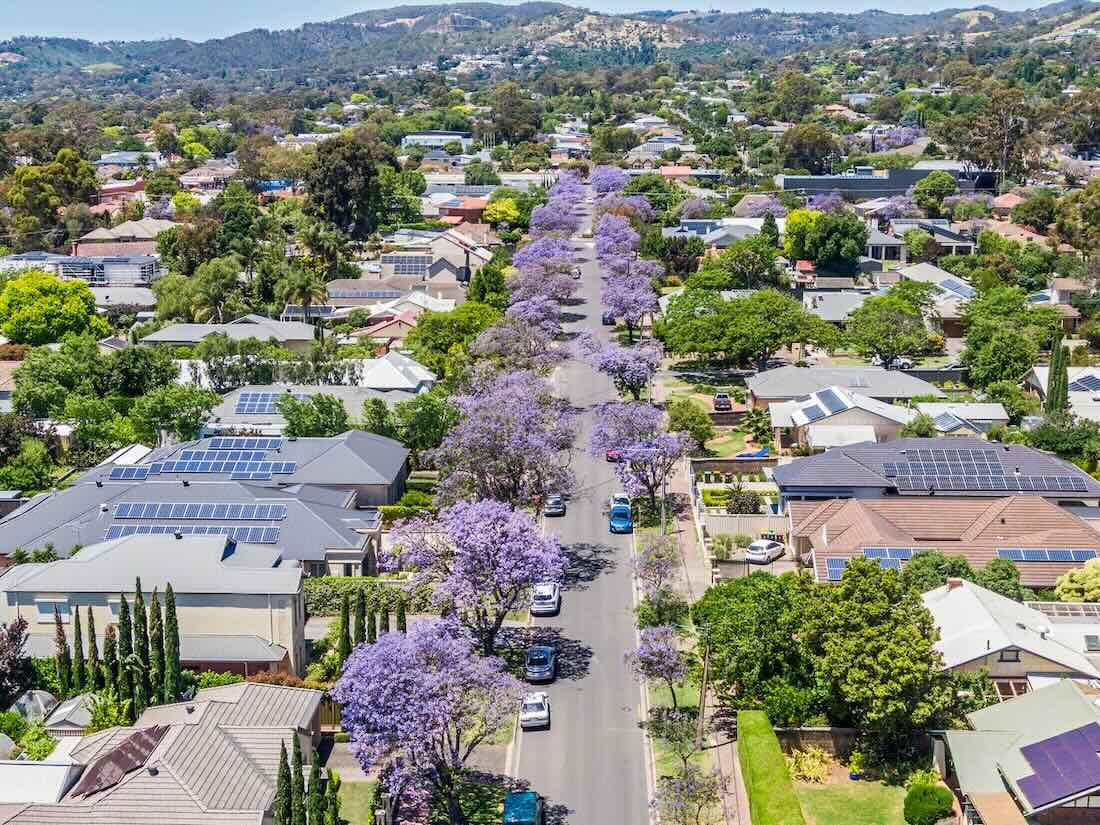
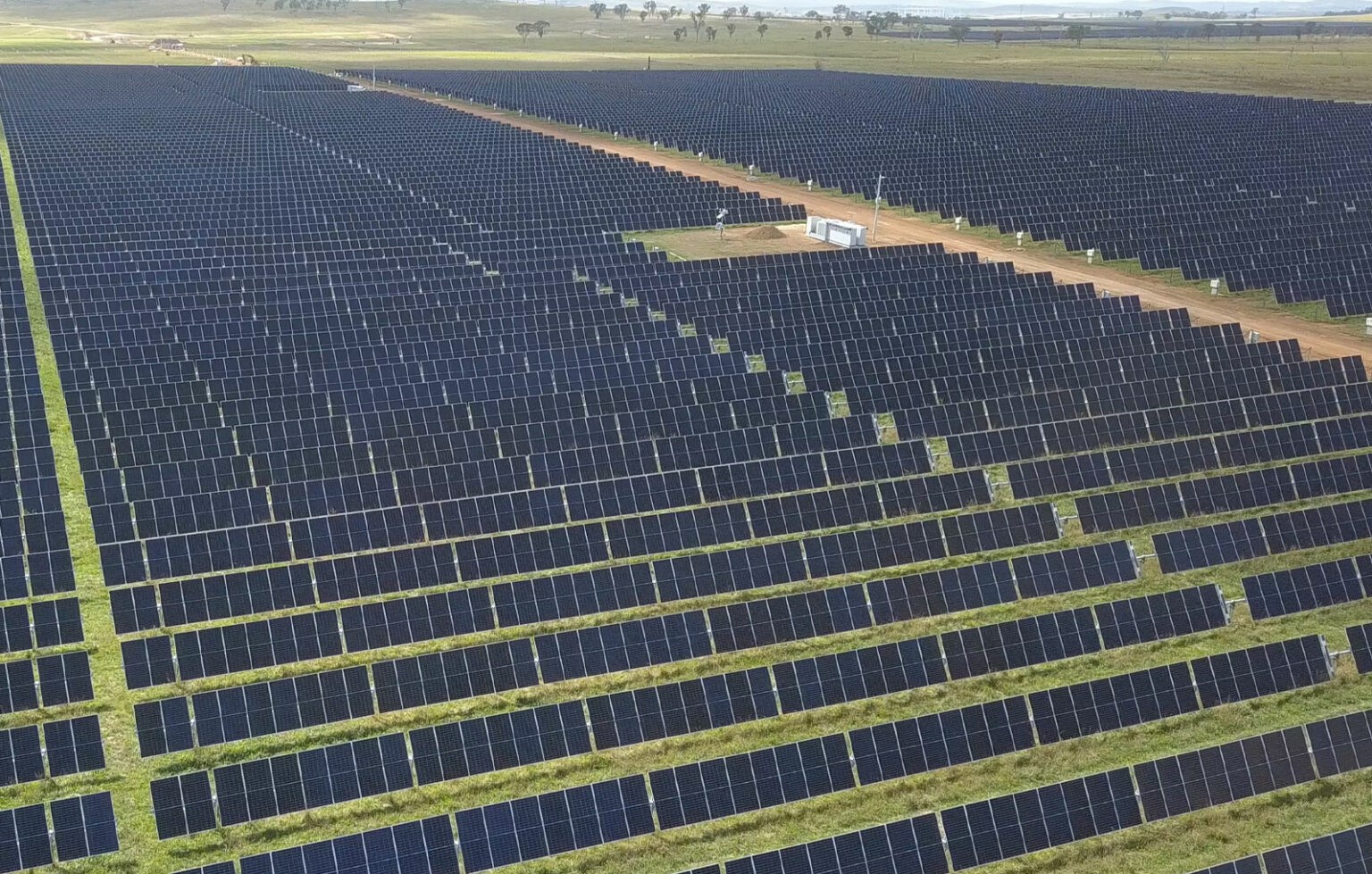
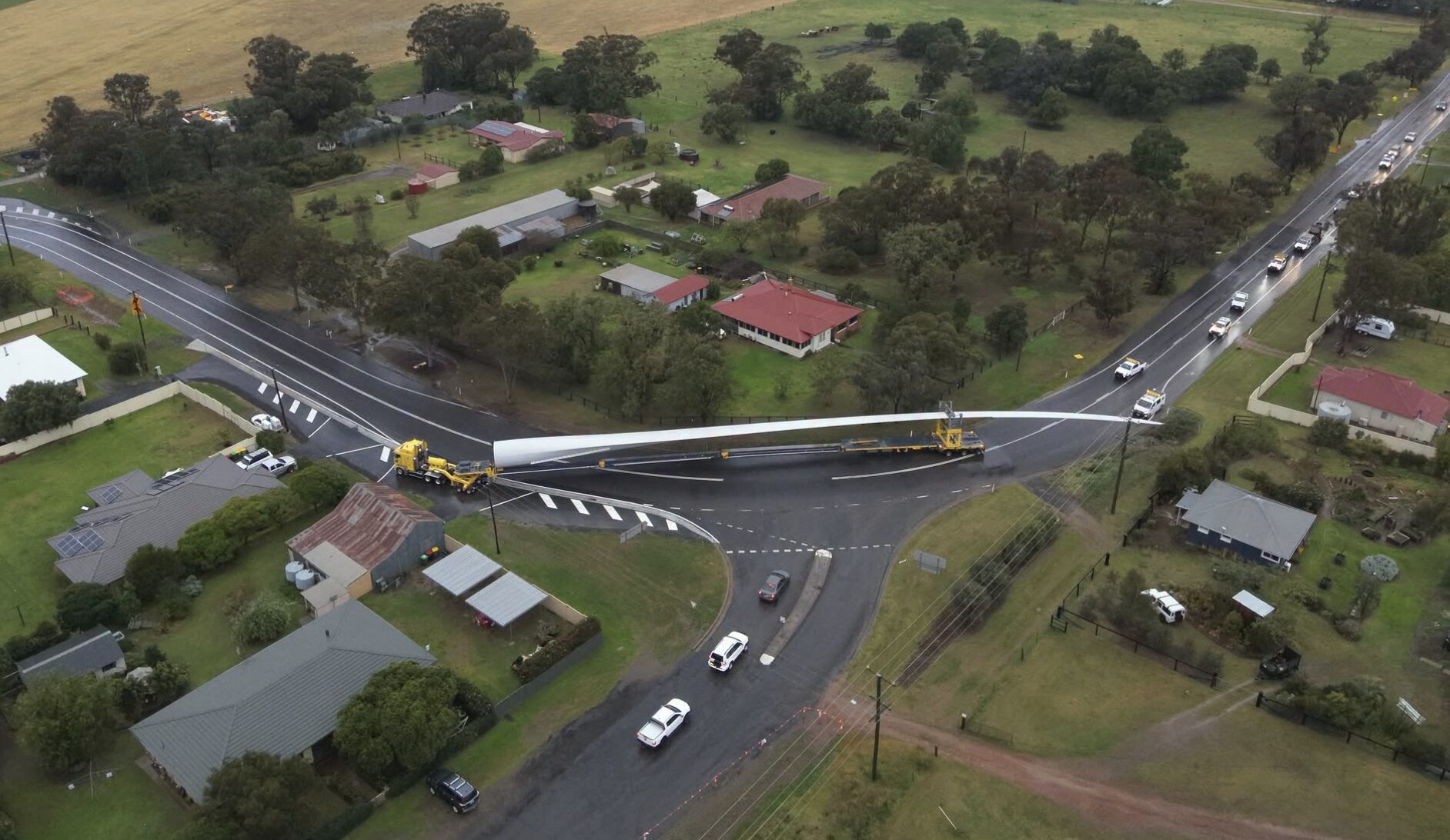
The headline number is that it will need another 117 gigawatts of large scale wind and solar to be built over the next couple of decades, along with 87 GW of distributed solar (mostly on rooftops) and 64 GW of storage.
But what if the overriding target was to align Australia’s efforts to a target consistent with the 1.5°Ç scenario that was the basis of the Paris climate agreeement signed in 2015, rather than current policies.
That requires a completely different focus on what’s needed, and a vast acceleration in the rollout of new technologies, in particular large scale solar and battery storage.