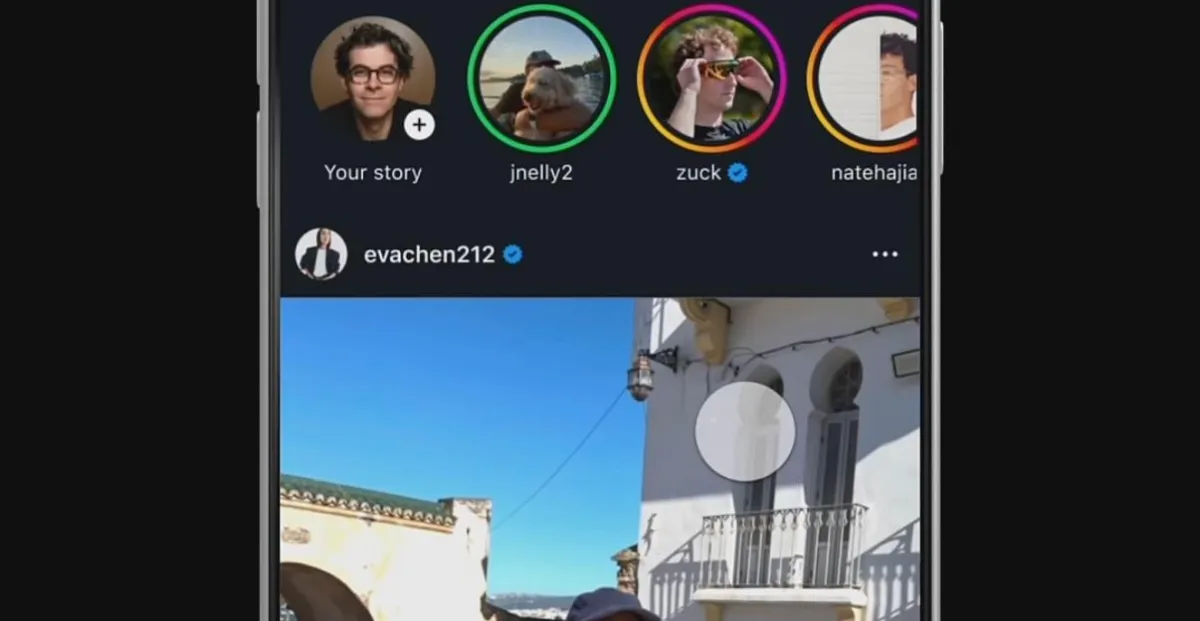
Photo credit: APInstagram spent five years aggressively morphing into a TikTok clone, prioritising discovery over connection. The strategy hit a structural wall. Adam Mosseri’s late 2026 confirmation of expanded feed customisation features signals a forced tactical retreat. By rolling out tools like Snooze Suggested Posts, an Algorithmic Reset, and dedicated Interest Channels, Instagram transfers the burden of curation back to the user. This pivot addresses a dual crisis: massive user fatigue from algorithmic overload, and strict regulatory mandates from the European Union’s Digital Services Act (DSA). The monolithic, AI-driven feed is fracturing into segmented, user-controlled silos. Key TakeawaysInstagram’s 2025 and 2026 feed customisation includes the ‘Snooze Suggested Posts’ tool, allowing users to pause algorithmic recommendations for 30 days.The ‘Reset Suggested Content’ function wipes the app’s machine learning profile, clearing tracking history to rebuild the feed from a blank slate.Interest Channels, introduced in 2026, allow users to segregate the Explore page into strict, chronological topic feeds, bypassing the main viral algorithm.These features comply with the EU Digital Services Act (DSA), which mandates that platforms offer users the option to opt out of personalised recommendation systems.Why is Instagram suddenly giving control back to the user?The DSA forced the architectural shift. The European Union legislation requires large platforms to provide a mechanism for users to opt out of algorithmic profiling. Instagram historically relied on a closed, opaque recommendation engine to maximise ad impressions. Complying with the DSA meant building the backend infrastructure to decouple the user’s tracking profile from the feed logic.Simultaneously, Instagram faced a churn crisis. TikTok won the raw discovery war. Instagram’s attempt to inject TikTok-style "Suggested Posts" into the home feed alienated the app's core demographic - users who downloaded Instagram to see their friends. The algorithmic feed prioritised viral content from strangers, burying posts from actual connections. User trust eroded. Engagement metrics inflated briefly, but time spent in the app began to stagnate as users grew exhausted by the relentless scroll of high-stimulation, low-relevance content.Instagram treats its feed architecture like an automotive engineering platform. For the last five years, the platform locked users into a single-speed automatic transmission. The algorithm dictated the gear ratios, the power delivery, and the acceleration. Users possessed zero manual control over the content flow. The engine redlined, burning out the audience.The new customisation features act as an active suspension and transmission override. The system still offers the automatic algorithmic drive, but users now possess paddle shifters. The ‘Snooze button’ drops the transmission into neutral, cutting the engine feed of algorithmic suggestions for 30 days. The ‘Reset Suggested Content’ tool performs a factory ECU flash, wiping the learned driving habits and forcing the machine to relearn the user's preferences from a standing start.Feature NameRelease TimelineFunctionStrategic PurposeSnooze Suggested PostsLate 2024 / 2025Pauses algorithmic recommendations for 30 daysComplies with DSA opt-out mandates; offers fatigue reliefReset Suggested Content2025Wipes machine learning profile and tracking historyAllows users to escape a corrupted interest graphInterest Channels2026Segregates Explore into strict, chronological topic feedsRestores the app's original "connection" identityAI Context Tags2026Labels AI-generated or heavily altered content in the feedRebuilds user trust through transparency How do these features change the user experience?The algorithm dictated the stadium tour setlist for years. It forced users to listen to the same five hit singles on repeat because those tracks generated the highest engagement metrics. The system buried the B-sides and the deep cuts - the niche creators and actual friends that users originally followed.Interest Channels hand the setlist back to the crowd. Segregating the Explore page into dedicated, chronological topic feeds allows users to consume content outside the viral algorithm. This transforms the app from a discovery engine back into a social utility. The Snooze feature provides immediate relief from context-switching. A user watching a long-form video essay avoids having their concentration broken by a sudden 15-second viral comedy clip.The Reset Suggested Content tool addresses the problem of a corrupted interest graph. Over years of use, a user’s algorithmic profile becomes polluted. Accidental clicks, momentary curiosities, and bot interactions skew the machine learning weights. The Reset function allows a user to wipe the slate clean, forcing the algorithm to re-evaluate based only on current, intentional interactions. What happens to creators when users reset the algorithm?Creator panic sets in. For the last half-decade, Instagram trained creators to optimise for the algorithm, tailoring content for the machine rather than the human. Engagement farmers built their entire strategy around triggering the recommendation engine - using specific hooks, trending audio, and rapid-cut editing to keep the algorithm pushing their content to the "Suggested" feed.When a user engages the Snooze feature or switches to an Interest Channel, the engagement farmer loses their stage. Content reaches strictly the people who actively choose to follow the account or subscribe to that specific topic. Creators relying on viral reach from non-followers witness their impression metrics plummet.This forces a creator ecosystem shift. Quality and community replace hacky engagement triggers. A creator producing highly specific, valuable content for a dedicated audience thrives in the Interest Channel environment. A creator relying on broad, algorithmic slop starves. The Reset tool particularly terrifies mid-tier creators. A user resetting their algorithm wipes out months of careful content seeding, forcing the creator to win back the follower's attention organically. How does Meta protect ad revenue with these features?Handing control back to the user threatens the core advertising model. Algorithmic feeds allow Meta to inject hyper-targeted ads based on inferred behaviours. If users snooze suggestions or reset their algorithms, the targeting data degrades.Meta engineers built a structural workaround. The company decoupled ad targeting from the main feed recommendation logic. Even when a user activates Snooze, the platform continues tracking their explicit interactions - likes, saves, direct messages - to fuel the ad delivery engine. Furthermore, Meta leverages these segmented feeds to sell contextual ad placements at a premium. An ad served within a dedicated Interest Channel reaches a user in a highly attentive, topic-specific mindset. Meta charges a higher CPM (Cost Per Mille) for these placements, arguing that a contextual feed guarantees a higher conversion rate than a blended algorithmic feed where users scroll rapidly past irrelevant content. The broader social media landscape shiftInstagram’s pivot reflects a broader industry fatigue. TikTok itself introduced a "Refresh" button to reset the For You Page, acknowledging that algorithmic burnout is universal. BeReal forced the industry to acknowledge the demand for authentic, unfiltered connections.Instagram’s strategy now balances two distinct products within one app. The "Suggested" feed operates as a discovery engine, competing with TikTok for viral entertainment. The "Following" and "Interest Channels" modes operate as a social utility, competing with iMessage and WhatsApp for direct connection. By physically separating these functionalities through the new customisation toggles, Instagram admits that discovery and connection fail to coexist within a single, blended feed. FAQ: Instagram Feed Customisation1. How does the Instagram Reset Suggested Content tool work?The Reset tool clears the user's machine learning profile, wiping tracked interactions, explore page history, and inferred interests. The algorithm rebuilds the feed based solely on the accounts the user explicitly follows, re-learning preferences from scratch based on future actions.2. Does the Snooze button stop all ads?The Snooze button pauses suggested posts from accounts the user follows, but it leaves ad delivery intact. Meta continues serving targeted ads based on the user's explicit in-app actions and broader platform data, ensuring revenue streams remain active during the snooze period.3. Can creators see when a user resets their algorithm?Creators lack visibility into individual user algorithm resets. Creators will observe a macro-level drop in reach from non-followers if a significant portion of their audience utilises the Reset or Snooze tools, but the platform obscures the specific actions of individual users.4. Are Interest Channels available globally?Interest Channels are rolling out globally in phases throughout 2026, prioritising European Union countries to ensure immediate compliance with the Digital Services Act. Users in North America and Asia receive the feature in subsequent app updates over the coming months.5. Will these features decrease my overall screen time?Engaging the Snooze or Interest Channel functions typically results in shorter, more intentional app sessions. By removing the infinite scroll of high-stimulation algorithmic suggestions, users consume their followed content and exit the app, reducing overall screen time while increasing session satisfaction.end of article
Instagram Feed Customisation: Why Mosseri is Letting You Reset the Algorithm
Instagram spent five years aggressively morphing into a TikTok clone, prioritising discovery over connection. The strategy hit a structural wall. Adam Mosseri’s late 2026 confirmation of expanded feed customisation features signals a forced tactical retreat. By rolling out tools like Snooze Suggested Posts, an Algorithmic Reset, and dedicated Interest Channels, Instagram transfers the burden of curation back to the user. This pivot addresses a dual crisis: massive user fatigue from algorithmic overload, and strict regulatory mandates from the European Union’s Digital Services Act (DSA).
1,365 words~6 min read