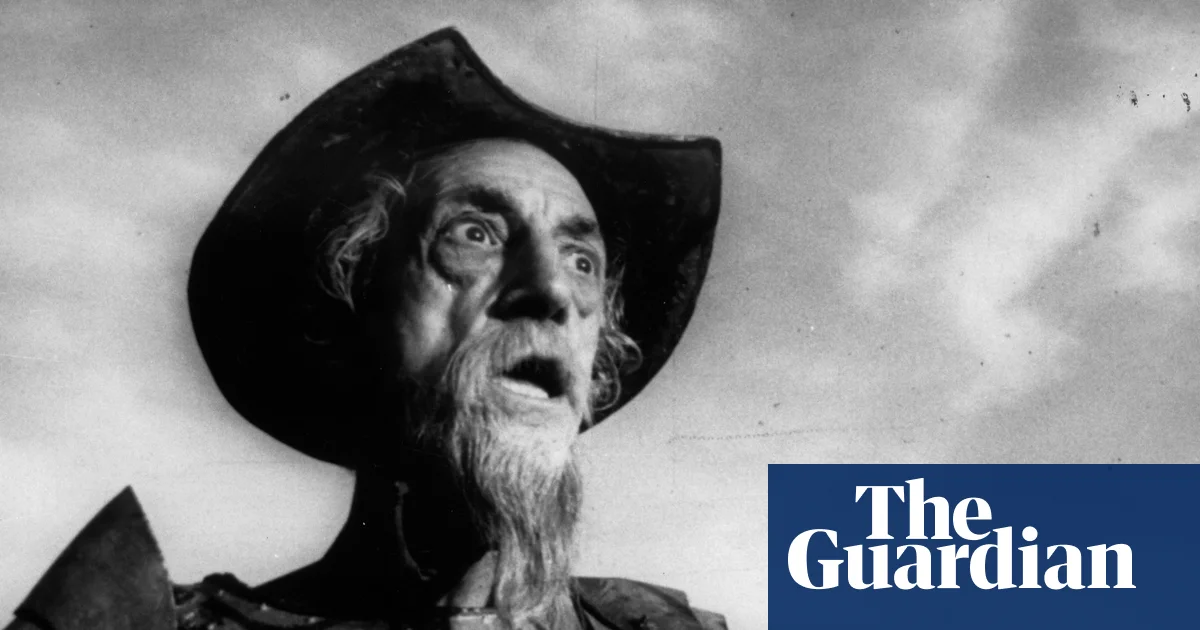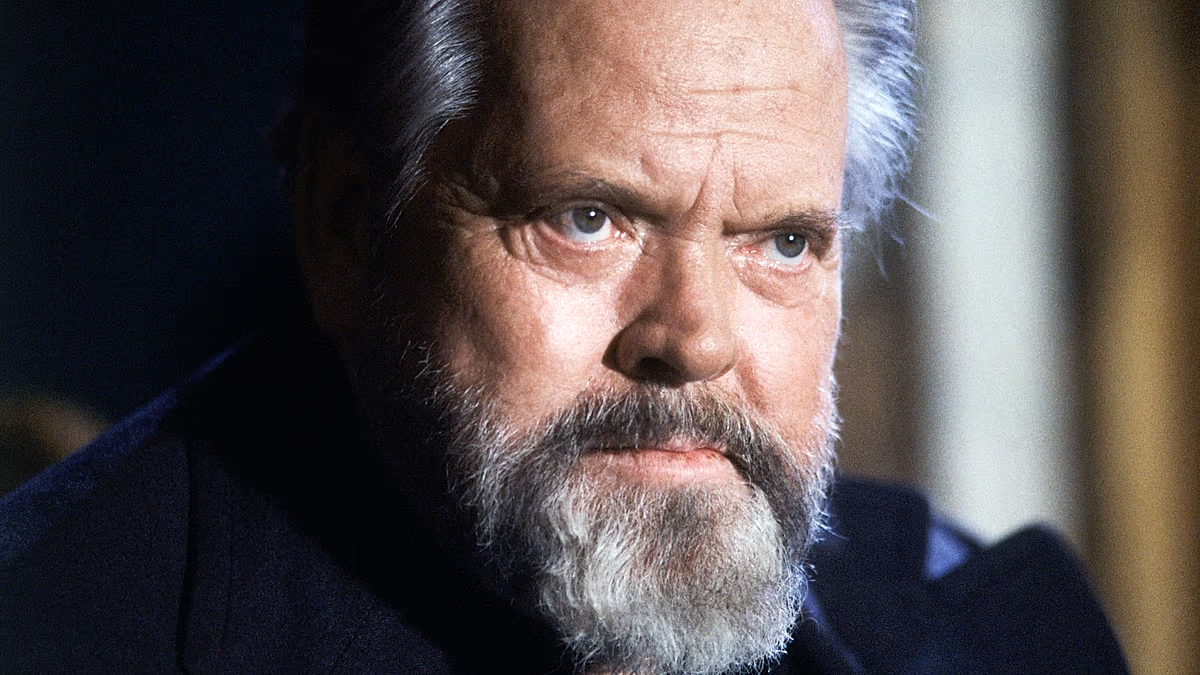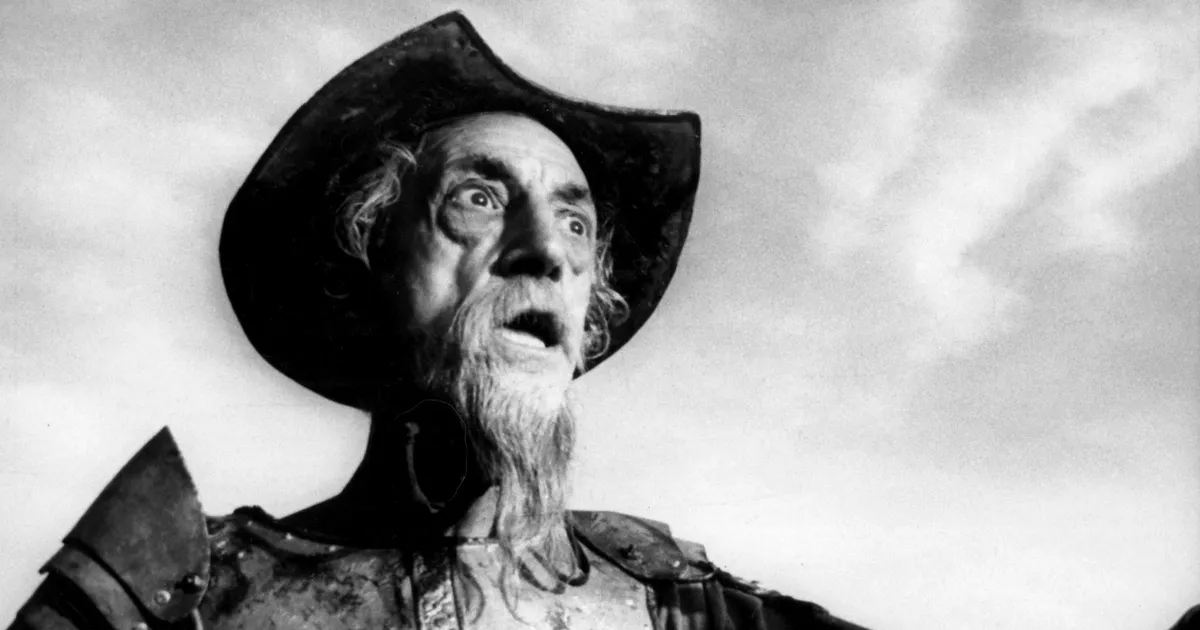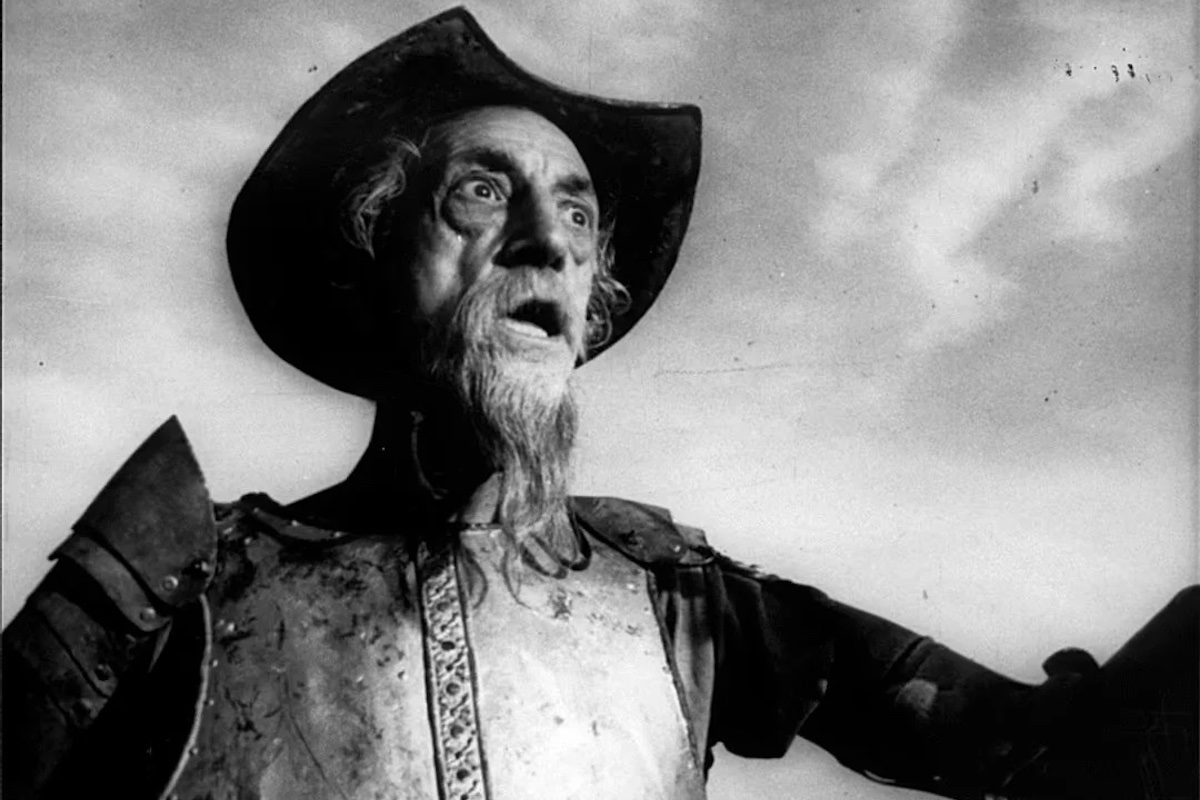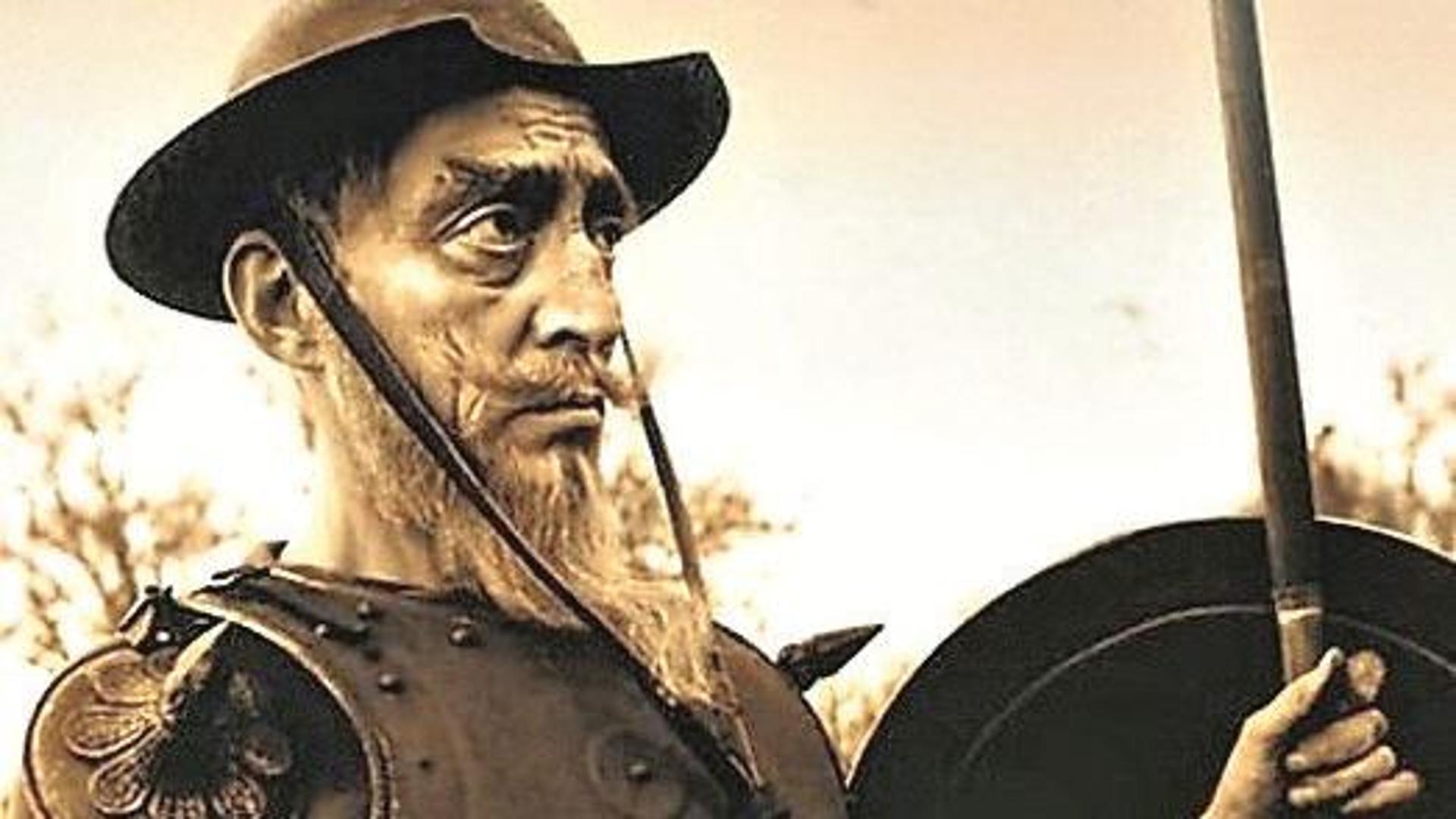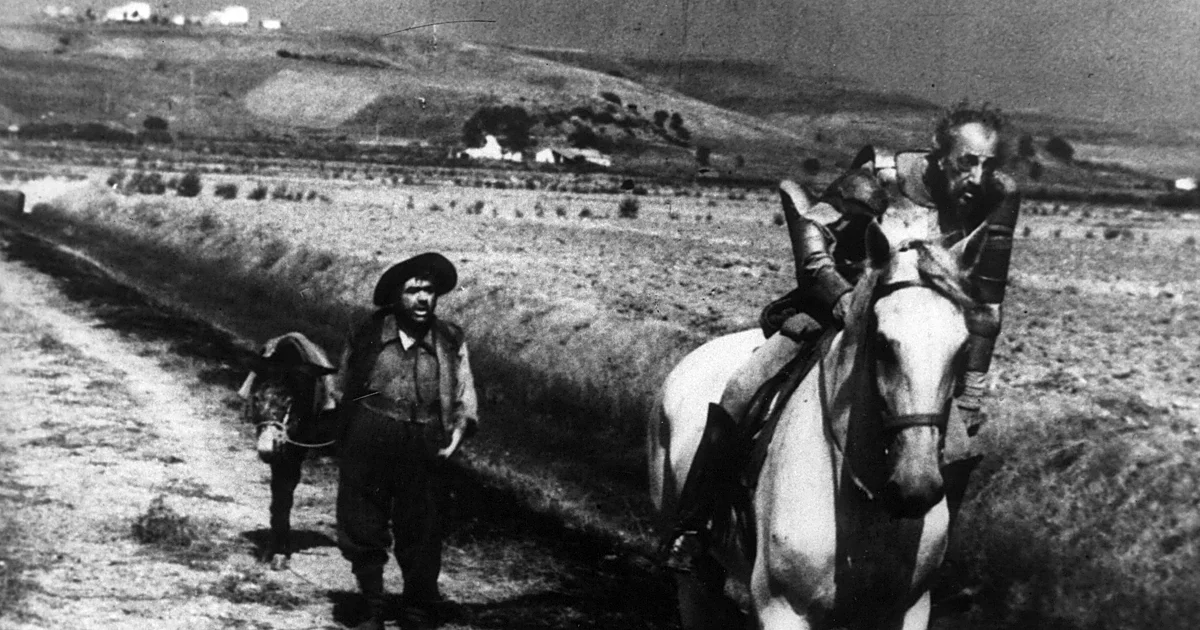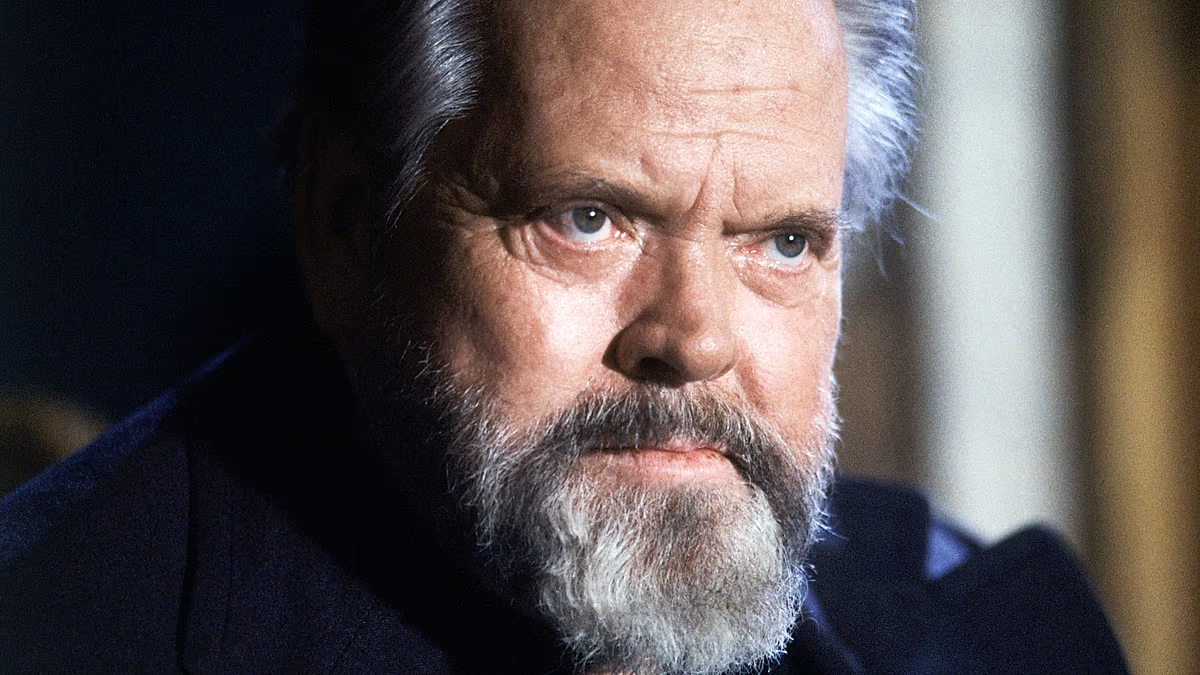
“Film directors are a bunch of wretches who devote themselves to doing something that is, technologically, almost obsolete,” Orson Welles declared in a 1985 interview, recorded by ‘Arte TV’ (source in Spanish), months before his death. Alonso Quijano could have said something similar about the profession of chivalry, already obsolete in the Renaissance Spain that witnessed his exploits, which may explain why one of the most influential filmmakers in history felt compelled to adapt Cervantes’ classic.
Nearly 40 years later, a project led by the Spanish Film Archive, in collaboration with the Cinémathèque Française, Italy’s Cineteca Nazionale and Munich’s Filmmuseum, aims to gather the material scattered across these four countries in order to reconstruct the filmmaker’s dream: a shoot that began in 1957 in Mexico and then stretched over the next three decades of his life, without a final version ever seeing the light of day.
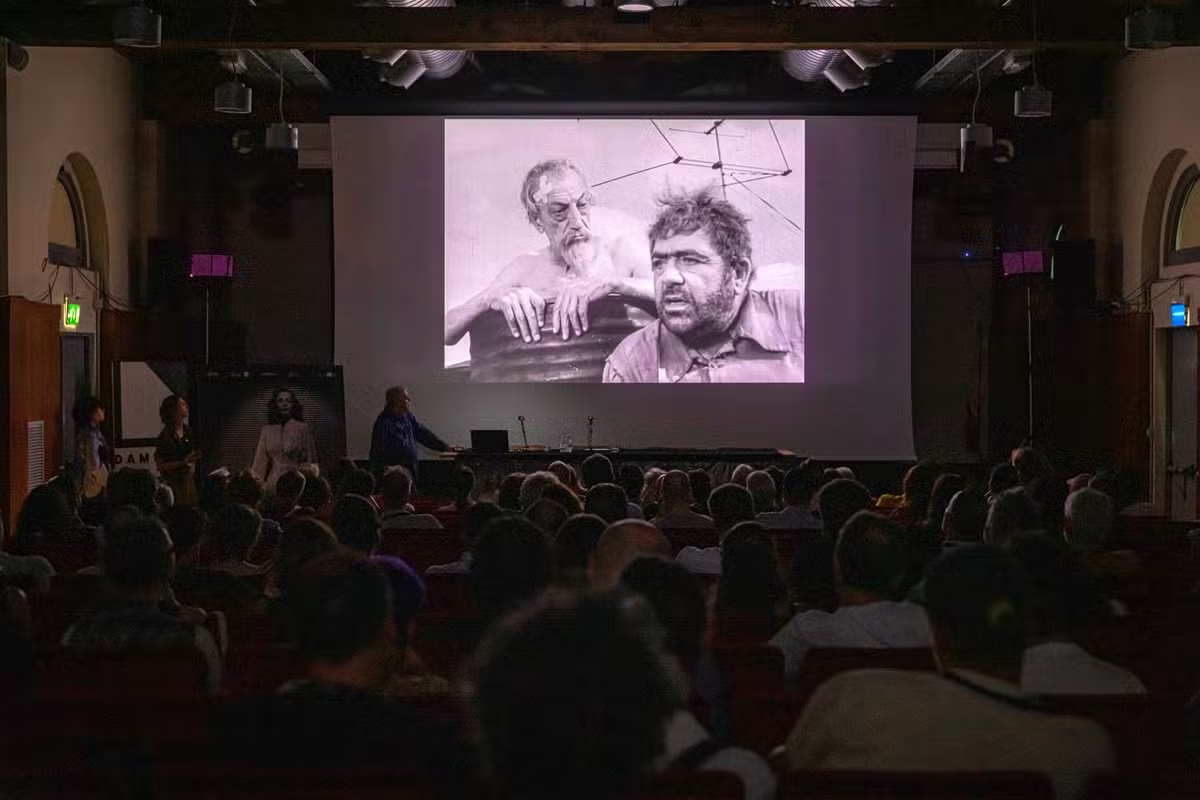
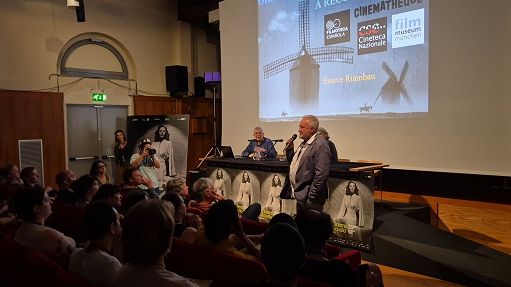
“We are not talking about a restoration,” clarifies Esteve Riambau, a historian specialising in Welles and former director of the Catalan Film Archive. “We’re talking about reconstructing a film whose ideas and materials kept changing, with things being added and discarded… It is still too early to know whether we have everything or what we are missing,” he adds in a phone call from Bologna, the city where he has presented this project at the Il Cinema Ritrovato festival together with the director of the Spanish Film Archive, Valeria Camporesi.