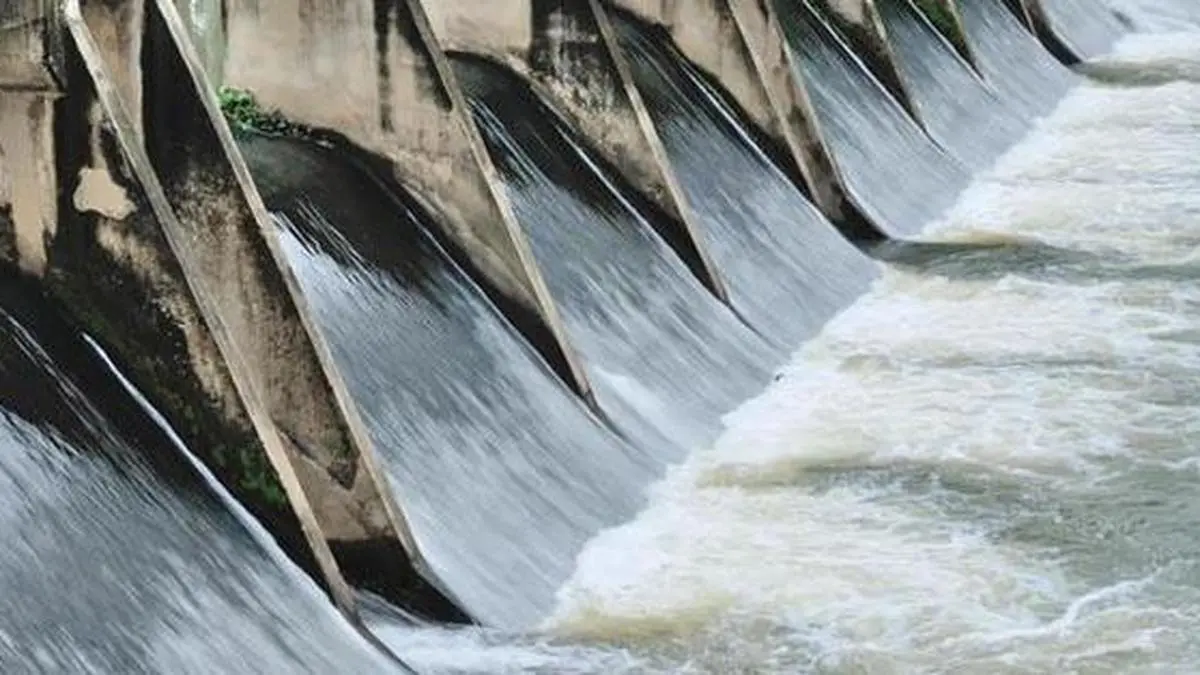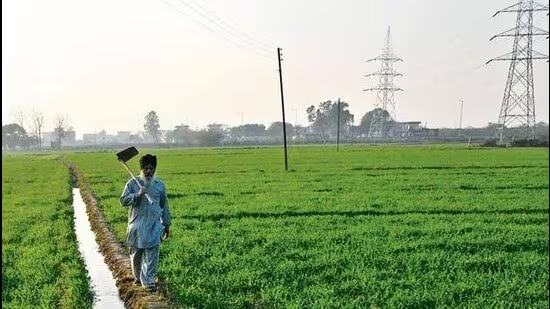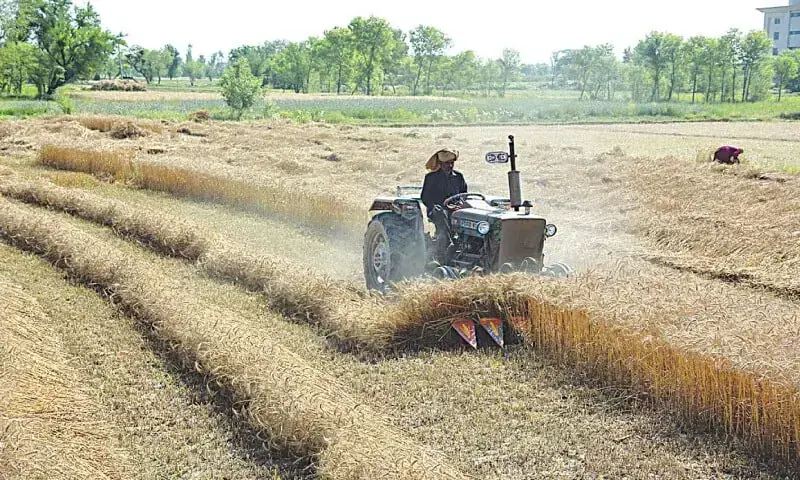
One of the revenue measures in Punjab’s recent budget is an increase in abiana (canal water charges) for farmers, along with a shift from crop-specific rates to a uniform flat rate regime.
Over the years, the Punjab government has repeatedly oscillated between these two regimes. In 2003, crop-specific charges were replaced with a uniform flat rate. Two decades later, in 2023, the government reverted to crop-specific rates, only to switch back to a flat rate system again just three years later in 2026. Such frequent policy reversals reflect a lack of consistency in the government’s approach to canal water pricing.
Farmers, however, have largely welcomed the latest move to restore a uniform flat rate. The crop-specific system was widely criticised as illogical and irrational. Under it, rice farmers paid Rs2,000 per acre, while sugarcane and maize were charged Rs1,600 and Rs1,200, respectively. Wheat, oilseeds, fodder, and other crops were charged only Rs400 per acre. The anomaly was striking: for the same land and same water allocation, a rice farmer had to pay five times more than a fodder grower.
This system led to widespread corruption. Since charges depended on declared crops, irrigation officials (patwaris) could alter classifications on paper. That encouraged collusion and rent-seeking, benefiting both the farmer and the official at the expense of the public exchequer. On the other hand, a uniform per-acre rate (flat rate) eliminates distortion, discretion, and revenue leakage.