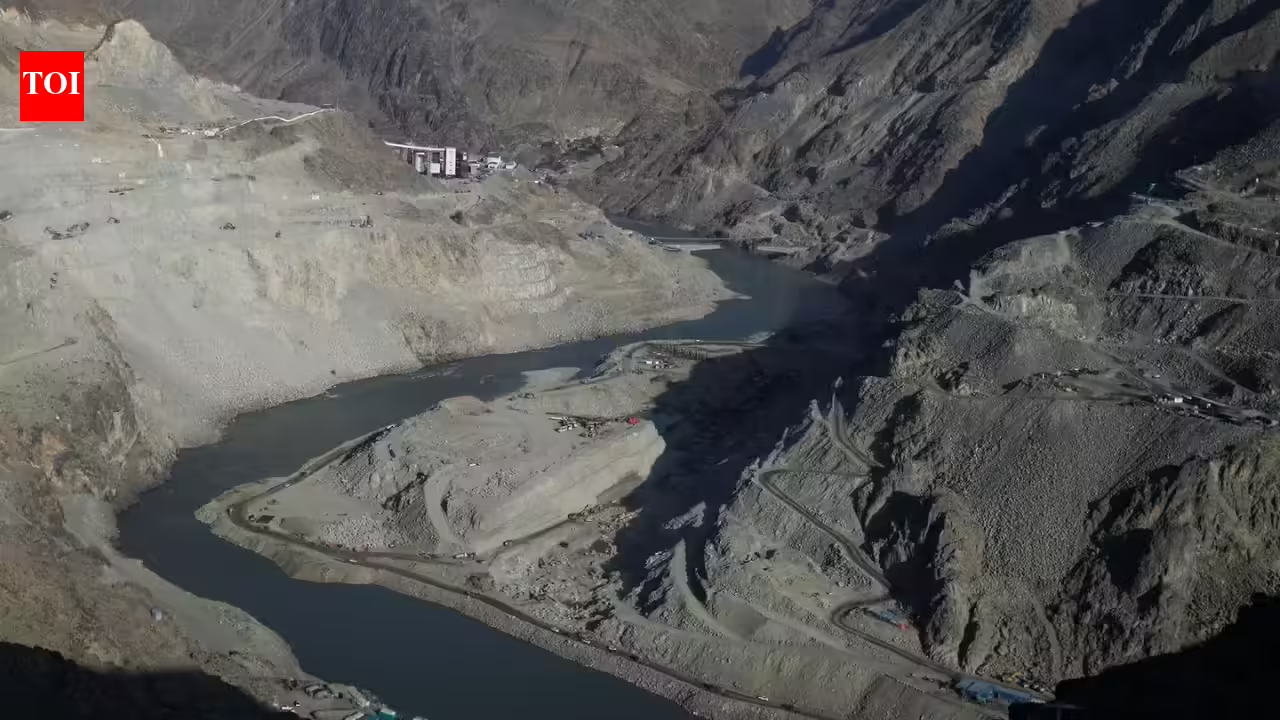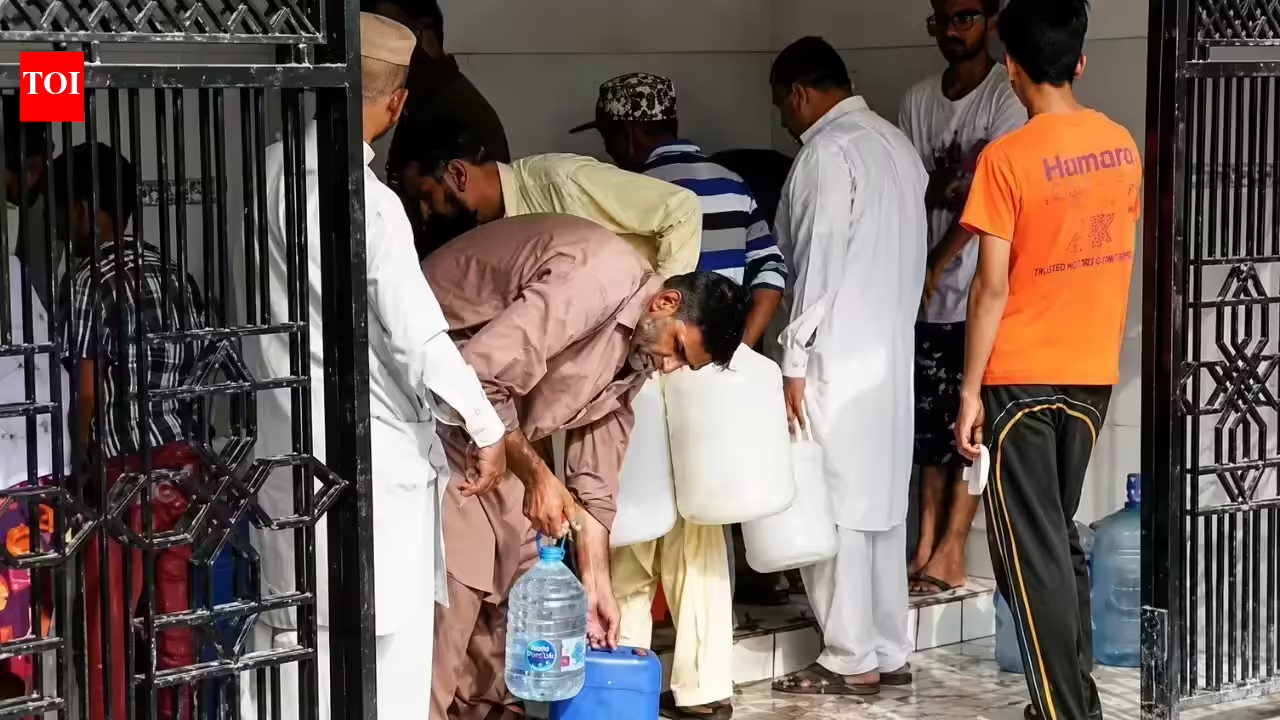
Sindh’s farmers — particularly paddy growers — are set to suffer economic losses during the kharif season, primarily due to technical issues arising from ongoing works at Tarbela Dam that have disrupted water releases. Wapda’s hydropower project at the dam has faced exceptional delays, worsening the situation. The resulting water shortages have also triggered interprovincial discord, with Balochistan holding Sindh responsible for failing to release its due share from Guddu and Sukkur barrages.
Paddy growers were unable to prepare nurseries — a concentrated form of sowing paddy seeds in land — in the right bank command area of Sukkur Barrage. Once a nursery is prepared, or the seed is ready for transplantation after 35-40 days, farmers require adequate water availability in their fields to transplant the seedlings.
“If the seed remains in the nursery beyond the recommended period, it becomes vulnerable to pests, while delayed transplantation results in lower productivity,” said Ishaq Mughairi, a seasoned paddy grower from Shahdadkot district on the right bank. His area is irrigated by Sukkur Barrage’s North Western Canal (NWC), which also supplies water to Balochistan.
“But we do not have water even for drinking purposes now. Last year, I harvested only 40 maunds of paddy from my 50-60 acres because of water shortages,” he said. This year, he added, the situation remains no different.