Get the latest news and updates from Dawn
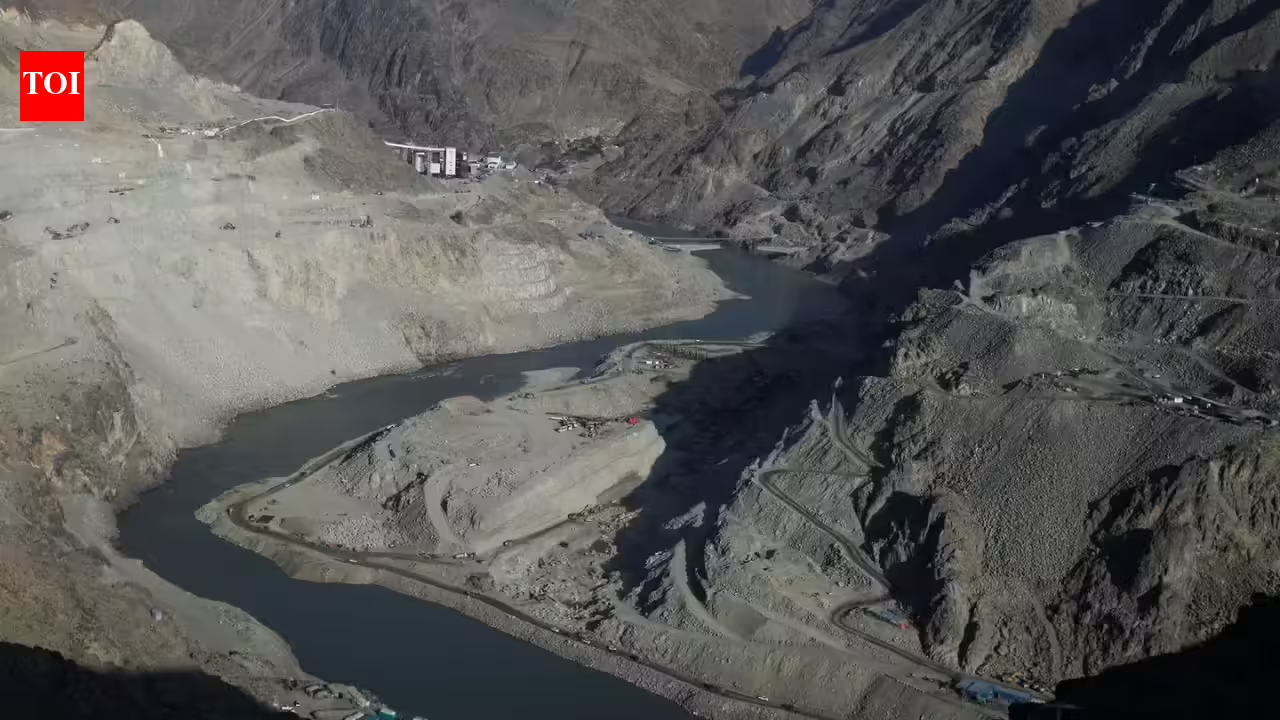
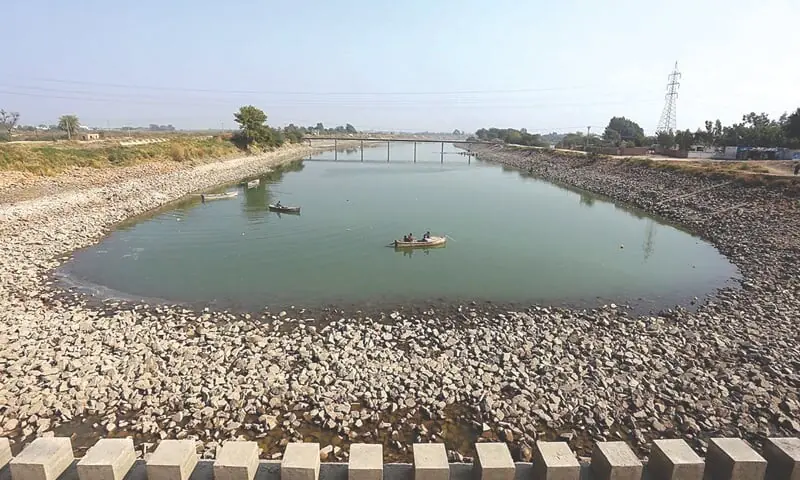
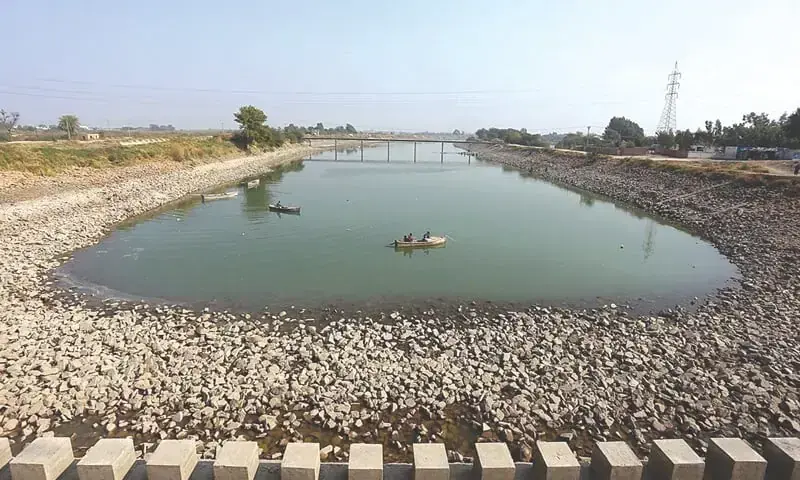
ONCE again, barrages in Sindh and Balochistan are facing a crisis. In the second week of June, the Guddu and Kotri barrages received 30 per cent and 60pc less water, respectively, than their due share under the 1991 water apportionment accord. Kharif sowing is at its peak and, under a baking sun, Sindh’s growers are on the roads demanding water for their crops. At one point, in the first week of June, the flow at Guddu was only 74,500 cusecs, against an allocation of 108,340 cusecs for Sindh and Balochistan. The same day’s flow last year was 143,000 cusecs, nearly twice this year’s. Amid this heightening concern, 29,000 cusecs of water were being stored in Tarbela Dam and 16,700 cusecs in Mangla Dam. More dismaying was the fact that 28,500 cusecs of water from the Indus River were being diverted to the Jhelum-Chenab Zone through two link canals — a practice resented by Sindh. Diversion of water through link canals and storage in the two dams are on the rise these days as Sindh and Balochistan are confronting a manmade drought.
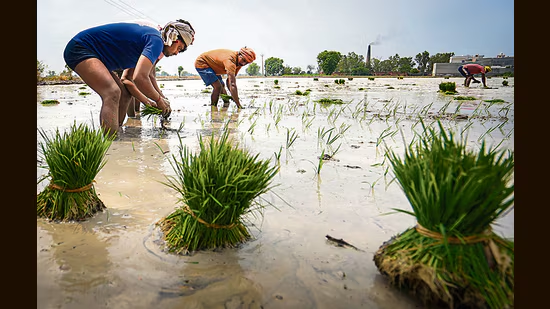
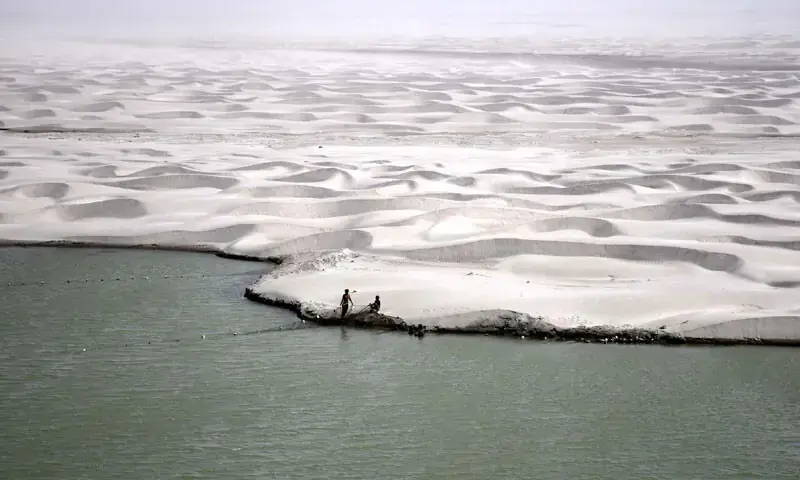
Kharif sowing in Sindh commences earlier than in Punjab. Presently, Kharif crops are at a critical stage, and water shortages are bound to affect production, including of rice, cotton and seasonal vegetables. Tarbela, Mangla and Chashma registered a total storage of about four million acre-feet in mid-June. According to official data, storage in Tarbela and Mangla was 39pc and 64pc higher, respectively, than their five-year average storage. Yet the barrages and canals in Sindh and Balochistan are facing a colossal water shortfall. Some of the canals have suffered shortages of up to 80pc. With the tail-end areas of the left-bank canals of Kotri running almost dry, people are complaining that they are not receiving even drinking water during the scorching summer. Karachi, too, is experiencing an acute water shortage.