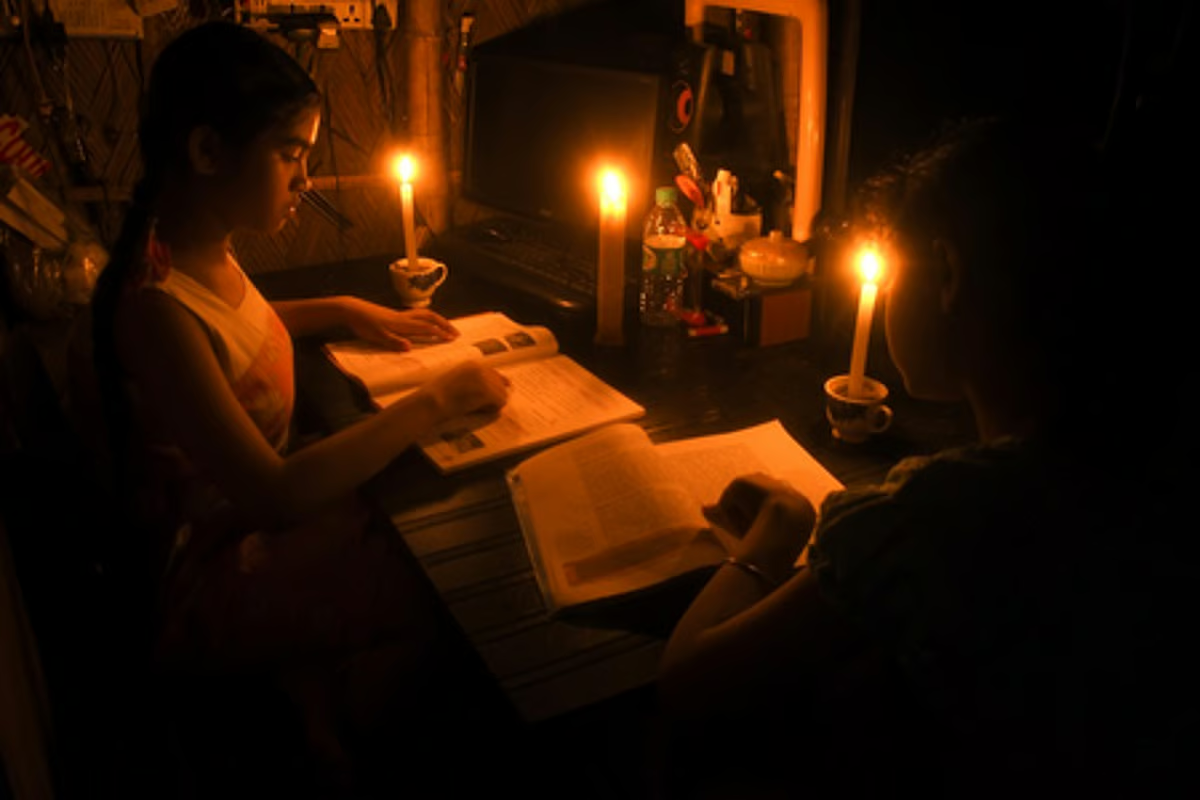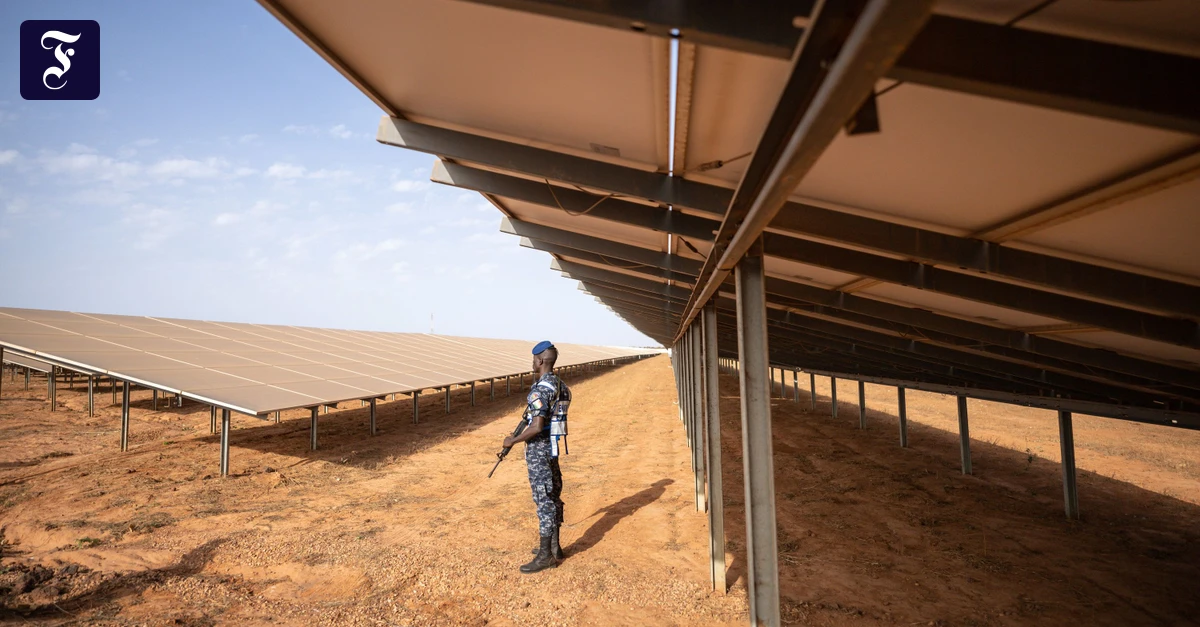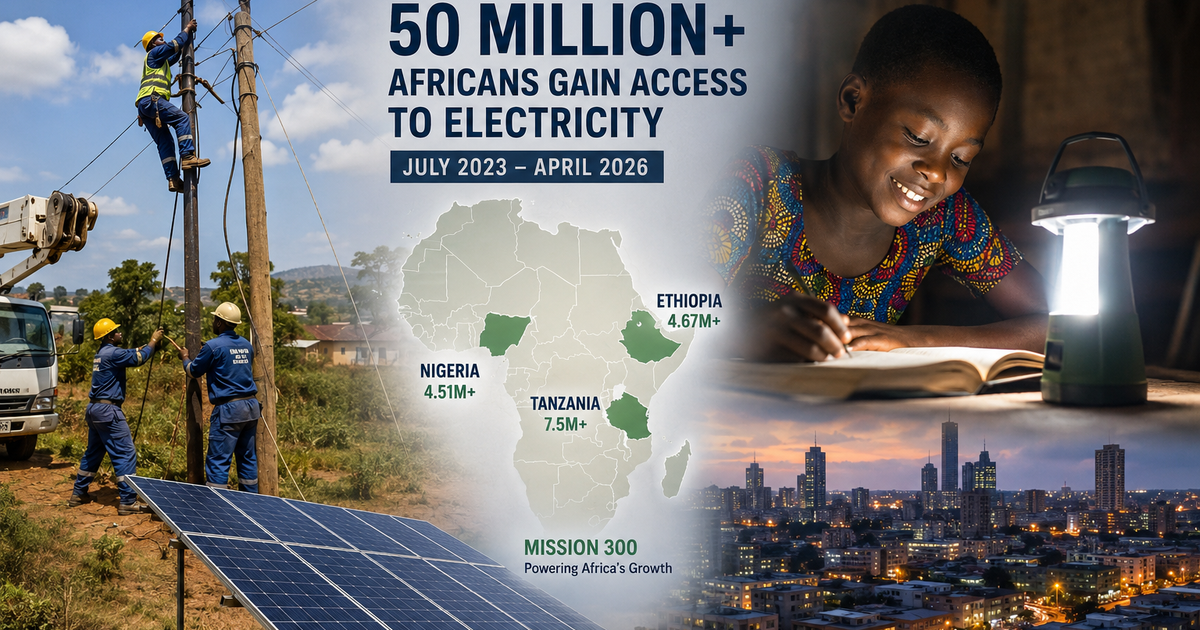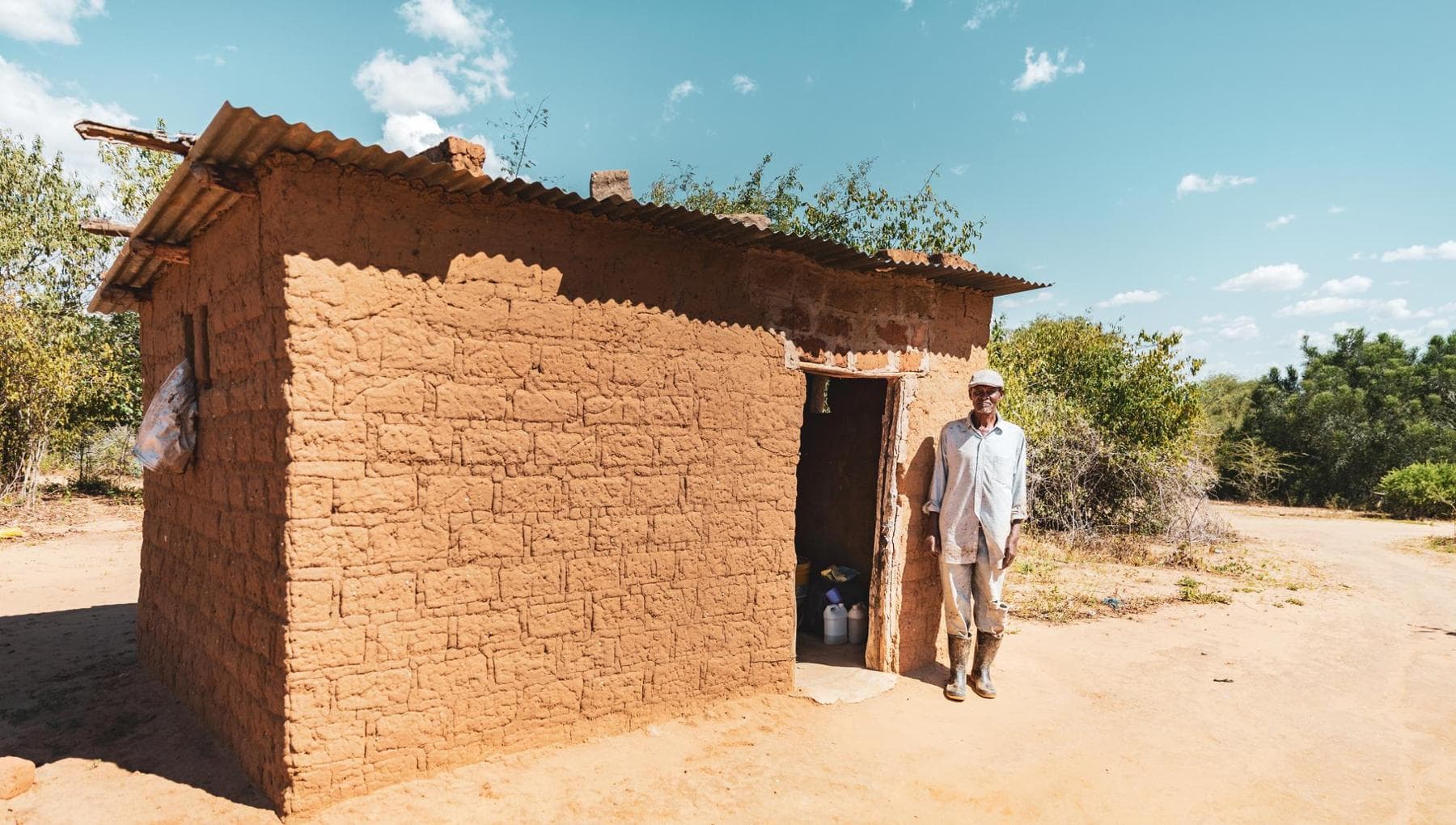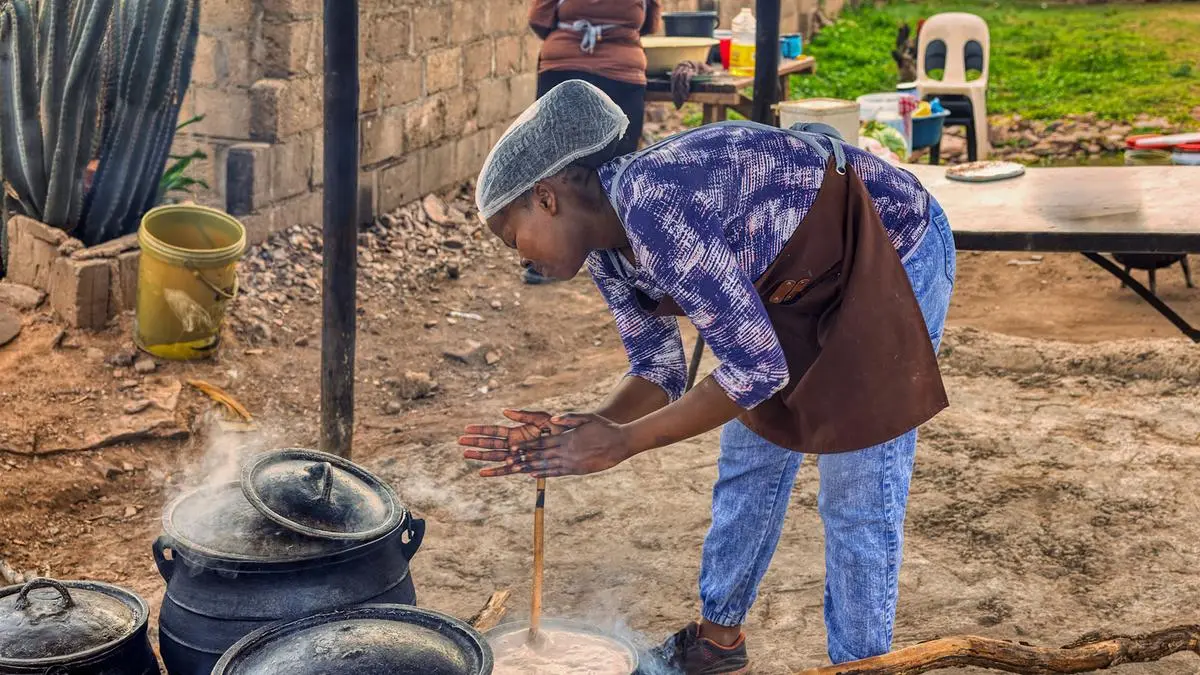
At a time when energy security and affordability have risen to the top of the development agenda, 655 million people globally still lack access to electricity, and two billion use polluting fuels and technologies for cooking, putting their health and well-being at risk, said the World Health Organization. Sub-Saharan Africa bears a disproportionate share of these gaps, with over 560 million living without electricity and 970 million lacking access to clean cooking, it added.The latest edition of ‘Tracking SDG 7: The Energy Progress Report’, featuring new 2023 and 2024 data, shows that while most regions are nearing universal access, progress in sub-Saharan Africa has slowed significantly, and the pace of electrification must triple to achieve universal access by 2030.Despite these challenges, the report highlights encouraging progress in sustainable energy. Renewable energy continued its strong expansion, accounting for over 30 per cent of global electricity consumption; renewable energy generating capacity reached a global record of 544 watts (enough to power a refrigerator) per person. International public financial flows supporting clean energy in developing countries increased slightly to $24.6 billion; and improvements in global energy efficiency continued to reach 3.76 megajoules per US dollar, although this isn’t enough to meet Sustainable Development Goals (SDG) 7 targets, the agency said.The report cautioned that without urgent and scaled-up action, the world will fall short of achieving SDG 7 to ensure universal access to affordable, reliable, sustainable, and modern energy by 2030. With the current global energy crisis still unfolding, its impact on energy markets and the broader economy are expected to be significant, the WHO said.The report will be presented to decision-makers at the High-Level Political Forum on Sustainable Development to be held in New York on July 8, the UN health agency said.Published on June 29, 2026
Mission universal access to clean energy
Global access to clean energy is crucial, yet 655 million lack electricity, highlighting the urgent need for progress by 2030.
TL;DRAI
655 million lack electricity; sub-Saharan Africa must triple electrification speed for 2030 SDG 7 target. Renewables reach 30% of global electricity; $24.6B development funding signals growing market for smart-grid and digital-efficiency platforms.
294 words~1 min read