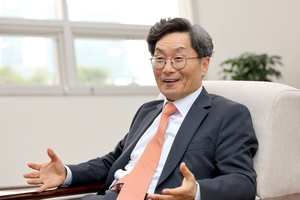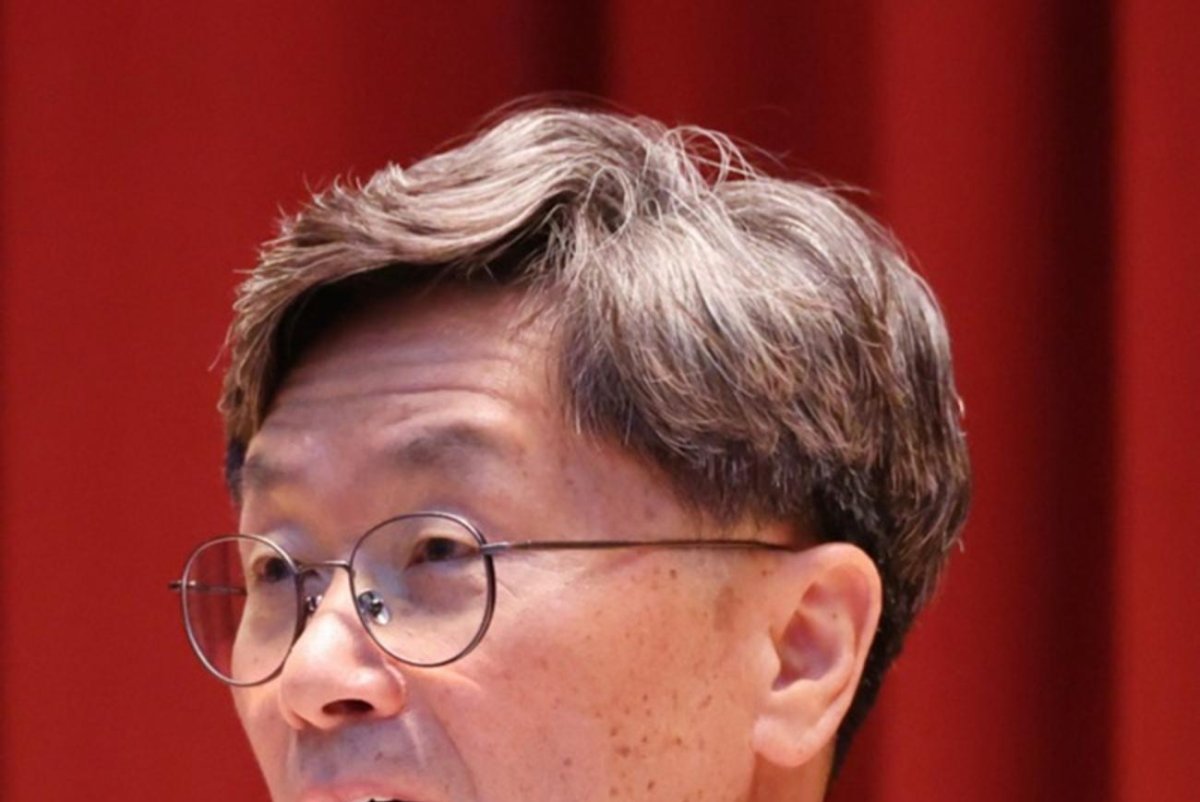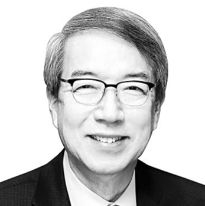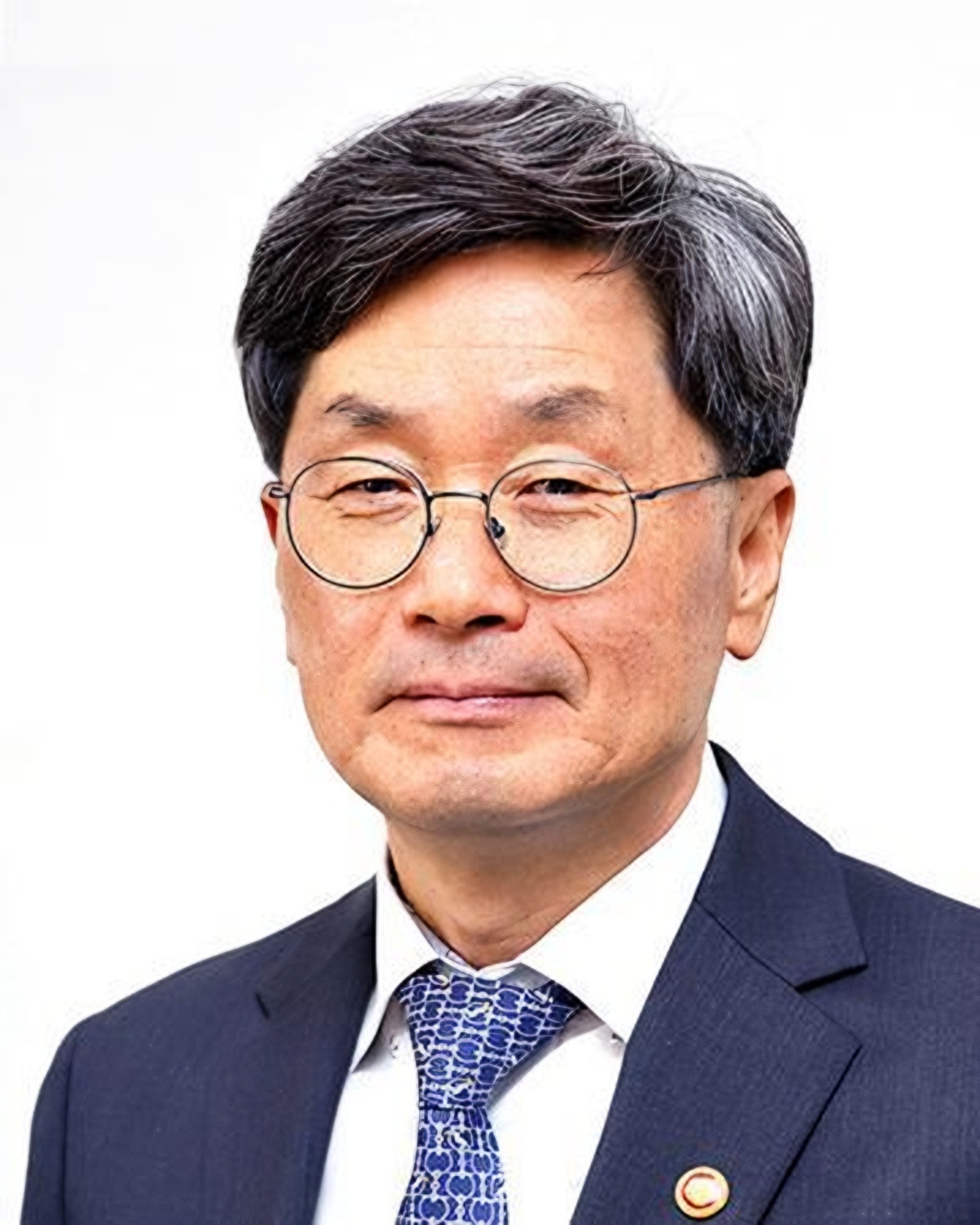
Jung Il-yeon, chairperson of the Anti-Corruption and Civil Rights Commission
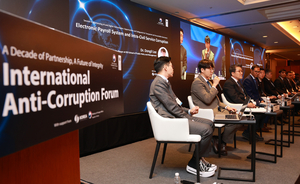
The level of social trust within a country is closely linked to its level of integrity. Corruption creates enormous social costs by undermining the foundations of public systems, deepening inequality and hindering the achievement of the Sustainable Development Goals (SDGs) adopted by the United Nations. To address these challenges, the Anti-Corruption and Civil Rights Commission (ACRC) and the United Nations Development Programme (UNDP) signed a memorandum of understanding in 2016 and have since shared Korea’s anti-corruption policies and institutional experiences with the international community.
Over the past decade, the SDG Partnership Programme of the two institutions has evolved beyond a conventional aid-based model into a practical cooperation framework that supports meaningful institutional improvements in partner countries. Korea’s Comprehensive Integrity Assessment, Corruption Impact Assessment, the Clean Portal — a digital platform for reporting corruption and public interest violations — and systems for protecting and compensating whistleblowers have been adapted to the administrative environments of 14 partner countries and are now being utilized.