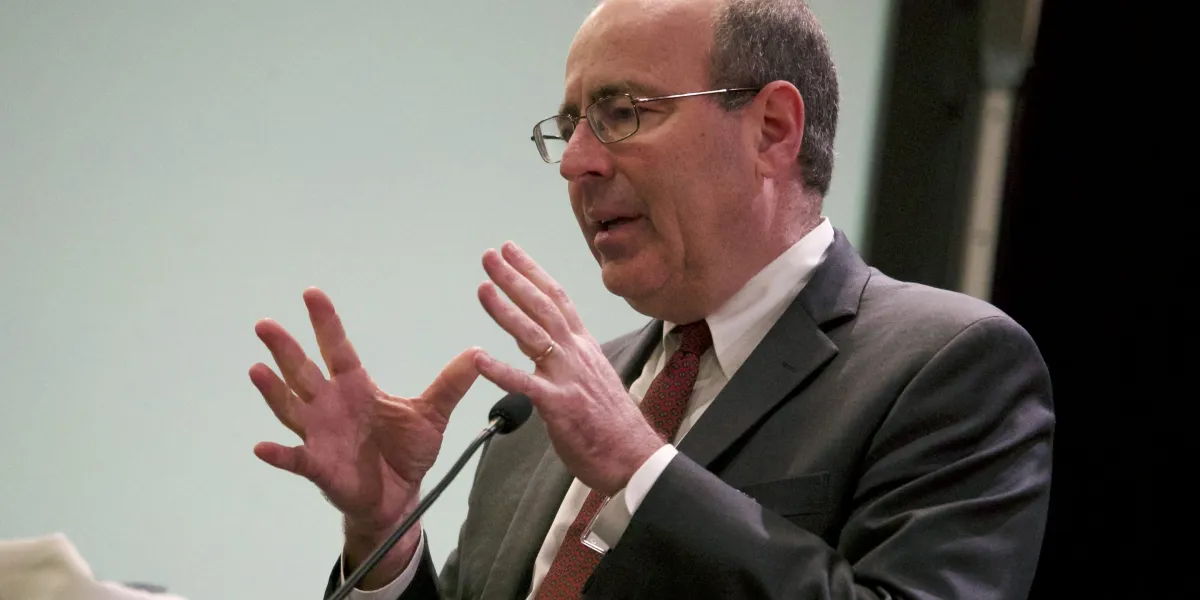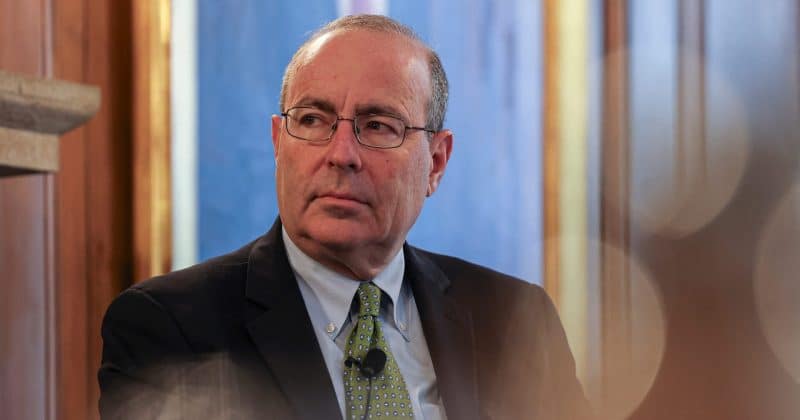
Gasoline prices are finally heading in the right direction, and Richmond Fed President Tom Barkin is taking notice. After months of watching fuel costs act as a stubborn inflationary force during the US-Iran conflict, the tentative ceasefire reached in late May 2026 has sent oil prices tumbling, dragging pump prices down with them.
The numbers behind the relief
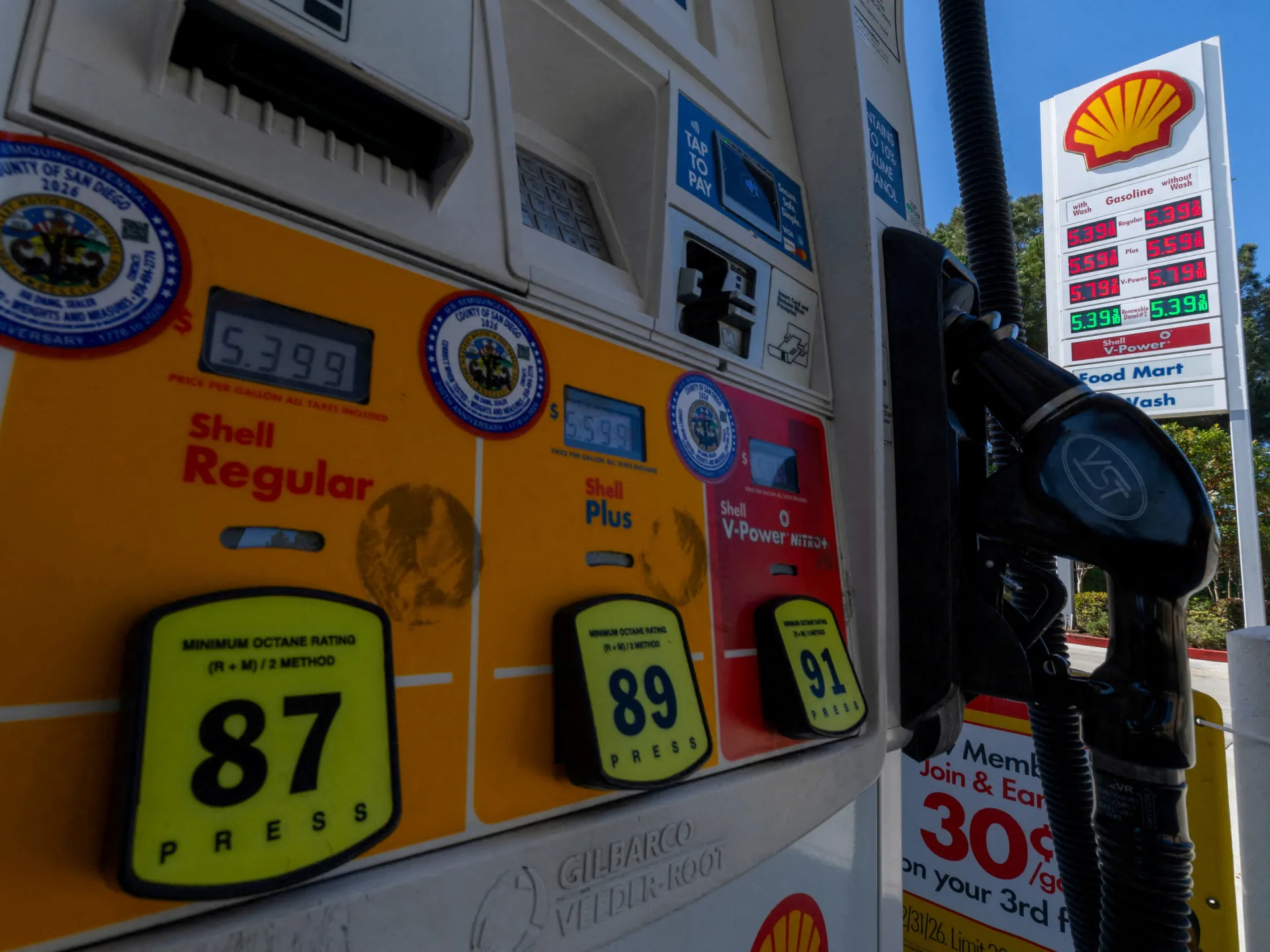
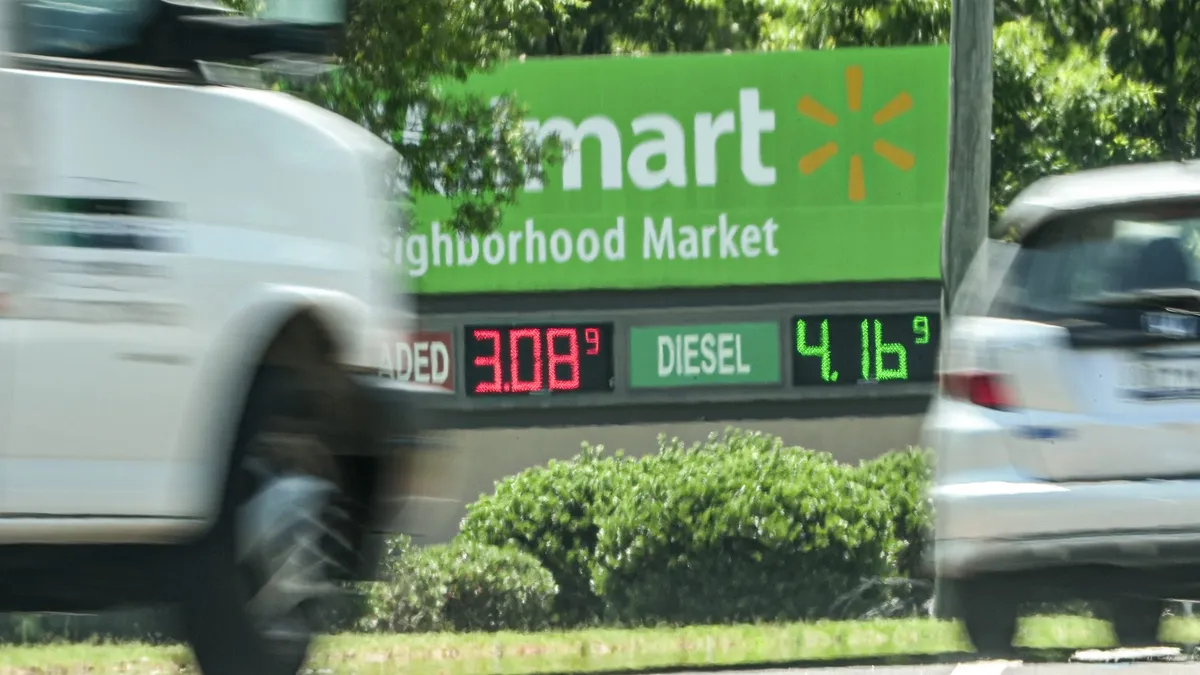
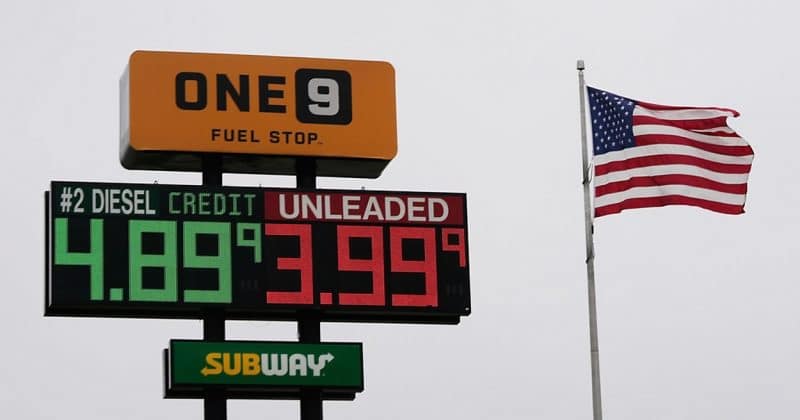
US average gasoline prices had climbed to a range of $4.16 to $4.39 per gallon during the peak of the Iran conflict’s supply disruptions. Oil prices have since dropped sharply, falling more than 15% in April alone after an initial two-week ceasefire deal was struck. The declines continued into June as the broader 60-day ceasefire agreement took hold in late May, pushing crude below the $80 to $95 per barrel range that had defined the conflict period.
Barkin has been consistently vocal about the dual nature of energy shocks since March 2026. On one hand, the Fed can theoretically look through temporary supply disruptions. On the other, if those disruptions drag on long enough, they start seeping into broader price expectations. The ceasefire, even if tentative, appears to be pulling the situation back toward the “temporary” category.