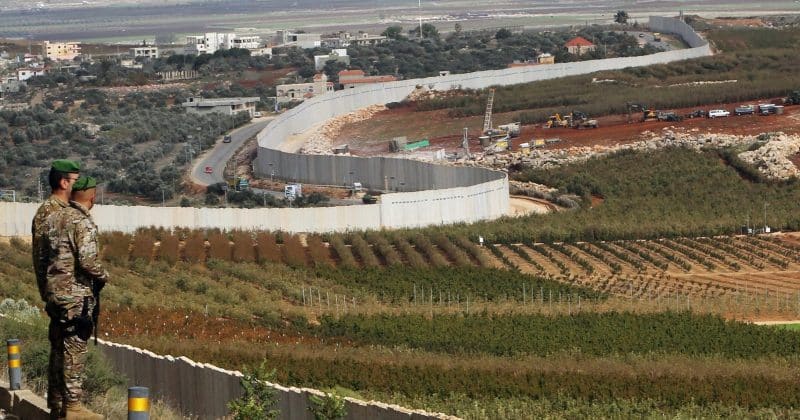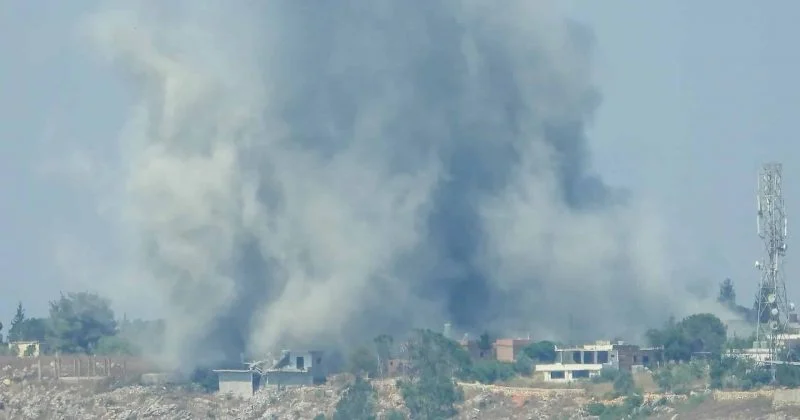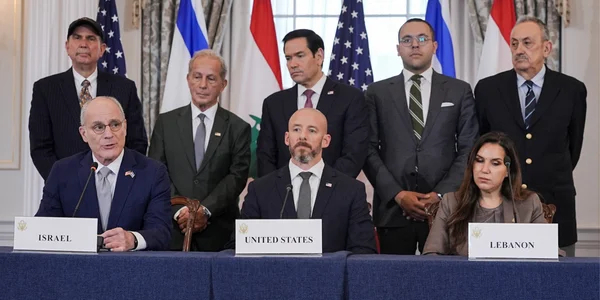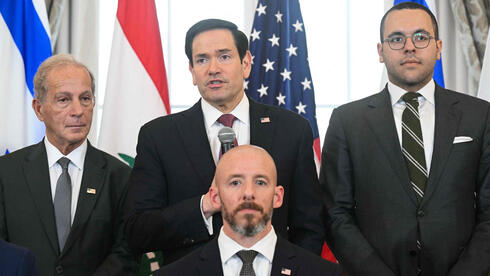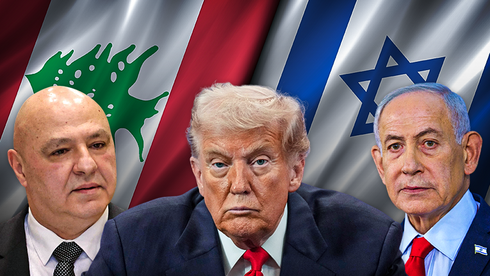
Israel and Lebanon signed a US-brokered framework agreement in Washington on June 26, with a central condition that would have seemed redundant a few years ago: Israel will only pull its forces from southern Lebanon after Hezbollah has been removed from the area.
The agreement calls for Israel to initially withdraw from two small “pilot zones” in southern Lebanon, handing control to the Lebanese Armed Forces. Any broader withdrawal from the southern region depends entirely on Hezbollah disarming and dismantling its military infrastructure. US Secretary of State Marco Rubio announced the deal, framing it as a build on the 2024 ceasefire that did not hold up well.
Hezbollah says no, markets say maybe not
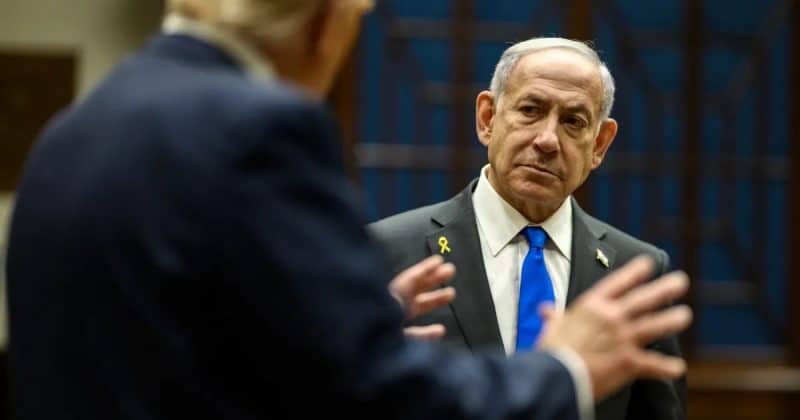
Hezbollah leader Naim Qassem rejected the agreement on June 27, calling it a “surrender.” Israeli Prime Minister Benjamin Netanyahu struck a different tone, describing the deal as preserving Israeli security until threats are eliminated.
Prediction markets tracking the odds of permanent peace in the region by late June 2026 have placed probabilities between 1.8% and 4.2%.