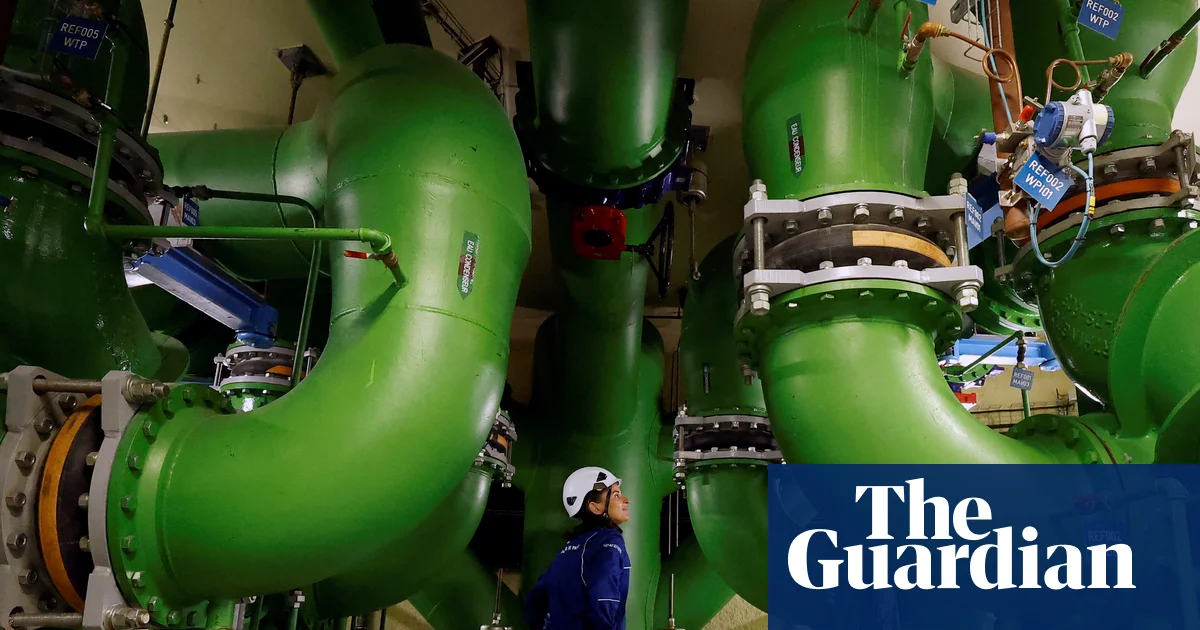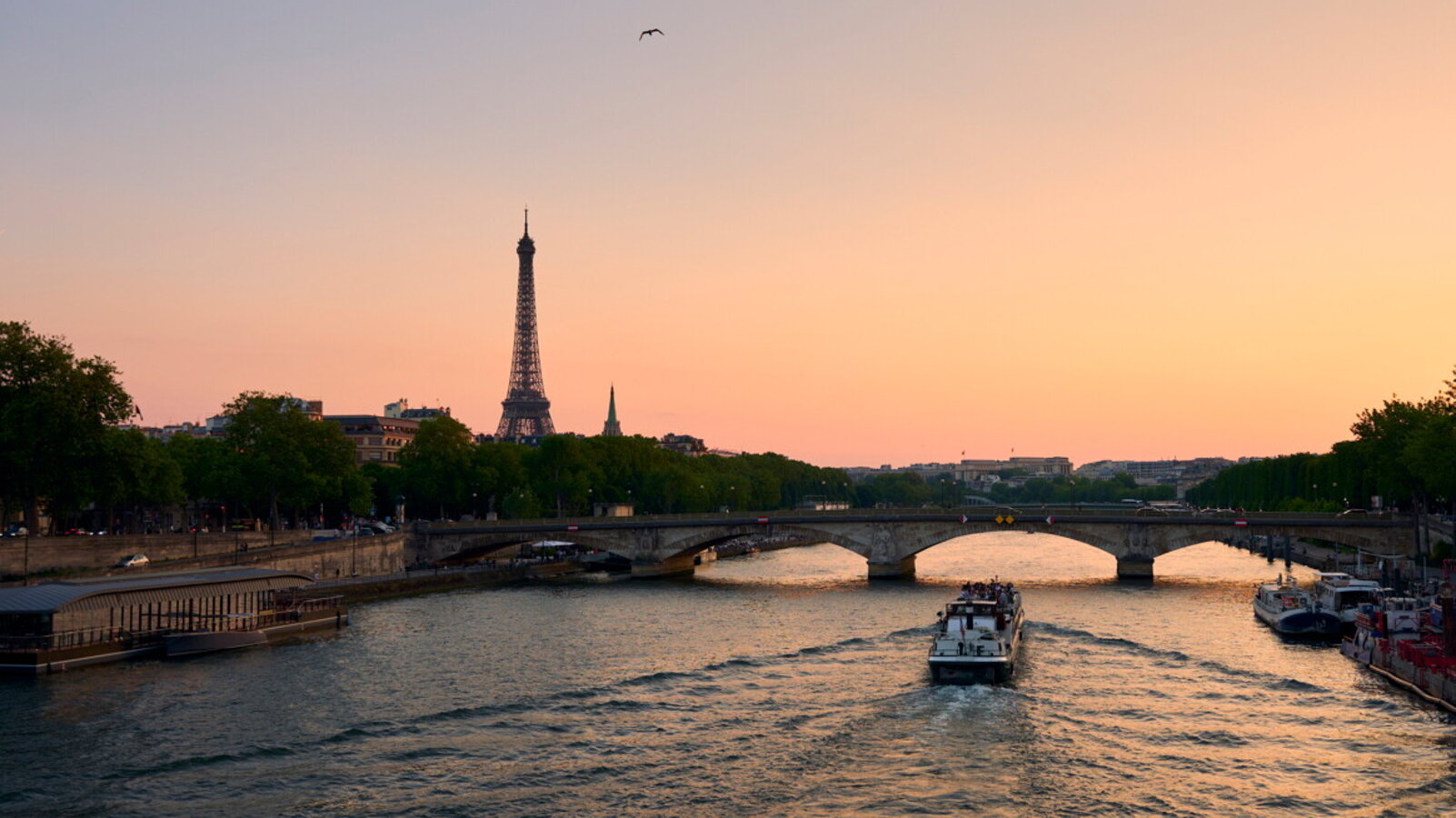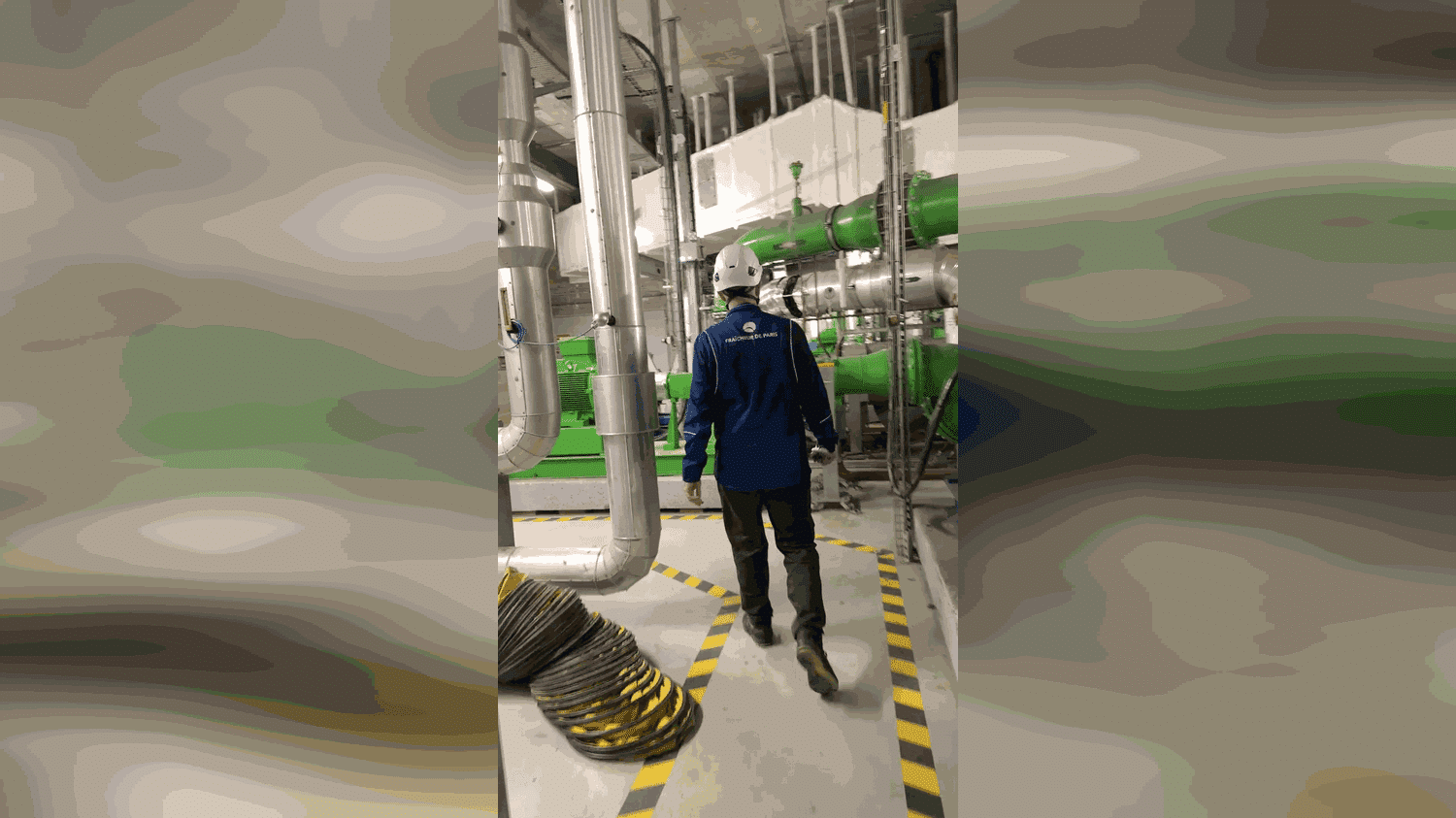
Under the streets of Paris, a 75-mile labyrinth of pipes is at work trying to keep the parts of the city cool. They’re carrying water that’s been chilled in special plants before being sent across the French capital, to offices, malls and museums including the Louvre.
In a country where air conditioning is rare, the district cooling network offers just that. Operator Fraicheur de Paris, part of Engie SA, says it’s more environmentally friendly, using 50% less electricity than a standalone system and cutting emissions by half.
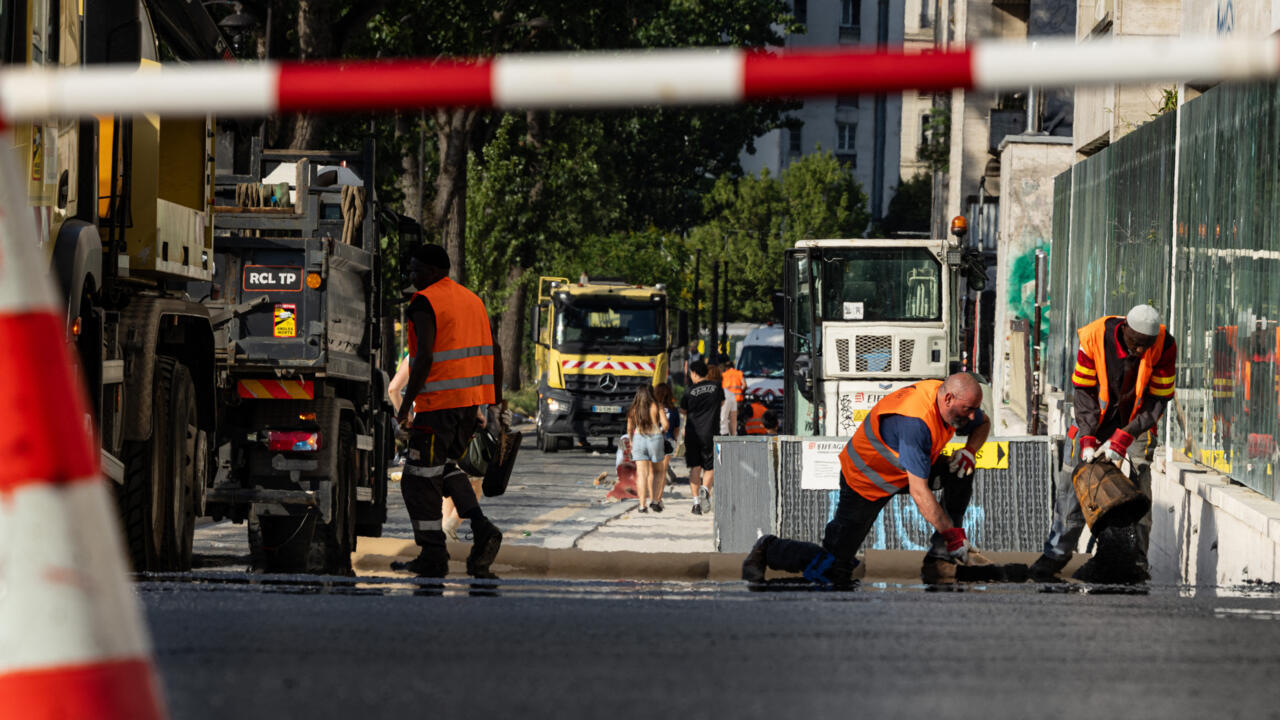
The network, which uses water from the Seine as part of the cooling process, is under intense strain right now from record high temperatures that have taken hold across the continent. Managing Director Marie Carlo said chilling plants are working round the clock, and huge demand as well as occasional power outages means sometimes they can’t get the water as cold as usual.
Despite the stresses on operations, Carlo says district cooling is going to become even more important as a response to climate change and more extreme weather patterns.
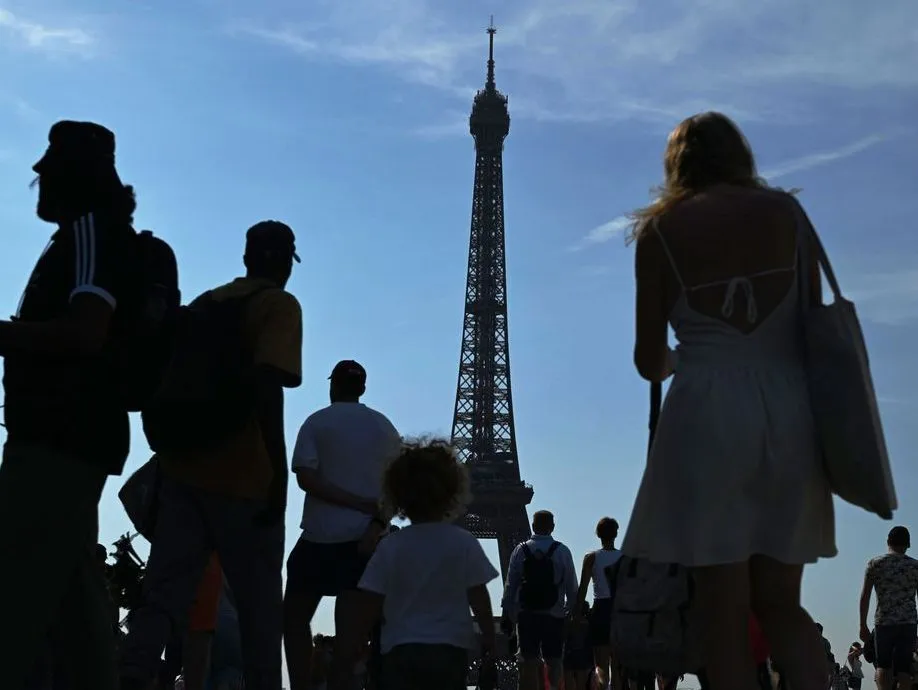
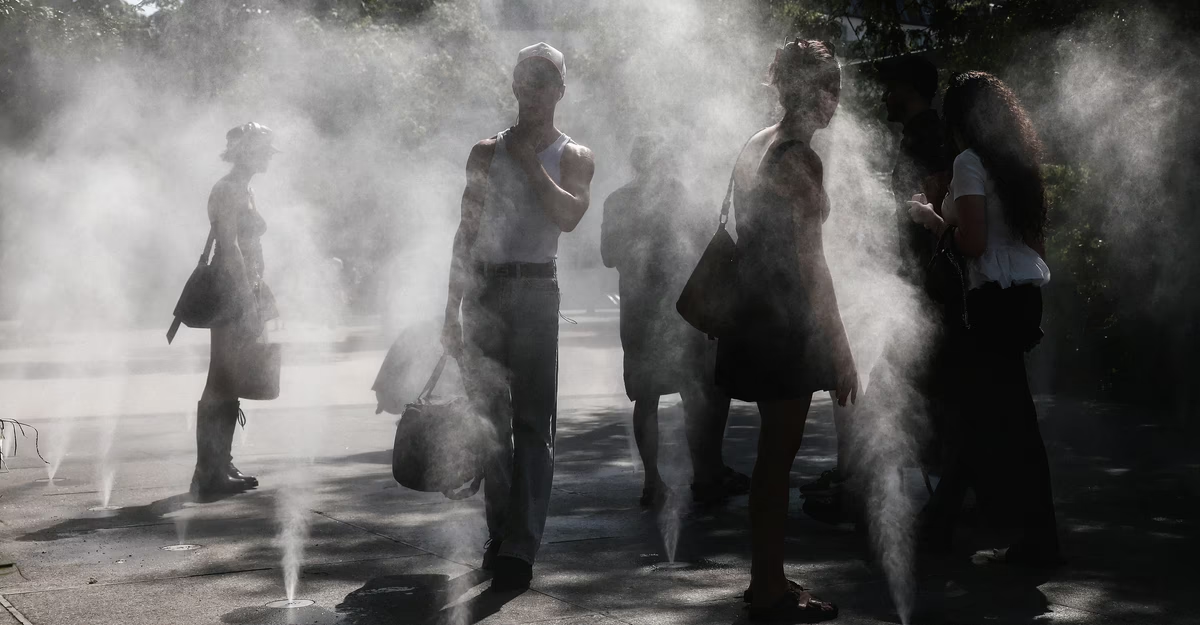
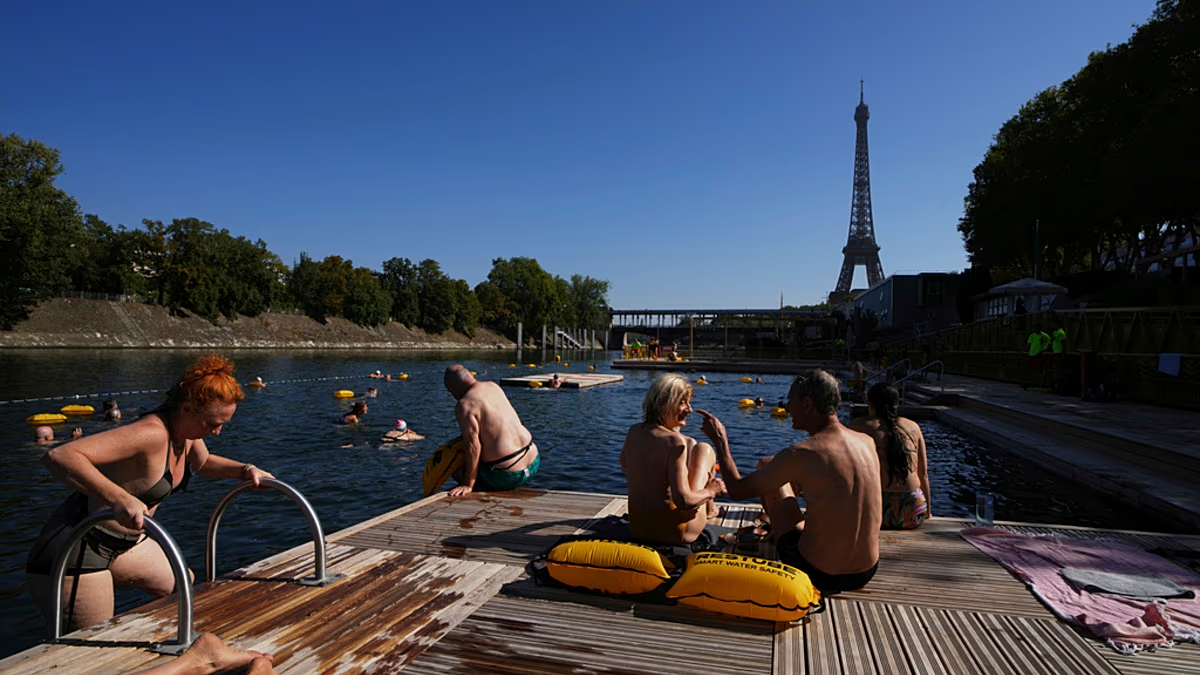
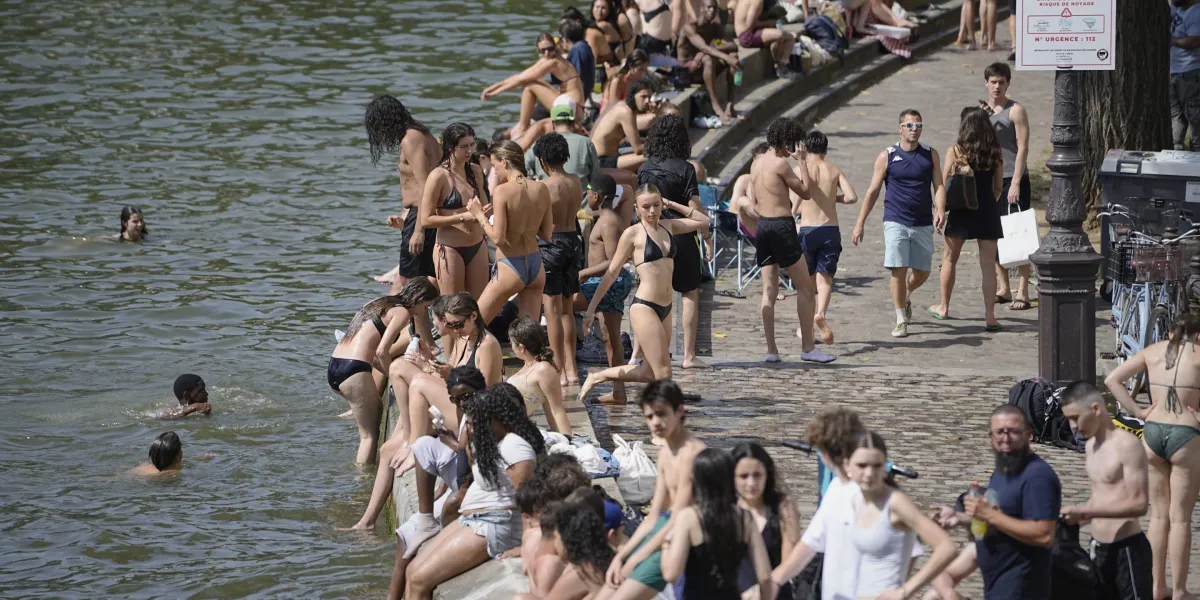
The latest heatwave in Europe arrived before the usual summer temperature peak in July. In Paris, it forced the Louvre and the Eiffel Tower to close earlier than usual this week. Across the continent, transport was disrupted, crops were damaged, and schools and nurseries had to shut.