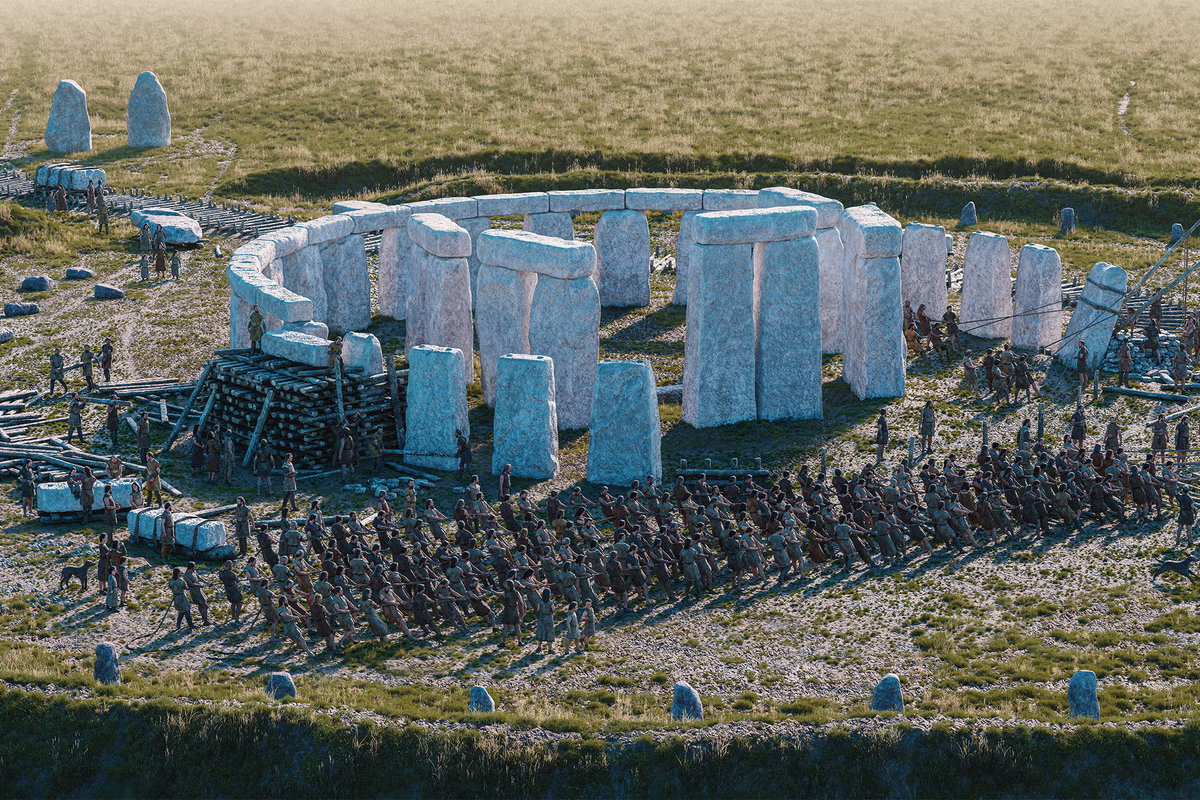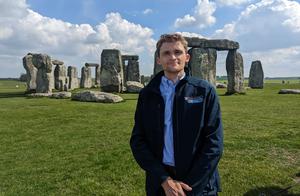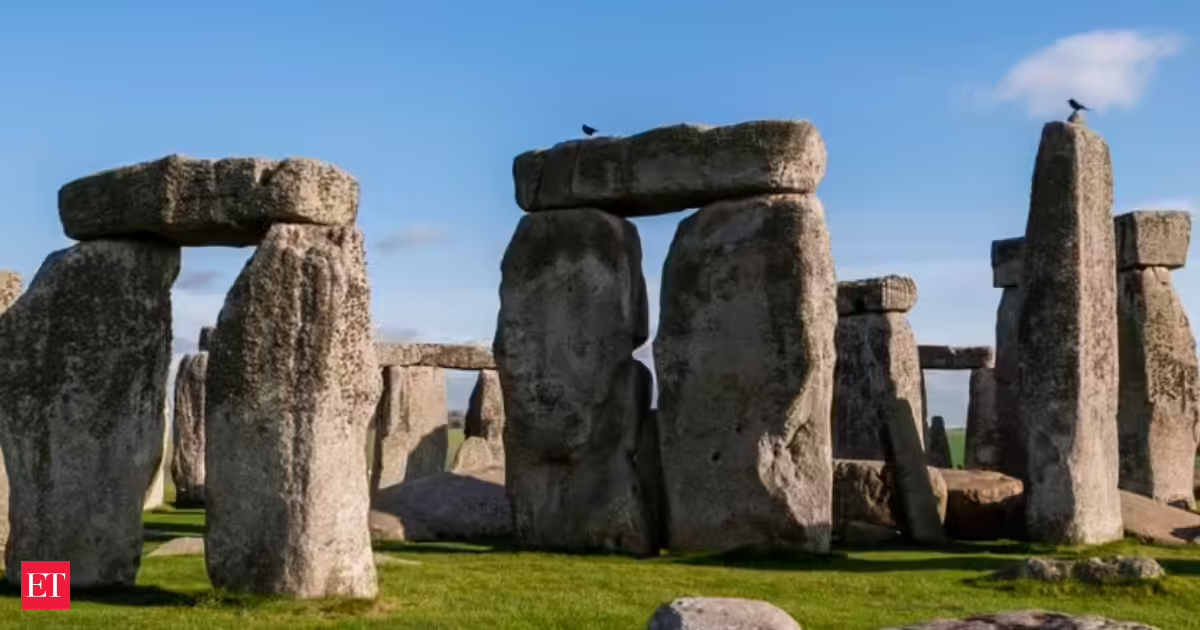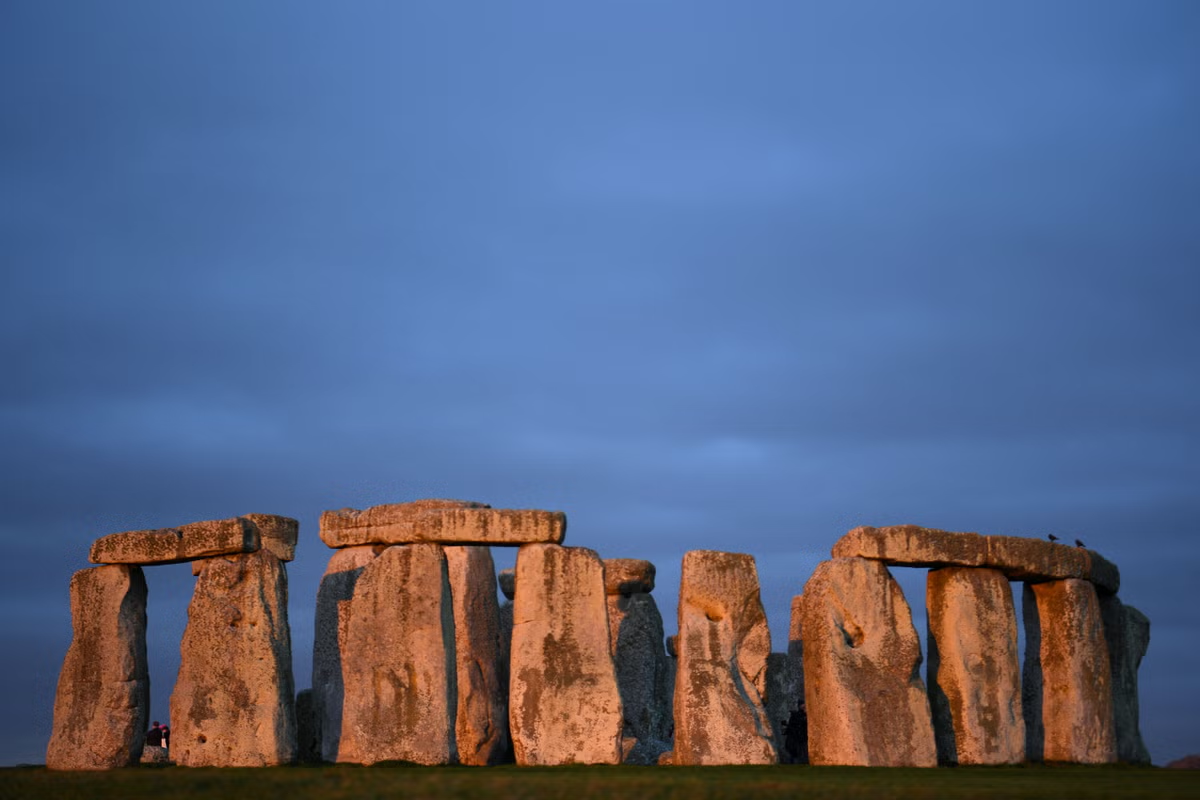
Stay up to date with notifications from The IndependentNotifications can be managed in browser preferences.Jump to contentThank you for registeringPlease refresh the page or navigate to another page on the site to be automatically logged inPlease refresh your browser to be logged inAllNewsSportCultureLifestyleExperts have developed a new theory suggesting Stonehenge's 25-tonne sarsen stones were hauled along wooden trackways, similar to a railway, rather than rolled over timber posts. This theory, presented by Dr. Susan Greaney of the University of Exeter and English Heritage, is based on observations of megalith transport in Indonesia a century ago. A new visual image, created from laser-scan data and archaeological work, illustrates this method, along with a revised idea for hoisting stones using rubble, akin to practices on Easter Island. The construction of Stonehenge, which began 5,000 years ago, involved moving these massive stones 15 miles from Marlborough Downs. Dr. Greaney also suggests that the large number of people involved in moving the stones, evidenced by mass feasting, may have been a display of power rather than purely for efficiency. In fullStonehenge builders used wooden tracks ‘like a railway’ to transport huge stonesThank you for registeringPlease refresh the page or navigate to another page on the site to be automatically logged inPlease refresh your browser to be logged in
Experts suggest new theory over how Stonehenge was built
Stay up to date with notifications from The IndependentNotifications can be managed in browser preferences.Jump to contentThank you for registeringPlease refresh the page or navigate to another page on the site to be automatically logged inPlease refresh your browser to be logged inAllNewsSportCultureLifestyleExperts have developed a new theory suggesting Stonehenge's 25-tonne sarsen stones were hauled along wooden trackways, similar to a railway, rather than rolled over timber posts. This theory, presented by Dr. Susan Greaney of the University of Exeter and English Heritage, is based on observations of megalith transport in Indonesia a century ago. A new visual image, created from laser-scan data and archaeological work, illustrates this method, along with a revised idea for hoisting stones using rubble, akin to practices on Easter Island. The construction of Stonehenge, which began 5,000 years ago, involved moving these massive stones 15 miles from Marlborough Downs. Dr. Greaney also suggests that the large number of people involved in moving the stones, evidenced by mass feasting, may have been a display of power rather than purely for efficiency. In fullStonehenge builders used wooden tracks ‘like a railway’ to transport huge stonesThank you for registeringPlease refresh the page or navigate to another page on the site to be automatically logged inPlease refresh your browser to be logged in