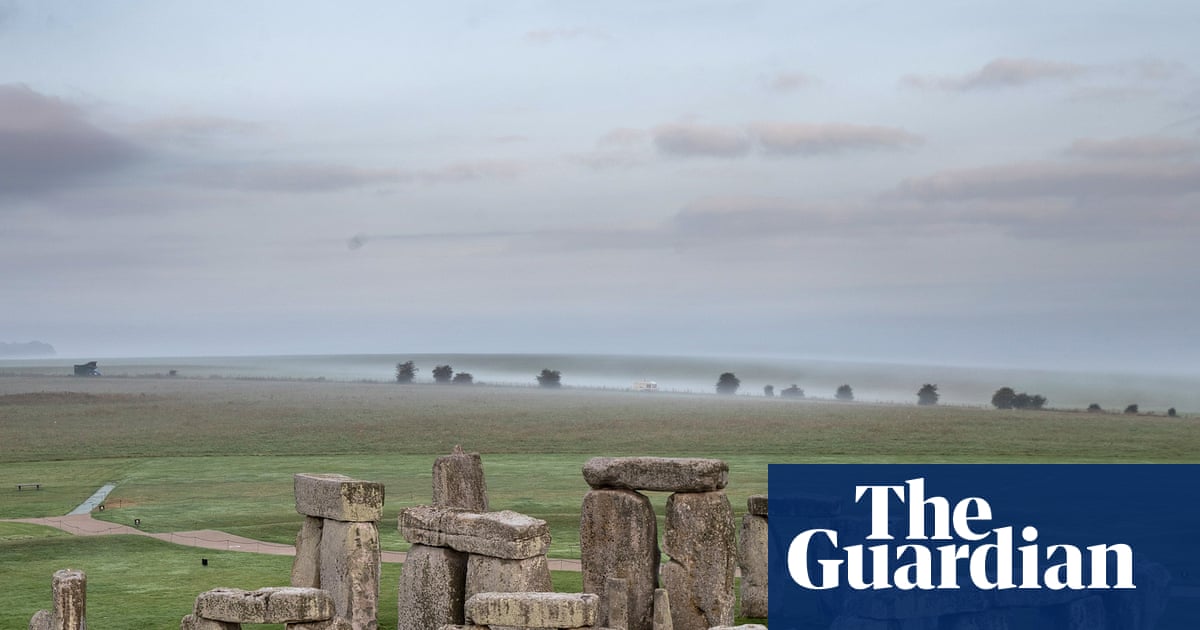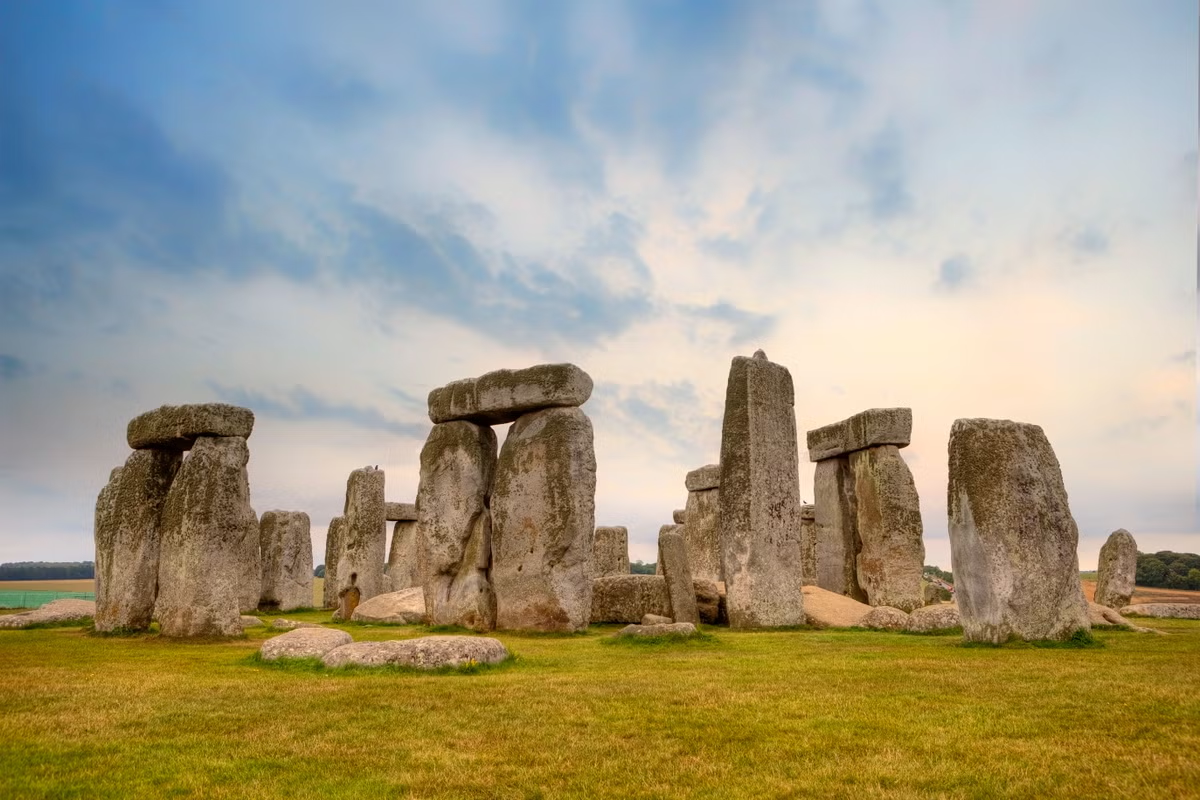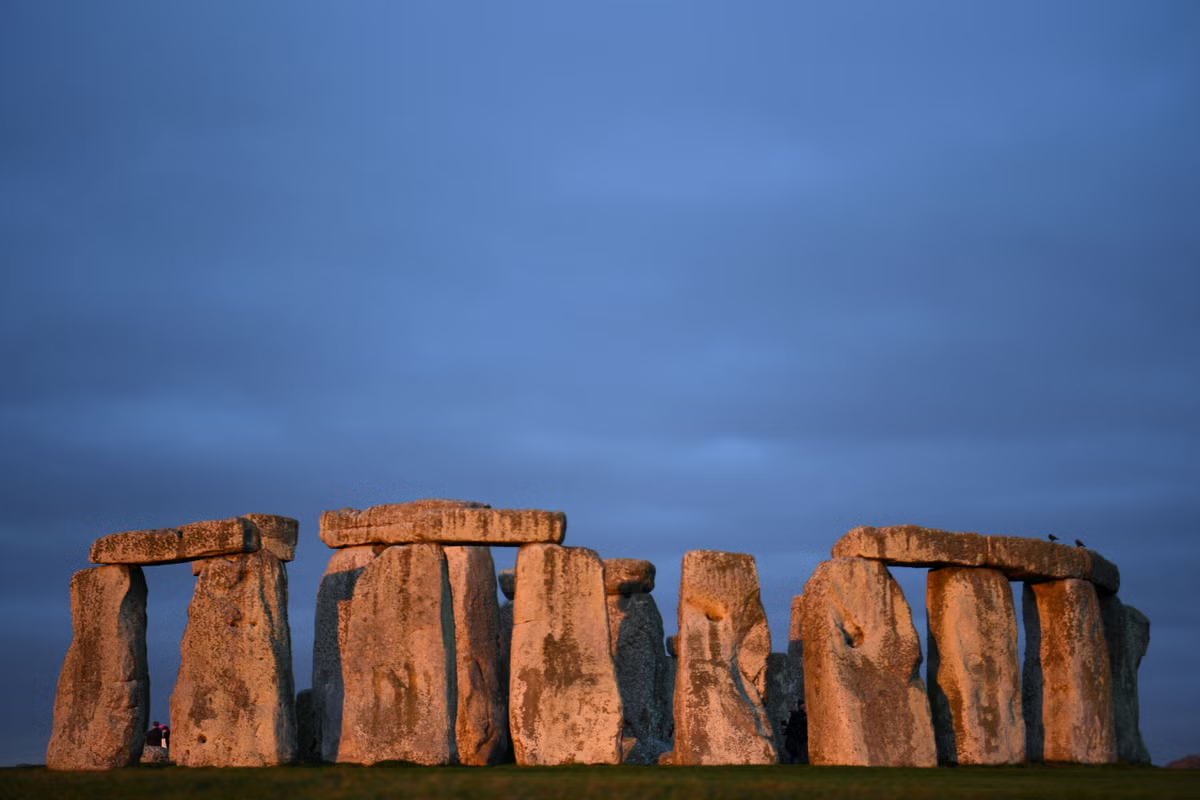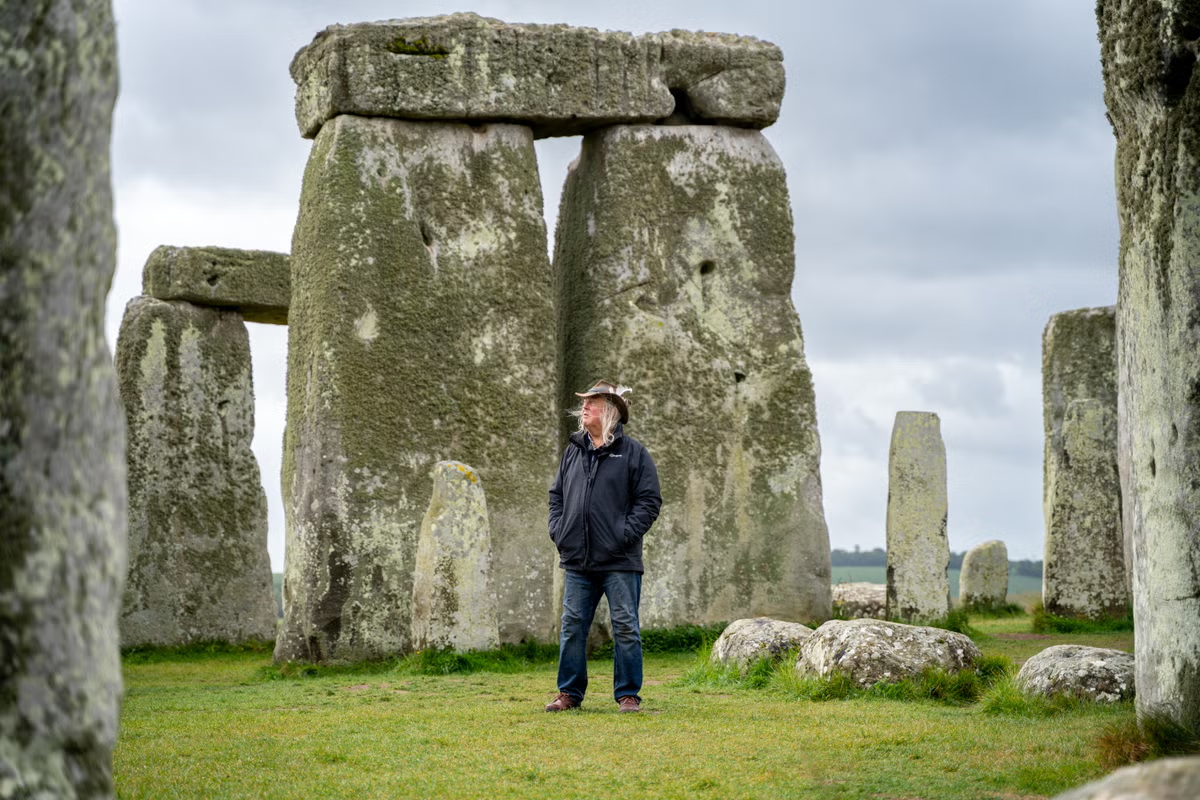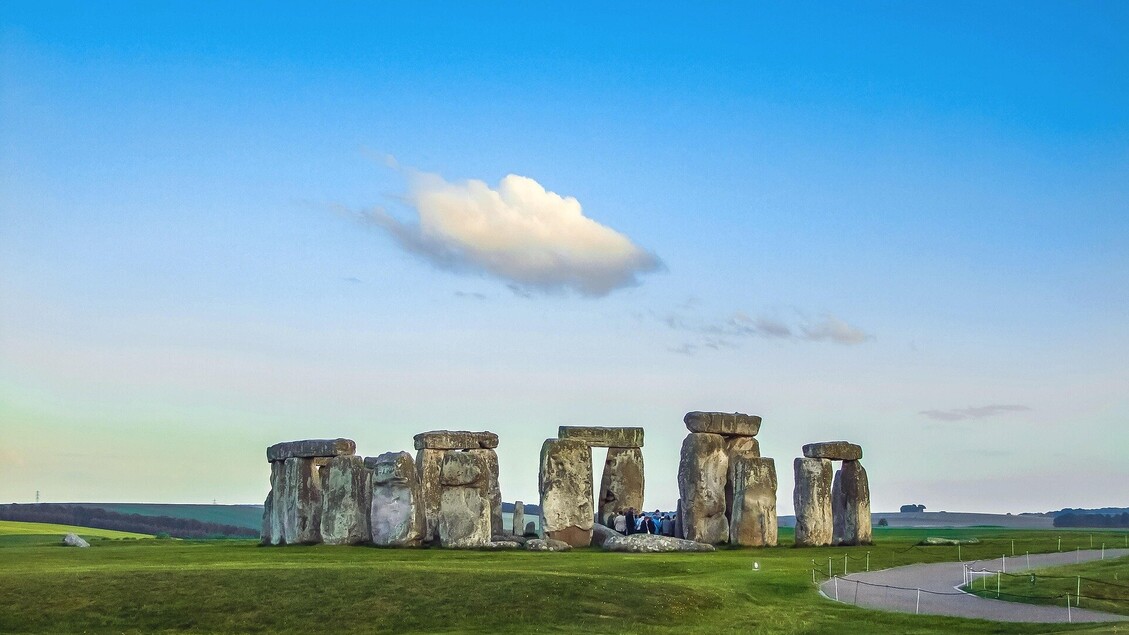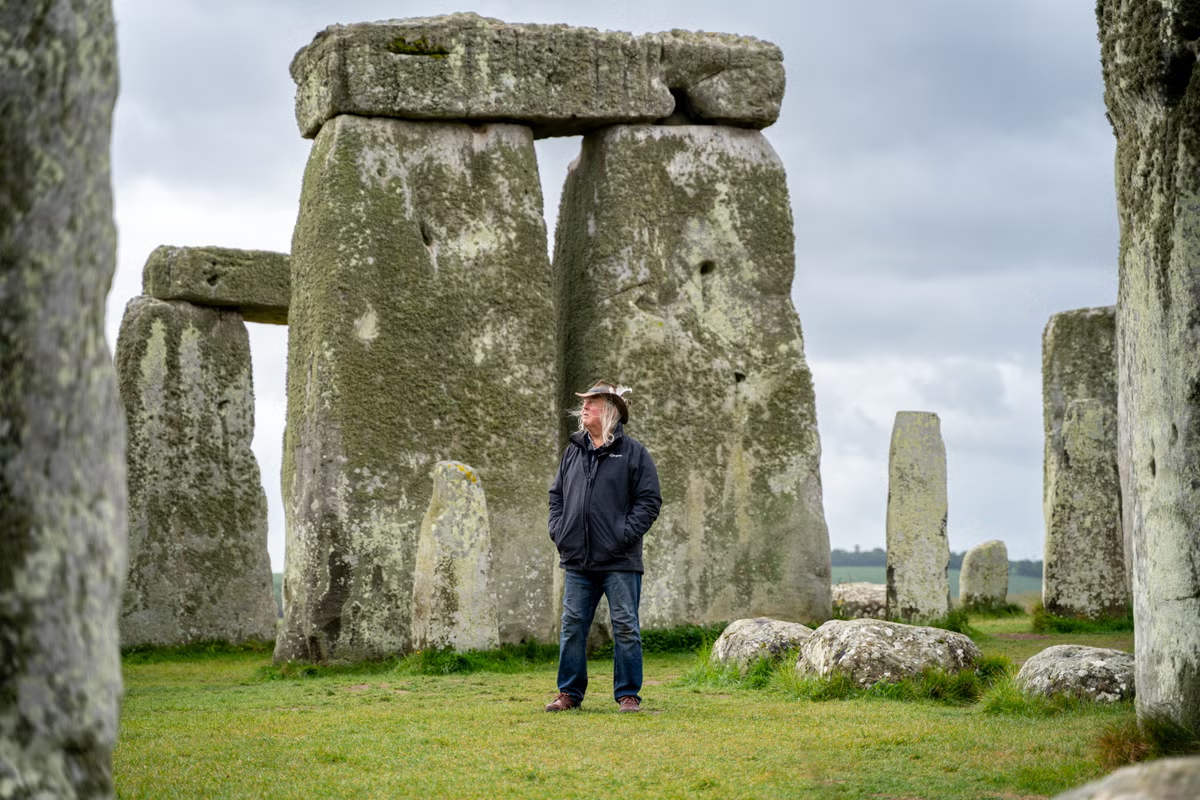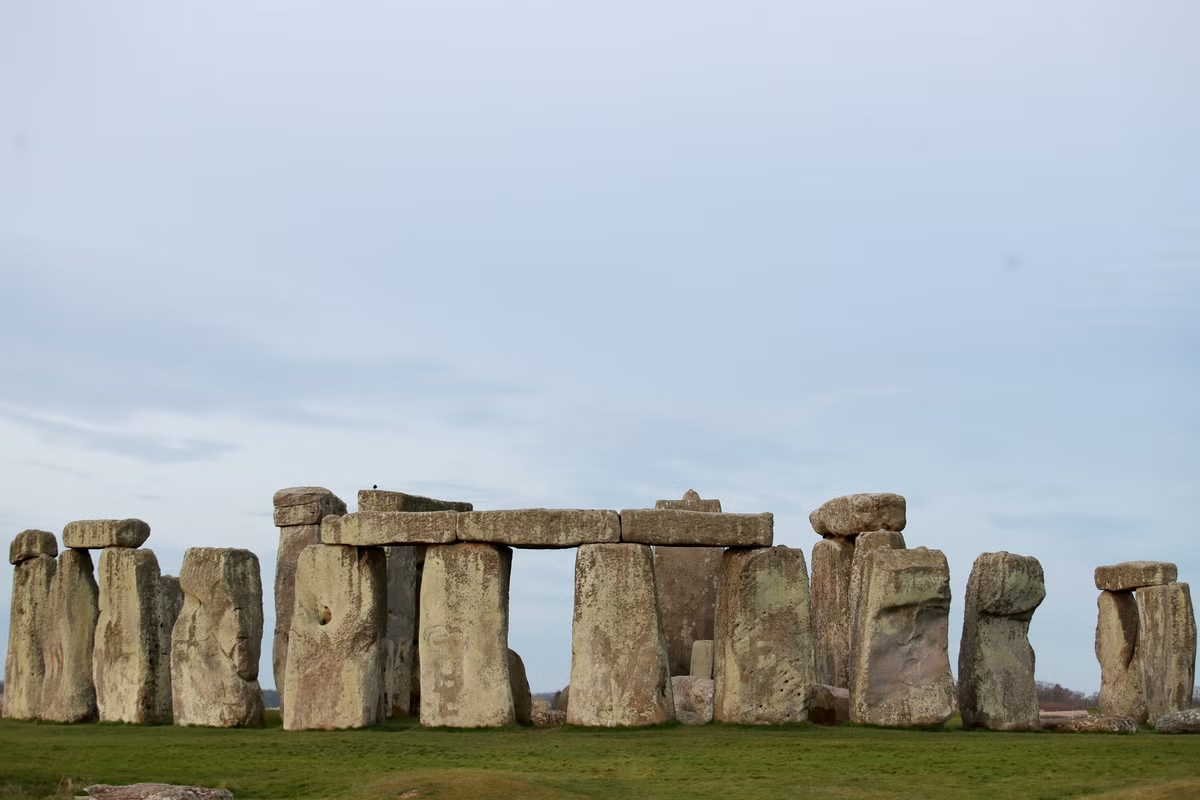
Stay up to date with notifications from The IndependentNotifications can be managed in browser preferences.Jump to contentThank you for registeringPlease refresh the page or navigate to another page on the site to be automatically logged inPlease refresh your browser to be logged inAllNewsSportCultureLifestyleNew evidence from an ancient cow's tooth has further confirmed the link between Stonehenge and two quarries in Wales, believed to be the source of its legendary bluestones. Researchers from the British Geological Survey, Cardiff University, and University College London conducted isotope analysis on a cow’s third molar tooth, discovered at Stonehenge in 1924. The analysis of lead isotopes in the cow's third molar suggested the animal originated from an area with Palaeozoic rocks, similar to those found in Wales, before moving to Stonehenge. This marks the first time scientists have found evidence linking cattle remains from Stonehenge to Wales, adding weight to theories that cows were used to transport the enormous stones. The research provides new insights into the animal's origins and its potential role in the arduous journey of the bluestones to the historic Wiltshire landmark. In fullHow an ancient cow’s tooth could help solve the mystery of StonehengeThank you for registeringPlease refresh the page or navigate to another page on the site to be automatically logged inPlease refresh your browser to be logged in
The mystery of Stonehenge’s origins may have been solved
Stay up to date with notifications from The IndependentNotifications can be managed in browser preferences.Jump to contentThank you for registeringPlease refresh the page or navigate to another page on the site to be automatically logged inPlease refresh your browser to be logged inAllNewsSportCultureLifestyleNew evidence from an ancient cow's tooth has further confirmed the link between Stonehenge and two quarries in Wales, believed to be the source of its legendary bluestones. Researchers from the British Geological Survey, Cardiff University, and University College London conducted isotope analysis on a cow’s third molar tooth, discovered at Stonehenge in 1924. The analysis of lead isotopes in the cow's third molar suggested the animal originated from an area with Palaeozoic rocks, similar to those found in Wales, before moving to Stonehenge. This marks the first time scientists have found evidence linking cattle remains from Stonehenge to Wales, adding weight to theories that cows were used to transport the enormous stones. The research provides new insights into the animal's origins and its potential role in the arduous journey of the bluestones to the historic Wiltshire landmark. In fullHow an ancient cow’s tooth could help solve the mystery of StonehengeThank you for registeringPlease refresh the page or navigate to another page on the site to be automatically logged inPlease refresh your browser to be logged in