Isotopes shows animal began life in Wales, adding weight to theory cattle used in hauling stones across country
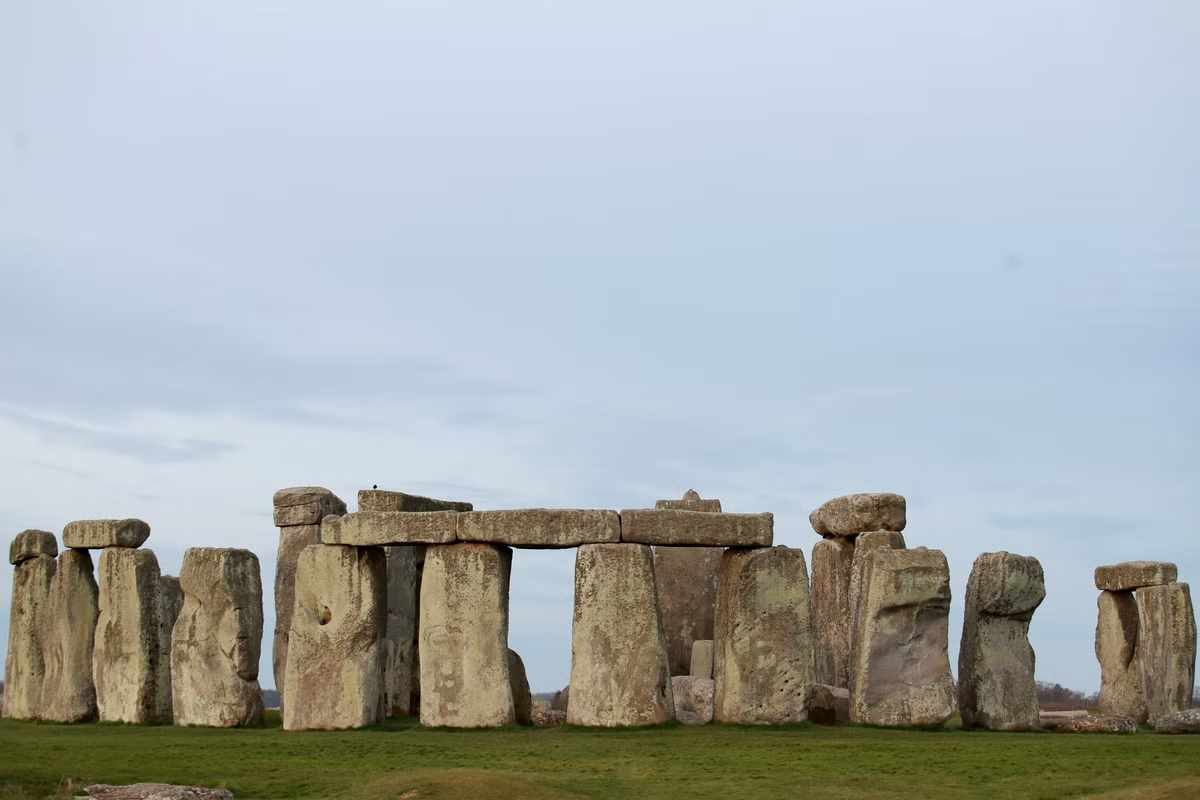
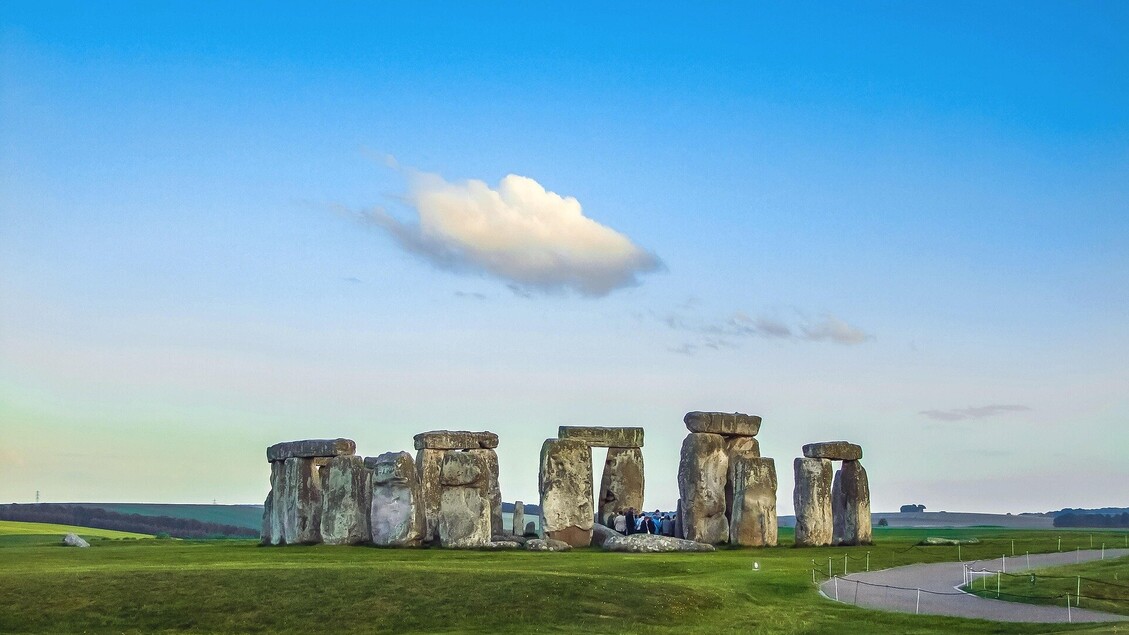
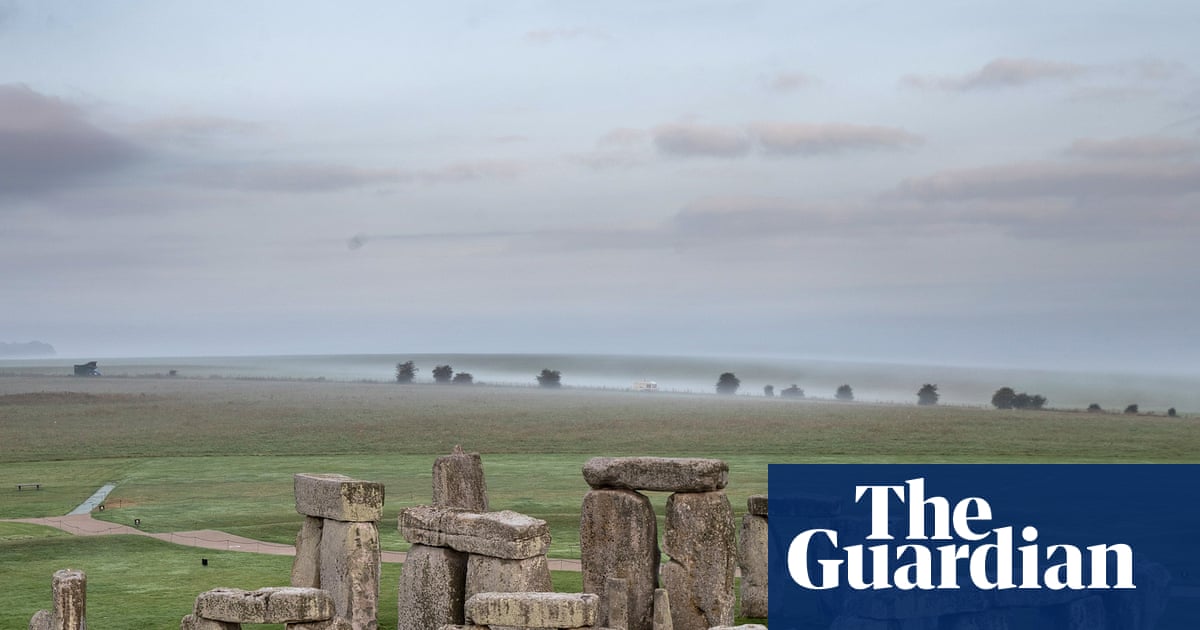
A cow’s tooth from a jawbone deliberately placed beside the entrance to Stonehenge at the Neolithic monument’s very beginning in 2995 to 2900BC could offer tantalising new evidence about how the stones were transported about 125 miles from Wales to Salisbury Plain.
Analysis of the third molar tooth showed the animal began life in Wales, adding weight to a theory that cows were used as beasts of burden in hauling the enormous stones across the country.
Since the jawbone was discovered a century ago historians have been intrigued about why it was placed there and where it had come from.
Researchers from the British Geological Survey (BGS), Cardiff University and University College London found lead isotopes revealed composition spikes during the late winter to spring, pointing to a source that was older than the metal in the rest of the tooth. This was due to the cow, during pregnancy, drawing on lead already in its skeleton to create the calf, it is thought.