Hominins in Kenya were sourcing quality stone for their tools from as far as 13km away, revealing standards - and 'resource redistribution' hundreds of thousands of years earlier than thought
As far back as 3.3 million years, somebody was making stone tools at Lomekwi, Kenya. They were using rocks as hammers, as some monkeys do, but were also intentionally knocking rocks together to shape stone tools, archaeologists concluded after discovering the artifacts by accident in 2011. That serendipitous discovery, resulting from taking a wrong turn on the road and winding up in a dried-up riverbed that they decided to survey, threw back toolmaking by half a million years.
The primitive Lomekwian tools were made with local stone, based on choosing suitable rocks in the vicinity. That is what monkeys do. They don't trek vast distances to find a better stone. So the first toolmakers and monkeys evinced the same short-distance stone transport dynamics.
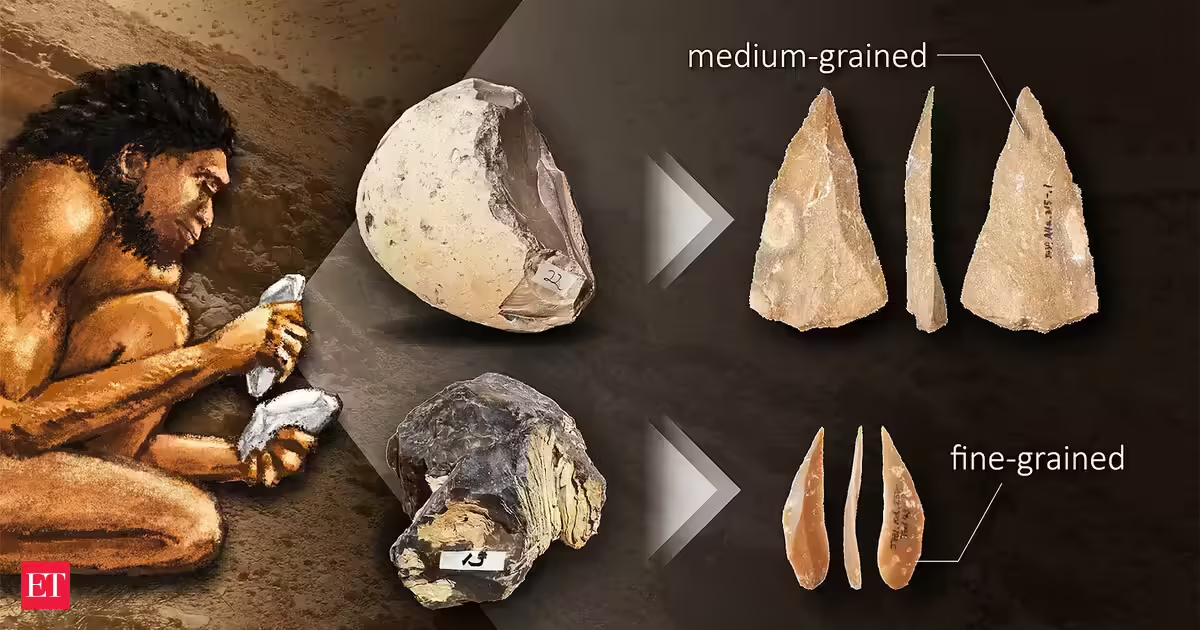
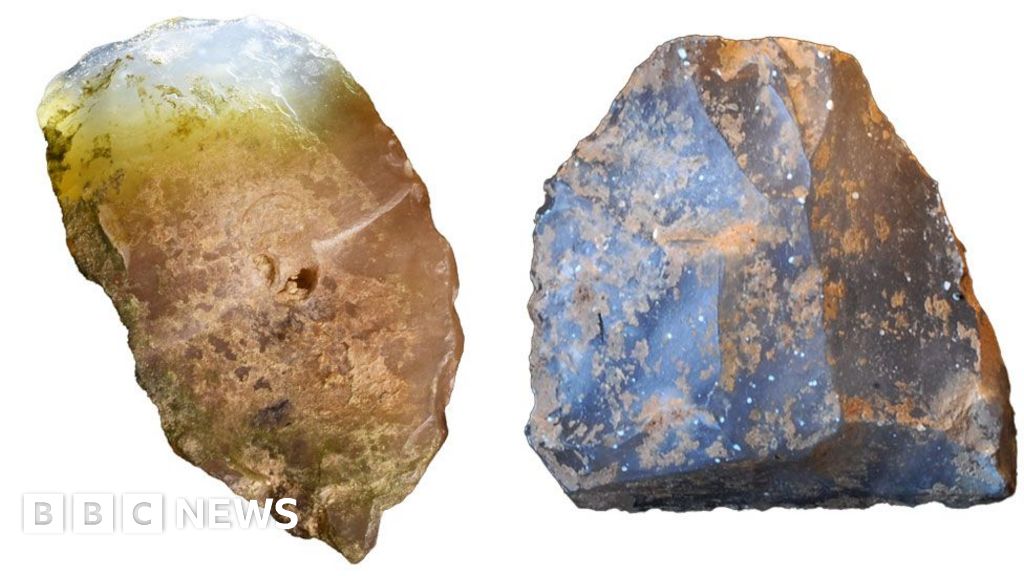
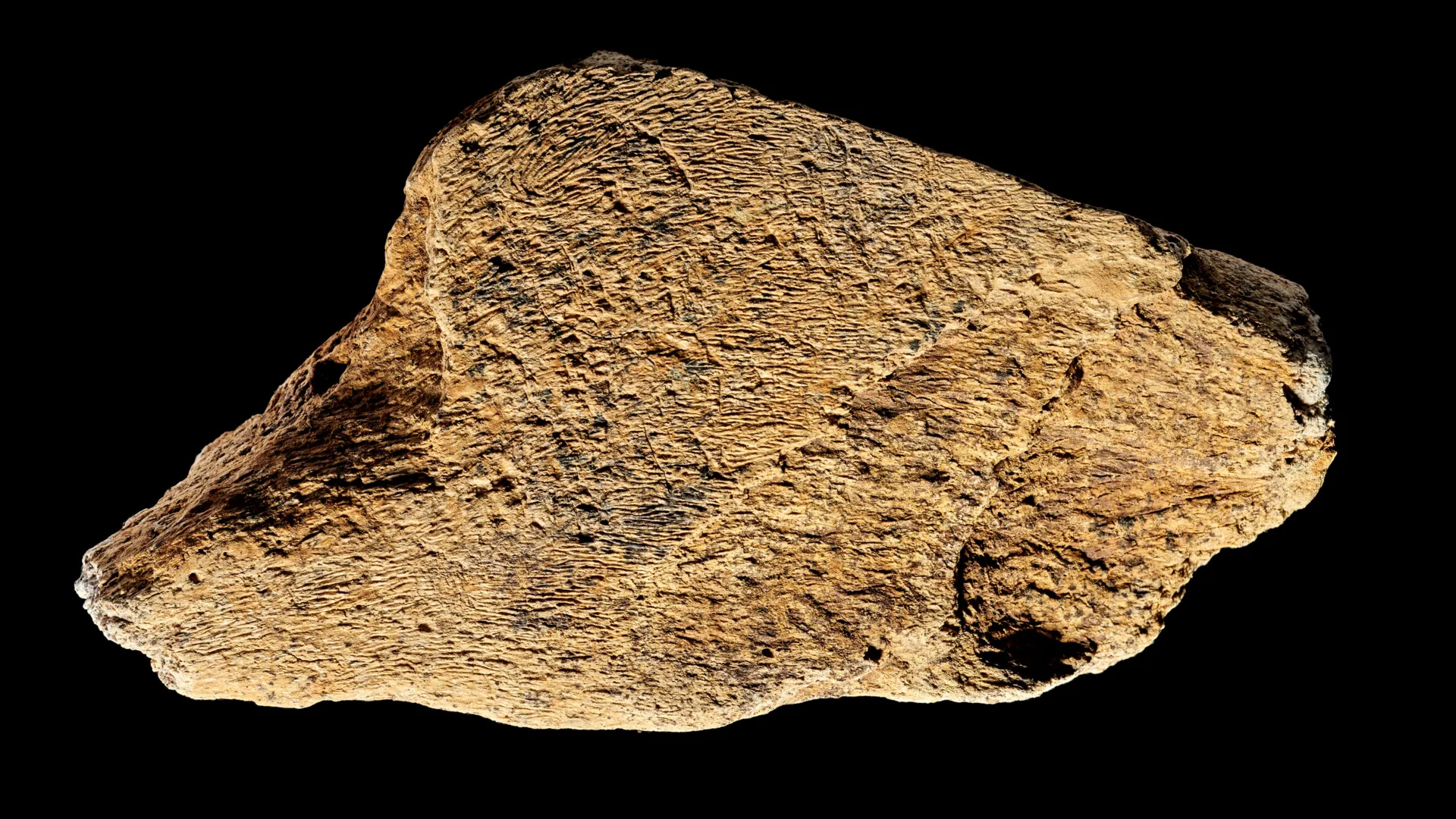
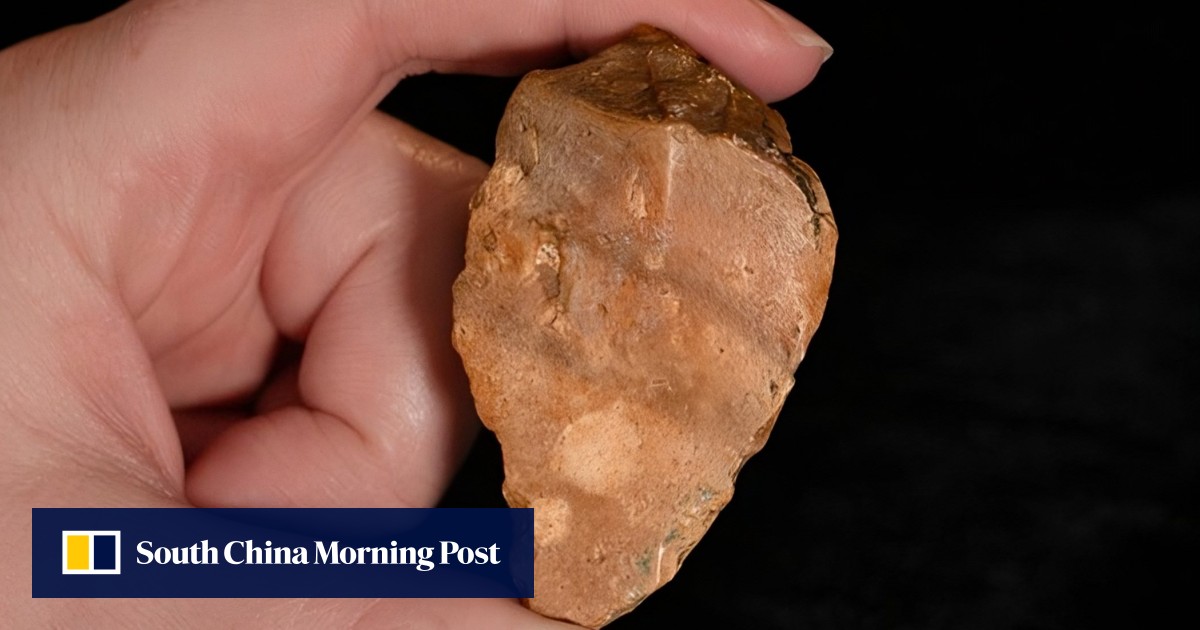
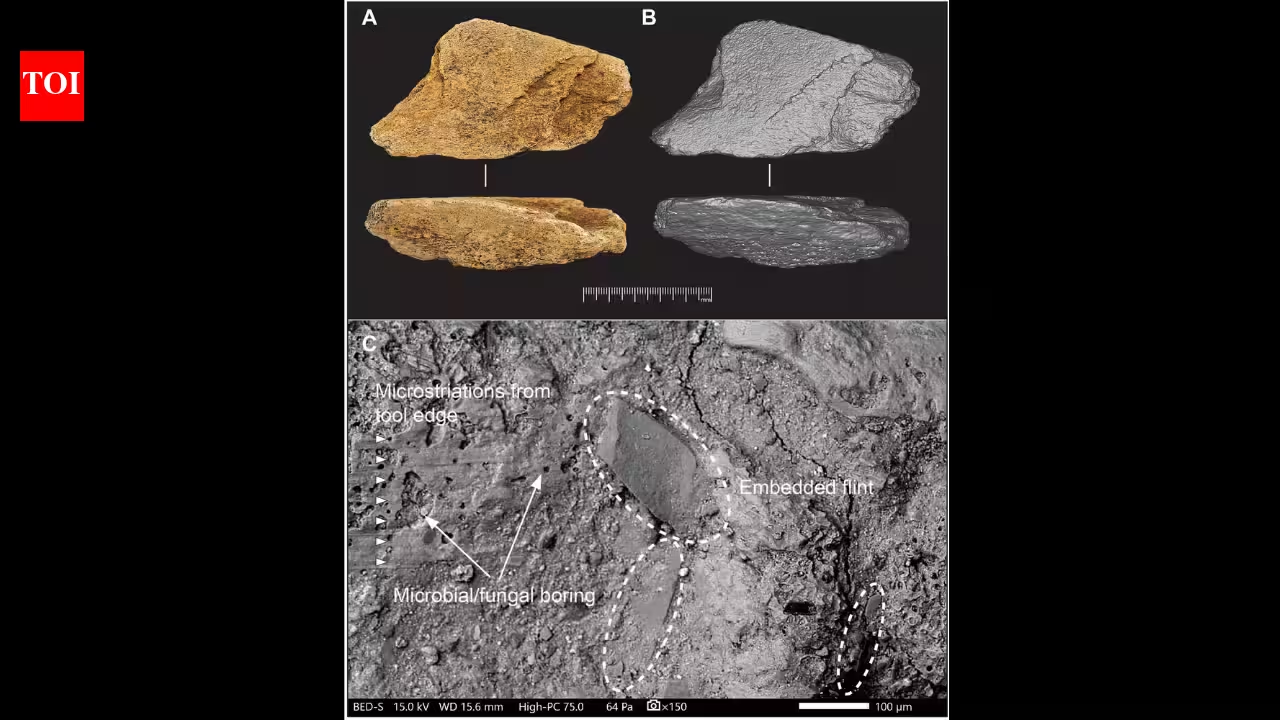
But it turns out that somebody began to refine the process much earlier than thought. Analysis of 401 stone tools from Nyayanga, Kenya finds the toolmakers were hauling better-quality stone from as far as 13 kilometers away at least 2.6 million years ago, according to the Nature paper "Selective use of distant stone resources by the earliest Oldowan toolmakers" published Friday by Emma Finestone of the Cleveland Museum of Natural History, Richard Potts of the New York Consortium in Evolutionary Primatology and colleagues.