(Image credit: Google)
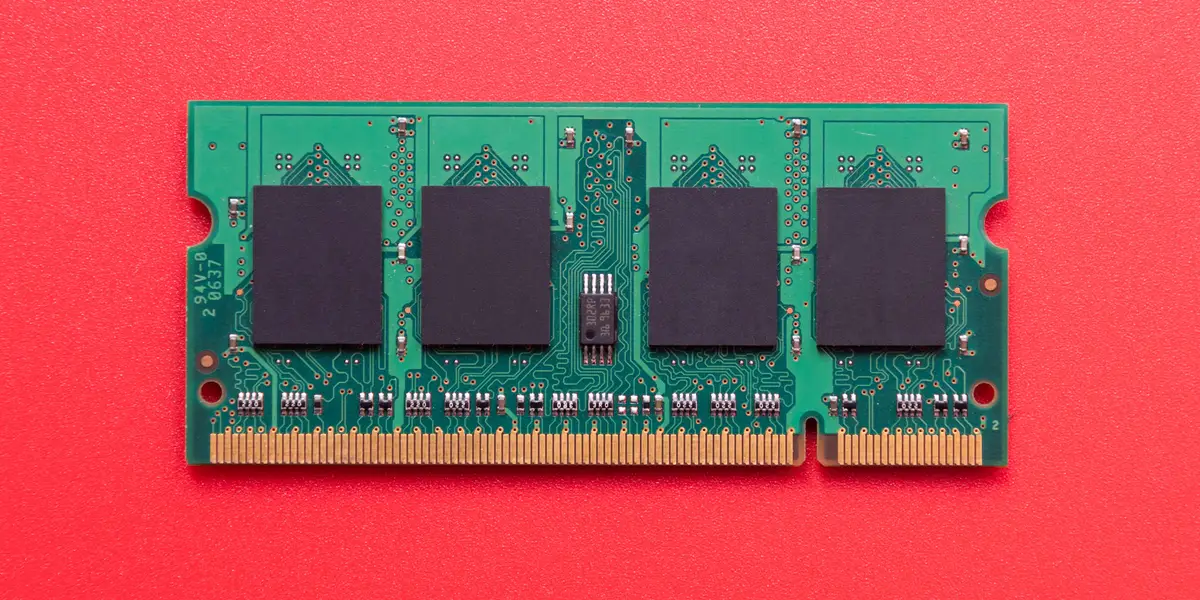
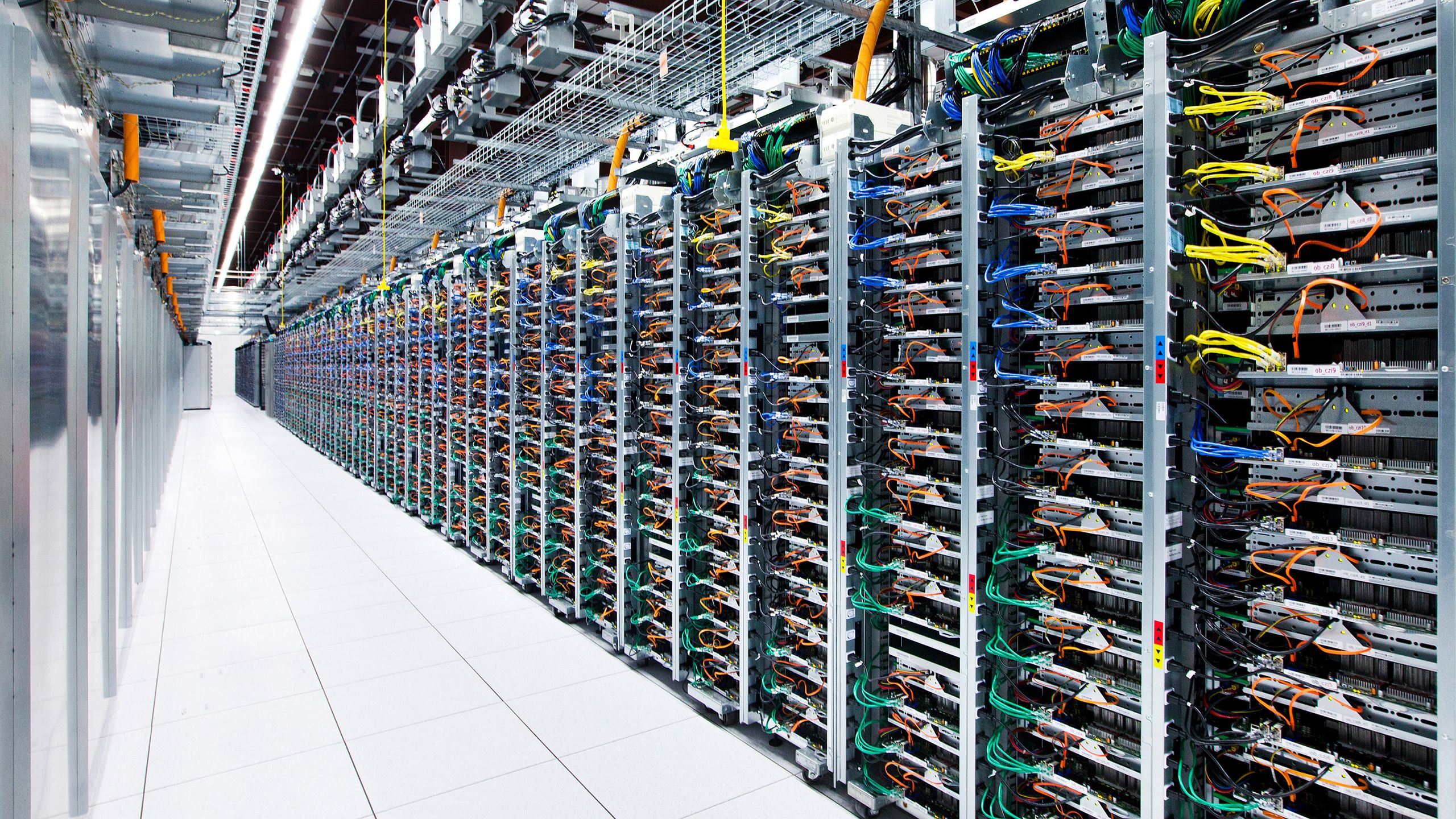
Hardware enthusiasts, server administrators, and all regular readers of this site will be well aware of the ongoing "RAMpocalypse," the memory and storage shortage affecting nearly every market and raising prices across the board in the tech sector. If you were hoping for relief, don't hold your breath; at the International Supercomputing Conference this past week, Lenovo reportedly said "it will never be like it was last year." Underlining the point, one of Lenovo's presentation slides was titled "The 5 Step RAMaggeddon Survival Guide."That comes to us by way of our German friends over at ComputerBase, who note that "never" was said with a smirk, thus implying that it wasn't meant to be taken literally. Instead, the message from Lenovo is that memory prices were unusually low in early 2025, and it will be a long time before we see comparatively low prices on RAM, flash memory, and other components, as the #1 worldwide PC OEM expects AI demand to continue growing.According to ComputerBase's report from ISC 2026, Lenovo's broader message is that the economics of the memory industry have fundamentally changed. The company reportedly argued that even as significant new manufacturing capacity comes online beginning around 2028, demand from AI infrastructure is expected to absorb much of that additional output, preventing DRAM and NAND prices from returning to the lows seen over the past two years.The report points to SK hynix's recently announced plans to triple its memory production capacity by 2034 as supporting evidence. Lenovo's reasoning is straightforward: the notoriously profit-hungry memory manufacturers would be unlikely to invest so heavily in expanding production if they expected a return to the razor-thin margins and oversupply that characterized parts of the market in early 2025.In case you needed extra evidence for its argument, Lenovo also suggested that memory capacity itself is becoming an increasingly important consideration when designing and purchasing servers. While vendors have traditionally advertised the maximum supported memory capacity of new platforms, actually populating those DIMM slots has become far more expensive. New dual-socket servers are on the way next year with 16 memory channels per processor, meaning that even a relatively modest configuration can require around 1 TB of installed memory to fully utilize the available bandwidth.