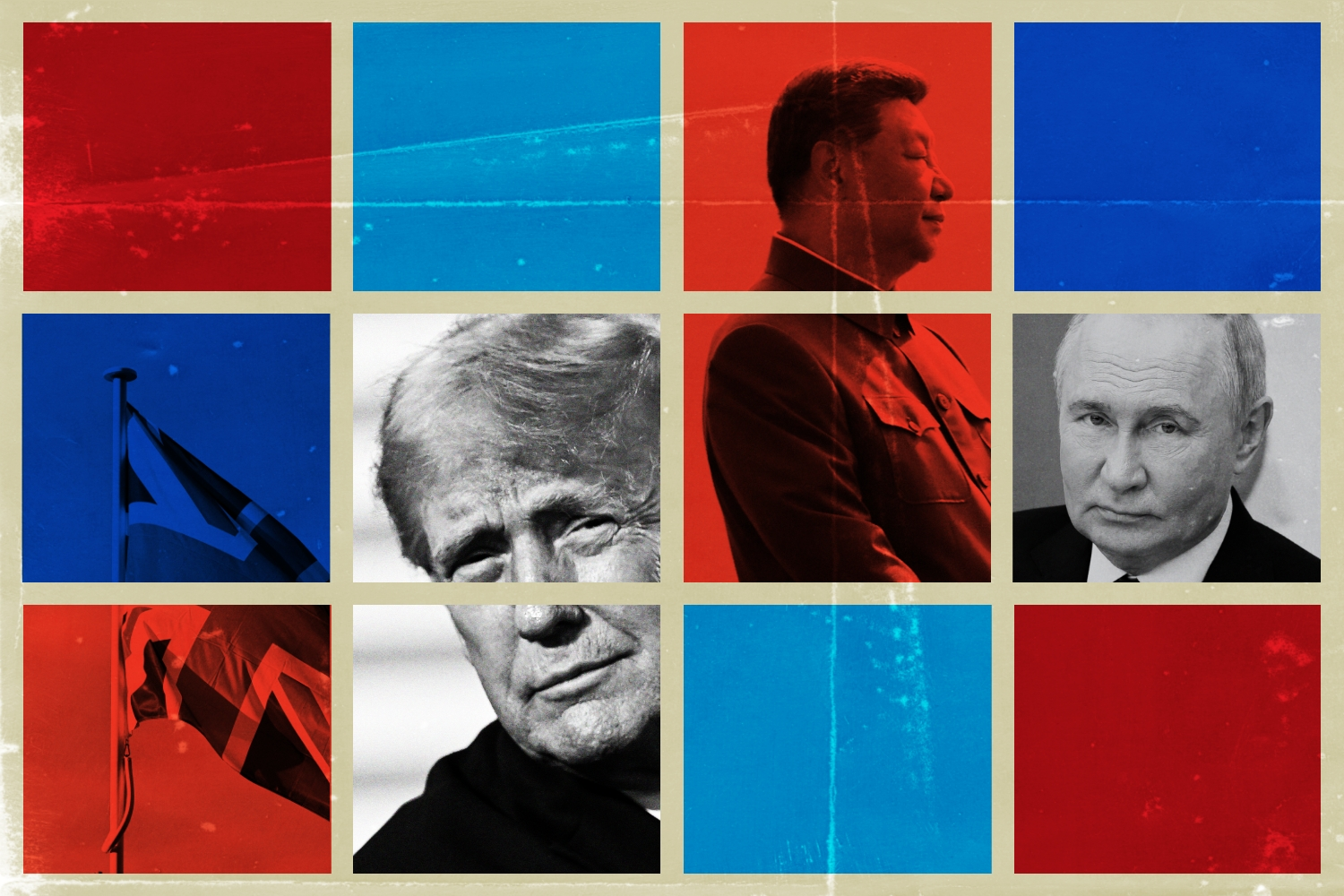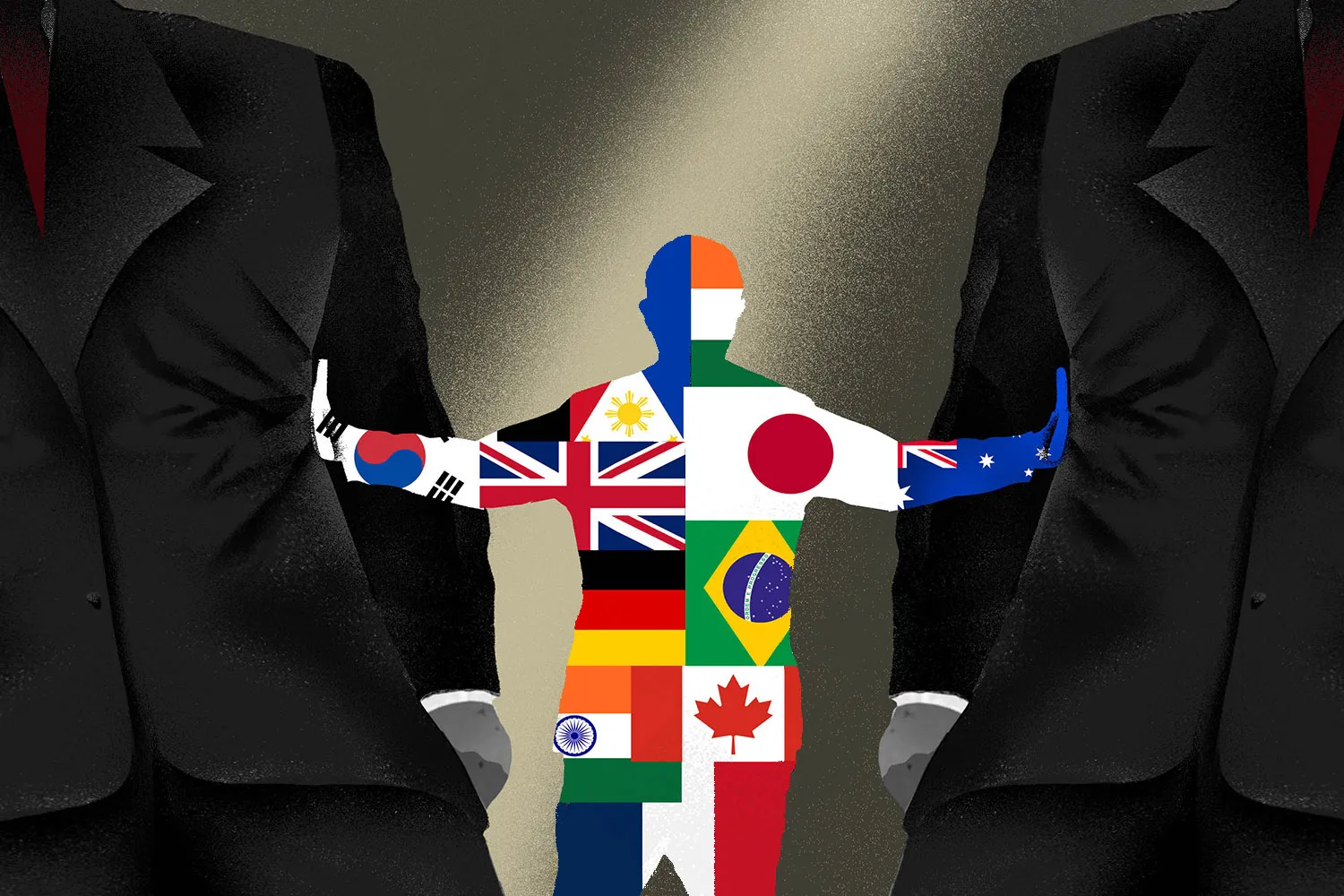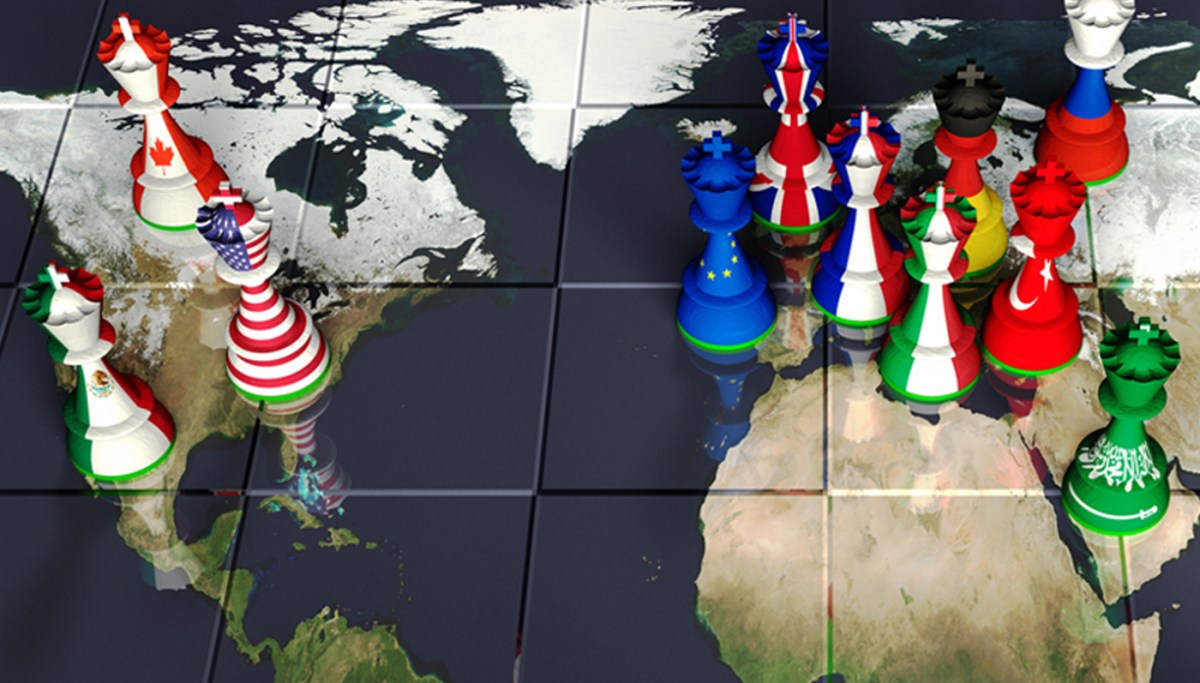
It is clear by now that the end of the Cold War and the period of relative peace, globalization, and prosperity that ensued after the collapse of the USSR and its satellites was no end of history. Instead, the United States sat briefly alone at the helm of the world order, where it made a series of navigational errors. It diverted scarce resources and political capital into the global war on terror and outsourced its vast industrial base to developing countries and geopolitical rivals alike. Meanwhile, revisionist powers such as Russia and China collected themselves enough to challenge the status quo. This has proved to be the death knell of the rules-based international order, which, in hindsight, seems to have been little more than a coy euphemism for the liberal, corporatized American empire. Brendan Simms, a professor of the history of international relations at the University of Cambridge, is not the first to take note of this. But his interpretation of today’s world order, and the great power system that has returned from a brief hiatus during the unipolar moment, is both novel and persuasive. In his new book, The Return of the Great Powers, Simms provides an exquisite, sober rendering of more than five centuries of geopolitical history. He also constructs a framework through which one can define and make sense of the great powers, eschewing “realism” and the more obvious measurements of geopolitical power for a more sophisticated approach. In order to gauge the status of a great power, Simms argues, we must consider “the global distribution of resources, reach, reputation, and resilience.” “Resources” includes whether or not a country has the dynamism and military capacity to protect itself or to bend others to its will (e.g., nuclear weapons, natural resources, favorable demographics, a strong economy). “Reach” entails whether or not said country can project power and influence beyond its own region and penetrate such difficult domains as space and cyberspace. The third criterion of “reputation” measures how a country is perceived by others and, perhaps more importantly, how it views itself and its mission. And “resilience” considers how hard of a beating — economically, militarily, or otherwise — a country can absorb.
Review of The Return of the Great Powers
The great power system has returned from a brief hiatus during the unipolar moment.
1,246 words~6 min read