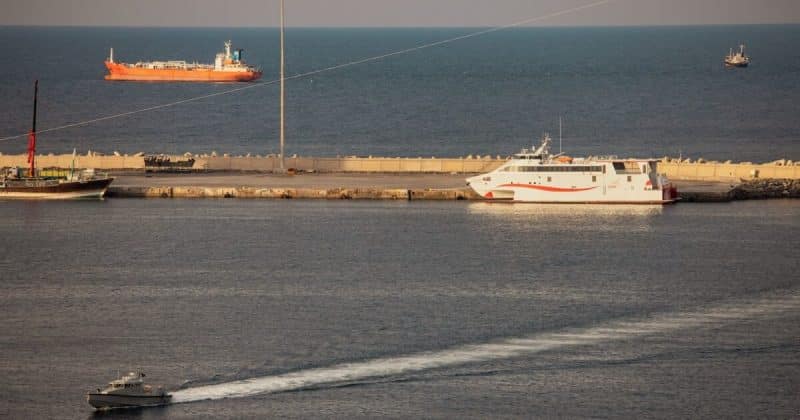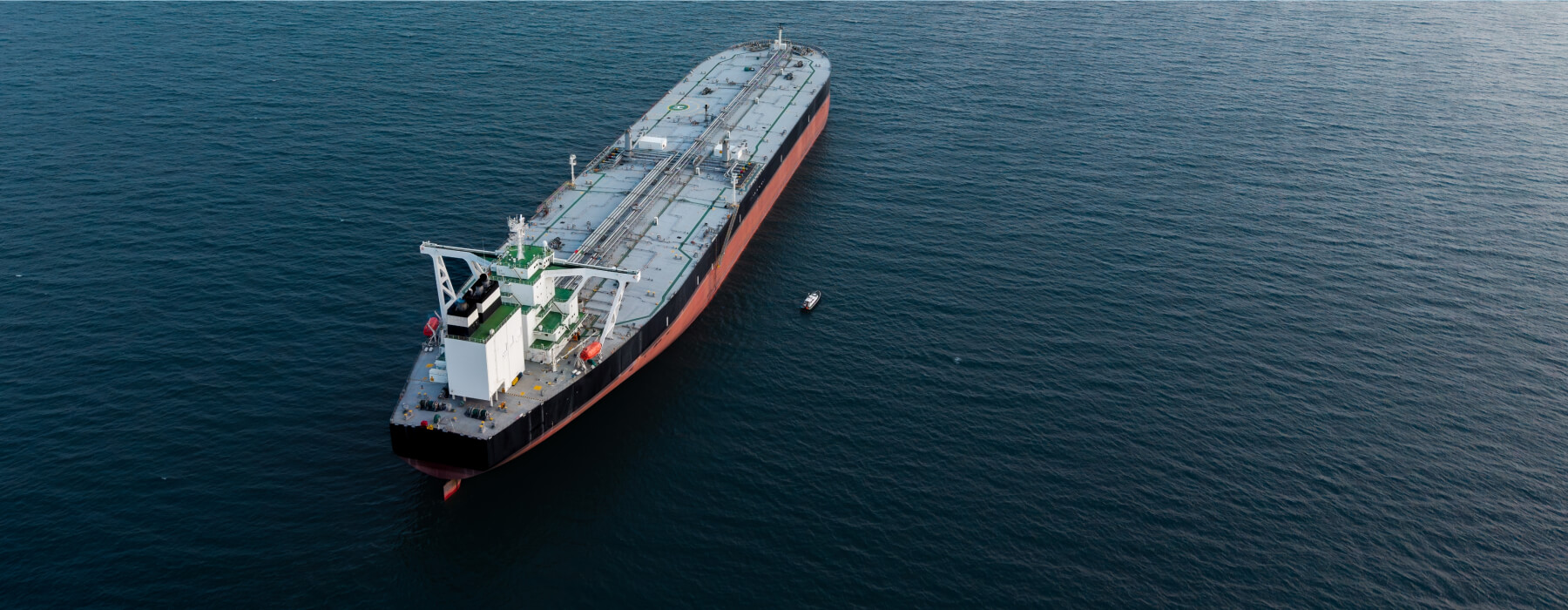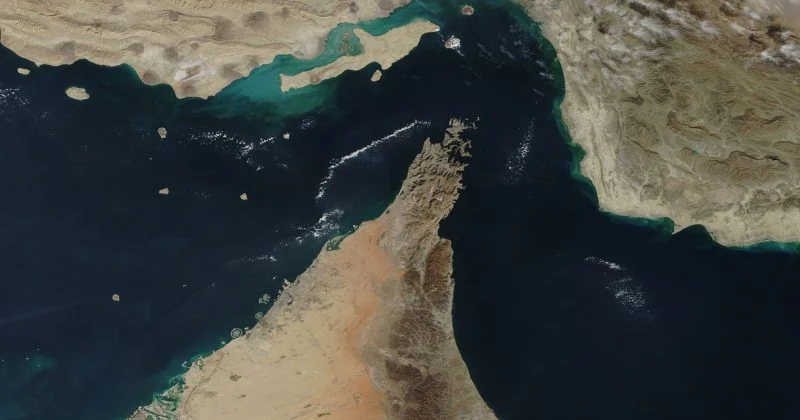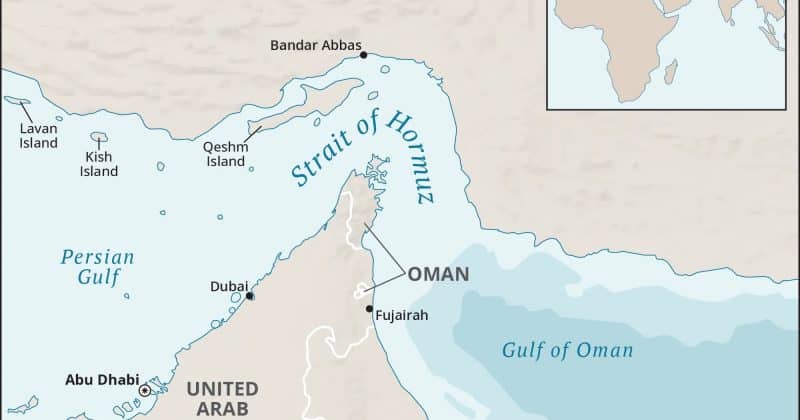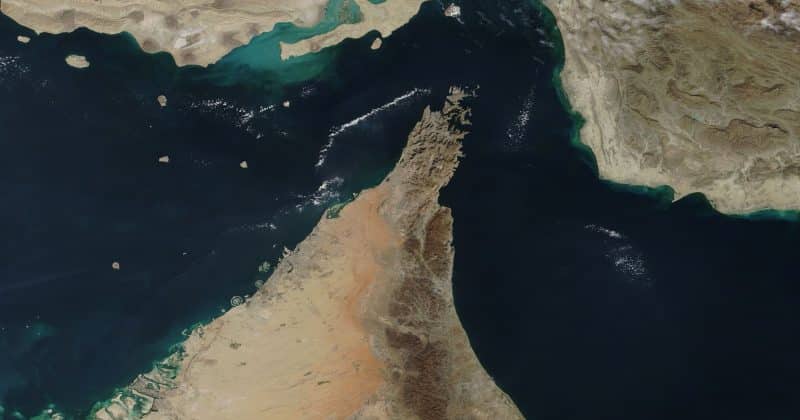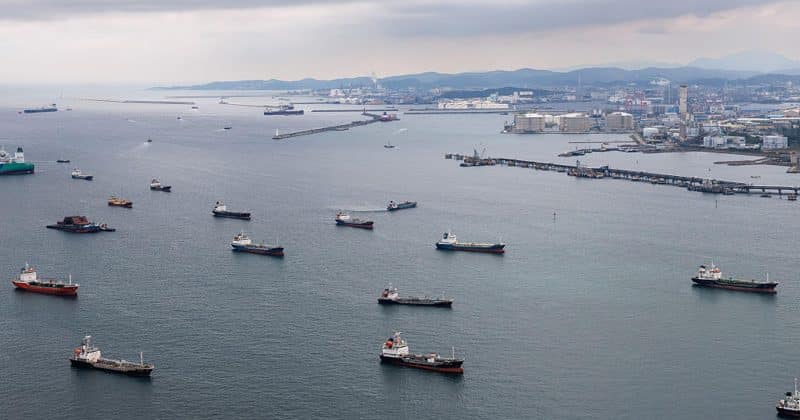
Iraq is pressing Iran to reopen the Strait of Hormuz and lift maritime blockades that have choked one of the most important oil chokepoints on the planet. The diplomatic push comes after months of disruptions that have rattled global energy markets and introduced Bitcoin into the world of supertanker tolls.
The Strait of Hormuz handles roughly 20% of the world’s seaborne oil trade. Before the crisis, that meant about 20 million barrels per day flowing through a narrow waterway between Iran and the Arabian Peninsula.
How we got here
The crisis traces back to the US-Iran conflict that reignited on February 28, 2026. Iran began restricting transit through the Strait in early March as a response to US and Israeli military actions. Iraq’s Rumaila oil field experienced shutdowns in early March due to transit disruptions. The US escalated further in mid-April by enforcing a naval blockade on Iranian ports. A key turning point came on June 18, 2026, when the US lifted its blockade. Initial tanker movements resumed under a tentative deal where Iran temporarily agreed not to charge for transit.
The Bitcoin toll booth