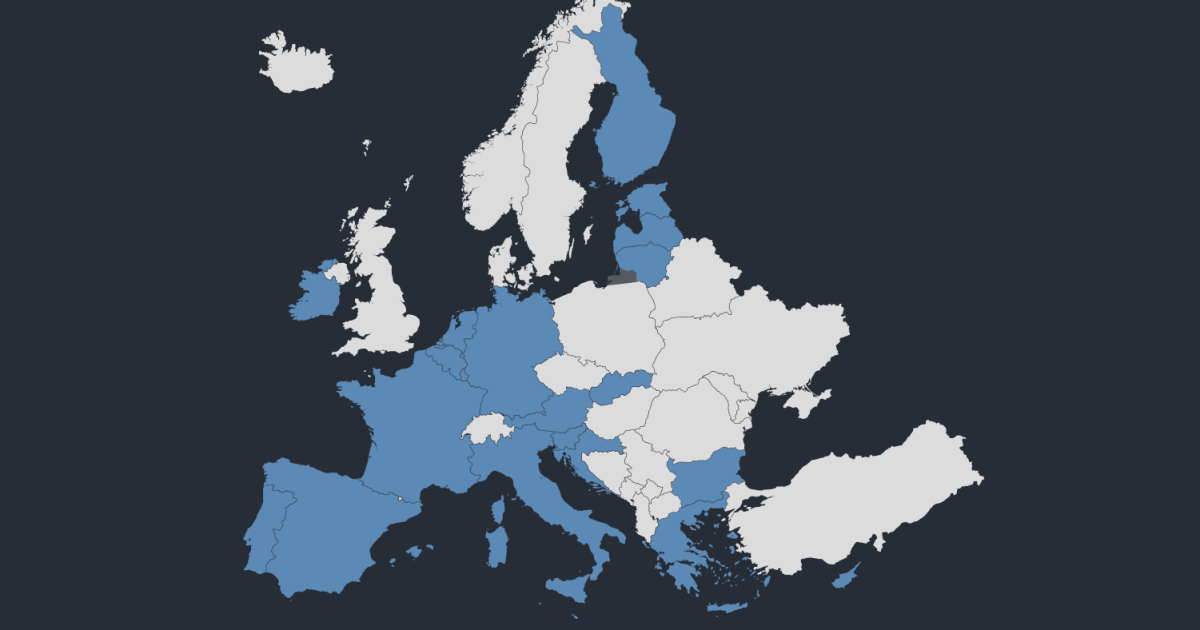
Bulgaria has emerged as the only European Union country to successfully complete the process of joining the eurozone, while other candidate states have made little or no meaningful progress toward adopting the single currency. That is the conclusion of the latest convergence report by the European Central Bank (ECB).
According to the ECB, Bulgaria's accession represents the only major success in the current phase of eurozone enlargement. The report concludes that the remaining EU members outside the monetary union have largely stalled in meeting the convergence criteria required for membership. The central bank says a series of external shocks has slowed economic convergence across Europe, while public finances in most candidate countries have weakened over the past two years.
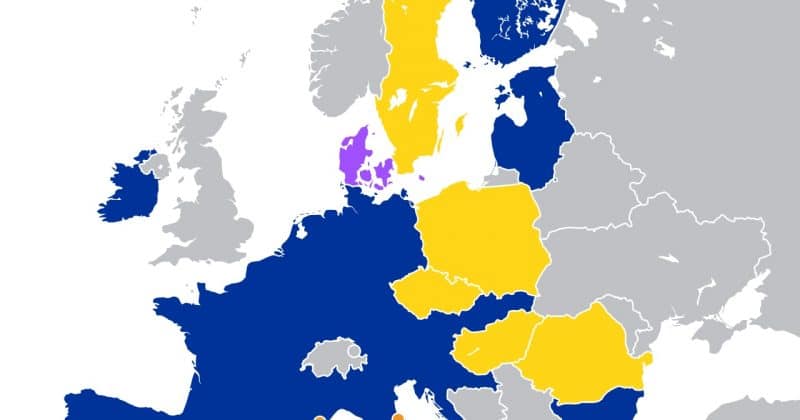
With Bulgaria already part of the eurozone, the ECB says the other five countries still considered potential future members, the Czech Republic, Hungary, Poland, Romania, and Sweden, remain several years away from adopting the euro.
Hungary receives the strongest criticism in the report. Although Budapest has declared an ambition to meet the euro criteria by 2030, the ECB says the country currently fails to satisfy any of the main membership requirements. Public debt, interest rates, inflation, the budget deficit, and exchange-rate stability all remain outside the acceptable limits.