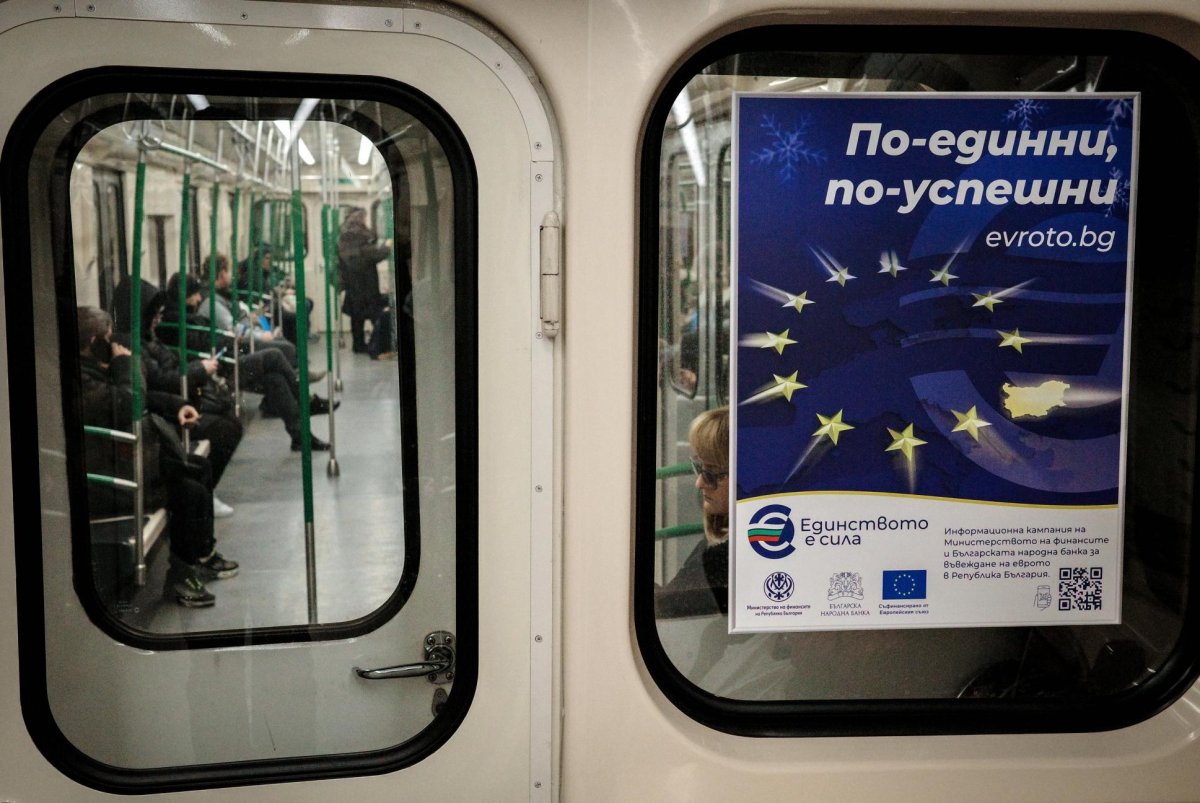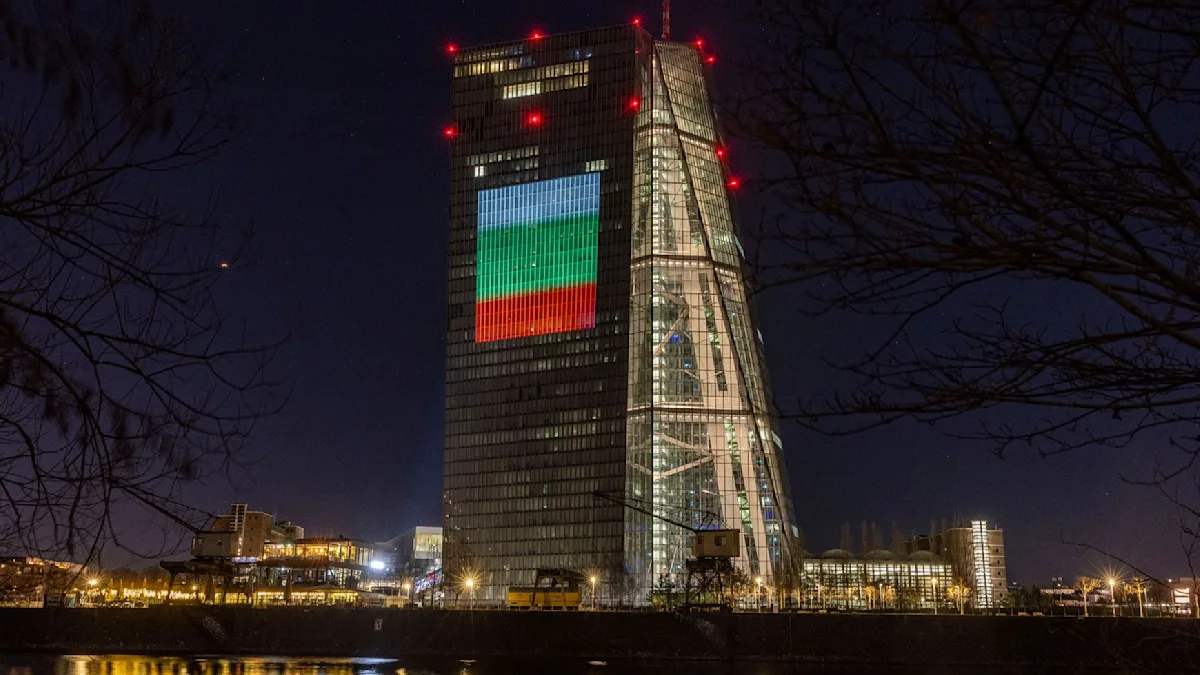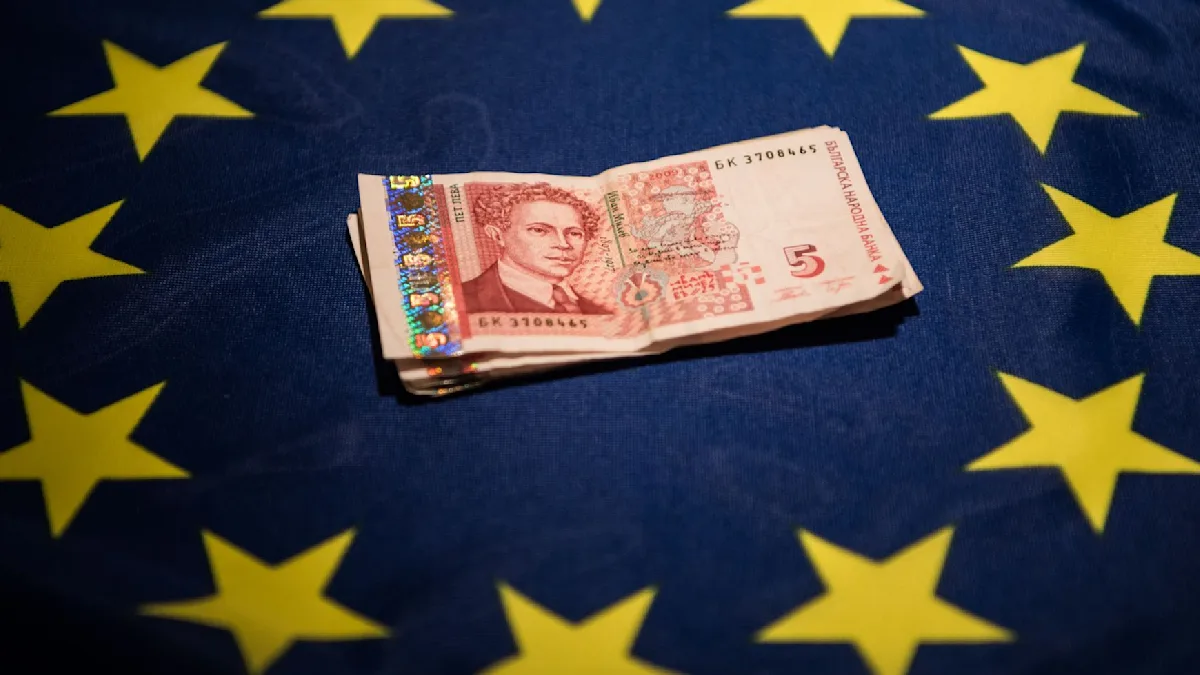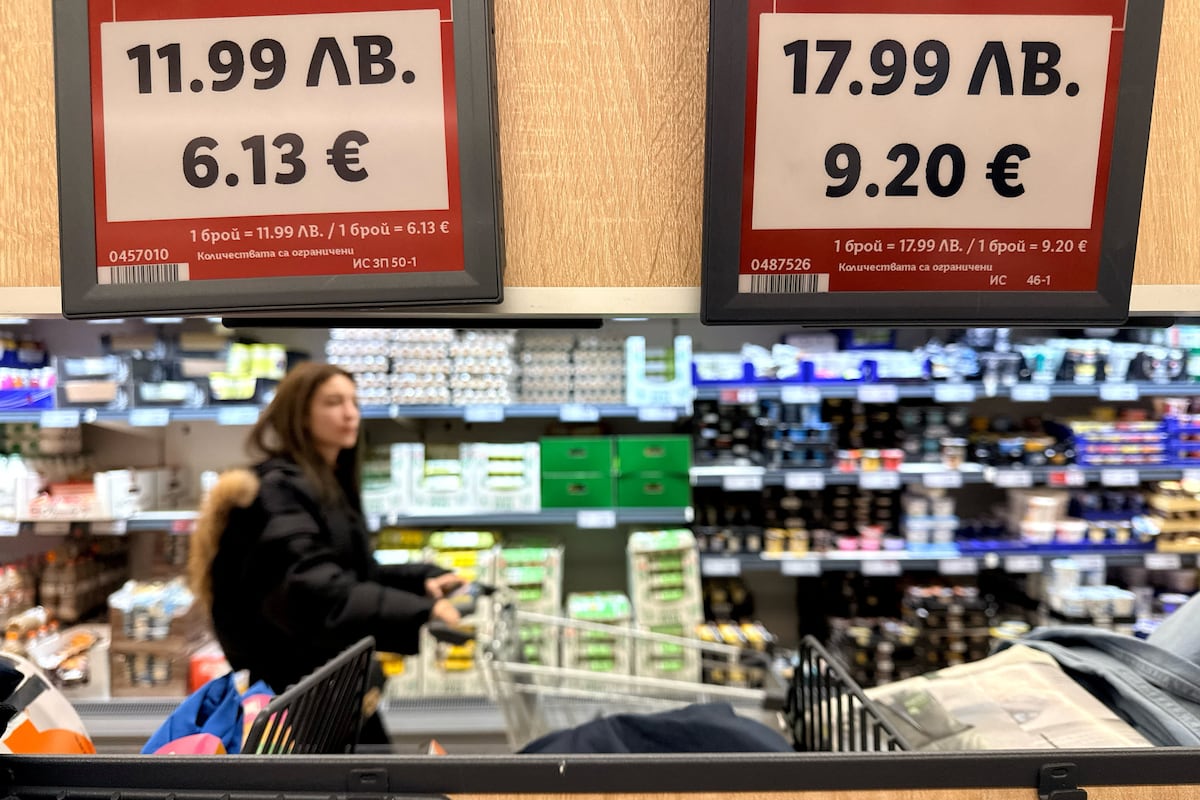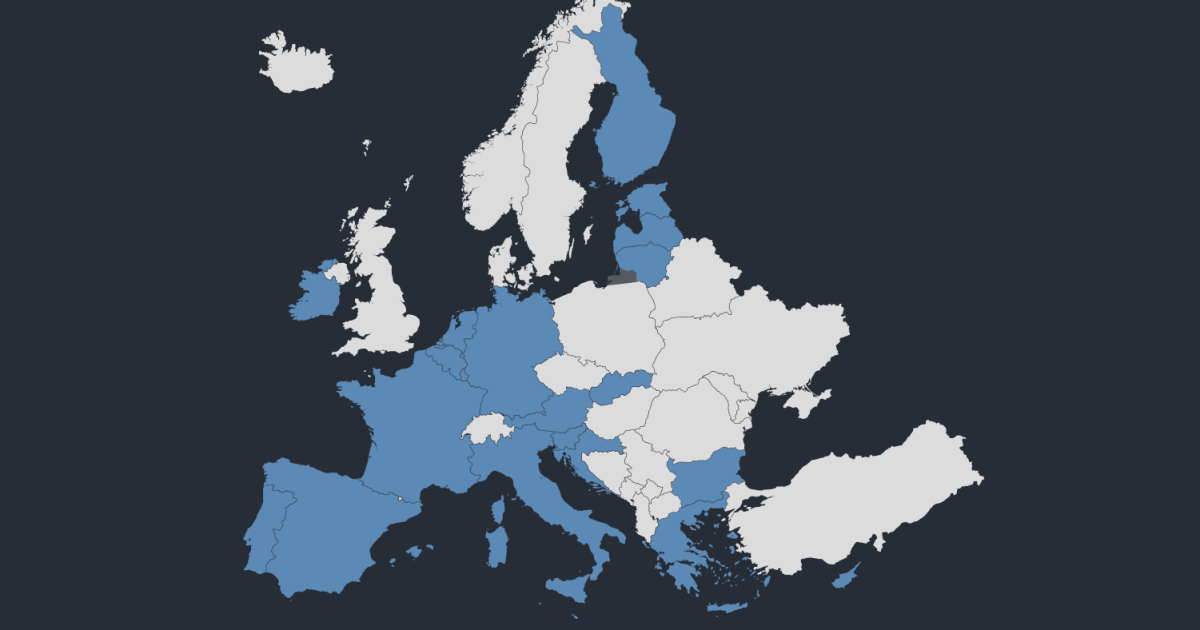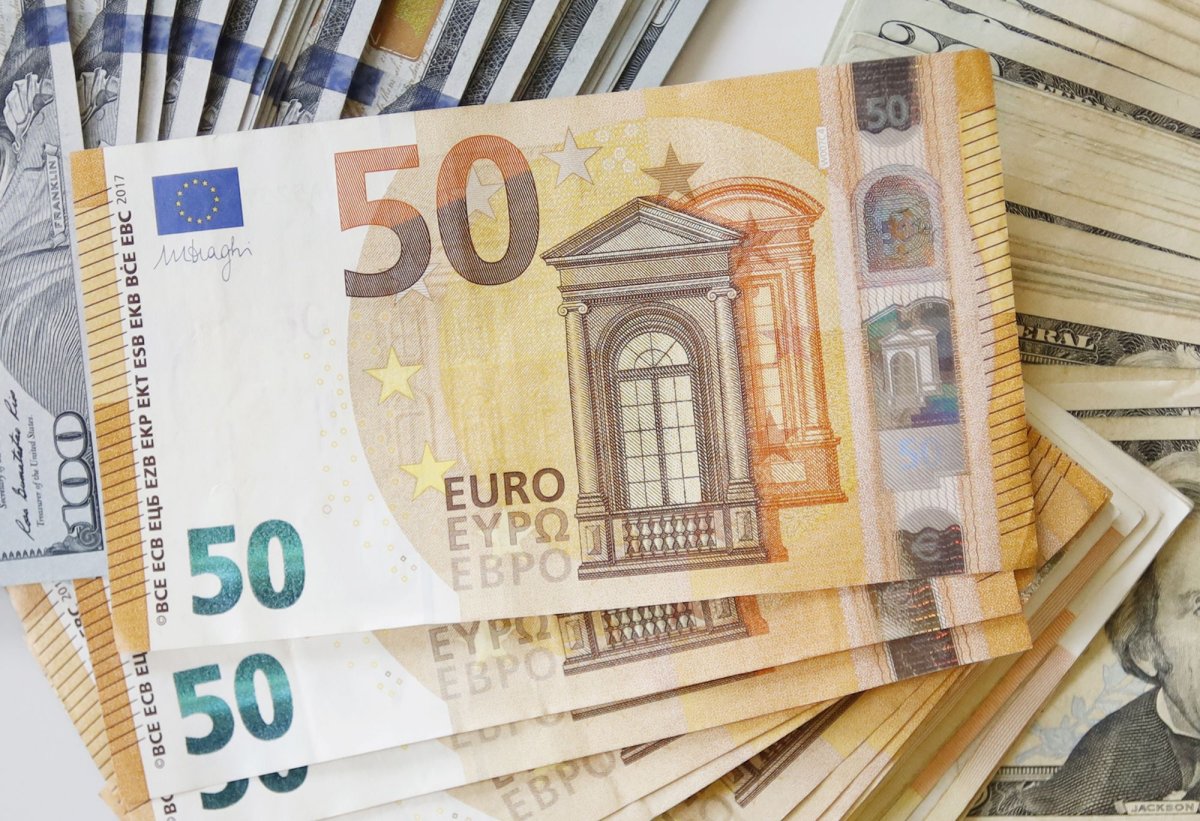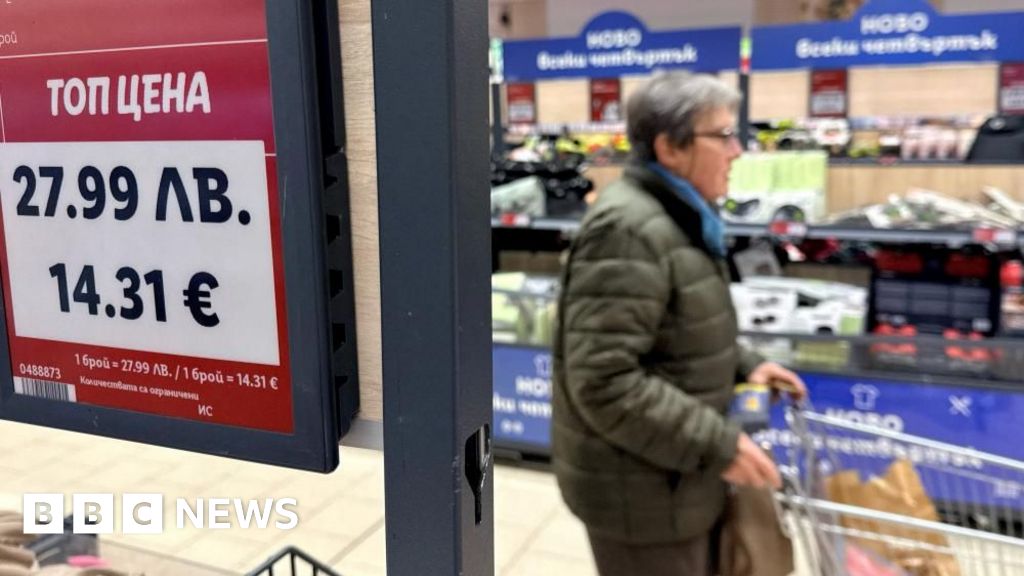
Bulgaria - the poorest country in the European Union - has become the 21st member of the eurozone - leapfrogging more obvious and prosperous candidates like Poland, the Czech Republic and Hungary.
For mostly urban, young and entrepreneurial Bulgarians, it's an optimistic and potentially lucrative leap - the final move in a game which has brought Bulgaria into the European mainstream - from Nato and EU membership, to joining the Schengen zone, and now the euro.
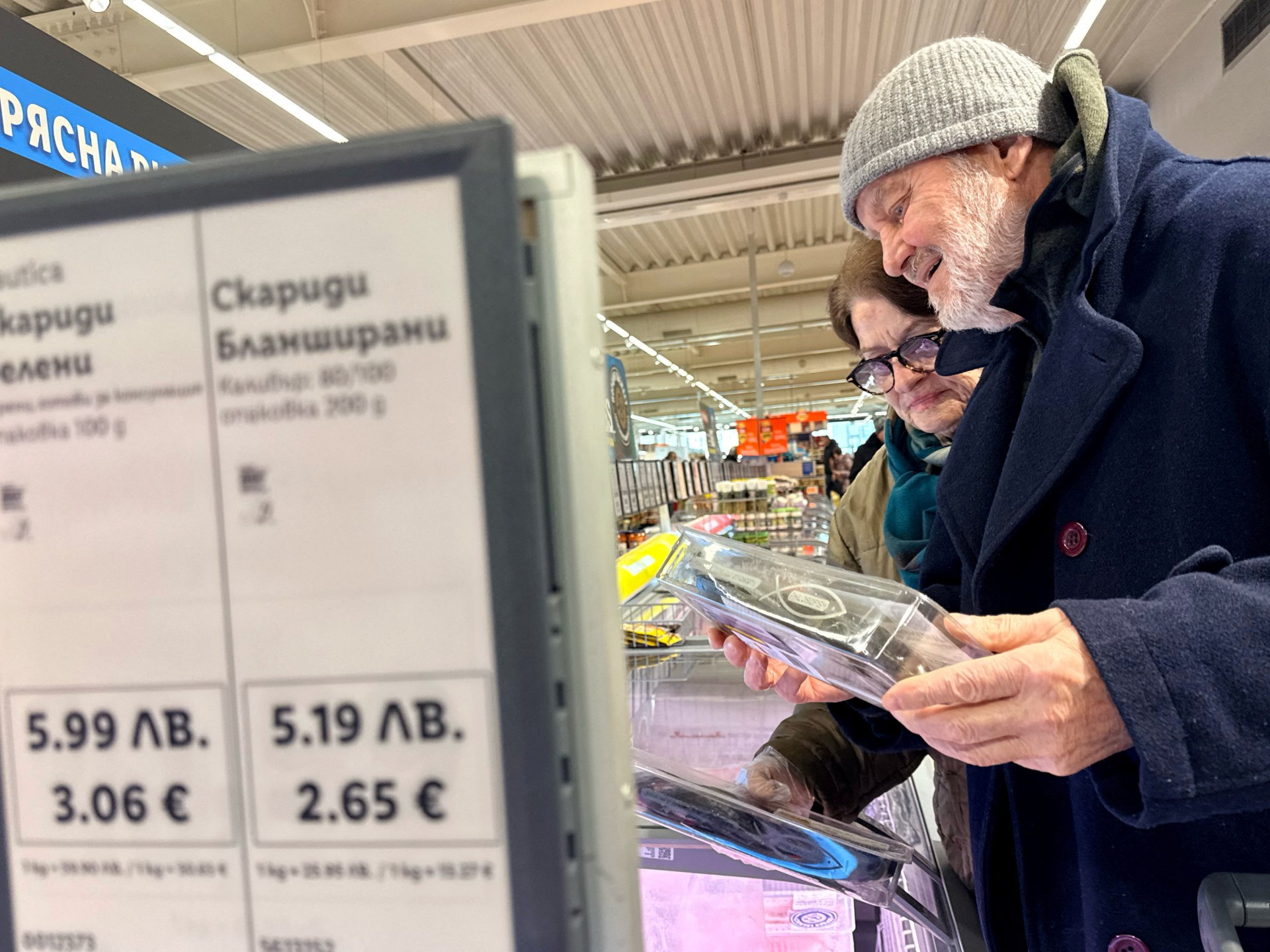
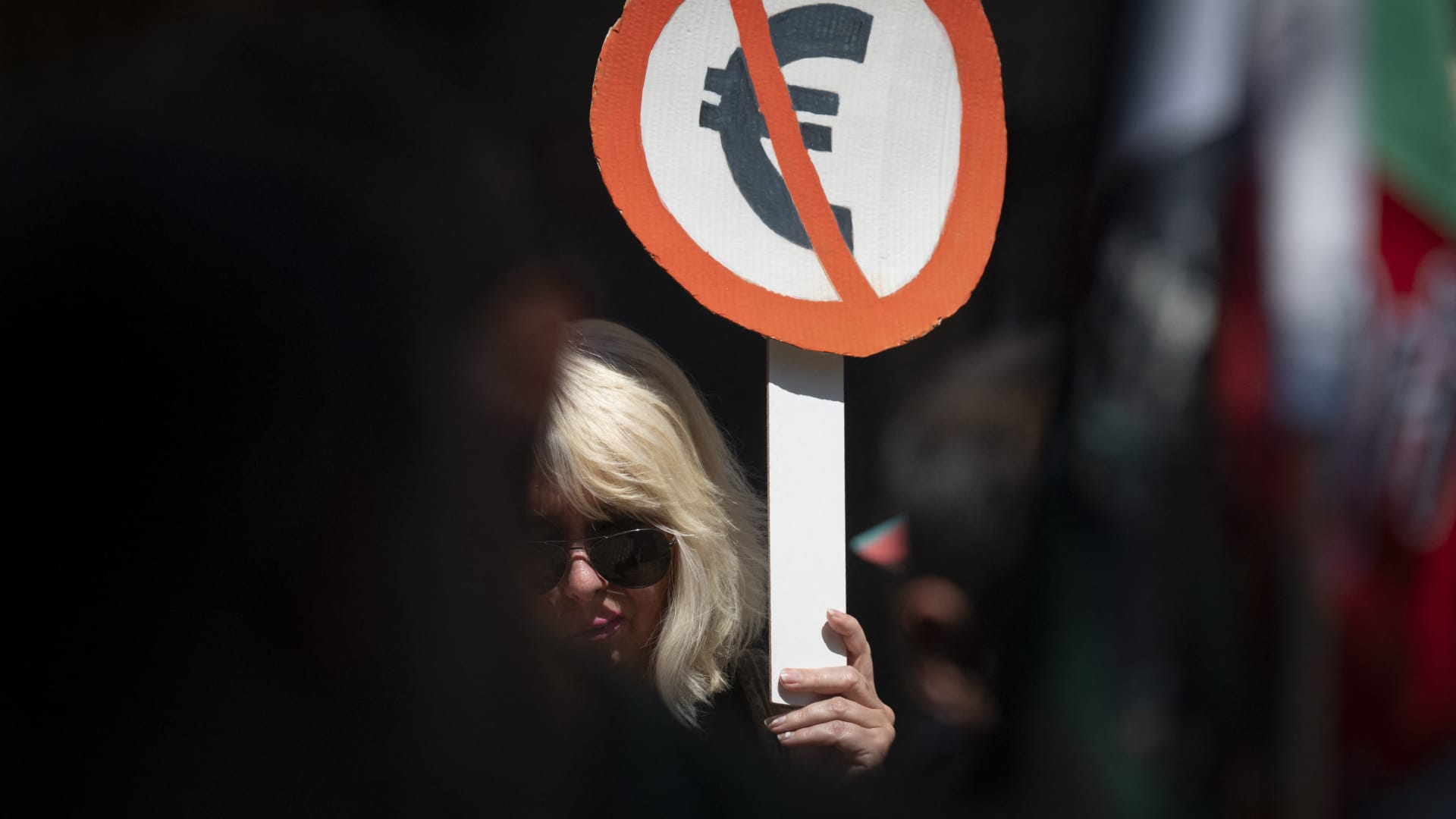
For the older, rural, more conservative parts of the population, the replacement of the Bulgarian lev by the euro provokes fear and resentment.
The lev - meaning lion - has been the Bulgarian currency since 1881, but it has been pegged to other European currencies since 1997 - first the Deutschmark, then the euro.
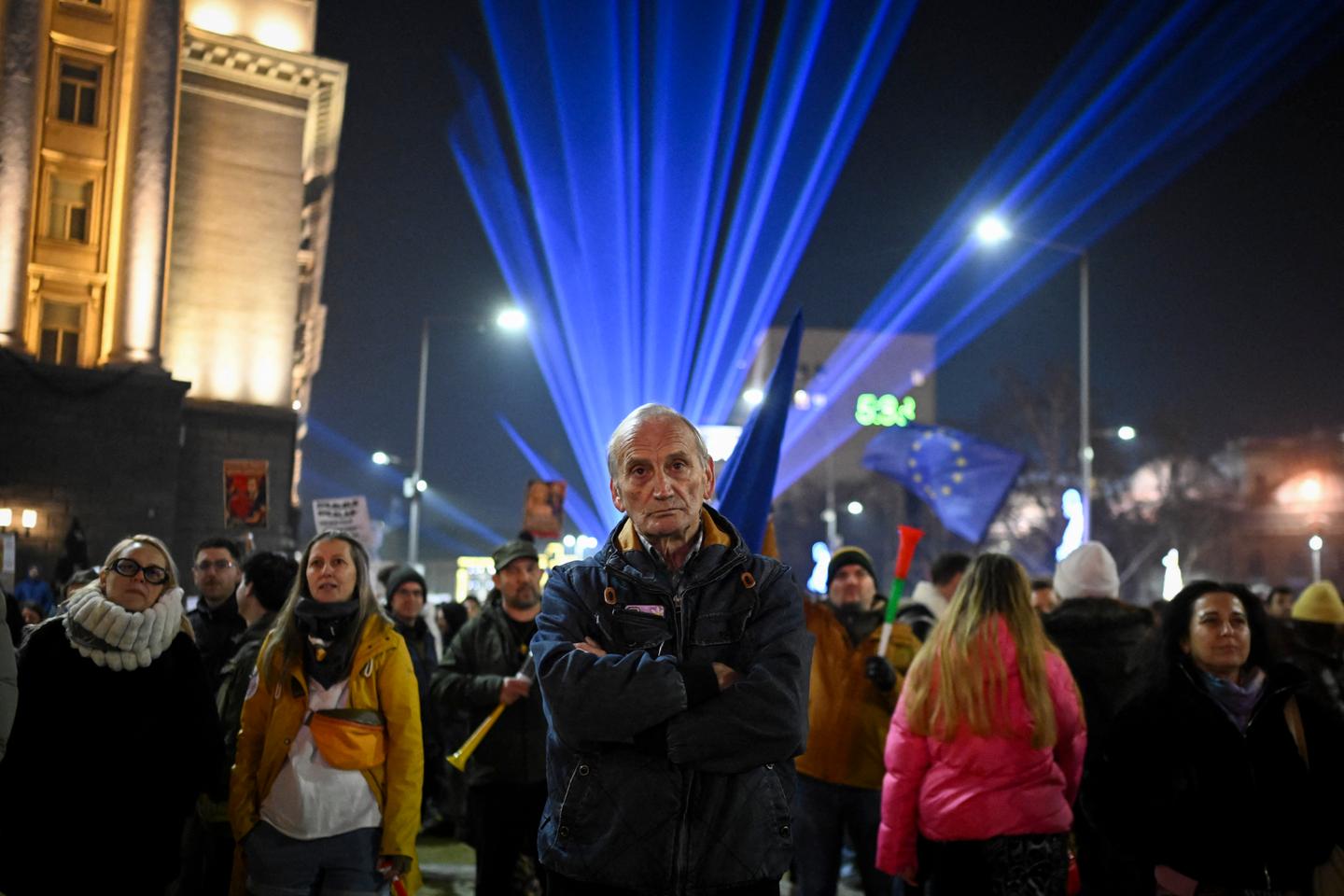
Opinion polls put Bulgaria's 6.5 million population more or less equally divided on the new currency, and political turmoil is not making the transition easy.