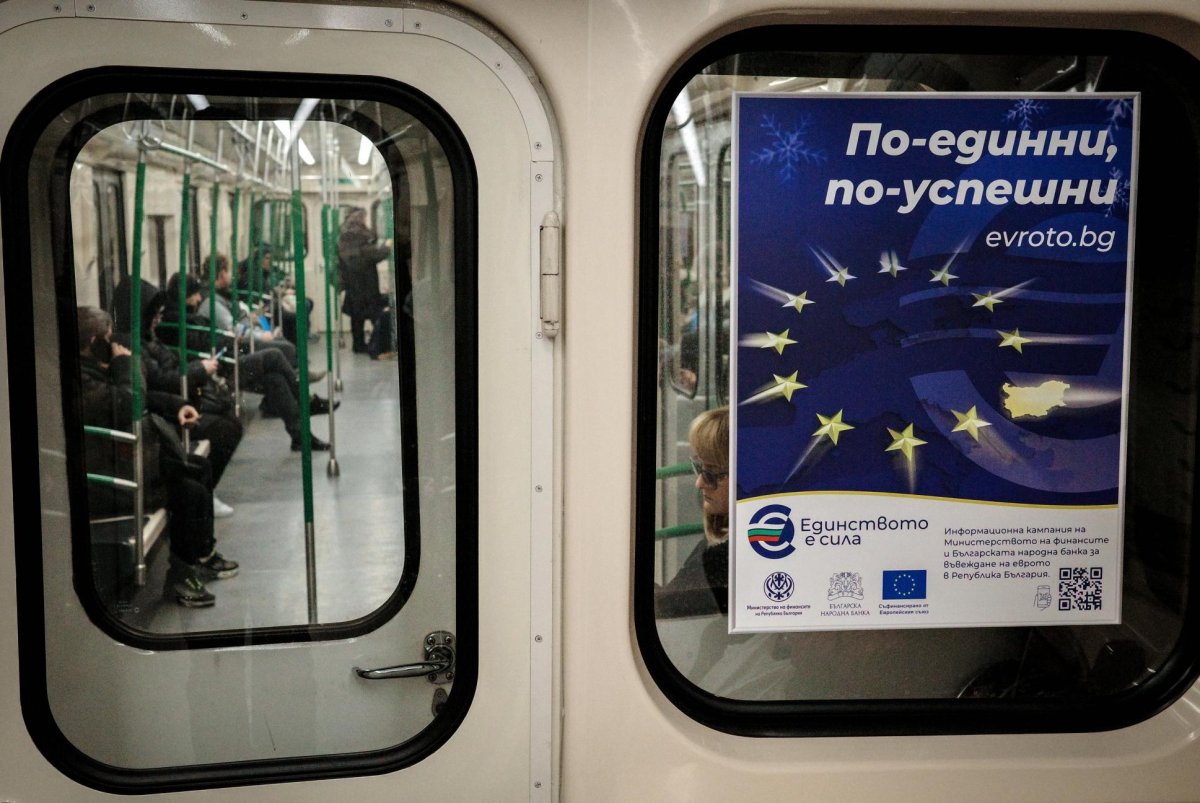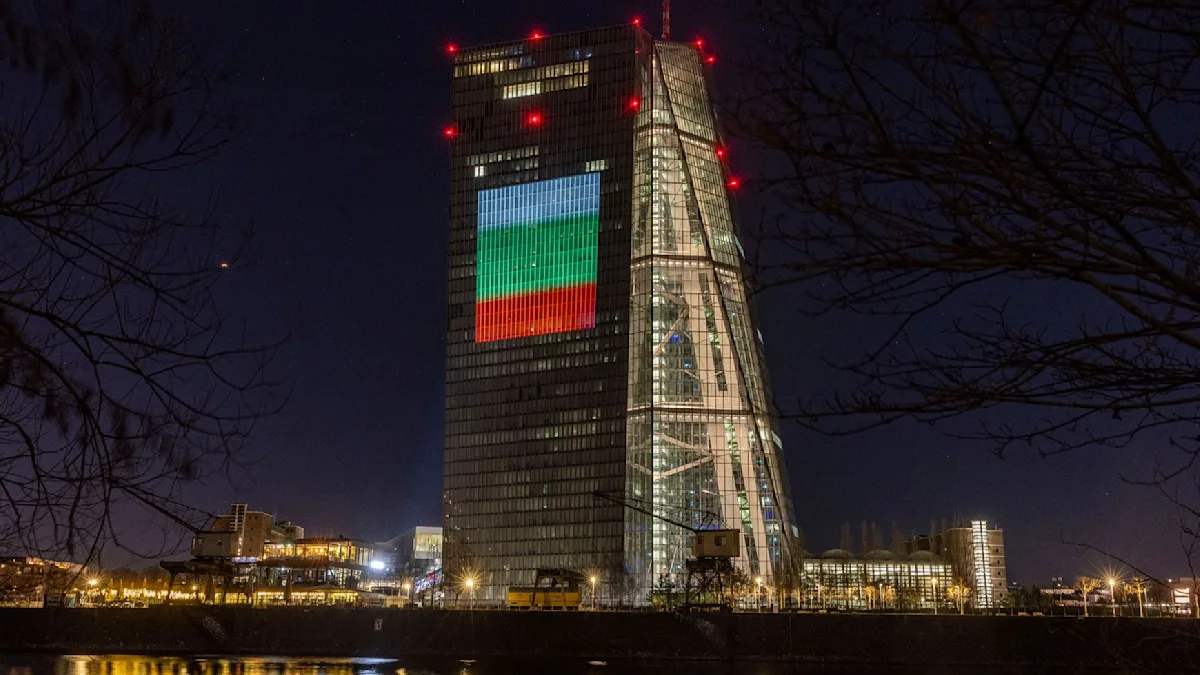
Bulgaria is set to become the 21st member of the euro zone after receiving sign off from the European Commission and European Central Bank last week — but not everyone is convinced the move is a good idea.
Bulgaria’s Prime Minister Rosen Zhelyazkov, member of the center-right GERB party, has made joining the euro zone a priority, arguing that it would boost economic stability and growth.
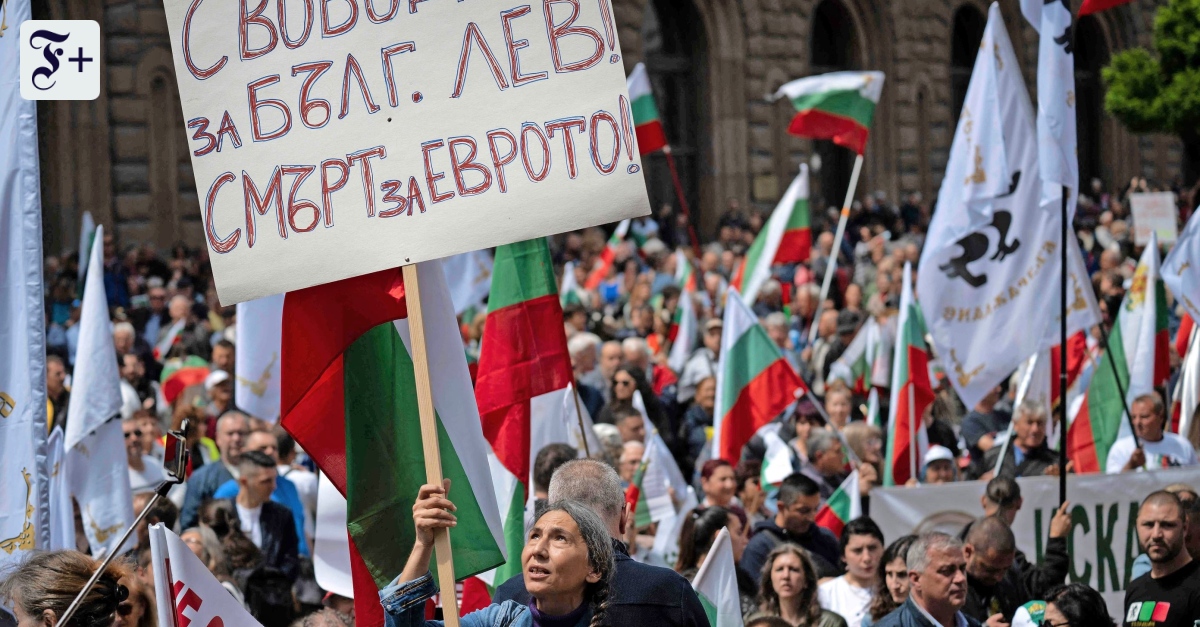
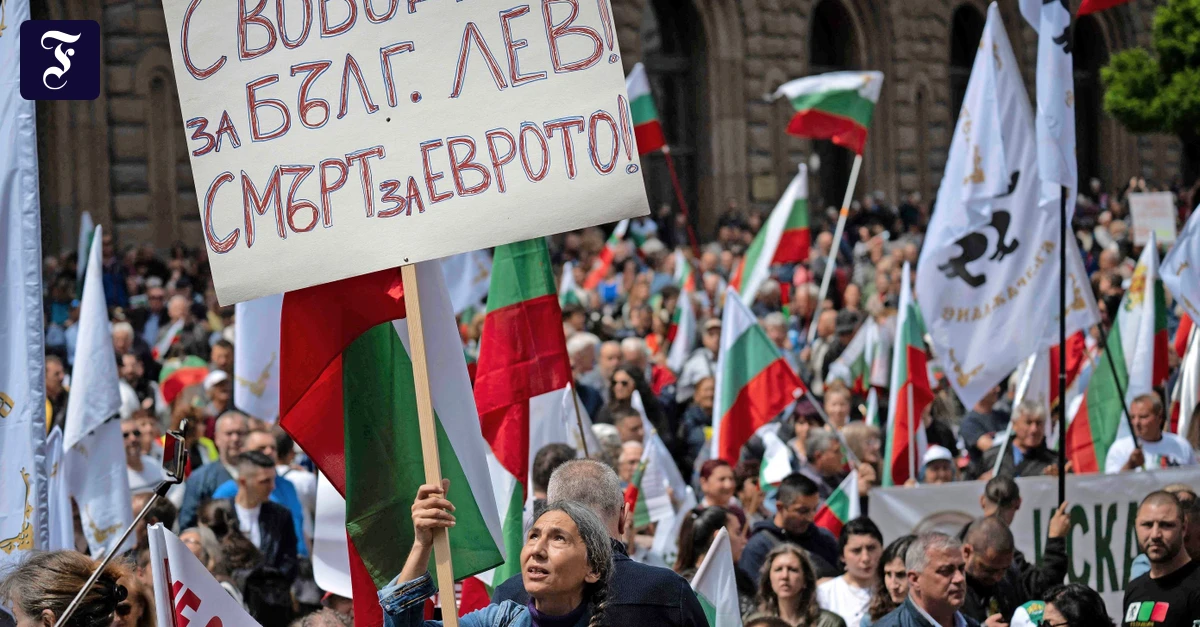
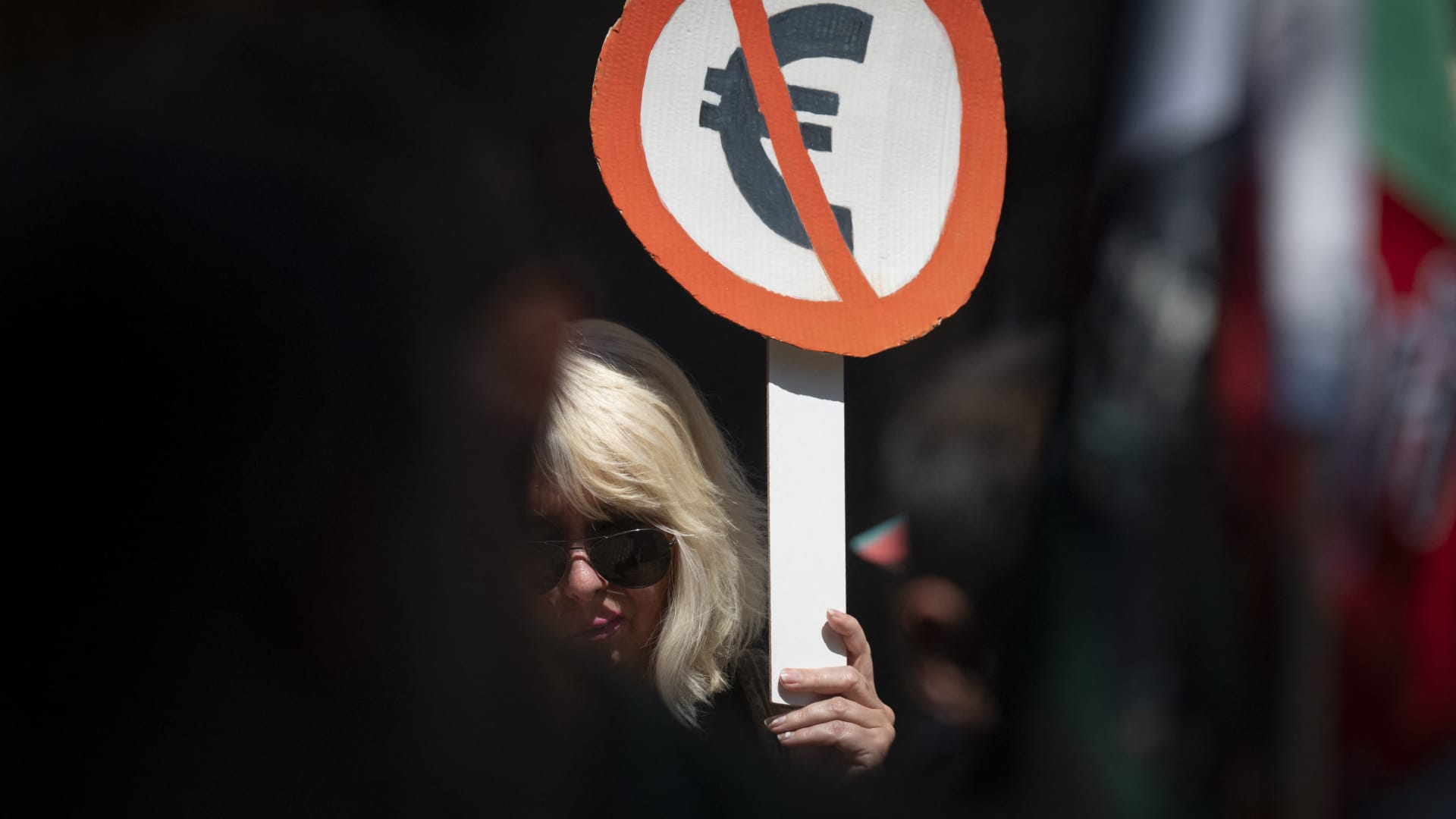
However, fears of higher prices and a loss of independence have stoked nationalist-party fueled protests against the country’s euro ascension. A recent European Union survey showed that half of Bulgaria’s population is against adopting the euro.
Economists and experts weighed in on the potential risks to Bulgaria joining the euro, outlining what the eastern European country could lose and gain from the move.
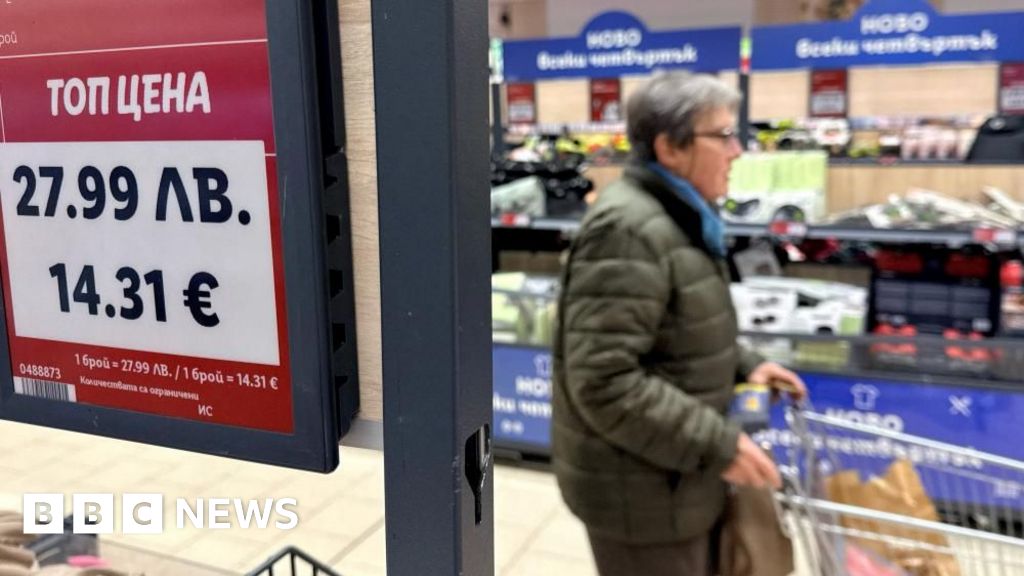
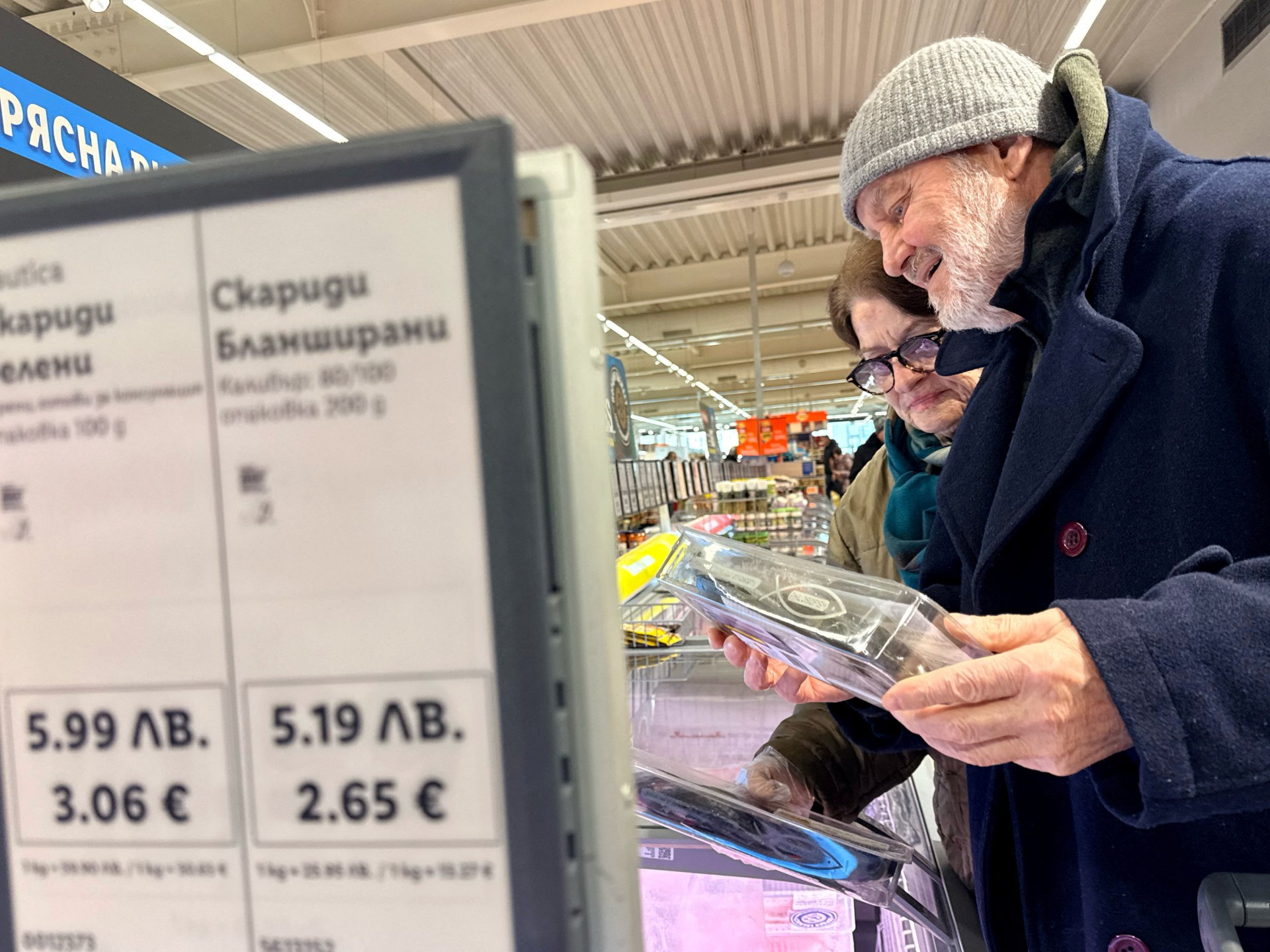
“The most immediate concern is a spike in prices during the currency switch, as some businesses may round up prices. Many Bulgarians worry that eurozone membership could erode their purchasing power, especially in poorer rural areas,” Valentin Tataru, an economist at ING who covers Bulgaria, told CNBC.