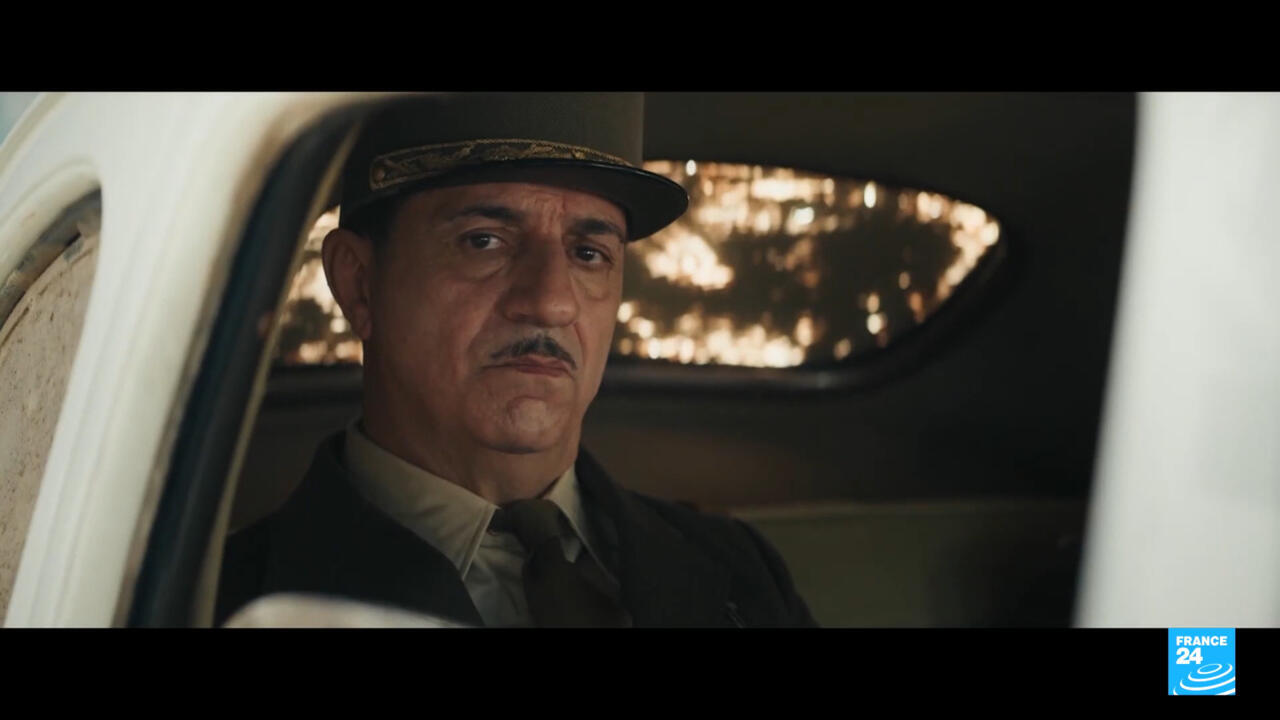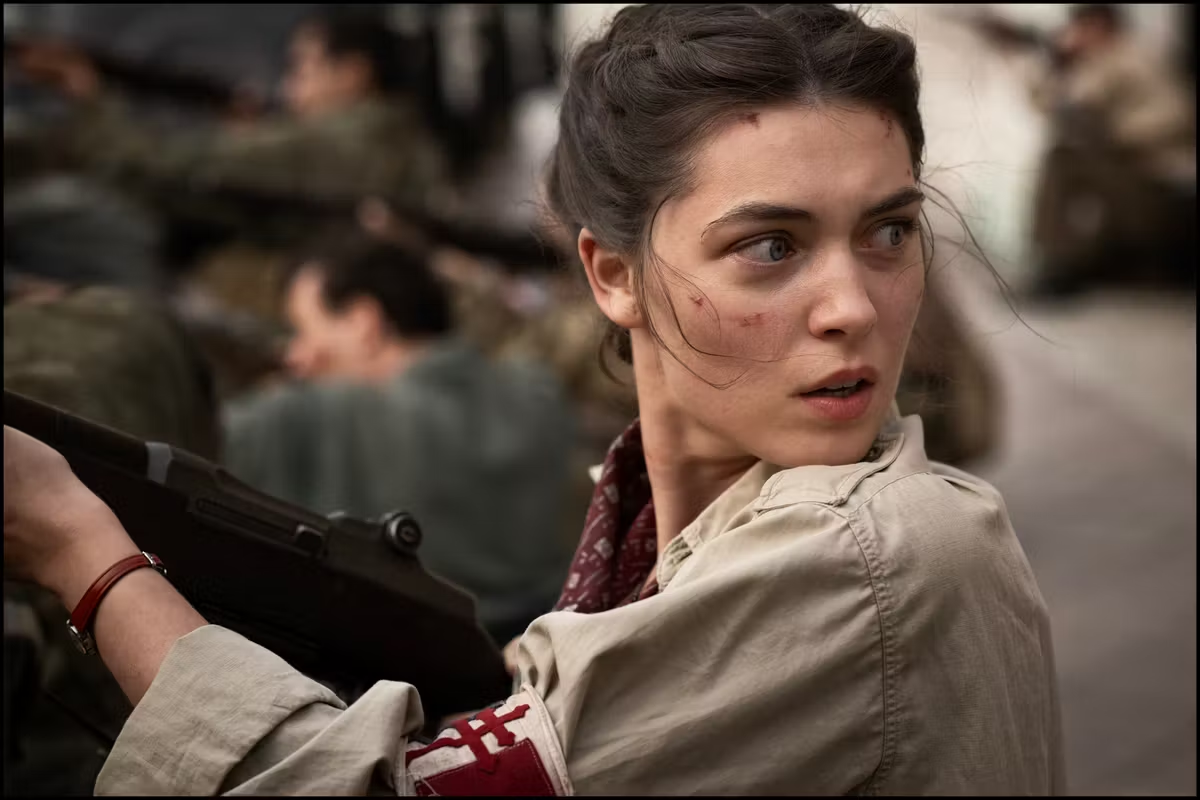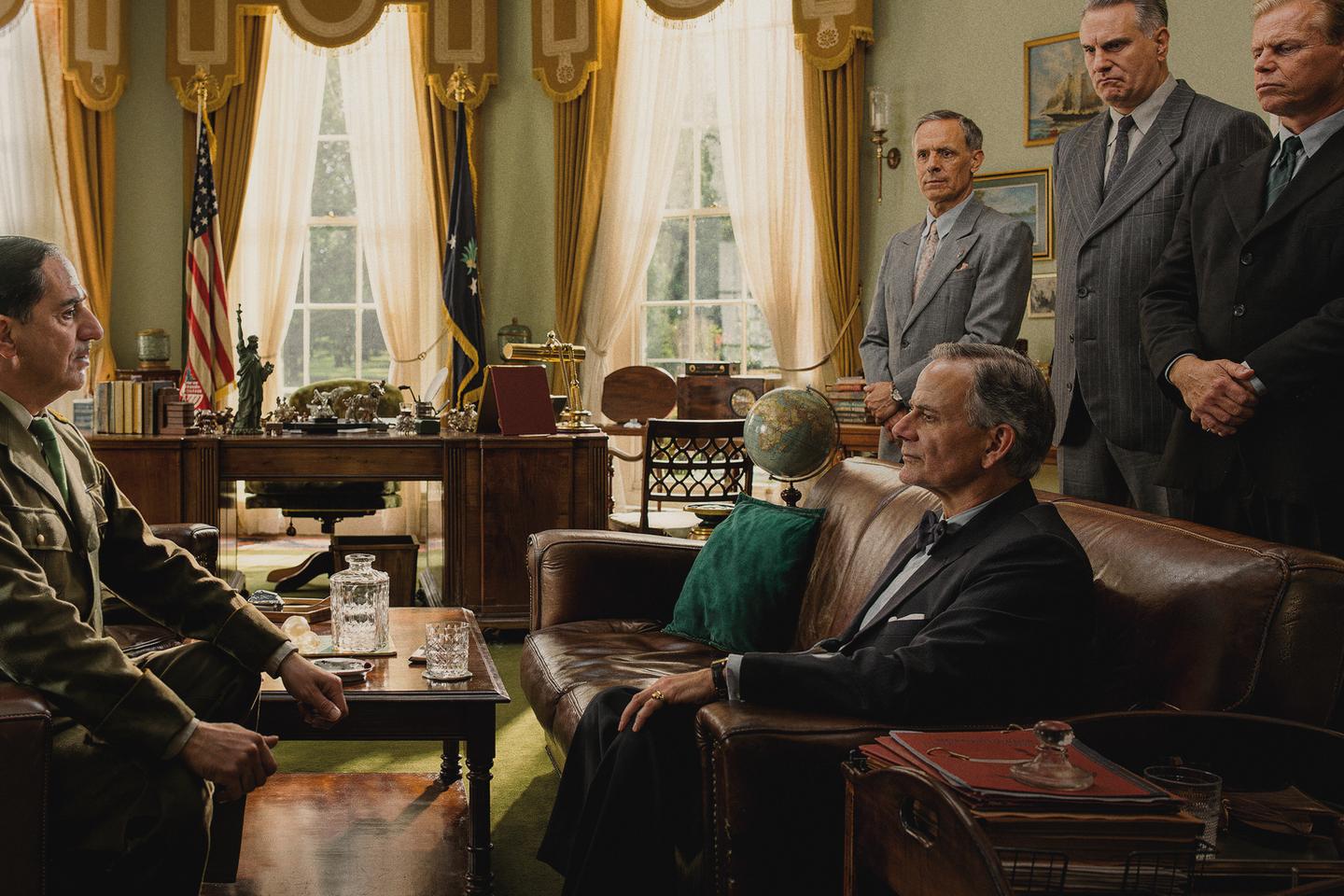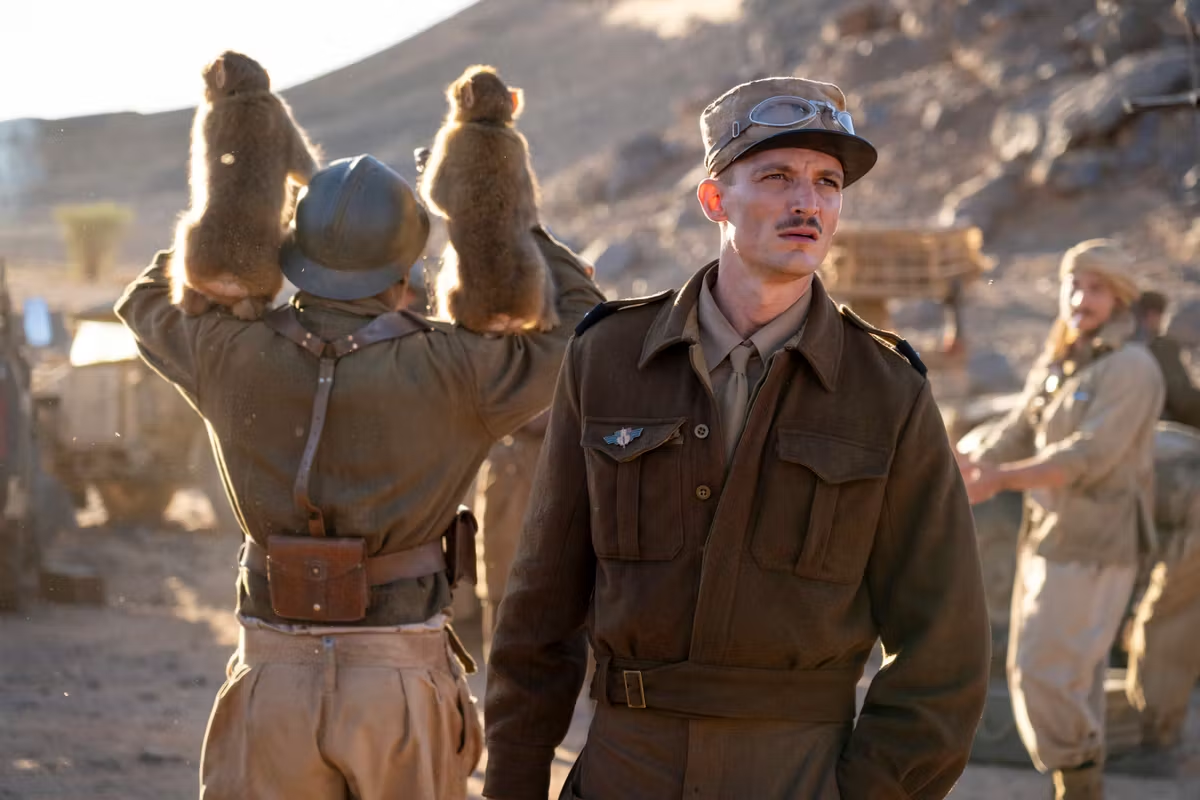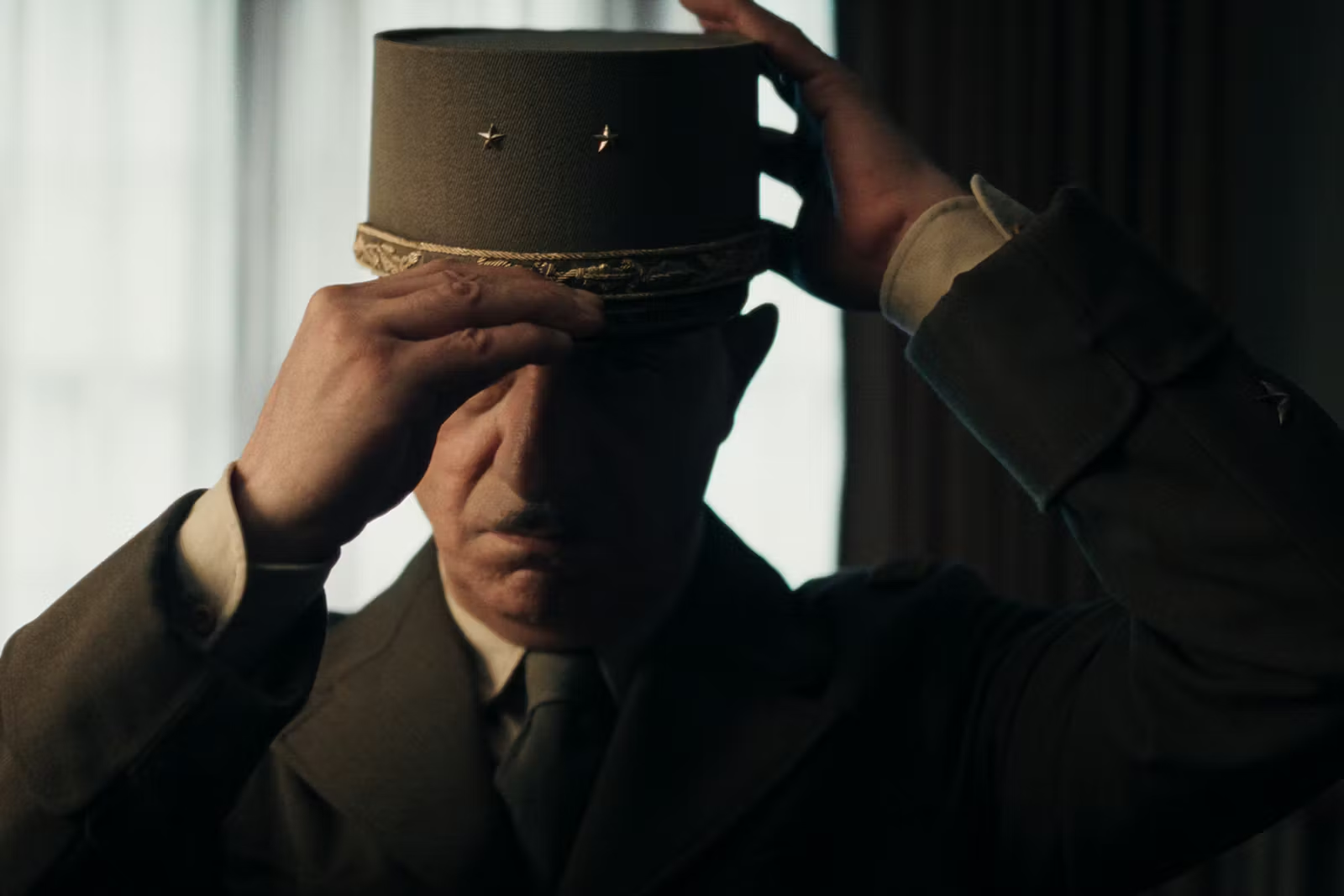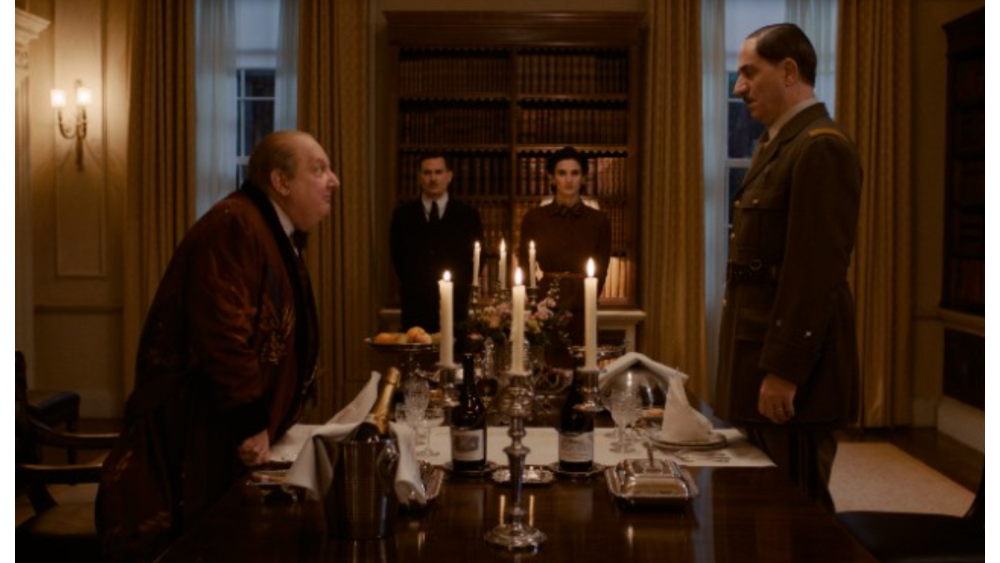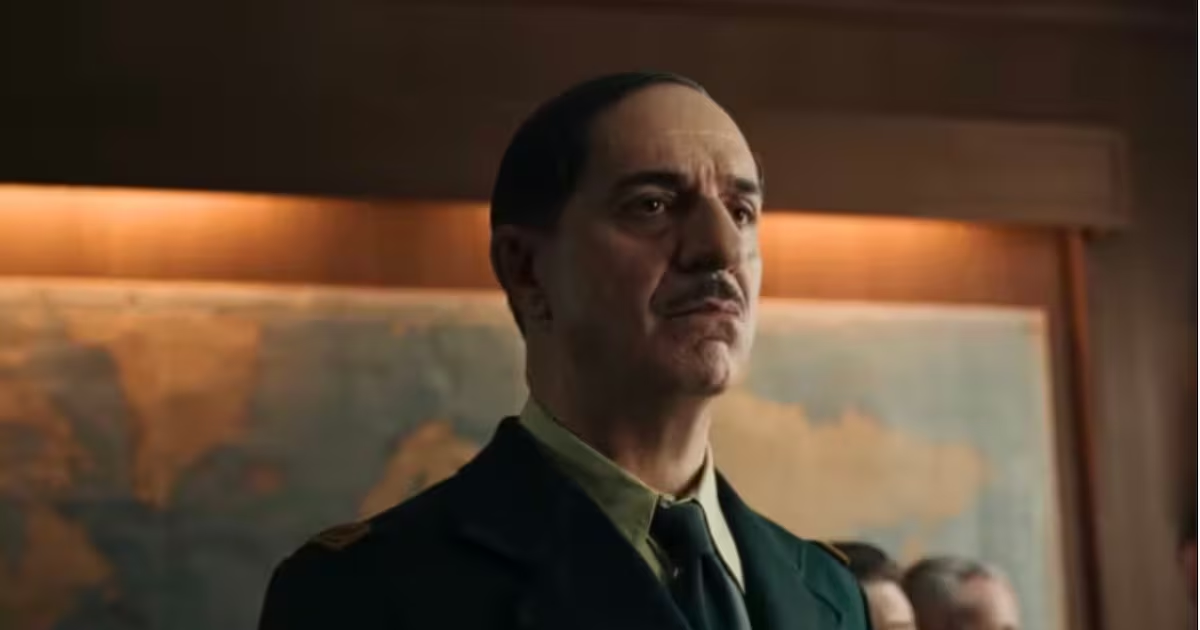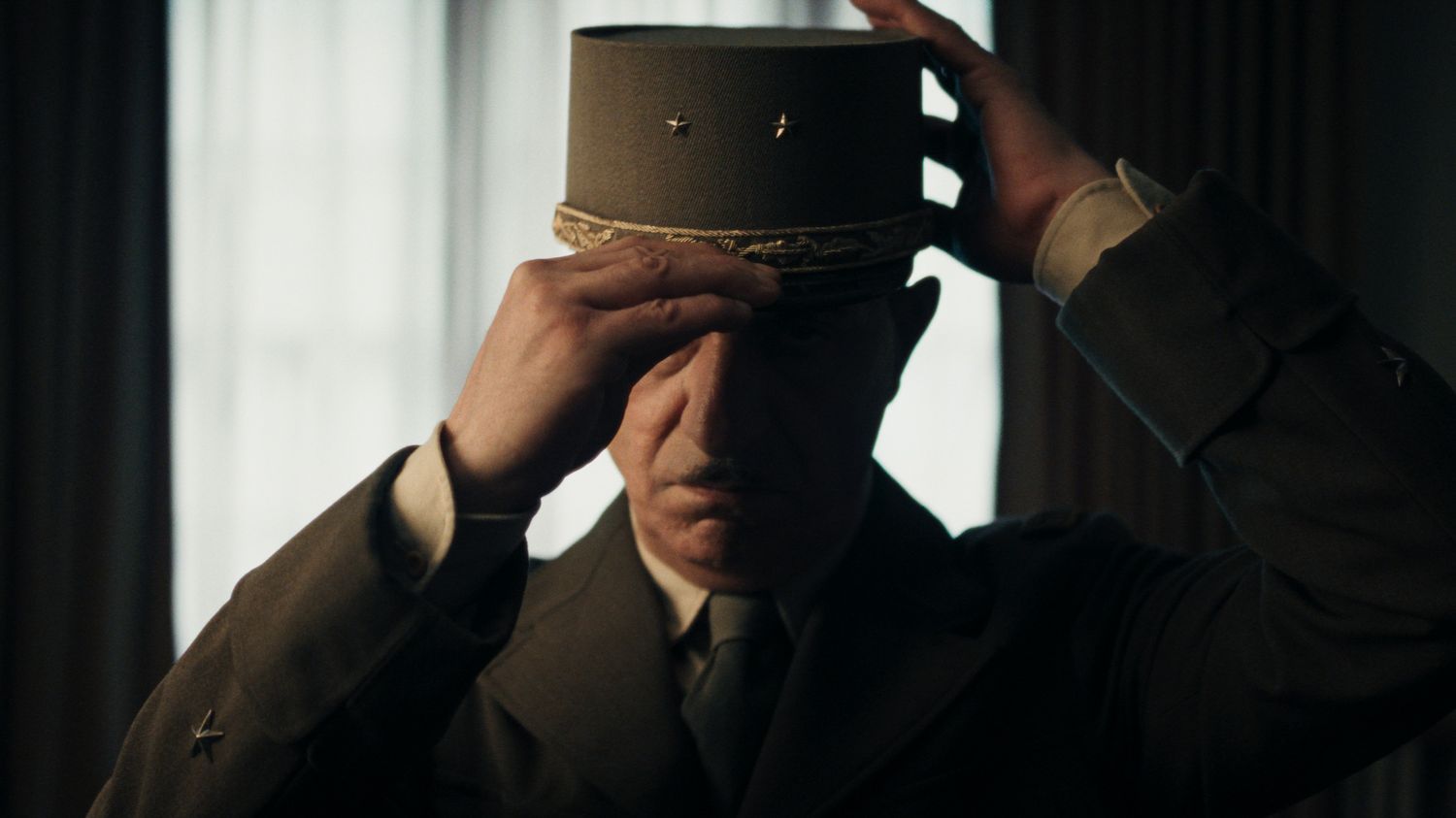
The big-budget biopic La Bataille de Gaulle, which premiered at Cannes in May, has drawn the ire of French historians for liberties it takes with historical record. But Julian Jackson, the British scholar whose biography inspired the film, says some things are more important than the details.
Jackson is Britain's leading authority on Charles de Gaulle and the author of the 2018 biography A Certain Idea of France, which inspired filmmaker Antonin Baudry's film. When the two men began working together, Jackson's instinct was to reach for a red pen. "At the beginning I would say, 'oh, that's wrong, that's wrong, that's wrong'," he recalls. "Then I realised that was absurd." That realisation led to a fruitful collaboration between a history scholar obsessed with the facts and a director aiming to sell tickets. La Bataille de Gaulle covers the two years from the then-little known General De Gaulle's arrival in London in June 1940 to the assasination of Admiral Darlan in Algiers by a resistance fighter in December 1942. The sequel J'écris ton nom, which covers from 1943 to the liberation of Paris in 1944, was released on Friday. Baudry consulted Jackson on every draft of the screenplay. And on every draft, Jackson would object, Baudry would listen carefully – and then do what he wanted anyway. "It's his film," Jackson says from his home in the south of France, where he spends several months of the year. "He was keen to know what was right and what was wrong, but would always say in the end, 'you know, I'm making not a documentary, but a film inspired by history. And I have to make it dramatic.' I completely accepted that." Poetic licence Some parts of history, such as the war in Syria in 1941, simply don't figure. And then there are inventions – a fictional Polish plumber who de Gaulle employs to answer his phone while setting up the Free France Forces in London in June 1940 adds a comic touch, for example. But Jackson says there's a serious idea behind this character too. "His point was to show that this man [whom] we all know in theory was sort of alone... was literally alone. He was in a little bedroom without a desk. It was a way of showing that in a humorous way, which did absolutely no harm because de Gaulle did have a ragbag of followers." Then there's the fictional Jewish girlfriend of Fernand Bonnier de La Chapelle – the young resistance fighter who shoots Admiral Darlan in Algiers. Jackson says she adds the only significant female presence to what is otherwise an entirely masculine story. Her Jewishness also allows the film to follow the mounting anti-Semitism in Nazi-occupied France. "She ticks a lot of boxes which need to be ticked," the historian says. "And it does absolutely no harm to anything because she's [played by] a wonderful actress".