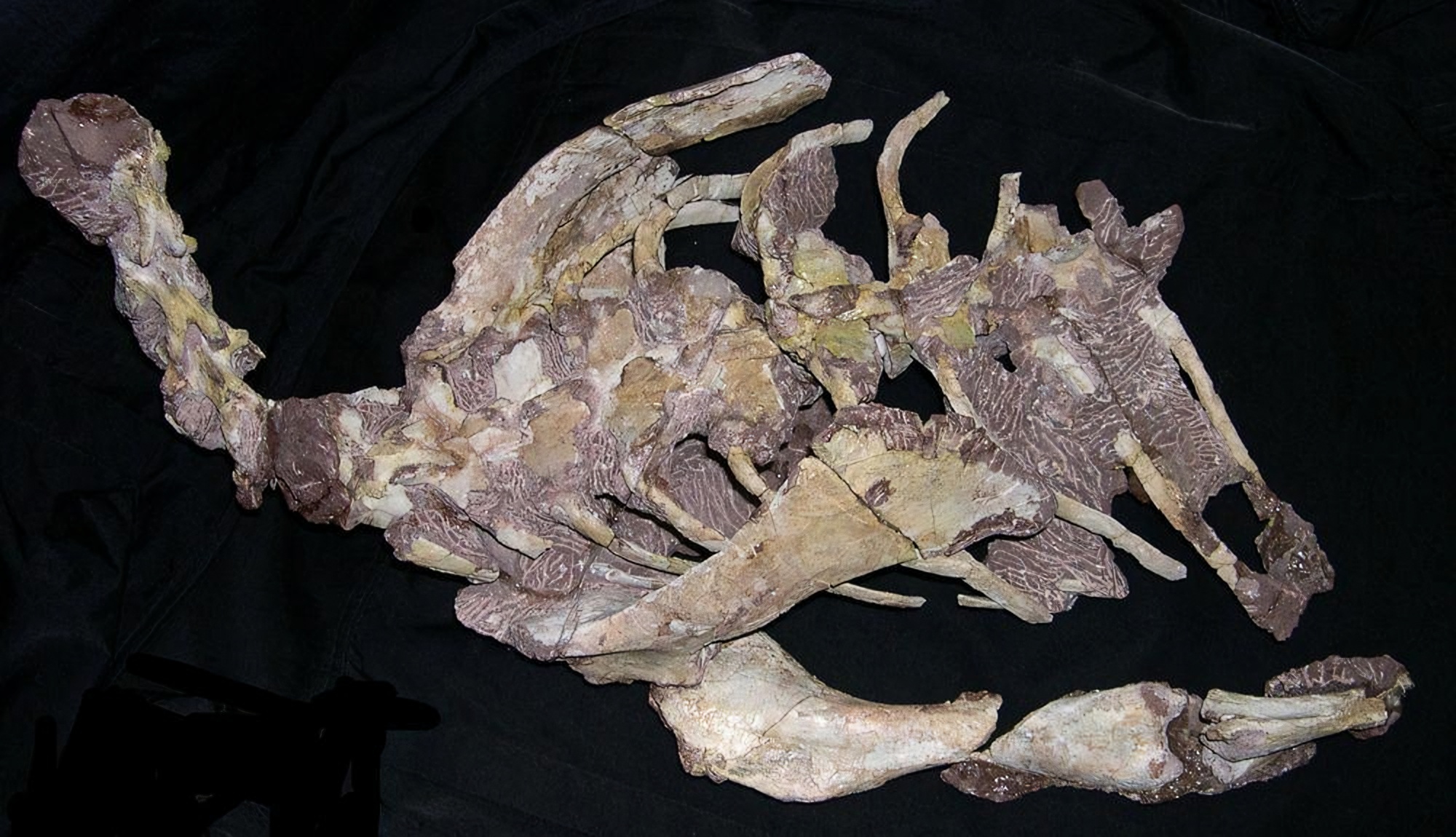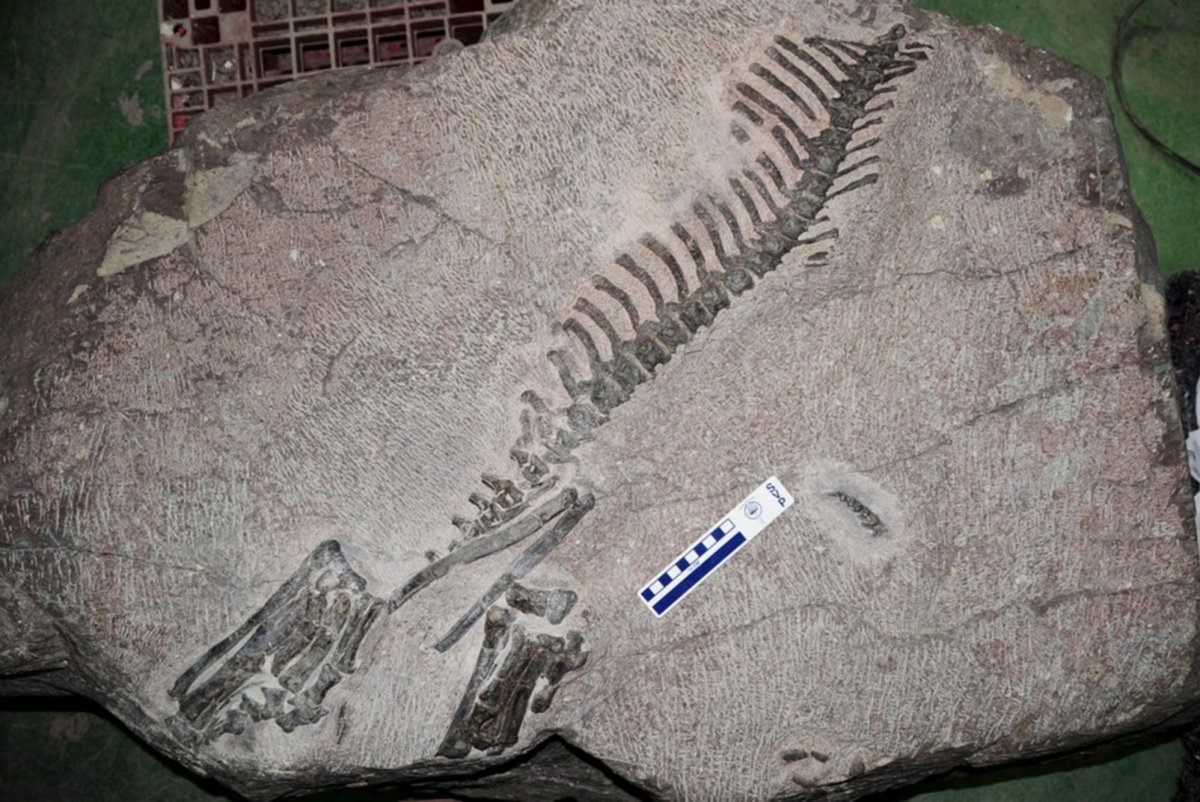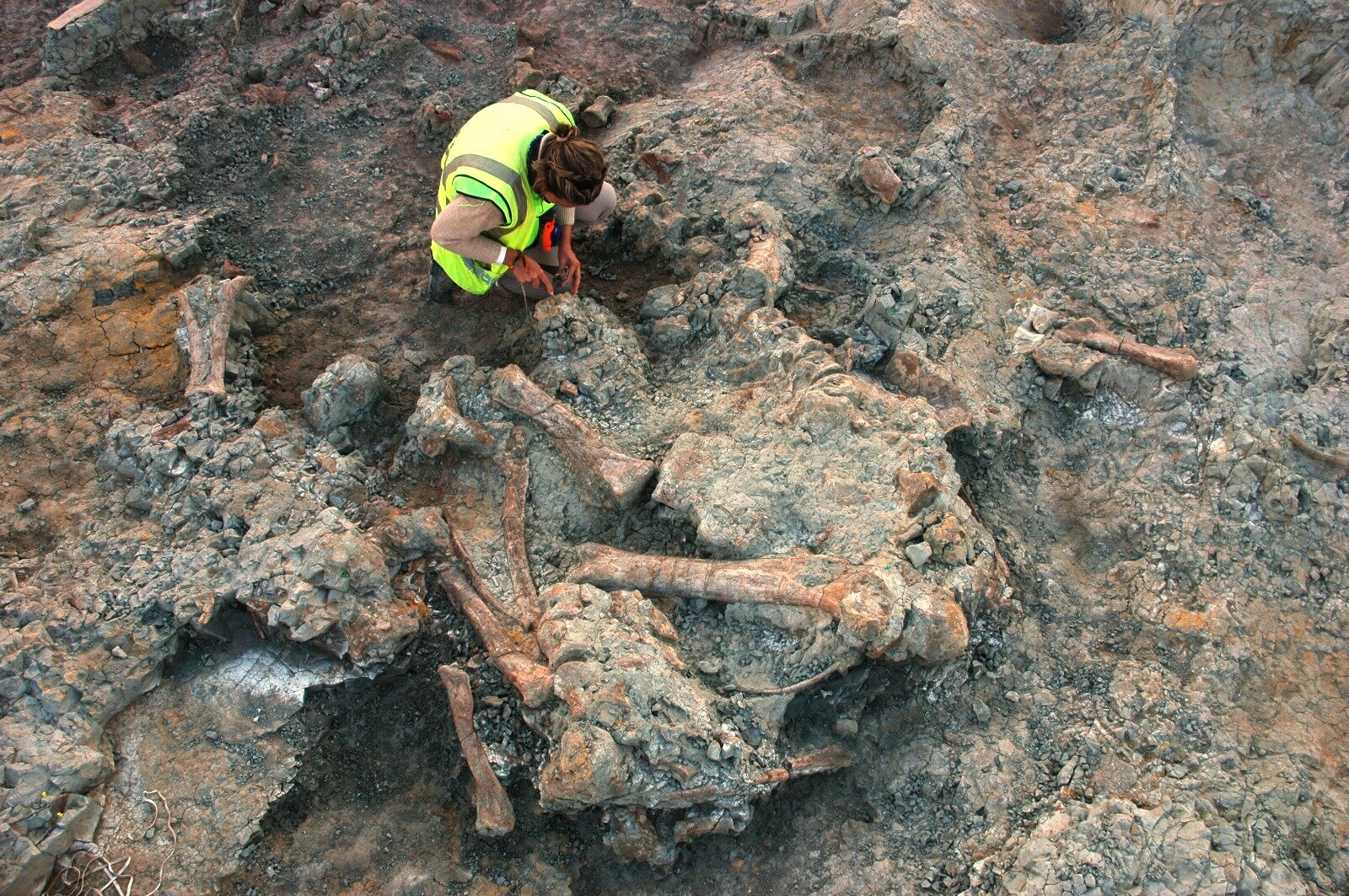
Excavation of titanosaur remains at the Late Cretaceous site of Lo Hueco, in Fuentes (Cuenca). Credit: Francisco Ortega, UNED
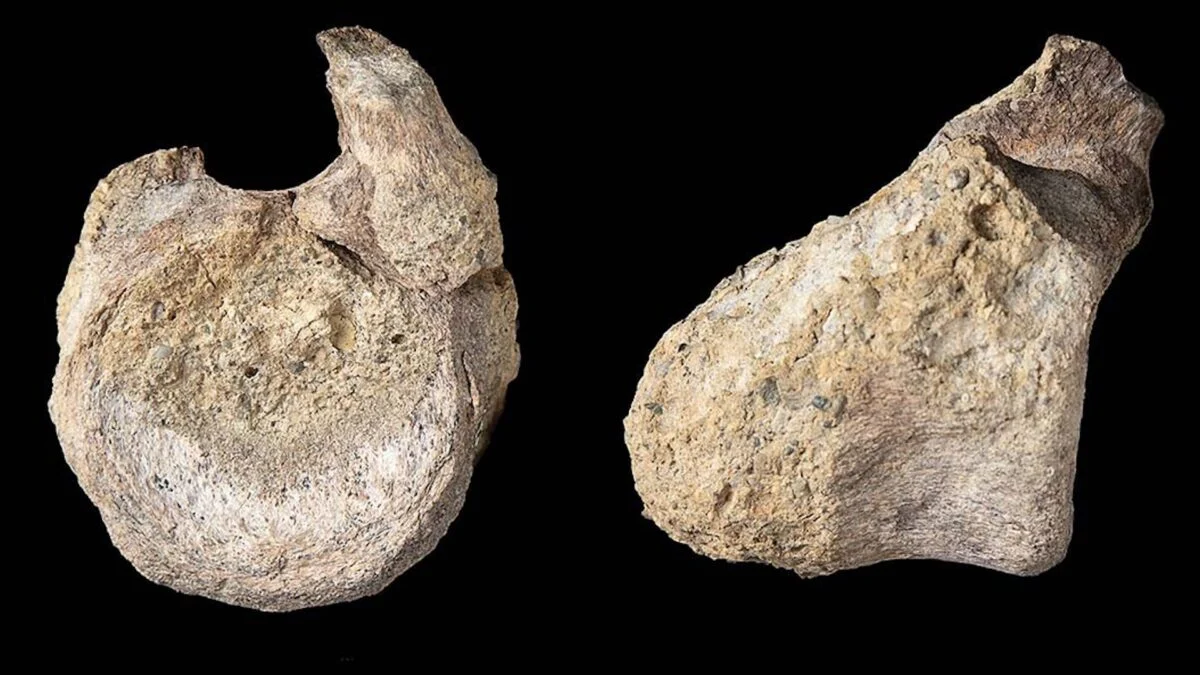
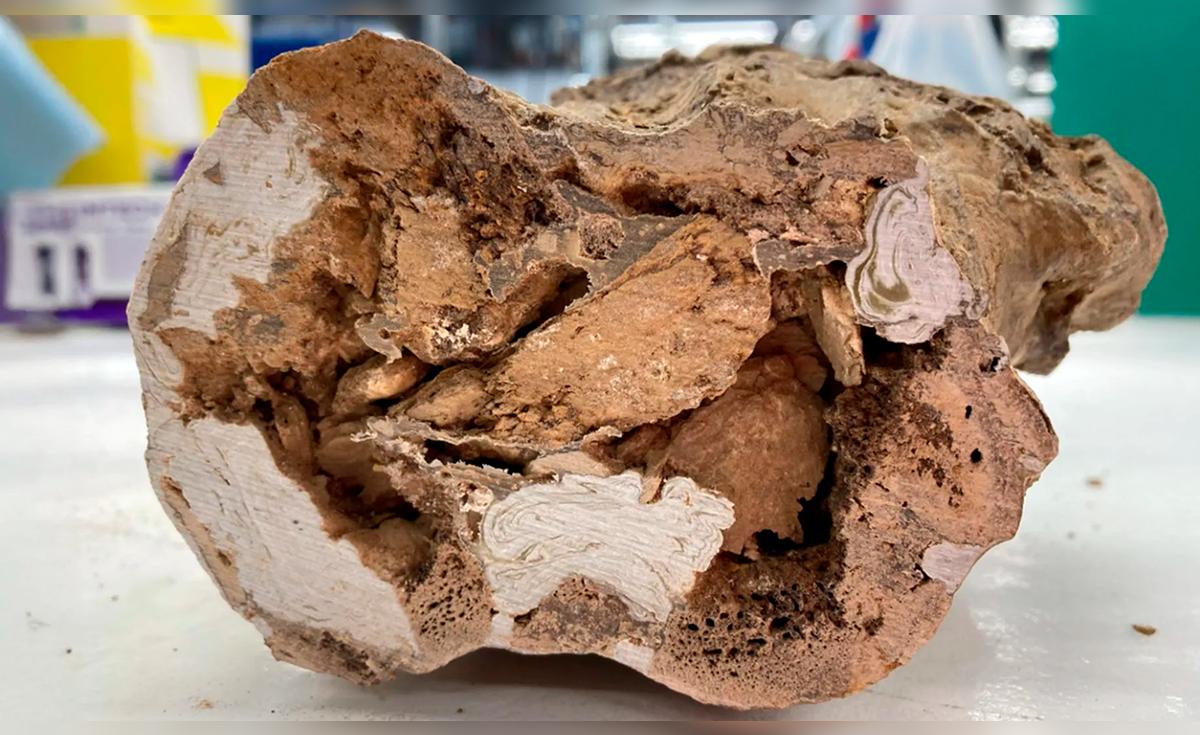
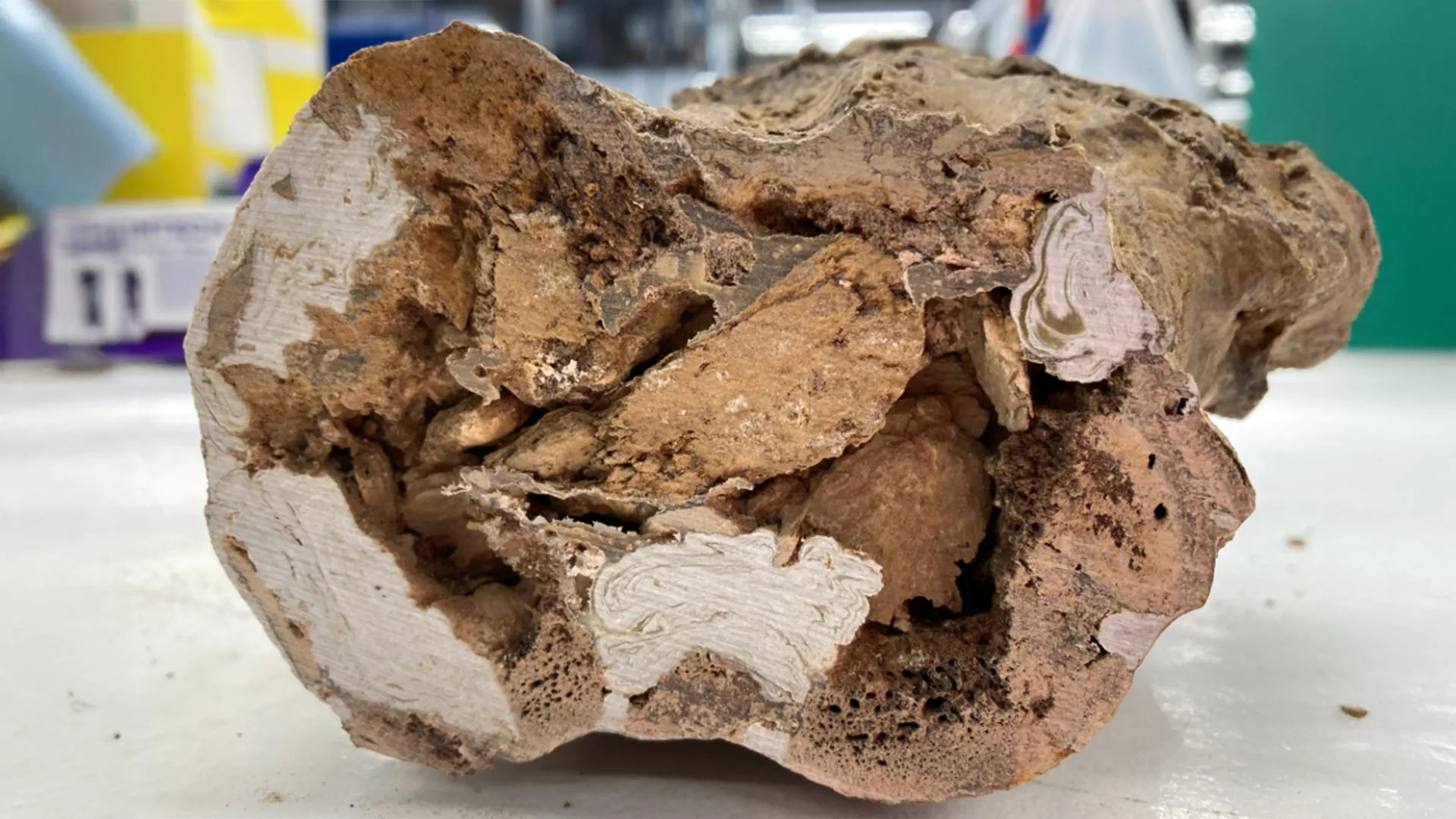
Traces or perforations caused by living organisms after an animal's death can be found on various dinosaur bone remains. These perforations, known as bioerosion structures, provide information that helps us understand relationships between living organisms in the past, reconstruct palaeoecosystems and improve our understanding of the fossilization process. Now, a study published in the journal Earth-Science Reviews has identified this type of perforation in bones and, for the first time, also in pieces of dermal armor (osteoderms) from titanosaurs at the Lo Hueco site (Cuenca), dating to the Late Cretaceous.
The results indicate that the titanosaur carcasses from Lo Hueco were not rapidly buried, as had previously been suggested, but remained exposed long enough to allow specialized insects (mainly necrophages and saprophages) to bore into them. The study revises the paleoecological reconstruction of the Late Cretaceous at the Lo Hueco site, offering a new interpretation of its sedimentary, ecological and environmental dynamics.
Furthermore, the study shows that a detailed ichnological analysis—that is, of fossilized traces or footprints—of bioerosion structures at sites with abundant preserved skeletal remains could be very useful for gaining a precise understanding of the process by which the remains accumulated and the palaeoenvironmental conditions under which this occurred.