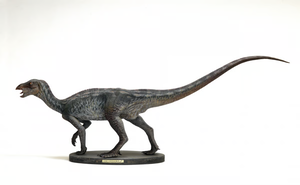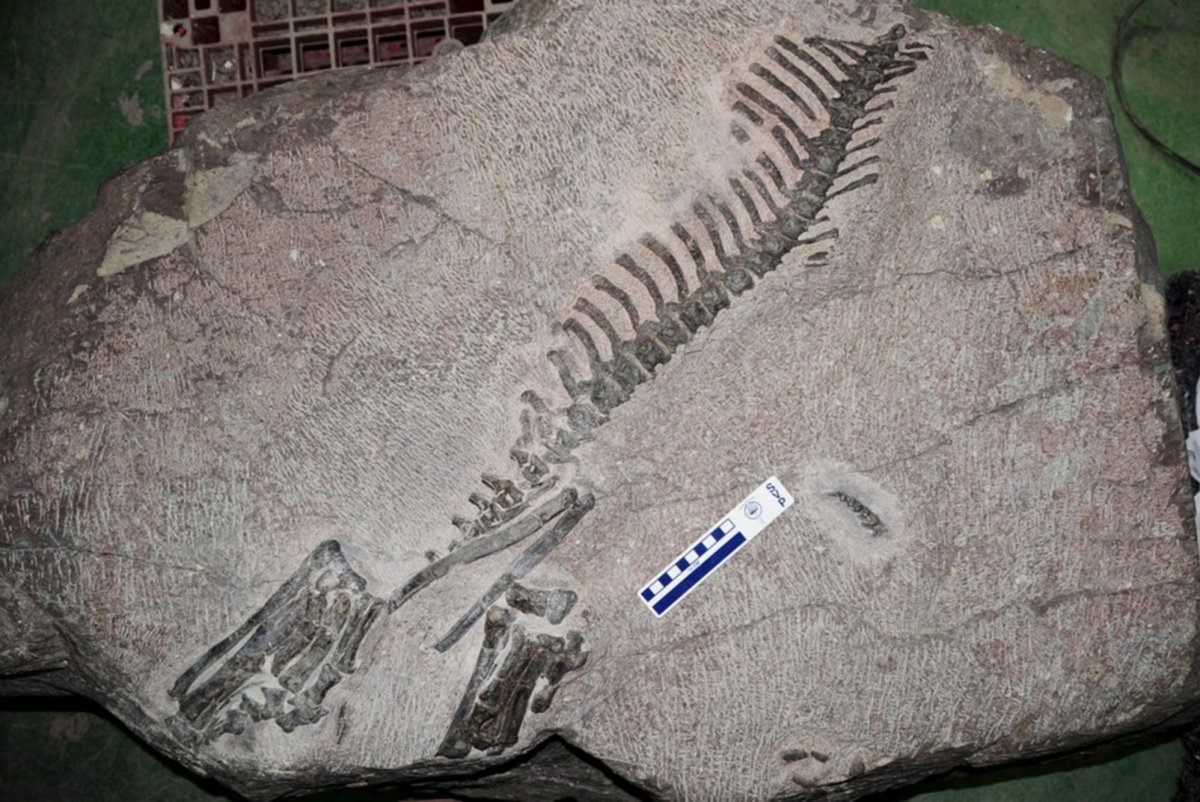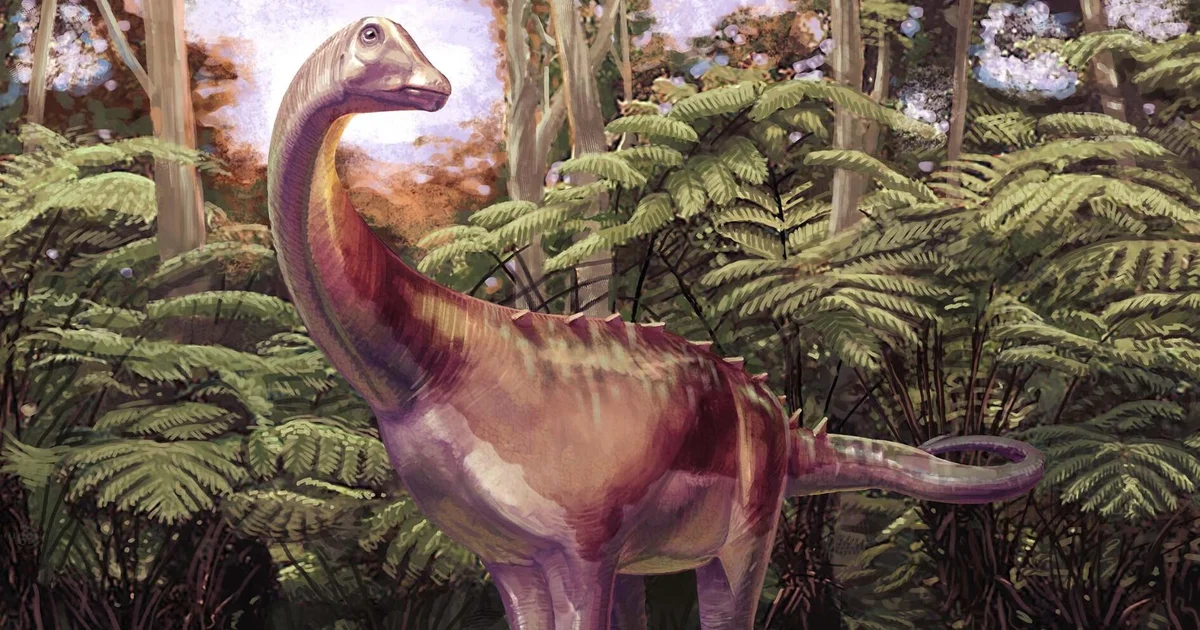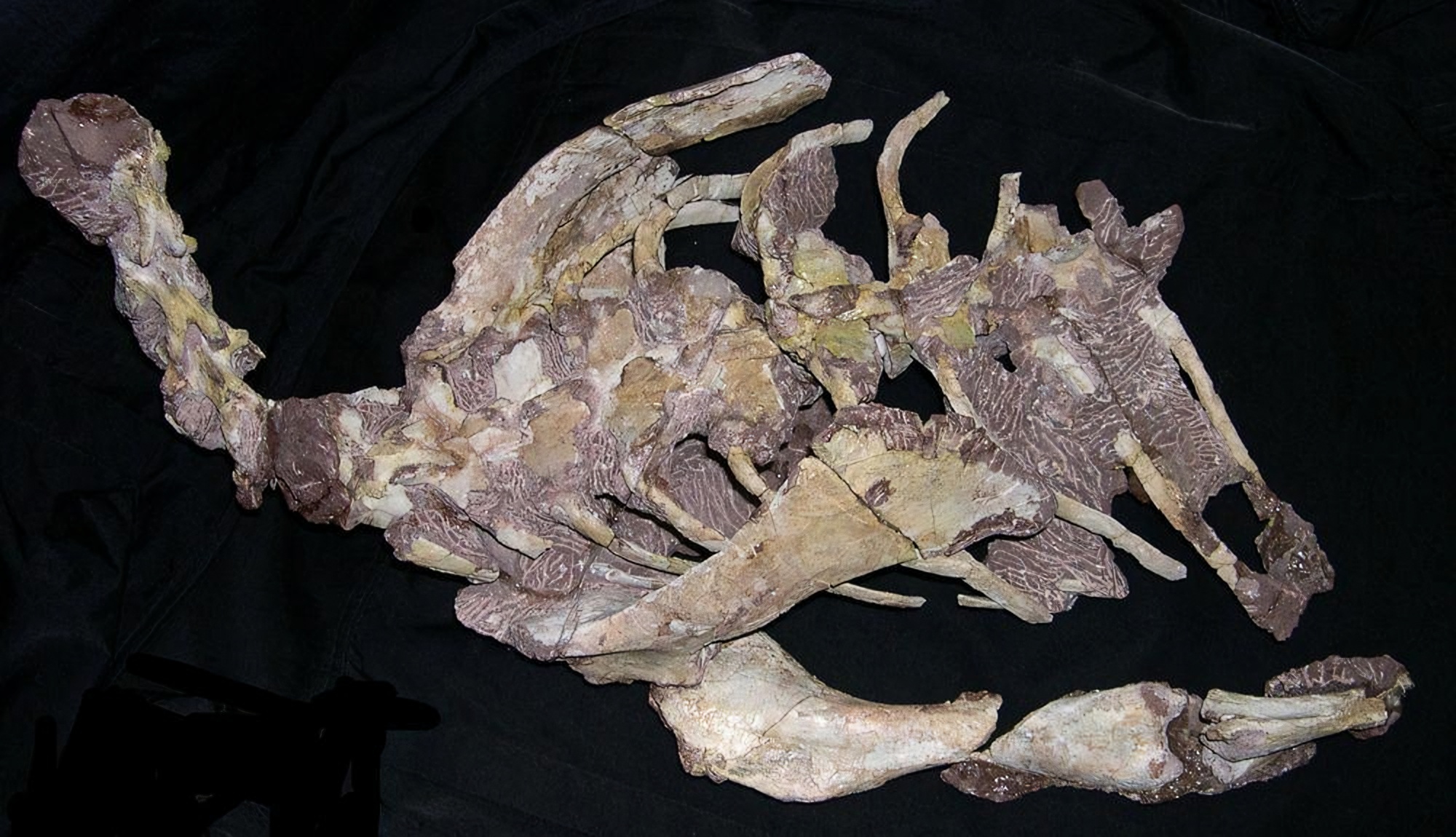
The holotype skeleton of Koreanosaurus boseongensis, a rare bird-hipped herbivore, unearthed in Boseong and fully documented during its excavation. Courtesy of Korea Heritage Service
Deep inside a block of Late Cretaceous rock excavated from a coastal mudflat, the fossilized bones of Koreanosaurus boseongensis tell a story that extends far beyond the dinosaur’s lifespan.
Discovered more than two decades ago, the small, herbivorous creature is the first ornithischian — or bird-hipped — dinosaur skeleton ever unearthed on the Korean Peninsula. More crucially, it remains the only dinosaur skeleton in the country whose precise excavation was fully documented from the moment it was chipped from the earth.
The Korea Heritage Service took formal steps Monday to grant Natural Monument status to the Koreanosaurus and two other rare prehistoric discoveries. The designation reflects an accelerating effort by Korea to institutionalize its rich, yet often overlooked, paleontological record, transforming casual field discoveries into state-protected assets.
Preserved at Chonnam National University, the Koreanosaurus provides critical evidence of how the Orodrominae subfamily — known for short forelimbs and swift movement — dispersed between Asia and North America roughly 85 million years ago. Its state-protected status is bolstered by the remarkable completeness of the specimen, which retains its shoulder blades, ribs and limb bones near their original positions.