The everyday lives of people living in a society flow according to their own internal rhythms. Most of the time, individuals live within their own worlds and generate happiness and peace largely by relating them to what they are able to do and the domains they can influence. Accordingly, the daily lives of large segments of society are built around repetition, continuity and limited spheres of impact. People produce meaning to the extent that they can act, and they preserve their hope within this framework. Politics and governance, too, flow within their own channels. Yes, politics affects life, but its rhythm and context are quite different. Domains such as the neighborhood, workplace, family, profession, art and education each have their own distinctive rhythms. This is why strengthening local forms of solidarity, face-to-face relationships and small-scale collaborations is so important. It is only within these spaces that people can feel themselves to be agents.
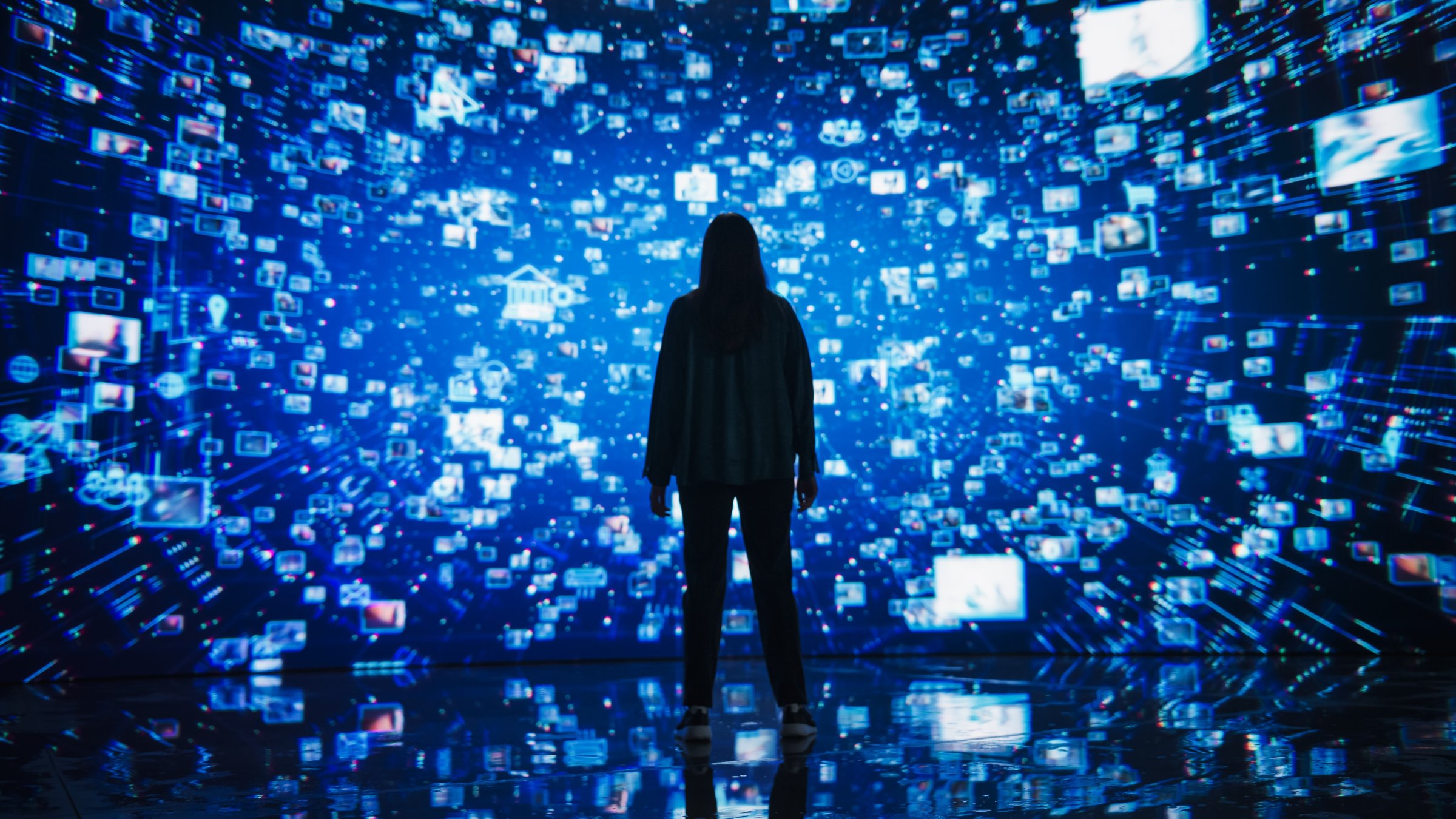
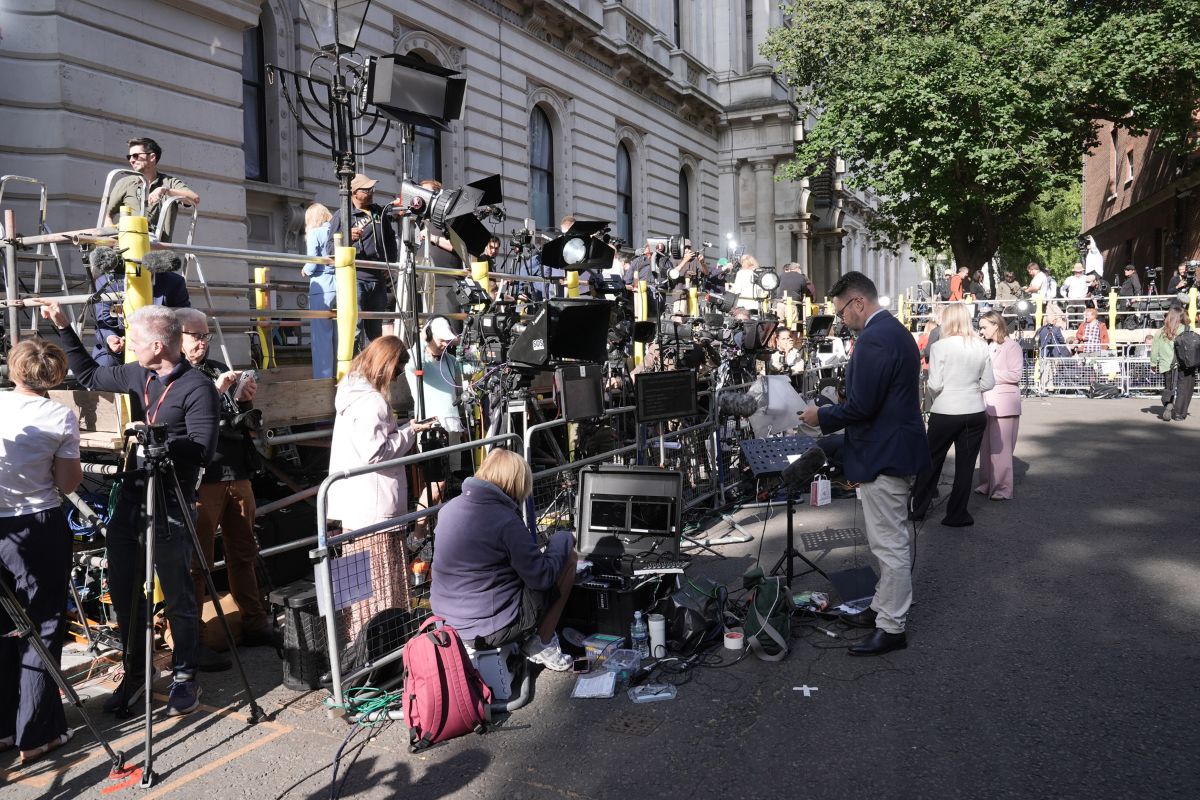
The widespread use and consumption of digital platforms by large segments of society have also transformed people’s relationship with politics and governance. As even the smallest details related to politics and administration are increasingly and continuously put on display on digital platforms, issues in which most people are not directly involved have begun to seep into the center of their everyday lives. In reality, the visibility of politics on digital platforms is not in itself the problem; rather, the source of the new problem lies in the fact that this visibility is presented in a contextless manner and through a constant language of crisis. Consequently, it steadily erodes people’s sense of hope and their perception of happiness. Moreover, the fact that misinformation spreads faster than accurate information on these platforms further entrenches the problem. Trolls, in any case, thrive precisely on this characteristic of digital platforms.