Listen
/
1.0x
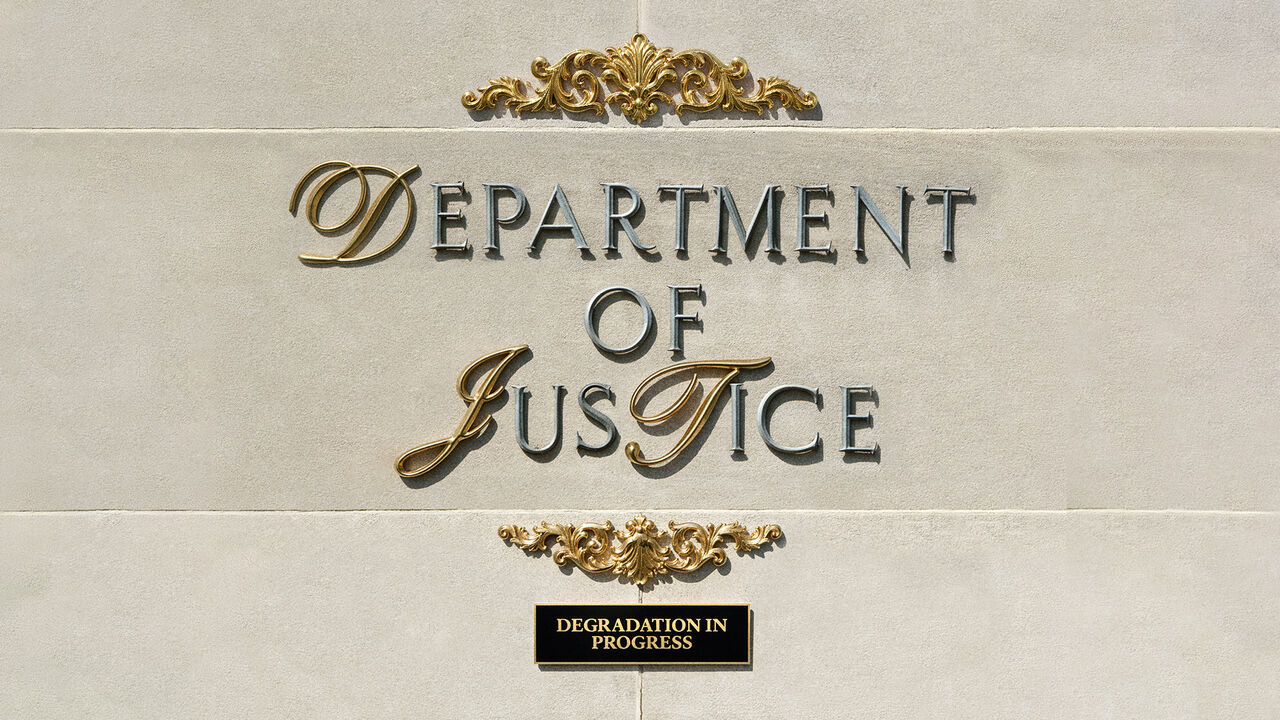
In a world that increasingly consumes its political catastrophes as daily blockbuster thrillers, Financial Times columnist Jemima Kelly recently provided a searing psychological autopsy of what she termed “Trump’s many unhappy returns.” Kelly argues that the Western political landscape has fallen into a state of “psychological stagnation.” Major political shocks have degenerated into a monotonous, repetitive ritual, inducing a sense of weariness and moral fatigue rather than provoking genuine public outrage or rational accountability. Yet, this chronic cycle of “unhappy returns” is no mere political anomaly; it serves the supreme interests of a predatory Big Tech capitalism. Silicon Valley has discovered that liquidating anger and recycling crises yield the highest profit margins of the twenty-first century.
The danger of this “toxic infotainment” lies in the fact that it is no longer confined to screens; it is actively devouring the daily social fabric of our communities. In Britain, currently ground down by relentless inflation and the systematic erosion of the middle class’s standard of living, a toxic, imported “culture war” has been shuttled across the Atlantic. This ideological noise is weaponised to distract from profound economic failure. The domestic battleground no longer centers on bread-and-butter issues like public services, living standards, or rescuing the National Health Service. Instead, driven by a hard right nourished on Trumpian tropes, politics has mutated into a hunt for digital ghosts, scapegoating the marginalised and fracturing a British society historically anchored in multiculturalism.