Our world has been flooded by a deluge of digital platforms, their ceaseless flow submerging our daily lives. From the planetary infrastructures of Amazon, Meta, Google, Apple, WeChat, and Alibaba, to the on-demand labor of Uber, Didi, Upwork, and Deliveroo, we’ve become networked datums in digital portfolios. The infrastructures of capitalism now flow through cables and cloud servers that states have been slow and economically disincentivized to regulate. We are all paying rent in the internet of landlords. This is an evolving machinery in which datafication facilitates dispossession.Article continues after advertisement
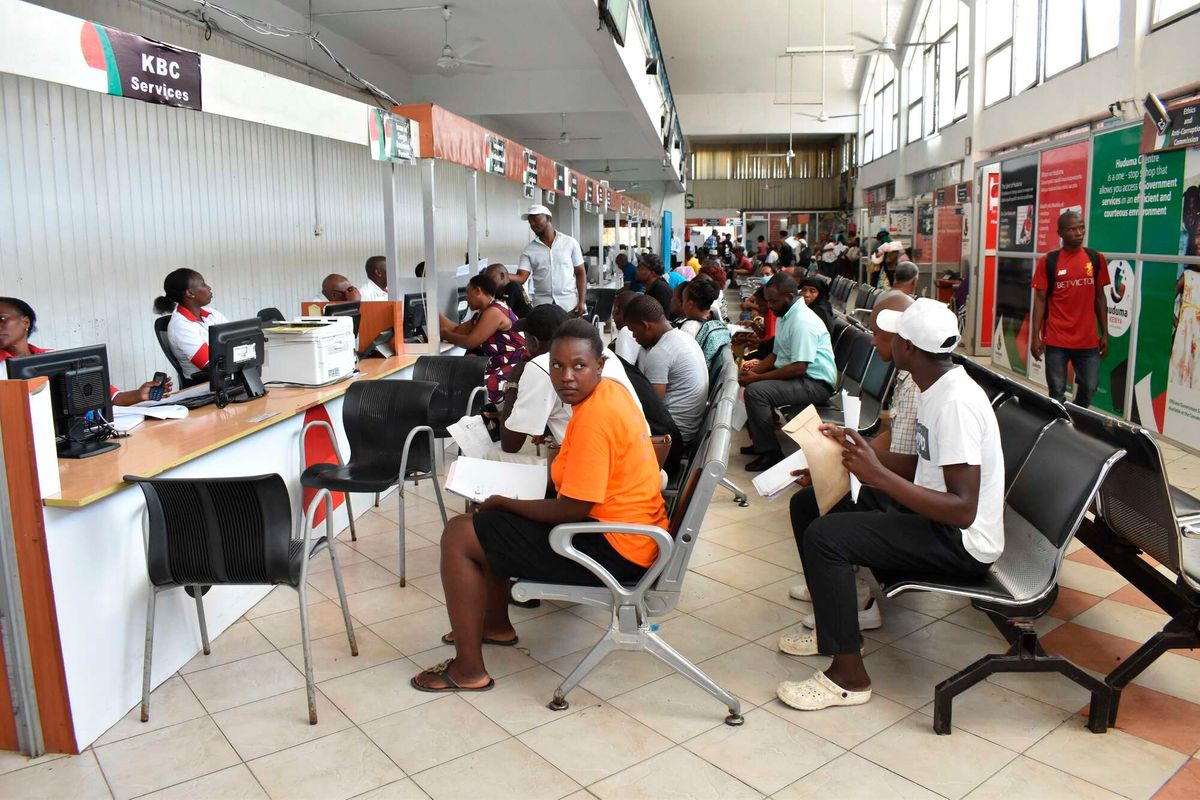
Many have attempted to name the current era: a “second machine age,” the “fourth industrial revolution,” “industry 4.0,” “platform capitalism,” or “technofeudalism,” among others. The techno-optimism of the 2000s has evolved in increasingly dystopian directions. Today, environmentally destructive, data-thieving, “generative” AI companies such as OpenAI, Anthropic, and DeepSeek deskill human labor and undermine our very cognitive capacity. Transformations are occurring in nearly every sector and nearly every country, around the world. As platforms digitally colonize and commodify an ever-greater portion of our time, it becomes harder to find the cracks in capitalism where human culture can flourish and resistance can grow. To fight this techno-capitalist inertia, it is necessary to understand how paid and unpaid labor have changed through it.