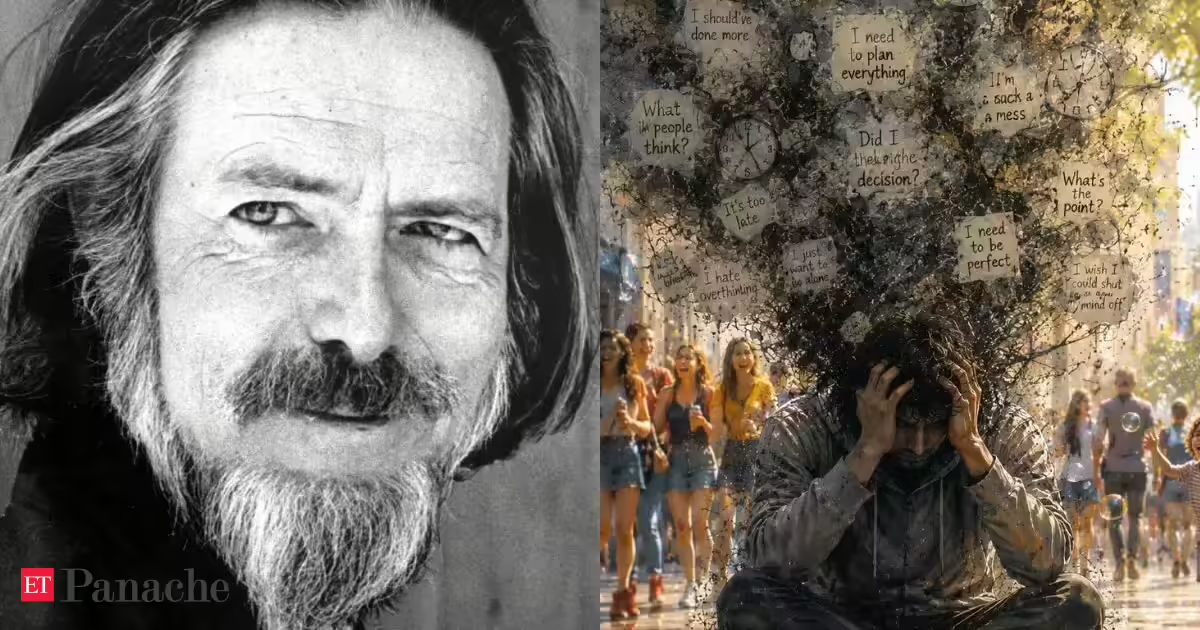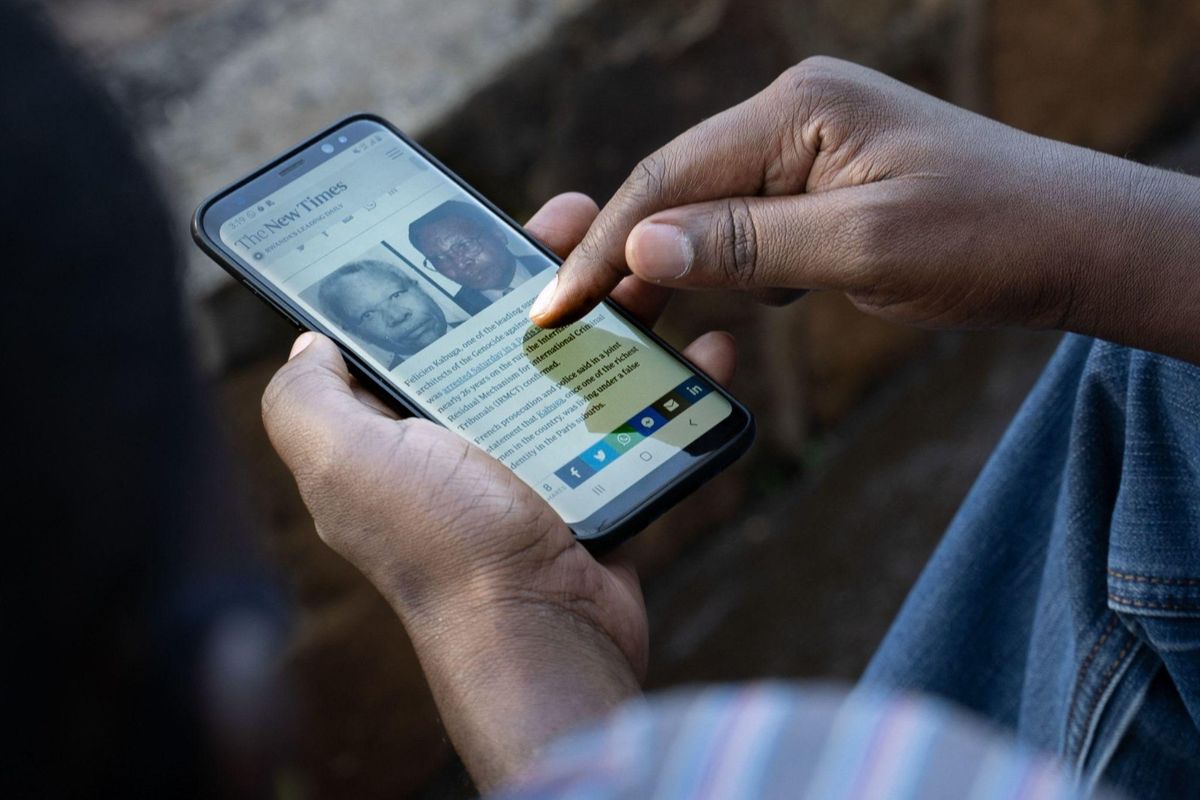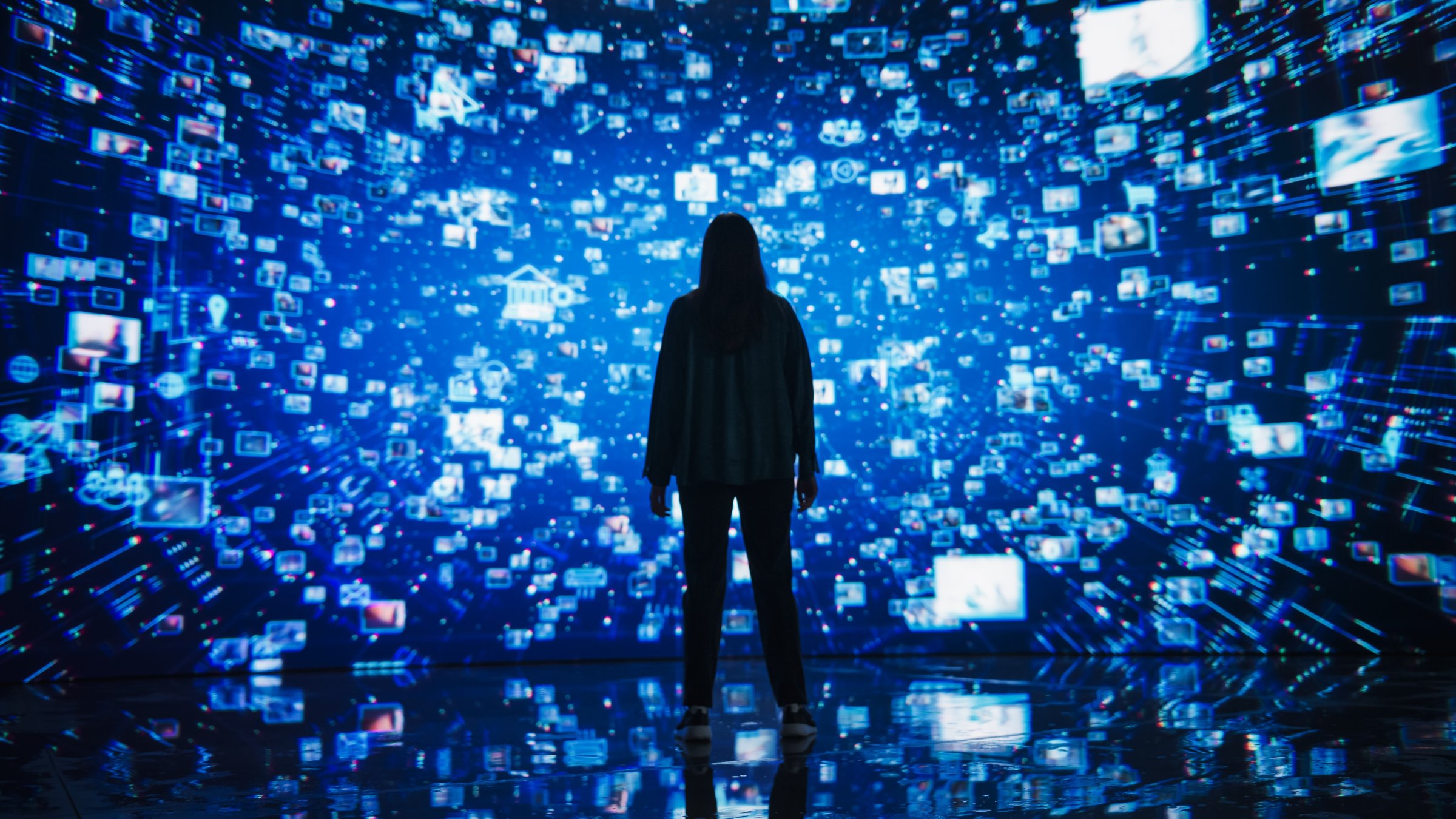
Modern civilization has entered a paradoxical age in which visibility has become both obsession and burden. Never before in history has humanity possessed such unprecedented means of self-exposure. Images circulate endlessly. Opinions are projected instantly. Lives unfold publicly before invisible audiences. Yet beneath this overwhelming expansion of visibility lies an unsettling contradiction: the more visible modern individuals become, the more inwardly isolated they appear to feel.
The contemporary world increasingly mistakes exposure for connection. Visibility is treated as proof of existence itself. To disappear from the stream of images, notifications and digital circulation is often experienced almost as a form of social erasure. The modern individual therefore lives within a permanent pressure to remain present, legible and continuously observable. In such a condition, existence itself risks becoming theatrical.
And yet human beings were not created to live perpetually before spectators.
The crisis here is not simply technological. It is civilizational. Hypervisibility has begun restructuring not only communication, but consciousness itself. What is changing is not merely how people present themselves to the world, but how they experience reality, intimacy, memory, silence, beauty and even the self.