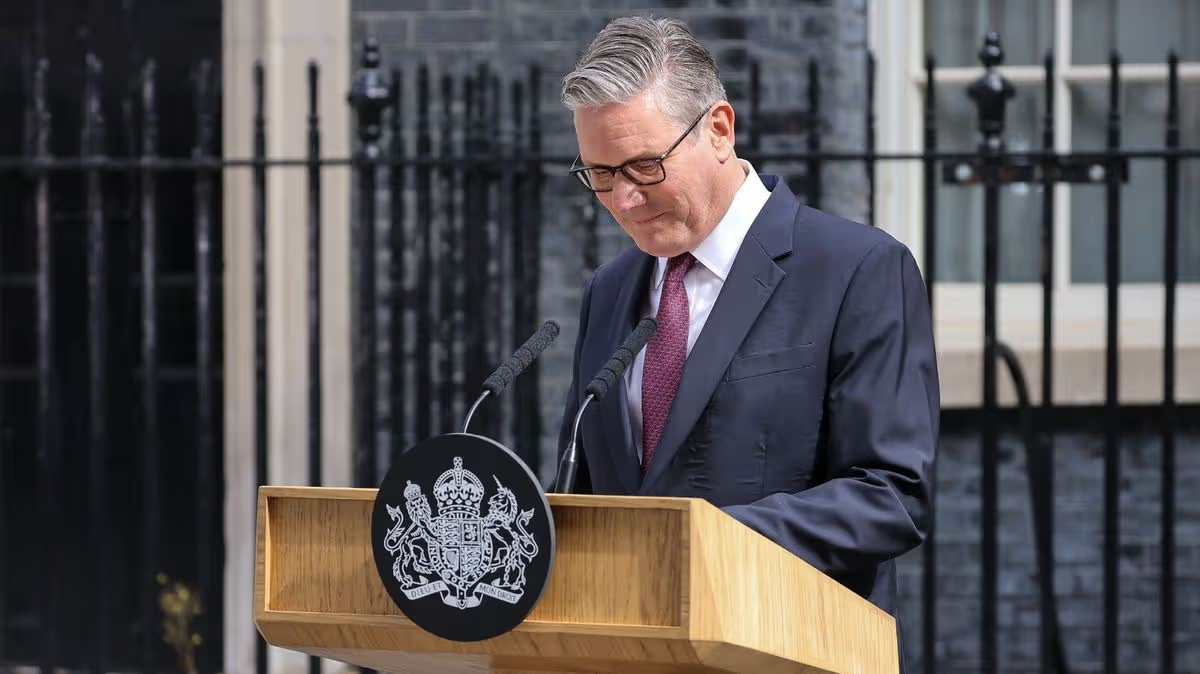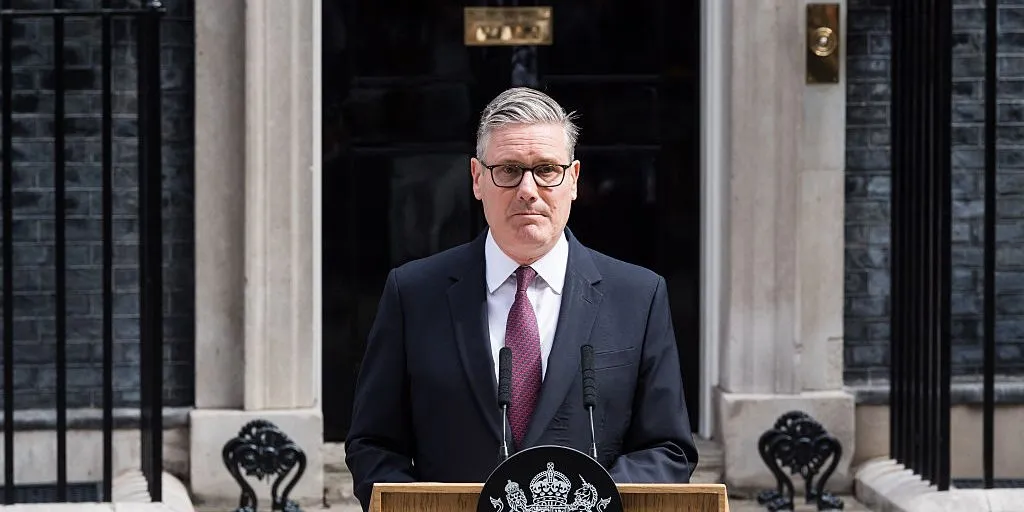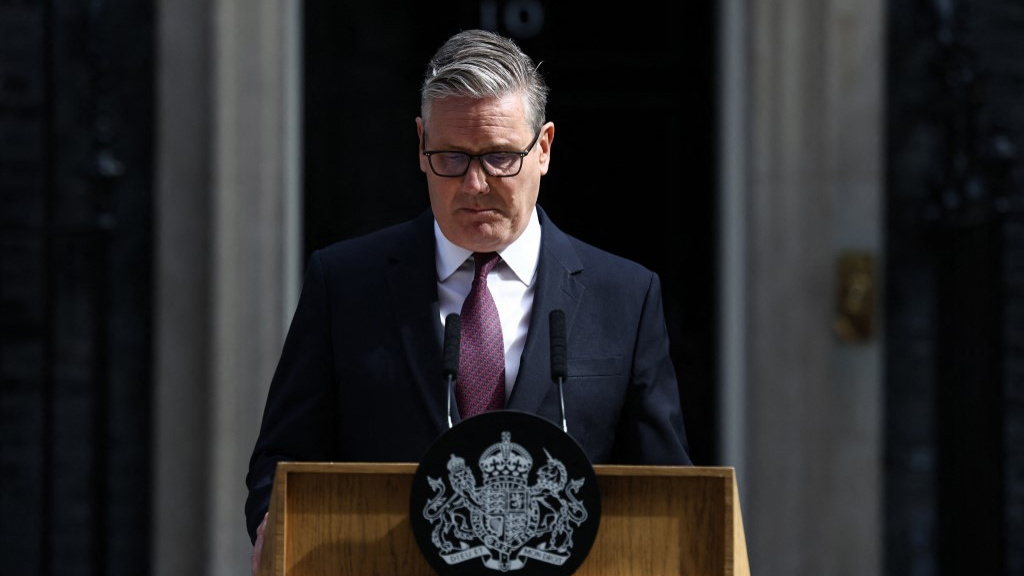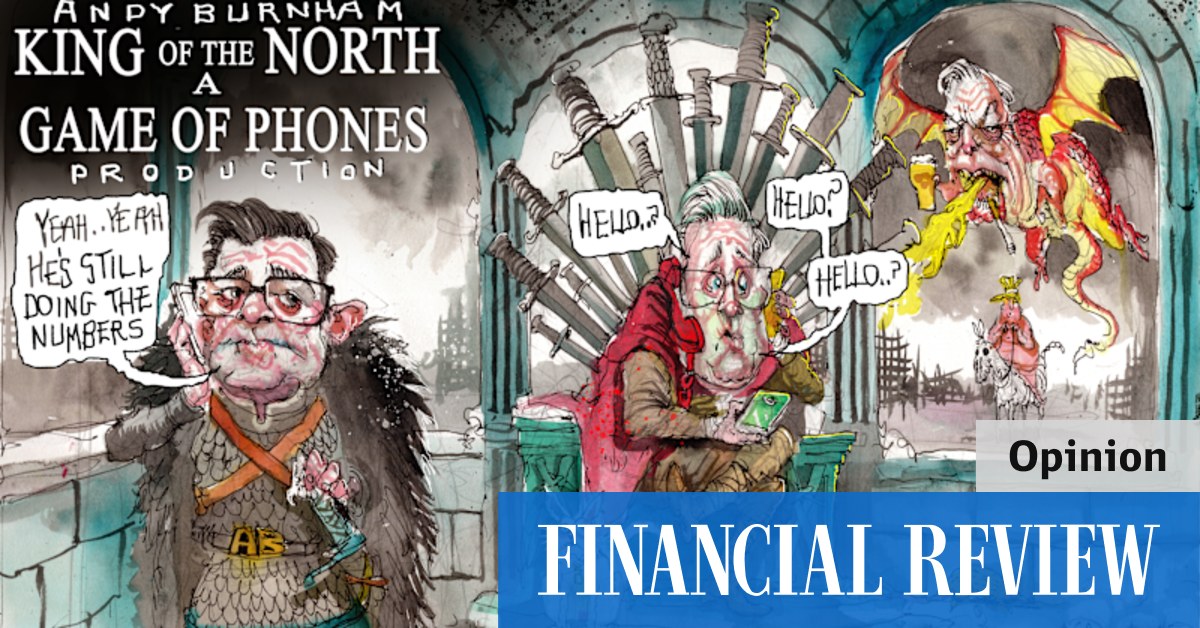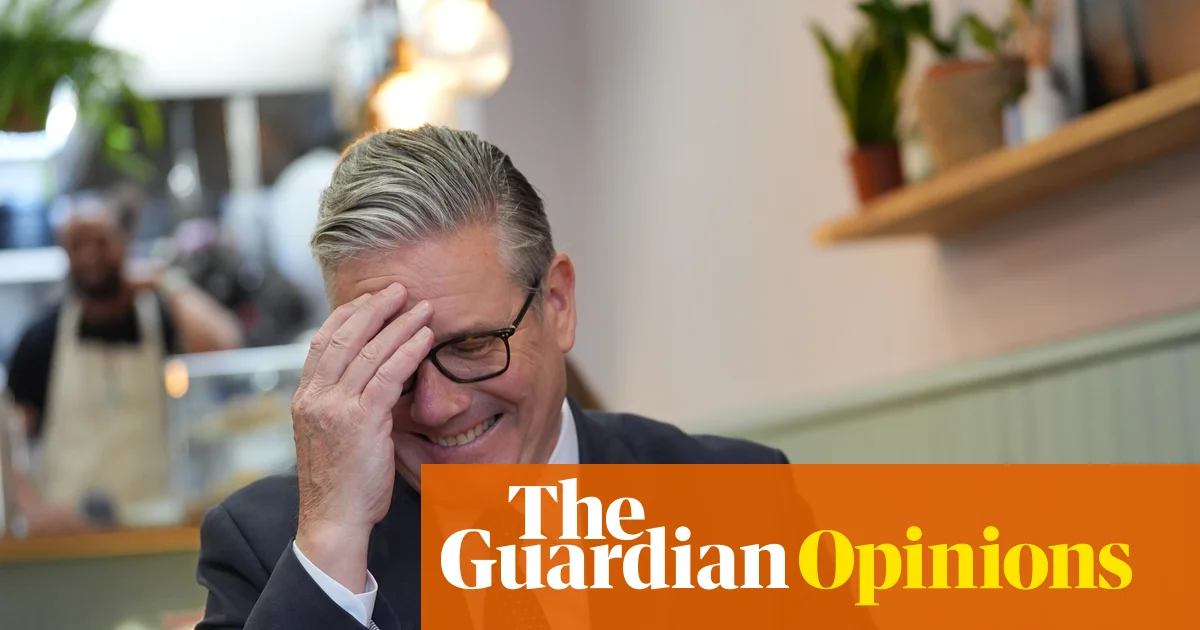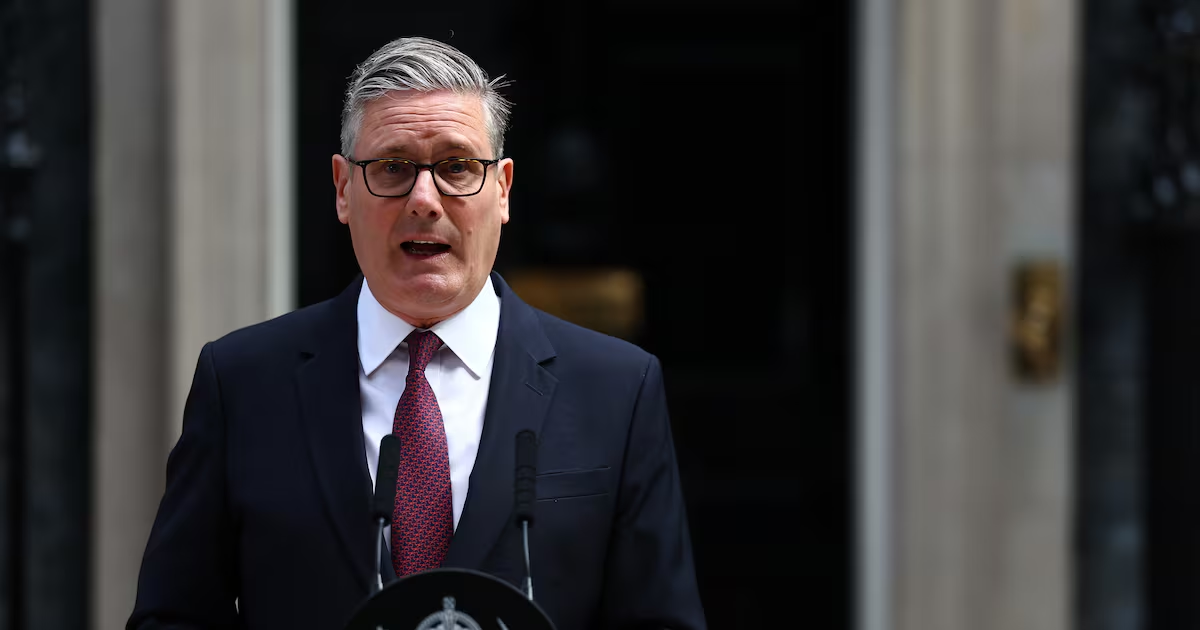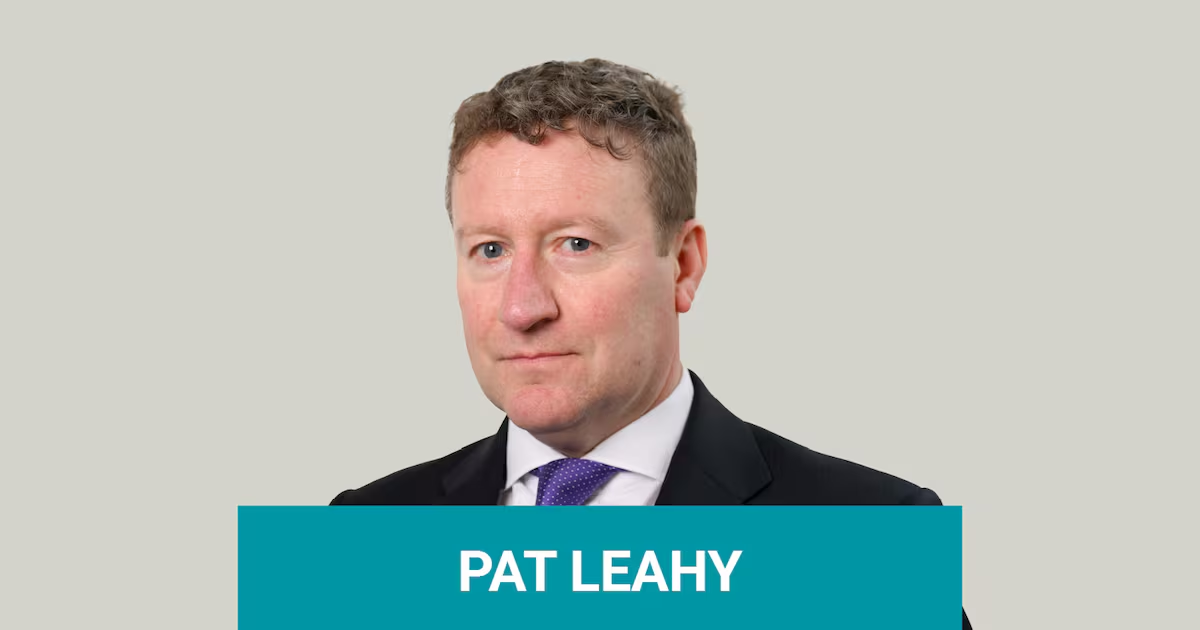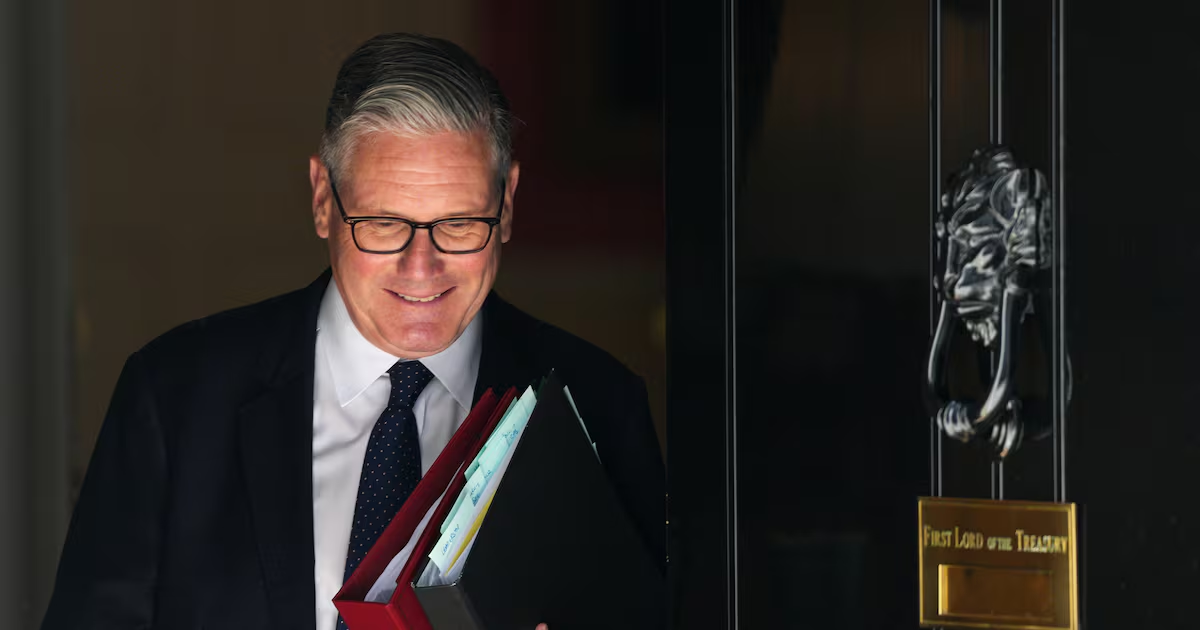
Who said the British steel industry was dead? We saw impressive production of it by Andy Burnham and his team last weekend with a ruthless and surgical showing of the blade. If truth be told, from the moment Burnham won the Makersfield byelection, Keir Starmer was history. What he did not know was that it was all over then. Our London correspondent Mark Paul has written brilliant analysis of all the change and its context and implications, like this piece in which he points out that the main threat to Burnham may come not from Reform or from the parties outflanking Labour on the left, but from a rejuvenated Tories under Kemi Badenoch.The awkward squad within Fianna Fáil (whose numbers are growing, it has to be admitted) must have been green with envy looking at the way that Labour defenestrated its leader, and the prime minister, only two years into its term. Of course, we have had seven British prime ministers since Brexit, compared to four in Ireland but the one constant has been Micheál Martin. Every crisis in which Martin is involved there is talk of a mutiny, and of him having to walk the political plank. The recent history of Fianna Fáil has been littered with such false dawns. Of course sometime (and relatively soon) history will catch up with Martin and he will have to go. But it’s one thing that Irish politics lacks: the impersonal sangfroid that characterises British politics and all its psychodramas. The Triple Lock and when Reform means scrappingIt’s likely that the Fianna Fáil leadership was not prepared for the rearguard action from its own soldiers of destiny over the scrapping of the Triple Lock. The Fianna Fáil manifesto promised “sensible reform” of the triple lock while maintaining military neutrality. The Programme for Government promised something similar. Of course, the only way in which the triple lock can be reformed is to get rid of it, well at least the United Nations part. On one hand, it’s a logical move. The UN Security Council has been deadlocked for over a decade and there is no prospect of it mandating a peacekeeping mission anytime soon. The veto powers of the Big Five (all of whom got their places after a war over three quarters of a century ago) are deeply anomalous to the world we live in. Everybody says they are in favour of multilateralism on both sides of the debate. It’s problematic on both sides. Defenders of the current arrangement say the UN General Assembly route can be tried. But that is so problematic. The last peacekeeping mandate agreed by that Assembly was in 1956 during the Suez Crisis, when the Security Council was divided. But abandoning the triple lock may result in missions that lack some elements of the “honest broker” characteristic of UN missions. The Government argues that Ireland will not forgo its political neutrality but it has not given any specific example of the form or shape of a proposed mission without the triple lock For example, in those missions all parties in the conflict have to agree. If one of the parties does not agree (say Russia objects to a mission taking on a post-conflict role in Ukraine) it could be argued that Ireland is no longer neutral but is taking sides and is part of a military alliance. So internal Fianna Fáil opposition to the policy change was led by Willie O’Dea and resulted in a debate that lasted over two hours at the parliamentary party meeting on Tuesday. O’Dea is a former minister for defence and has authority in this regard. In the event, Martin said the Bill will not be rushed through but will be debated in autumn, giving some breathing space for all the issues to be thrashed out. Decriminalising drugsAny one who walks around the streets of any Irish town, especially on these balmy evenings, will get the aromatic (and overpowering) bang of weed in the wind. Cannabis is everywhere and cocaine and other class A drugs are also widespread, with use hugely increased since Covid. Of course, they are all illegal. And the question is should Ireland follow the lead of other countries in decriminalising personal possession of cannabis, and indeed other drugs, with Portugal going the farthest in Europe. No country has fully legalised recreational drugs and taken them out of the criminal code.The Oireachtas Joint Committee on Drugs Use issued a report on Wednesday which would be far-reaching for Ireland if it were to be adopted in full. The committee, chaired by Social Democrats’ TD Gary Gannon, was examining the report of a Citizens’ Assembly on drug use in Ireland. It contained 161 recommendations aimed at moving Ireland towards a health-led, rather than criminal, approach to drug possession.Its most-eye catching finding was a recommendation to decriminalise all drugs. Gannon argued that the criminal approach had not reduced harm. Its vice-chair, Fianna Fáil Senator Mary Fitzpatrick, endorsed the recommendations. The issue has caused divisions in Ireland and some medical doctors have argued against such a move, with some linking the onset of psychotic episodes in some individuals with regular cannabis intake. The initial response of the Government has been cautious. Minister for Justice Jim O’Callaghan said he believed Ireland should be “very careful” about making legal changes that could increase the incidence of drug taking.He noted how Canada’s British Columbia province recently ended its decriminalisation of drugs for personal use and said there was “widespread recognition” that legalisation of drugs in parts of the US had “simply increased the level of drug-taking”. Something for the weekendIn between the weather and the ice cream and the GAA and the World Cup, here are a few suggestions for advanced leisure activities:Pat Leahy’s column tomorrow will be looking at the impact of Brexit. Don’t forget our weekly round-up of all the big political events in our Friday Inside Politics podcast. Nor can you miss Miriam Lord’s unmissable column summing up a sultry week in Leinster House. Next weekThe big event is finally upon us. Ireland’s presidency of the European Union will officially commence on Wednesday, July 1st, in Dublin.
Starmer shafting shows British politics is the iron fist to Ireland’s velvet glove
A report recommends decriminalising drugs, but the issue has caused division in Ireland
1,024 words~5 min read