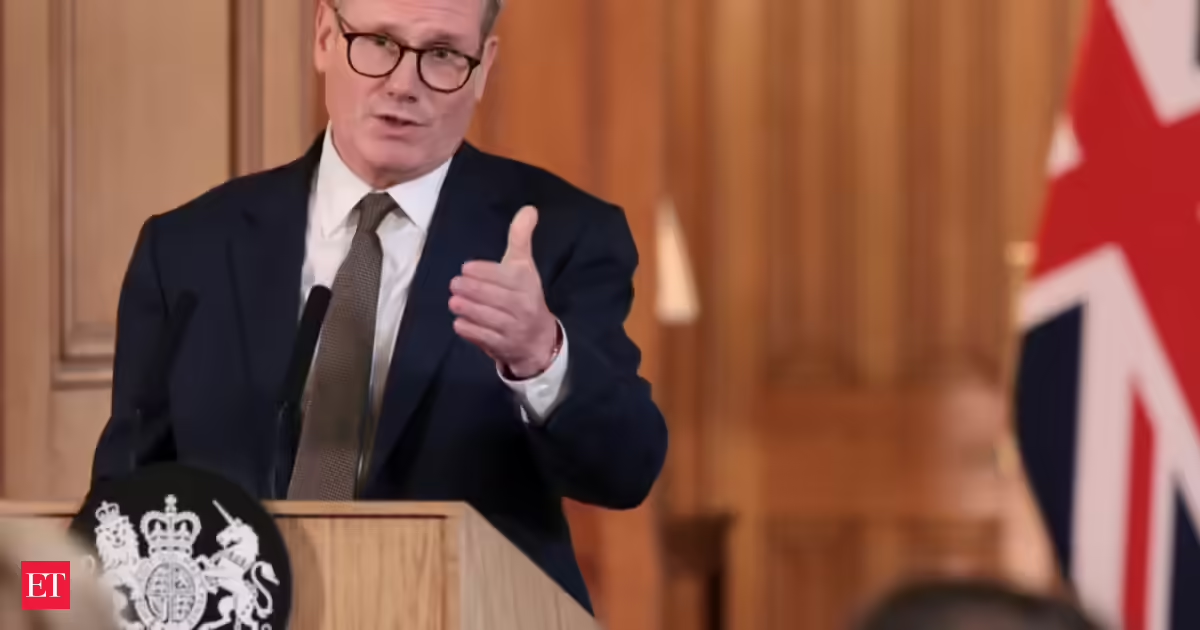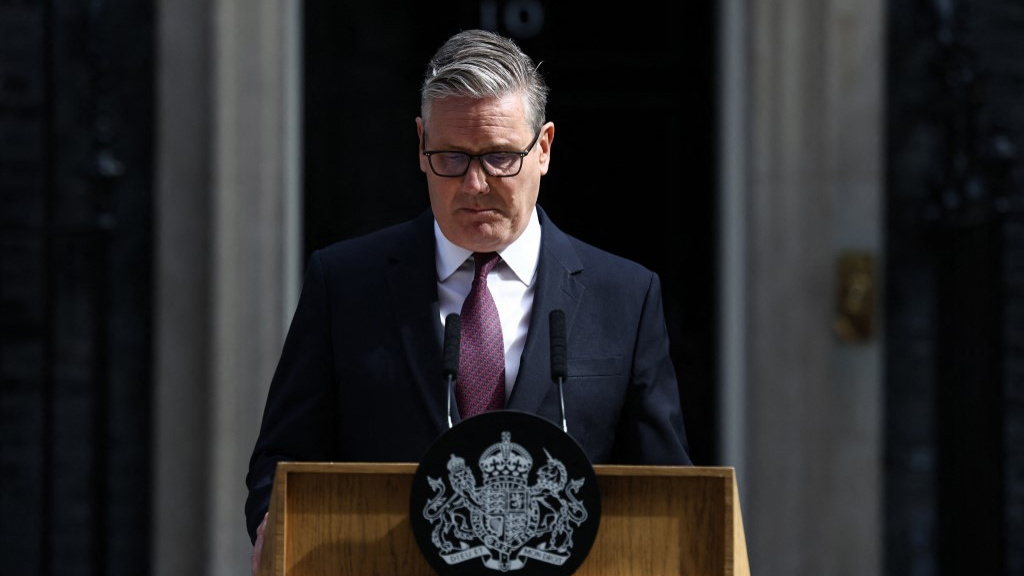
Keir Starmer’s announcement on Monday that he was stepping down as Labour leader - and therefore as Britain’s prime minister - is a remarkable turnaround for the man whose election victory less than two years ago was uniformly heralded as a triumph.
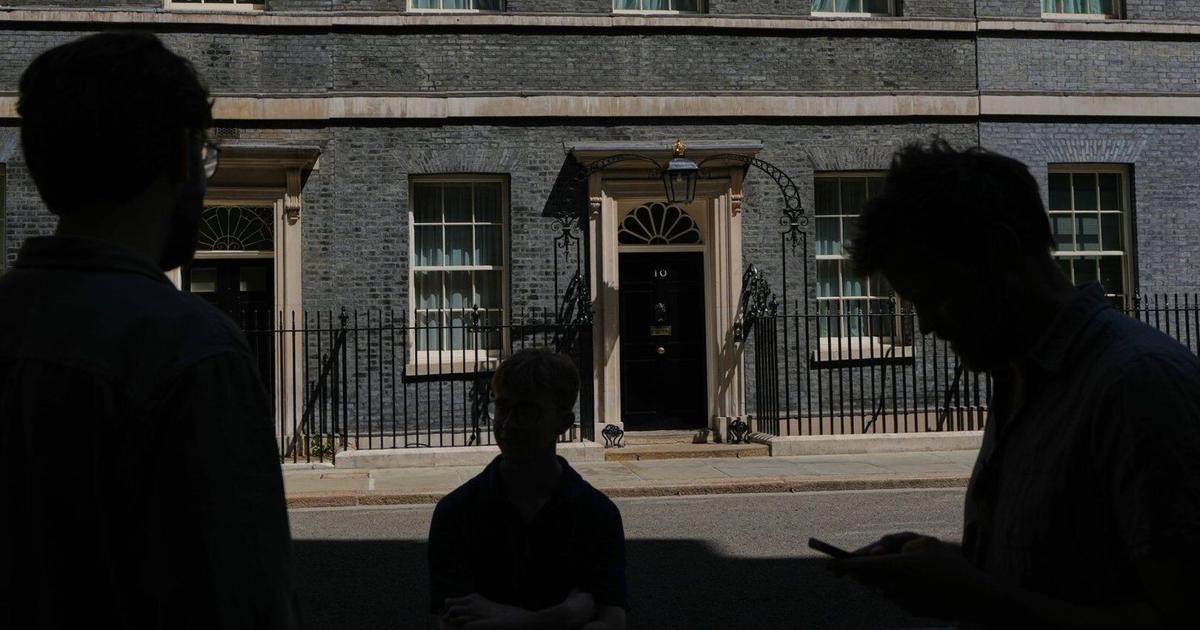
In fact, Starmer rode into 10 Downing Street on a grand deception, propped up by the UK’s establishment media, that has proven the key to his undoing.
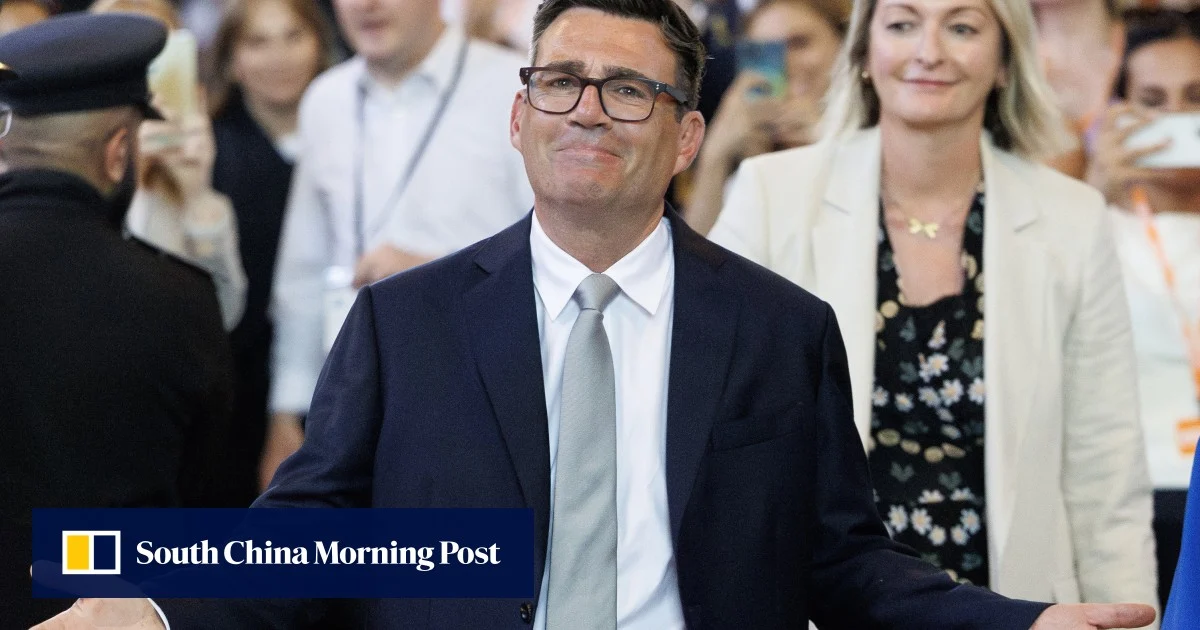
This was a disaster foretold. And Andy Burnham, his likely successor, could well find himself in the same boat a year or two hence - unless he radically rethinks his party’s strategy on a range of domestic and foreign-policy issues.
Labour won by a landslide in 2024, gaining around two-thirds of the parliamentary seats on a third of the national turnout, thanks to the UK’s dysfunctional first-past-the-post electoral system. Starmer enjoyed the backing of scarcely a fifth of eligible voters, in what was the second-lowest turnout since 1885.
By contrast, Starmer’s much more leftwing predecessor as Labour leader, Jeremy Corbyn - roundly dismissed by mainstream media as “unelectable” - secured 40 percent of the vote in 2017. It was the party’s biggest surge in votes since 1945.