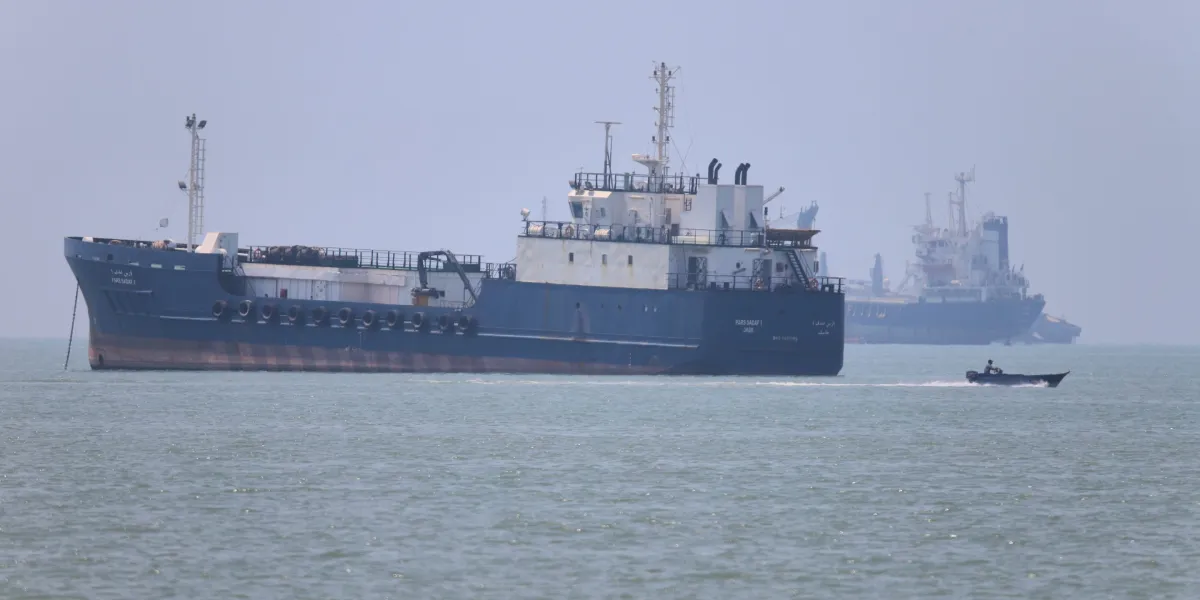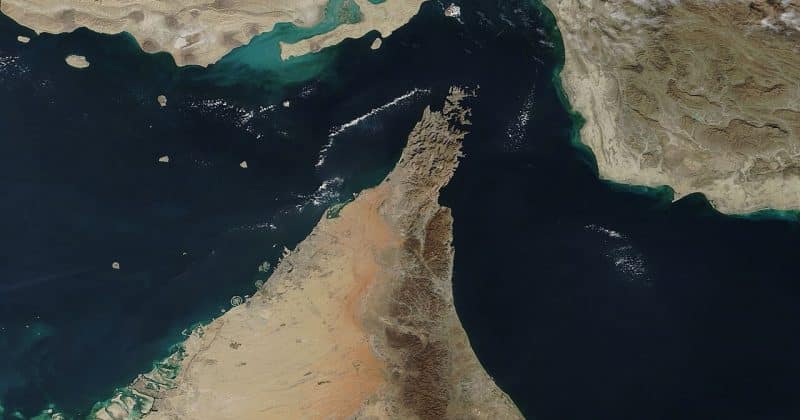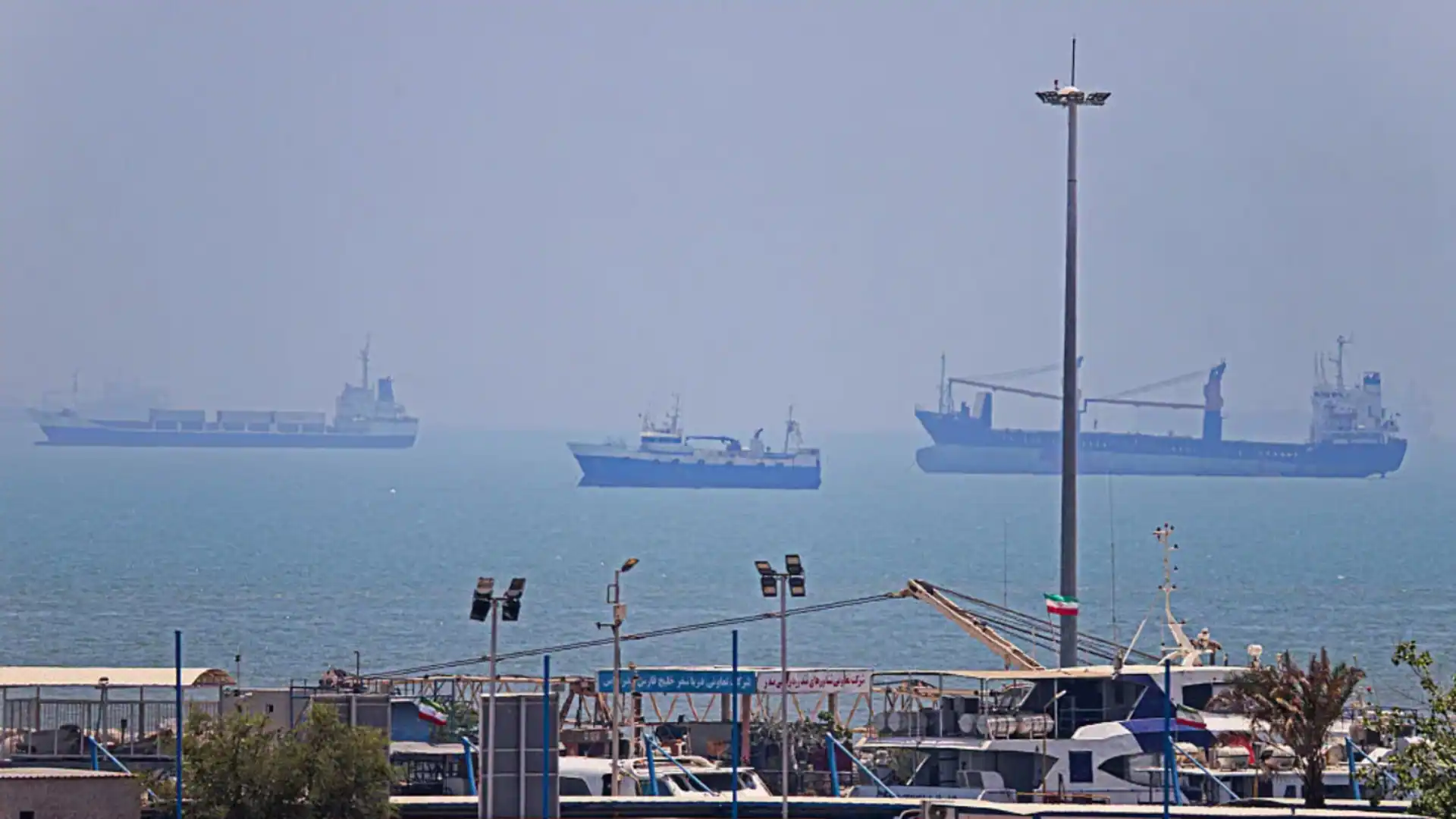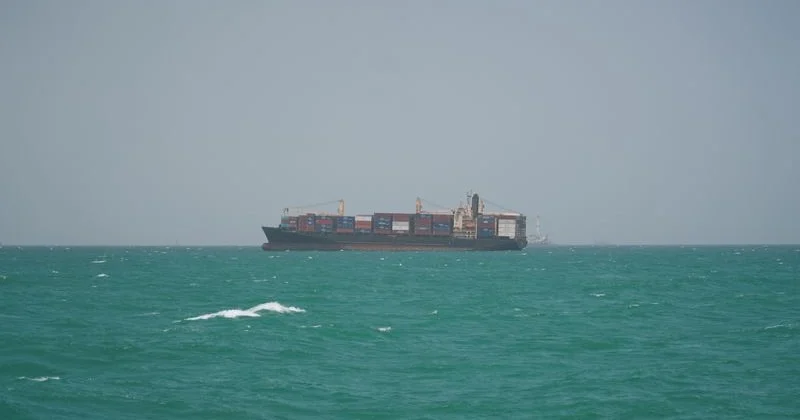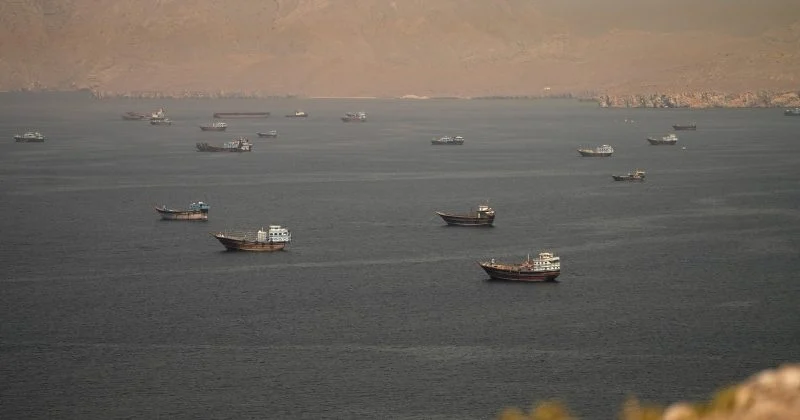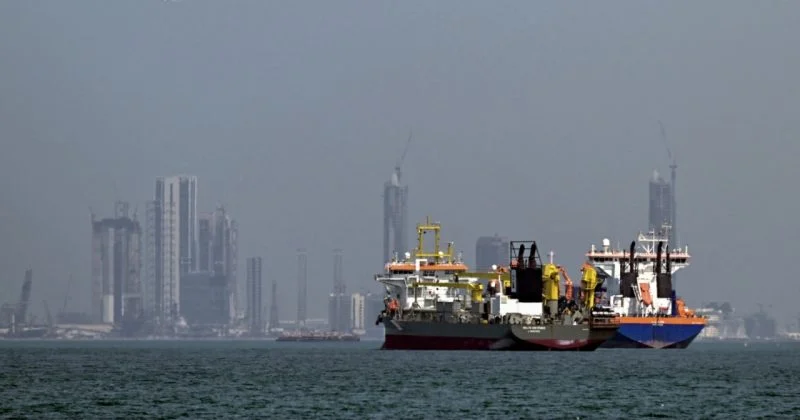
Roughly 80 mines are sitting in the primary shipping lanes of the Strait of Hormuz, according to Intertanko, the international association representing independent tanker owners. The waterway that handles an estimated fifth of global oil transit is, for practical purposes, closed.
Phil Belcher, Intertanko’s marine director, has described the central route as perilous and effectively off-limits due to the active minefield. Full clearance could stretch to the end of 2026, meaning the world’s most critical maritime chokepoint may remain compromised for months.
A minefield with deep historical echoes
The mines were laid during the 2026 US-Israel-Iran conflict. If that sounds familiar, it should. Iran employed the same playbook during the 1980s Tanker War, when it seeded the Persian Gulf with mines to disrupt shipping during the Iran-Iraq conflict. Back then, the USS Samuel B. Roberts struck an Iranian mine in 1988, nearly sinking a guided-missile frigate and triggering Operation Praying Mantis, the US Navy’s largest surface engagement since World War II.
Iran’s Bitcoin pivot: meet Hormuz Safe