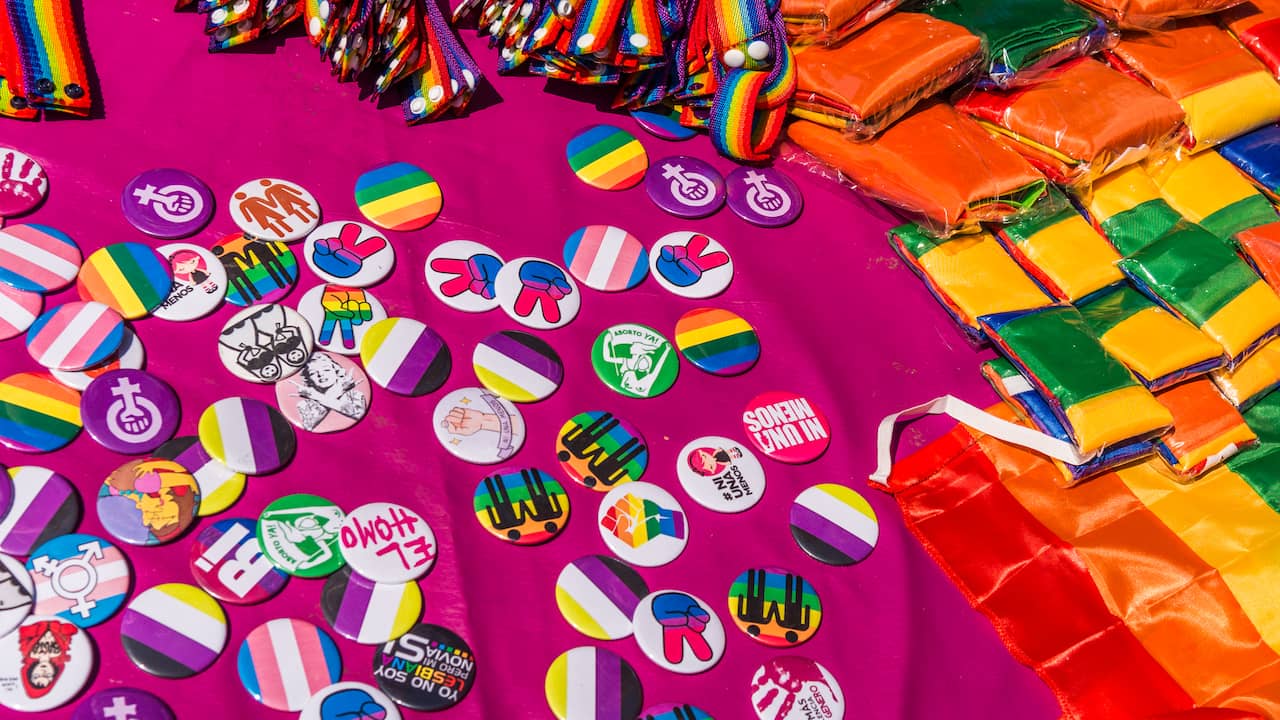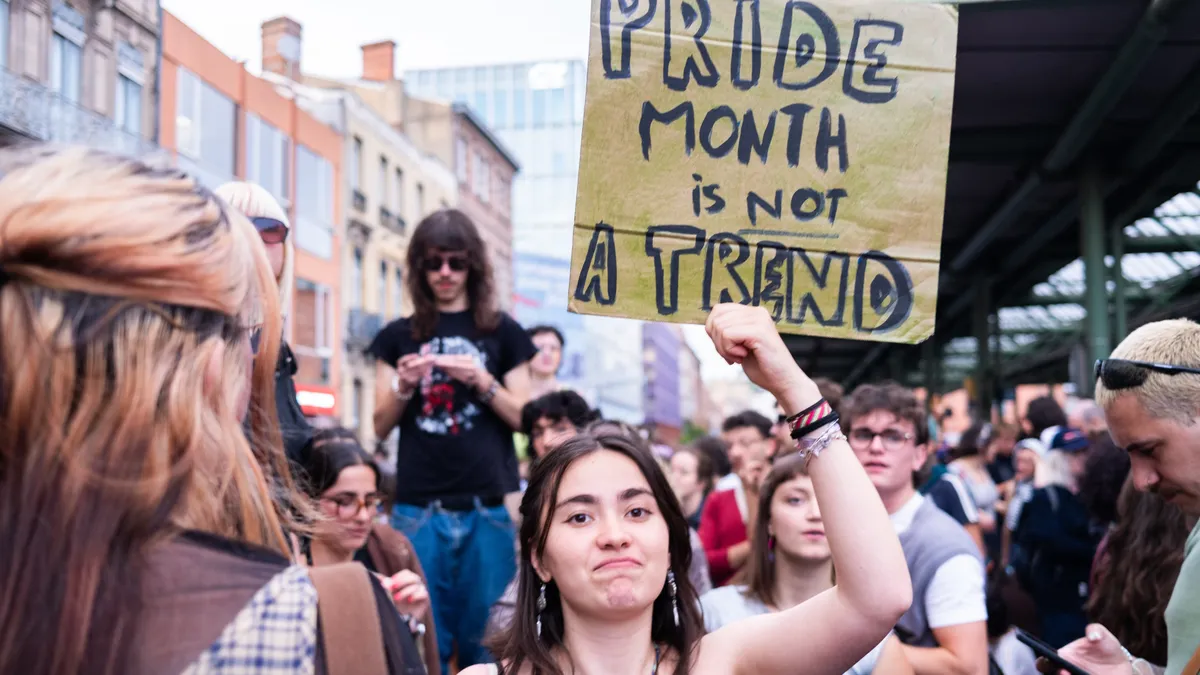
Following the dissolution of DEI on the federal level, the line between what constitutes “rainbow-washing” and what doesn’t continues to blur. The term rainbow-washing (or “pinkwashing”) describes companies that use LGBTQ+ symbolism in branding, advertising and merchandise to voice support for the community without providing substantial backing. Essentially, rainbow-washing brands offer all bark and no bite.A common example of pinkwashing occurs when brands incorporate a rainbow theme into their logos, which their websites and social media accounts then reflect. This temporary change usually lasts throughout Pride Month, but come July 1, companies revert their logos to normal.However, over the past year, rainbow company logos have become a rare sight despite their abundance in the late 2010s and early 2020s, much to the chagrin of consumers nationwide.While observers might chalk up a brand’s decision to alter its LGBTQ+ message to the current political and social climate, several other factors usually escape firsthand consideration.“Maybe they felt that they were being performative, and they weren’t being genuine,” said Jeff Hastedt, cofounder and MD of Brkthru. “[Maybe] they’re open to it, but they just didn’t quite know what to do. They probably didn’t get the right counsel; sometimes, it comes down to budget.”Regardless of the why and how, the overall debate remains unchanged: Is a company’s decision to adopt a rainbow logo for Pride Month performative or genuine?Performative is subjective Nowadays, consumers may consider corporate actions supporting the LGBTQ+ community subjective one year but impactful the next. The rainbow logo debate is no exception.Matthew Conrado, founder and CEO of Alphabet Mafia Consultancy, told Campaign that a company’s rainbow logo during Pride Month currently signals a “sense of allyship” and doesn’t feel performative. “You have to meet the moment,” he explained. “The moment where we’re at is that not many companies are willing to show allyship, and those that are do so in a way that feels ‘brand safe’ to them.”Sometimes, whether a rainbow-themed logo is performative depends on what else a brand decides to do for Pride Month. Evan Horowitz, cofounder and CEO of Movers+Shakers, said if a brand does nothing other than change its logo for the month, the gesture is most likely performative.“Consumers are looking for brands that have a real commitment to whatever it is that they stand for,” Horowitz said. “Changing your social icons to rainbows is not a problem if you’re genuinely committed to [the] LGBTQ+ community year-round.”Hastedt’s hot take is that a company switching up its logo for Pride Month does absolutely nothing. However, he added that the gesture itself is “appreciated” and “better than nothing.”“I don’t hold it against anybody about logo-changing,” he continued. “I get it from a business and a marketing standpoint; that’s not always in the cards for every brand to do [something]. Not everybody comes around right away, so you don’t want to penalize people who were late to the party or left the party for a while.”The little thingsFor a brand to “do something” for the LGBTQ+ community is, as Hastedt puts it, “putting your money where your mouth is.” Actions such as sponsoring Pride events or donating to LGBTQ+ nonprofits speaks to a brand’s consumer base more than adding color to its logo.However, in today’s current political and social climate, even the smallest actions from brands matter and can leave a massive impression on consumers.For example, JPMorganChase operates a bank right next to the Stonewall Inn in New York City’s Greenwich Village, the site of the 1969 Stonewall riots and the catalyst for the modern fight for LGBTQ+ rights in the U.S. During Pride Month of 2023, the location unveiled permanent rainbow awnings in support of the community.“It’s the little things that people remember,” Hastedt said. “Some people think that might not be good enough, but even doing things like that is really important.”Conrado added that smaller actions such as rainbow-themed awnings or logos give other companies “permission” to “activate with the community.”“The money that goes toward organizations actually fighting on the ground to do things all year with the community is what matters,” he said. “When companies work with me, I’m then putting that money toward queer founders and entrepreneurs, creators, artists and organizations. That’s supposed to last all year long.”Consistency is keyWhether a company decides to adjust its logo for Pride Month is up to its leadership, but Horowitz’s advice applies regardless of the choice: consistency.“Decide what you stand for and show up for that consistently year-round,” he said. “It doesn’t mean you can turn up the volume a little during Pride Month, [but] anything that you’re only doing during [June], you have to question if it’s performative.”In order to “show up” for the LGBTQ+ community, he added, brands need to go beyond Pride Month by hiring talent from the community to feature in advertisements and organizing experiential events in relevant communities.“All of these things show a consistent, actual commitment,” he concluded. “It’s less about the action itself; it’s more [about] consistency.”Conrado notes that one can always make the case that “no one is ever doing enough.”“It’s like a lot of the trauma that we’re dealing with,” he explained. “We never feel like we’re enough, so we think everybody else is not doing enough.”To combat this, Conrado recommends that consumers not just “meet the moment” but show gratitude for any actions of allyship, whether large or small.“The reality is, we have to start switching the mentality and practice a little gratitude,” he said. “That will lead to more abundance.”
The corporate rainbow logo debate: Performative or genuine?
LGBTQ+ adland leaders debate whether the retreat from rainbow branding signals corporate fear or a shift toward deeper, year-round allyship.
910 words~4 min read