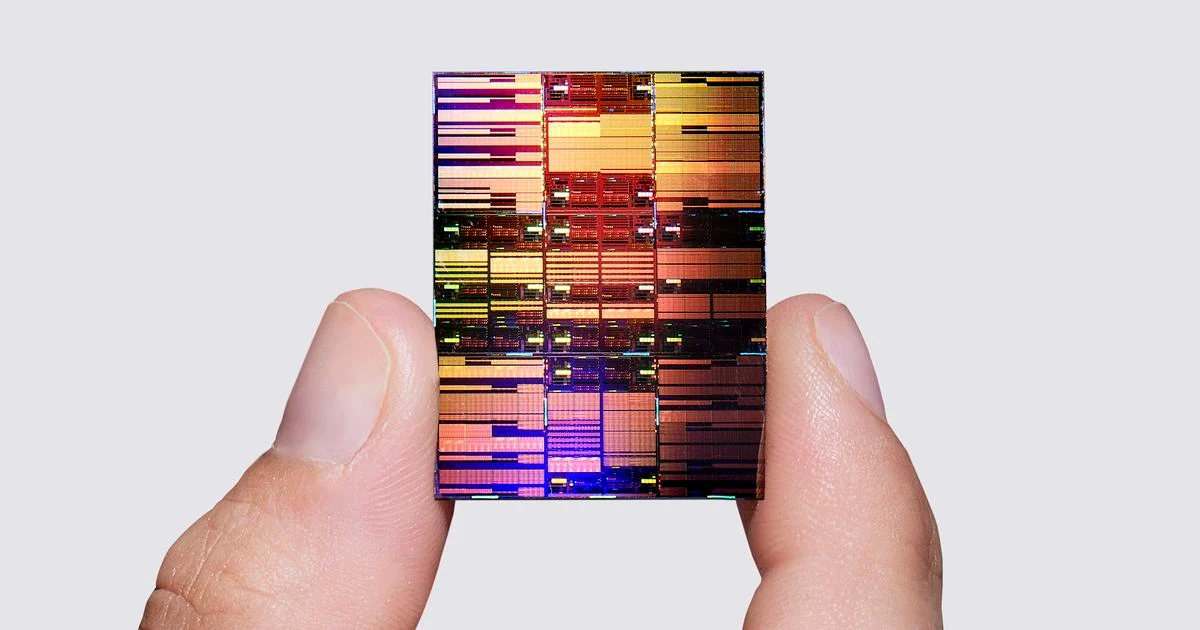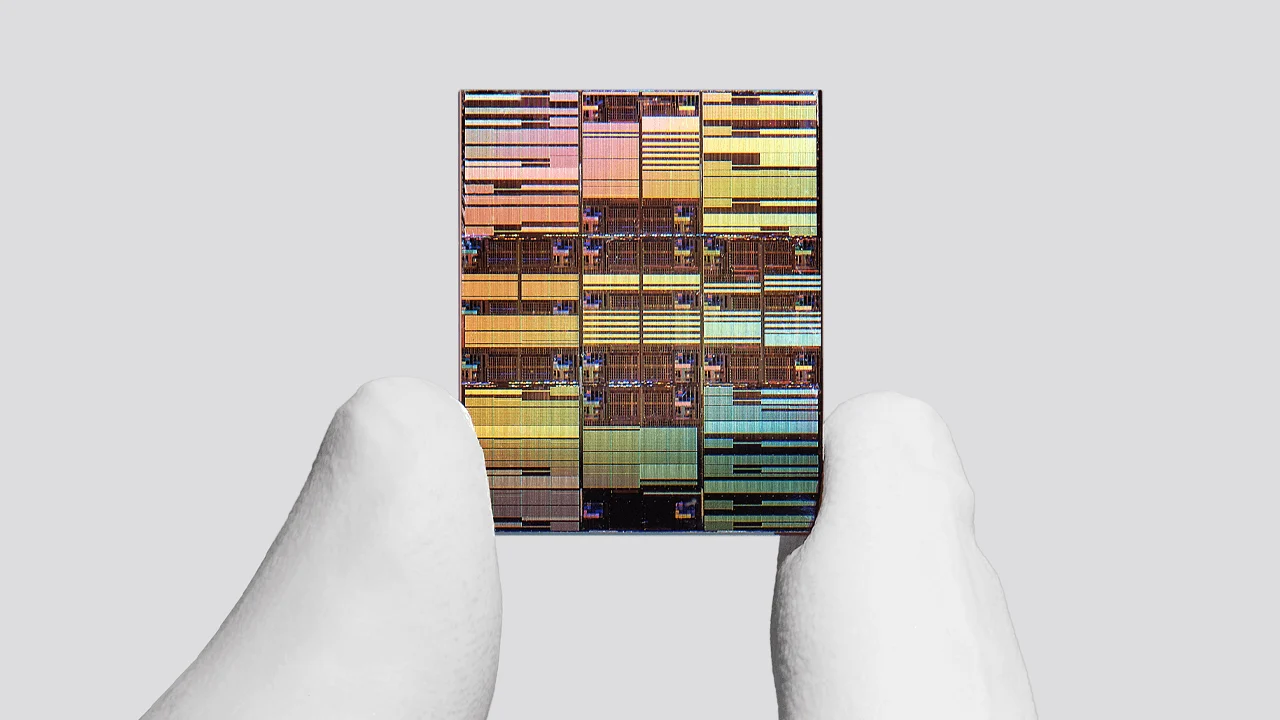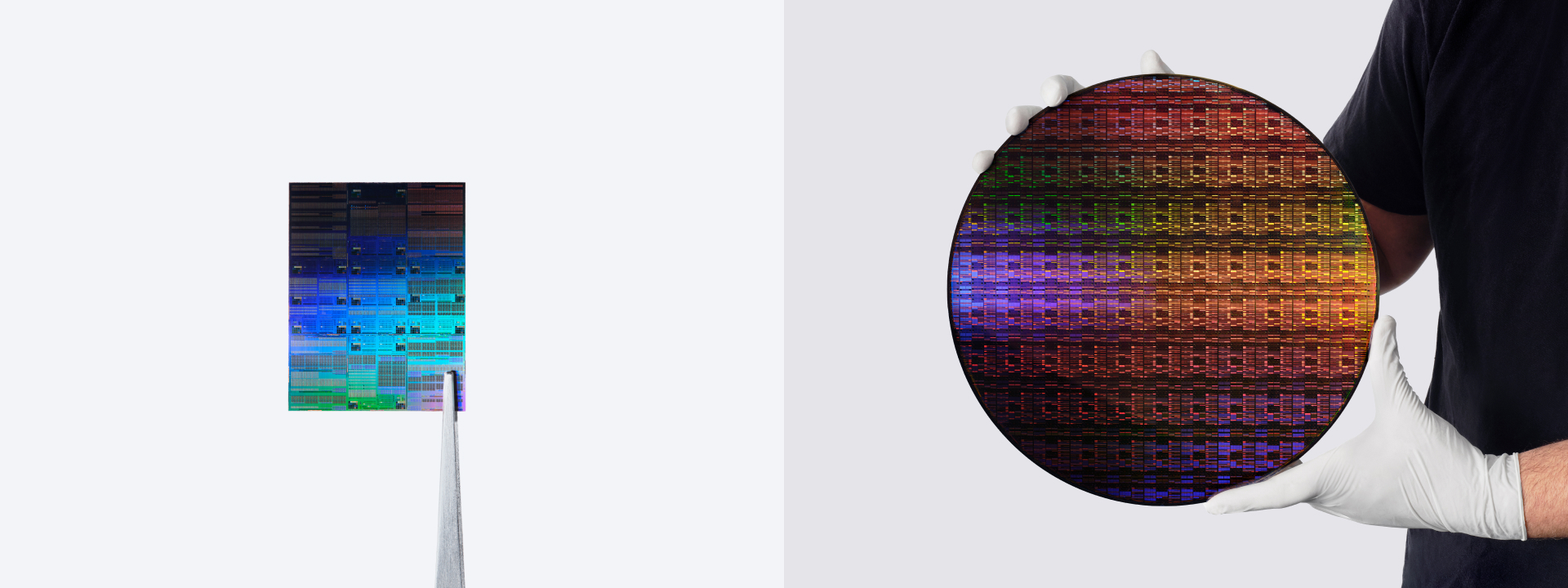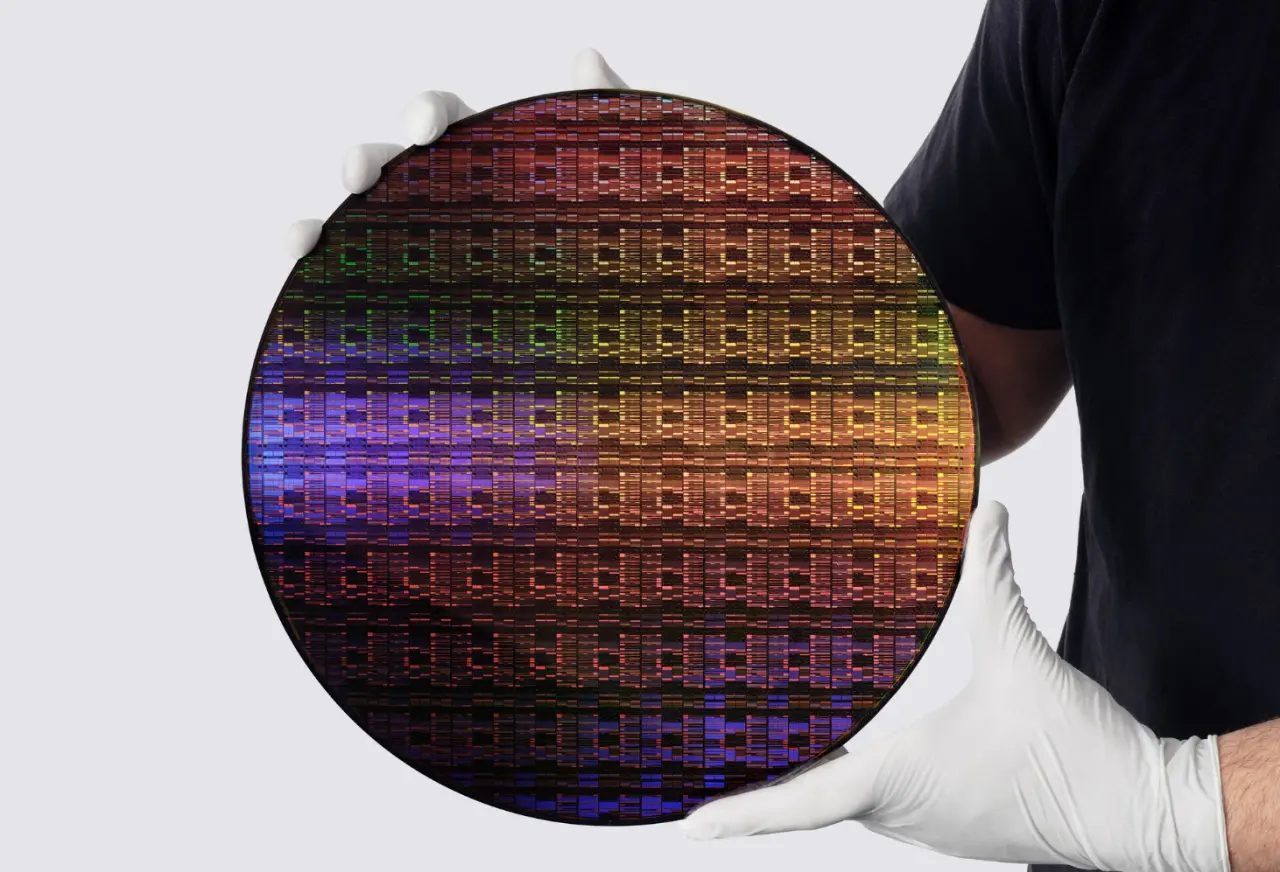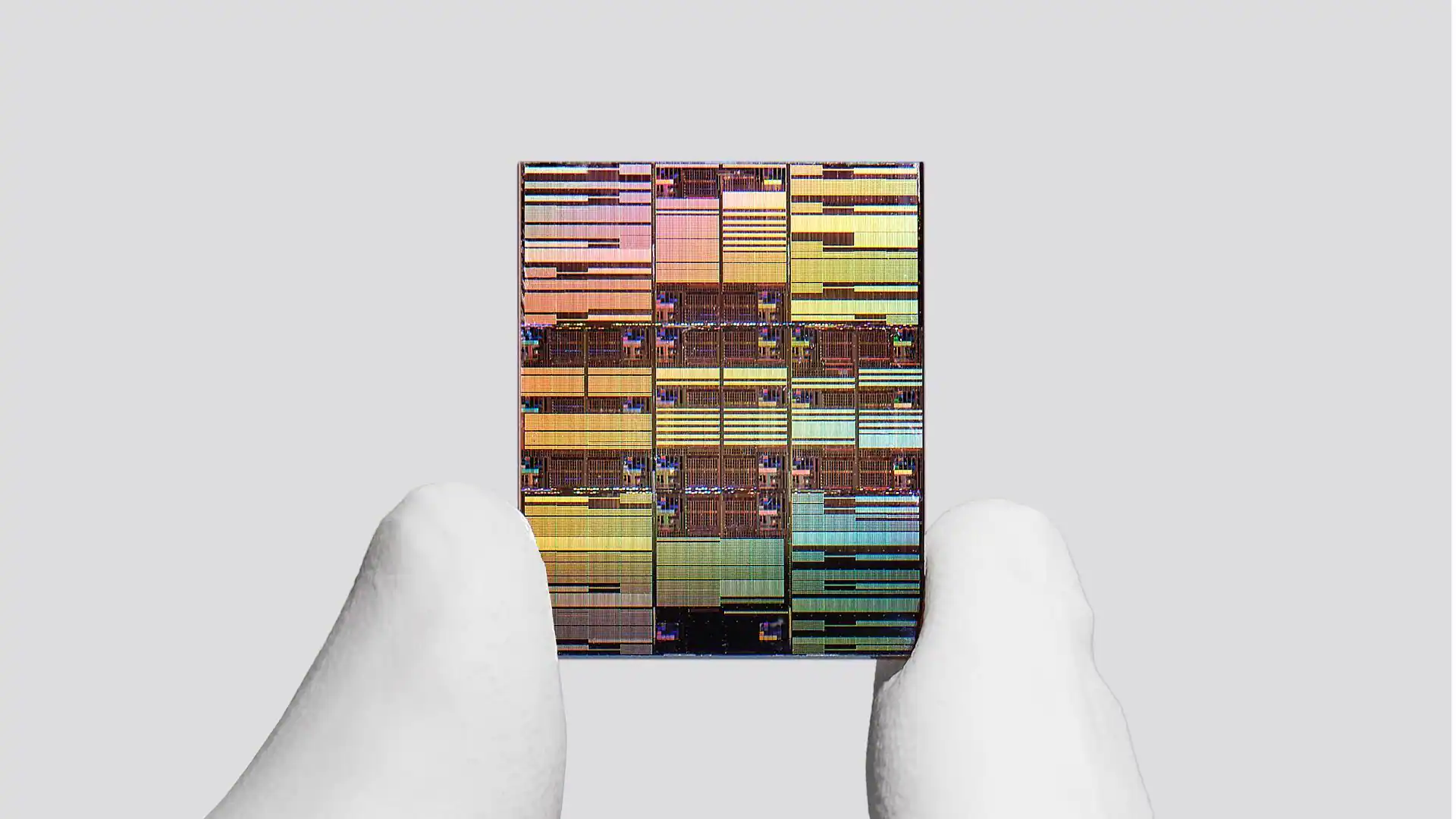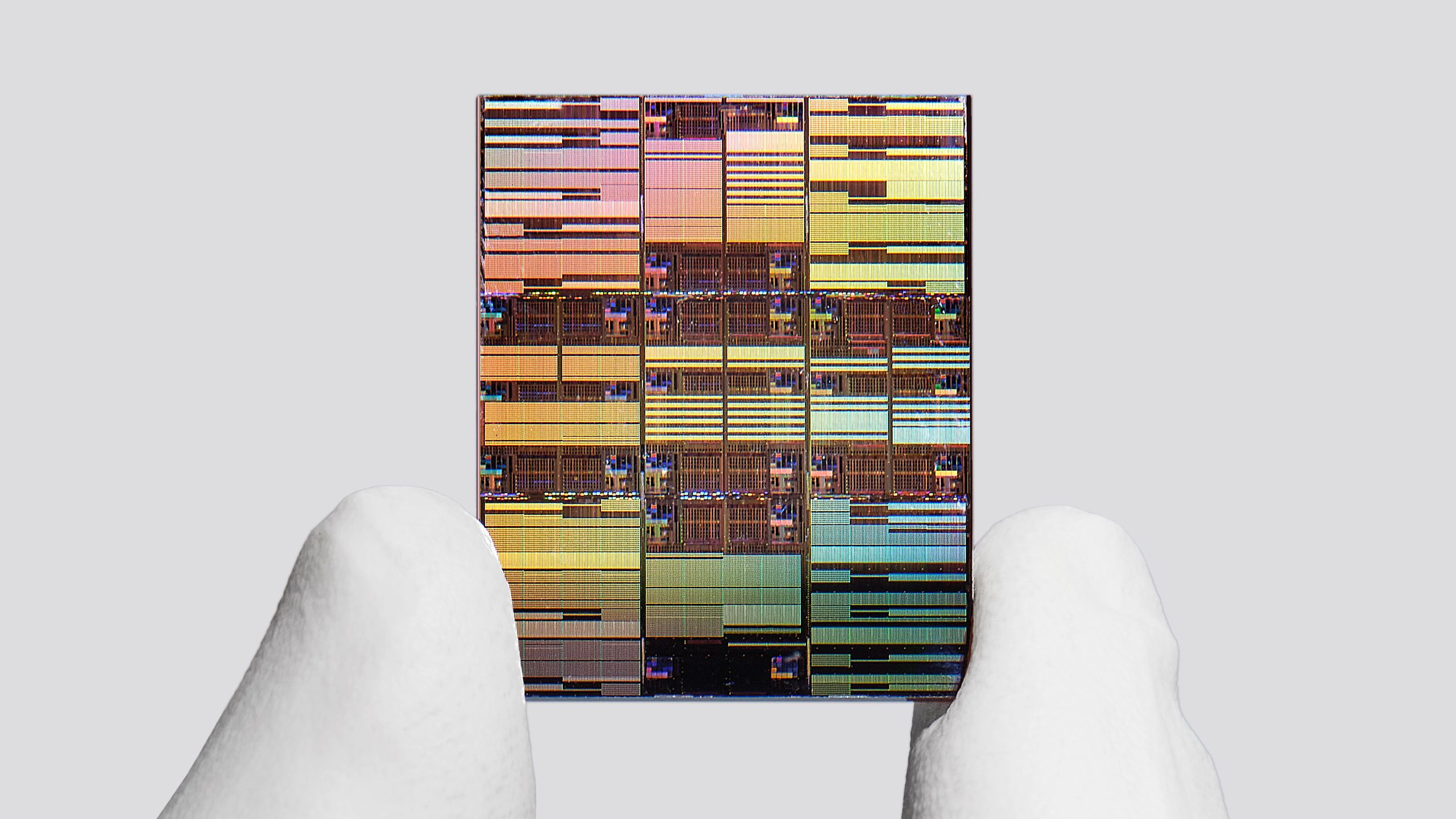
(Image credit: IBM)
IBM on Thursday said it has produced the first test chip using its 0.7nm-class (7 angstroms) fabrication technology, the industry's first sub-1nm manufacturing process. The concept process technology relies on the so-called nanostack transistors and promises rather dramatic power, performance, and area (PPA) gains compared to IBM's 2nm-class node. To produce nanostack transistors, IBM uses two wafers instead of one, along with ultra-thin dielectric bonding, an arrangement that has never been used before.IBM's 7A-class (or 0.7nm-class) fabrication process based on nanostack transistors is said to offer up to 50% higher performance and 70% higher energy efficiency compared to IBM's 2nm-class node based on nanosheet gate-all-around transistors the company introduced in 2021. Perhaps more importantly, IBM's nanosheet architecture provides a 40% higher SRAM density and even higher density improvements for logic transistors, gains that are extremely hard to achieve these days.Such massive gains have been enabled by numerous innovations, but the key enabler is IBM's nanostack transistor architecture, which conceptually resembles CFETs and stems from GAA nanosheet transistors.Two wafers instead of oneIn modern process technologies, all logic transistors live in one active device tier, and NFETs and PFETs sit side by side laterally in the standard-cell layout. Nanosheet GAA transistors feature a more advanced internal geometry, but they still reside in this single-transistor tier, which gets harder to shrink with every generation.